
 By John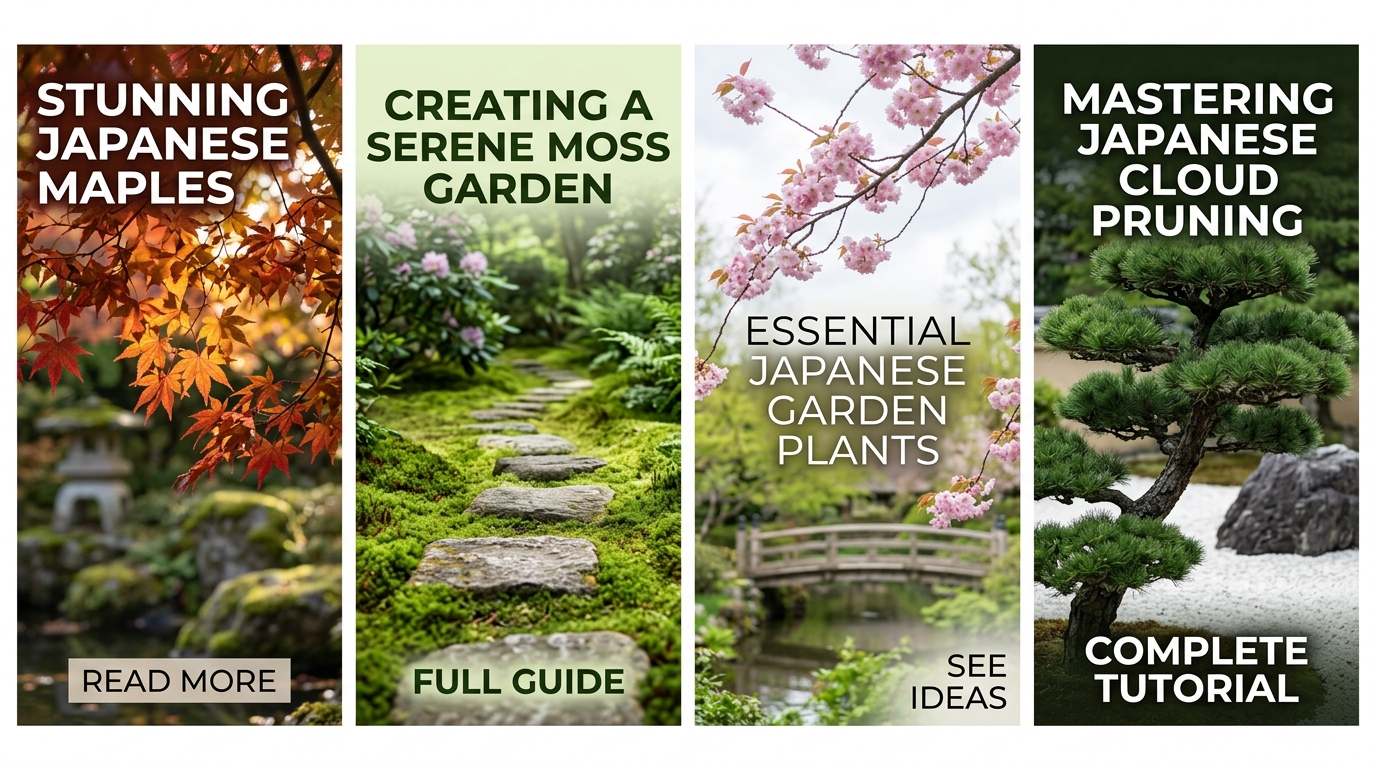
Japanese Garden Plants: Best Trees, Shrubs, Flowers, and Ground Covers for a Serene Outdoor Space
Japanese garden plants are carefully selected to create peaceful, balanced, and harmonious landscapes inspired by nature. Unlike traditional gardens that focus on bright colors and abundant blooms, Japanese gardens emphasize texture, shape, seasonal beauty, and tranquility. Every plant is chosen with purpose, helping to create a calming environment where visitors can relax, reflect, and appreciate the changing seasons.
Whether you are designing a large backyard, a small courtyard, or a compact Zen garden, the right combination of Japanese maple trees, evergreen shrubs, bamboo, moss, flowering plants, and ornamental grasses can transform any outdoor space into a timeless sanctuary. These gardens celebrate simplicity, natural beauty, and thoughtful design while requiring relatively low maintenance once established.
This complete guide explores the best Japanese garden plants, design principles, planting tips, seasonal care, and landscaping ideas to help you create an authentic Japanese-inspired garden.
What Is a Japanese Garden?
A Japanese garden is a carefully designed landscape that reflects nature in a simple and balanced way. Plants, stones, water, and pathways work together to create a peaceful atmosphere.
Common features include:
- Japanese maple trees
- Bamboo
- Moss
- Pine trees
- Flowering shrubs
- Stone lanterns
- Gravel pathways
- Water features
- Bridges
- Evergreen plants
Every element contributes to a sense of calm and harmony.
Benefits of Japanese Garden Plants
Choosing Japanese-style plants offers many advantages.
Benefits include:
- Year-round beauty
- Peaceful atmosphere
- Low-maintenance landscaping
- Seasonal interest
- Wildlife-friendly habitat
- Elegant structure
- Natural balance
- Timeless appeal
These plants create gardens that improve with age.
Planning Your Japanese Garden
Before planting, evaluate your outdoor space.
Consider:
- Sunlight
- Soil drainage
- Climate
- Available space
- Existing trees
- Water features
- Maintenance requirements
- Garden style
Thoughtful planning helps create an authentic landscape.
Japanese Maple
Japanese maple is one of the most iconic Japanese garden plants.
Benefits include:
- Graceful branching
- Vibrant autumn foliage
- Compact growth
- Beautiful leaf shapes
Place Japanese maples where they become focal points.
Bamboo
Bamboo adds movement and vertical interest.
Popular uses include:
- Privacy screens
- Garden borders
- Accent planting
- Windbreaks
Choose clumping varieties for easier maintenance.
Pine Trees
Pine trees symbolize longevity and strength.
Popular species include:
- Japanese Black Pine
- Japanese White Pine
- Dwarf Pine varieties
Pruned pines create dramatic sculptural forms.
Cherry Blossom Trees
Cherry blossoms provide spectacular spring displays.
Advantages include:
- Delicate flowers
- Seasonal beauty
- Elegant form
- Symbolic significance
Their blossoms create unforgettable garden scenes.
Azaleas
Azaleas are classic Japanese flowering shrubs.
Benefits include:
- Brilliant spring blooms
- Compact size
- Shade tolerance
- Wide color selection
Plant them beneath trees for natural woodland beauty.
Camellias
Camellias provide color during cooler months.
Popular features include:
- Glossy evergreen leaves
- Elegant flowers
- Long lifespan
- Winter blooms
They add year-round interest.
Moss Gardens
Moss is essential in many traditional Japanese landscapes.
Benefits include:
- Soft texture
- Natural appearance
- Minimal maintenance
- Peaceful atmosphere
Moss thrives in shaded, moist environments.
Ferns
Ferns create lush woodland effects.
Popular varieties include:
- Japanese Painted Fern
- Lady Fern
- Autumn Fern
- Holly Fern
Their delicate foliage complements rocks and water.
Hostas
Hostas provide bold foliage.
Advantages include:
- Shade tolerance
- Attractive leaves
- Low maintenance
- Variety of sizes
Hostas pair beautifully with ferns and moss.
Ornamental Grasses
Grasses introduce movement.
Popular options include:
- Japanese Forest Grass
- Hakone Grass
- Maiden Grass
- Dwarf Mondo Grass
Soft textures balance stone and water elements.
Flowering Perennials
Add seasonal blooms with:
- Iris
- Peonies
- Anemones
- Hellebores
- Astilbe
Use flowers sparingly to maintain a balanced design.
Evergreen Shrubs
Evergreens provide year-round structure.
Popular choices include:
- Boxwood
- Holly
- Yew
- Podocarpus
Pruned shrubs create clean, elegant forms.
Ground Cover Plants
Ground covers soften pathways and stones.
Excellent choices include:
- Moss
- Creeping Thyme
- Mondo Grass
- Sweet Woodruff
These plants reduce weeds while enhancing the landscape.
Water Plants
If your garden includes a pond, consider:
- Water lilies
- Lotus
- Iris
- Rushes
Water plants complete traditional Japanese water gardens.
Stone and Plant Combinations
Balance plants with natural stone.
Use:
- Large boulders
- River rocks
- Gravel
- Stone lanterns
- Stepping stones
Natural materials create visual harmony.
Garden Pathways
Pathways encourage slow exploration.
Popular materials include:
- Gravel
- Natural stone
- Moss-covered stepping stones
- Pebbles
Curved paths create a feeling of discovery.
Sustainable Japanese Gardening
Support the environment by using:
- Native companion plants
- Organic compost
- Rainwater collection
- Mulch
- Efficient irrigation
Sustainable practices improve plant health while conserving resources.
Seasonal Interest
Japanese gardens celebrate every season.
Spring
Enjoy:
- Cherry blossoms
- Azaleas
- Camellias
- Fresh foliage
Summer
Highlight:
- Lush greenery
- Bamboo
- Water lilies
- Ferns
Autumn
Admire:
- Japanese maple colors
- Ornamental grasses
- Golden foliage
Winter
Focus on:
- Evergreen pines
- Camellias
- Moss
- Stone features
Seasonal changes are central to Japanese garden design.
Common Design Mistakes
Avoid these common problems:
- Too many flowering plants
- Bright artificial decorations
- Poor plant spacing
- Straight pathways
- Overcrowded layouts
- Ignoring balance
Simplicity is one of the defining characteristics of Japanese gardens.
Maintenance Tips
Maintain your Japanese garden by:
- Pruning trees carefully
- Removing weeds
- Cleaning pathways
- Watering during dry periods
- Feeding plants moderately
- Refreshing mulch
Regular maintenance preserves the garden’s peaceful appearance.
Frequently Asked Questions
Which plant is most important in a Japanese garden?
The Japanese maple is one of the most iconic plants due to its elegant shape and spectacular seasonal foliage.
Are Japanese garden plants easy to maintain?
Yes. Once established, many Japanese garden plants require relatively little maintenance beyond pruning, watering, and seasonal care.
Can I create a Japanese garden in a small yard?
Absolutely. Compact trees, moss, bamboo, stone pathways, and container plants work beautifully in small gardens.
Which flowers are commonly used?
Azaleas, camellias, irises, peonies, anemones, and cherry blossoms are among the most popular flowering plants.
Do Japanese gardens require ponds?
No. While ponds are traditional, many beautiful Japanese gardens rely on gravel, rocks, moss, and carefully selected plants instead of water features.
Conclusion
Japanese garden plants bring elegance, balance, and tranquility to outdoor spaces of every size. By combining graceful Japanese maples, evergreen pines, bamboo, moss, flowering shrubs, ornamental grasses, and carefully placed stones, you can create a peaceful landscape inspired by centuries of Japanese gardening traditions.
Whether you are designing a spacious backyard, a quiet courtyard, or a compact Zen retreat, selecting the right plants and arranging them with simplicity and purpose will create a garden that offers year-round beauty and relaxation. With thoughtful planning and regular maintenance, your Japanese garden will become a timeless sanctuary where nature, harmony, and seasonal beauty come together.