
 By John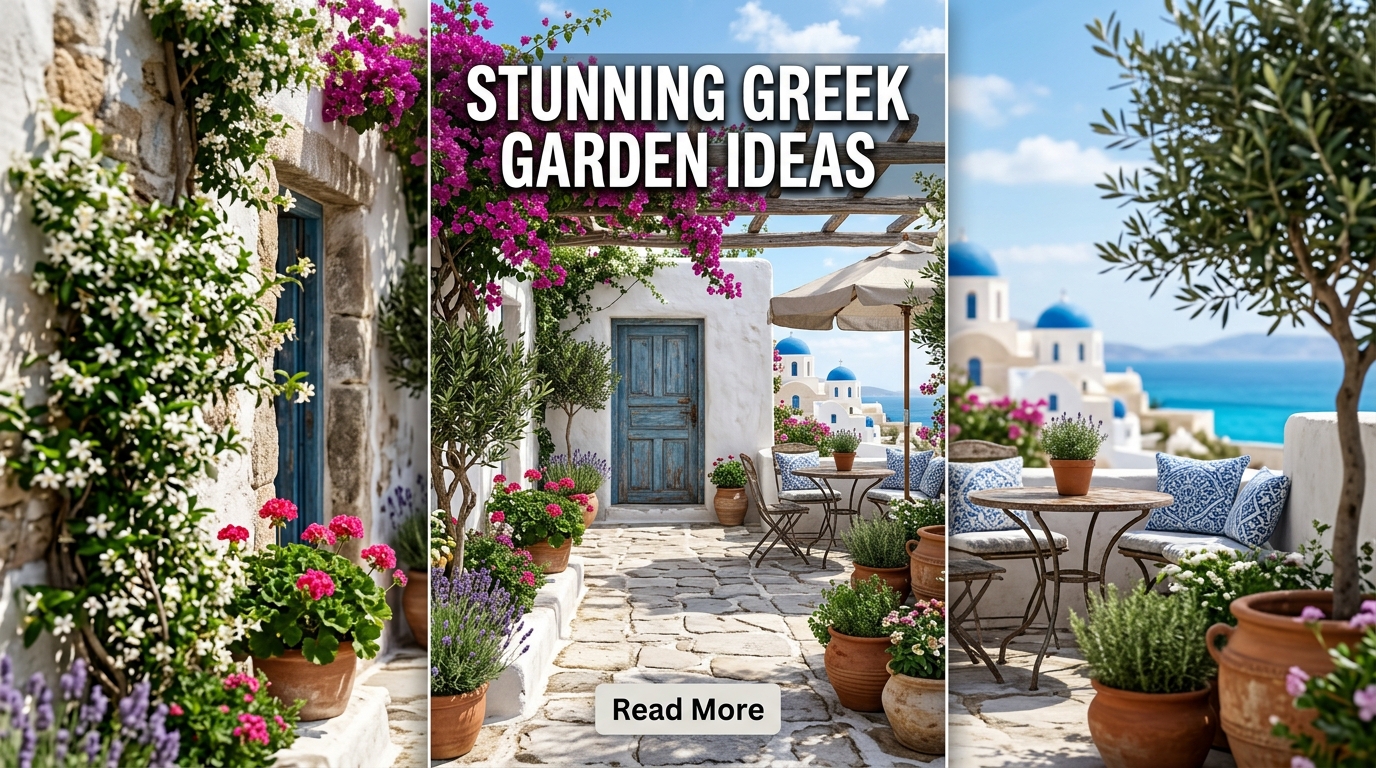
Greek Garden Ideas: Mediterranean Landscaping, Plants, Courtyards, and Outdoor Design Inspiration
A Greek garden combines timeless Mediterranean beauty with simplicity, elegance, and harmony with nature. Inspired by the landscapes of Greece, these gardens feature whitewashed walls, natural stone pathways, olive trees, fragrant herbs, colorful flowers, and peaceful courtyards that create a relaxing outdoor retreat. Whether you have a large backyard or a small patio, you can incorporate Greek-inspired elements to transform your outdoor space into a beautiful oasis.
Greek gardens are designed to blend architecture with nature. They emphasize clean lines, drought-tolerant plants, shaded seating areas, decorative pottery, and natural materials that thrive in warm climates. With their calming atmosphere and classic style, these gardens are ideal for entertaining guests, enjoying quiet evenings, or simply relaxing outdoors.
This complete guide explores the best Greek garden ideas, essential plants, landscaping features, decorating tips, maintenance advice, and design inspiration to help you create your own Mediterranean paradise.
What Is a Greek Garden?
A Greek garden is inspired by the landscapes and architecture of Greece, combining natural materials, Mediterranean plants, and minimalist design to create an elegant and peaceful outdoor environment.
Common features include:
- White walls
- Stone pathways
- Olive trees
- Lavender
- Terracotta pots
- Courtyard seating
- Water features
- Pergolas
- Cypress trees
- Natural stone
The design focuses on balance, simplicity, and harmony with nature.
Benefits of a Greek Garden
A Greek-style landscape offers many advantages.
Benefits include:
- Timeless appearance
- Low-maintenance planting
- Drought-tolerant landscaping
- Relaxing atmosphere
- Elegant outdoor entertaining
- Sustainable gardening
- Increased curb appeal
- Year-round beauty
Mediterranean gardens are especially suitable for sunny climates.
Planning Your Greek Garden
Before beginning your project, consider:
- Climate
- Sunlight
- Soil drainage
- Available space
- Existing architecture
- Budget
- Irrigation
- Maintenance
Careful planning helps create an authentic Mediterranean look.
Choose a Neutral Color Palette
Greek gardens rely on soft, natural colors.
Popular shades include:
- White
- Cream
- Sand
- Gray
- Blue
- Terracotta
These colors reflect sunlight and complement lush greenery.
Natural Stone Pathways
Stone pathways create structure and elegance.
Popular materials include:
- Limestone
- Slate
- Flagstone
- Pebbles
- Gravel
Curved paths encourage exploration while maintaining a relaxed appearance.
Olive Trees
Olive trees are iconic elements of Greek landscapes.
Benefits include:
- Evergreen beauty
- Silver-green foliage
- Long lifespan
- Mediterranean character
They work beautifully as focal points or in decorative containers.
Cypress Trees
Tall cypress trees add height and elegance.
Use them to:
- Frame entrances
- Define boundaries
- Create privacy
- Add vertical interest
Their architectural form complements Mediterranean gardens perfectly.
Lavender Gardens
Lavender provides fragrance, color, and pollinator support.
Advantages include:
- Drought tolerance
- Long blooming season
- Low maintenance
- Bee-friendly flowers
Plant lavender along pathways or around seating areas.
Mediterranean Herbs
Herbs are essential in Greek gardens.
Popular choices include:
- Rosemary
- Thyme
- Sage
- Oregano
- Basil
- Mint
These herbs provide beauty, fragrance, and culinary value.
Terracotta Garden Pots
Traditional terracotta containers enhance authenticity.
Fill them with:
- Olive trees
- Lavender
- Geraniums
- Citrus trees
- Herbs
Large pots create beautiful focal points throughout the garden.
Courtyard Design
Courtyards are central to many Greek homes.
Include:
- Comfortable seating
- Stone paving
- Potted plants
- Decorative urns
- Water features
Courtyards become peaceful outdoor living rooms.
Pergolas and Shade Structures
Provide relief from the sun with:
- Wooden pergolas
- Vine-covered trellises
- Shade sails
- Climbing plants
Pergolas create inviting spaces for outdoor dining and relaxation.
Water Features
Water adds movement and tranquility.
Popular ideas include:
- Stone fountains
- Reflecting pools
- Small ponds
- Wall fountains
Simple water features complement minimalist Greek design.
Mediterranean Flowers
Bright flowers provide seasonal color.
Excellent choices include:
- Bougainvillea
- Geraniums
- Oleander
- Iris
- Agapanthus
- Jasmine
These plants thrive in warm, sunny conditions.
Decorative Garden Accessories
Enhance your Greek garden with:
- Stone statues
- Ceramic urns
- Mosaic accents
- Lanterns
- Clay pots
Keep decorations elegant and uncluttered.
Outdoor Dining Area
Greek gardens are perfect for entertaining.
Include:
- Wooden tables
- Wrought iron chairs
- Linen tablecloths
- Outdoor lighting
- Pergola shade
Dining outdoors becomes a memorable experience.
Garden Lighting
Soft lighting highlights the landscape after sunset.
Use:
- Lanterns
- Solar lights
- LED uplighting
- Path lights
- String lights
Warm lighting creates a welcoming evening atmosphere.
Sustainable Greek Garden
Mediterranean landscapes naturally support sustainability.
Incorporate:
- Native plants
- Drought-tolerant species
- Drip irrigation
- Rainwater harvesting
- Organic mulch
These methods reduce water use and maintenance.
Small Greek Garden Ideas
Compact spaces can still capture Mediterranean charm.
Ideas include:
- White walls
- Terracotta containers
- Olive trees in pots
- Gravel pathways
- Compact fountains
Simple design creates a spacious feel.
Seasonal Care
Maintain your Greek garden throughout the year.
Spring
- Plant herbs
- Fertilize shrubs
- Refresh mulch
Summer
- Water deeply
- Prune flowering plants
- Check irrigation
Autumn
- Harvest herbs
- Trim trees
- Clean pathways
Winter
- Protect tender plants
- Inspect containers
- Prune dormant trees
Routine care keeps the garden healthy year-round.
Common Design Mistakes
Avoid these common issues:
- Overcrowding plants
- Excessive decoration
- Poor drainage
- Using unsuitable tropical plants
- Ignoring sunlight needs
- Inconsistent color schemes
Simple, balanced layouts create the most authentic look.
Maintenance Tips
Keep your Greek garden beautiful by:
- Pruning regularly
- Watering efficiently
- Cleaning stone pathways
- Feeding container plants
- Removing weeds
- Refreshing gravel
Mediterranean gardens become easier to maintain as plants mature.
Frequently Asked Questions
What plants are commonly found in a Greek garden?
Olive trees, lavender, rosemary, thyme, sage, cypress, bougainvillea, jasmine, geraniums, and citrus trees are popular choices.
Is a Greek garden suitable for dry climates?
Yes. Greek gardens are designed around drought-tolerant plants that thrive in sunny, warm conditions.
What colors define a Greek garden?
White, blue, terracotta, natural stone gray, and soft green create the classic Mediterranean appearance.
Can I create a Greek garden in a small backyard?
Absolutely. Use terracotta pots, gravel pathways, olive trees, herbs, and white walls to achieve the look in limited space.
How do I make a Greek garden low maintenance?
Choose drought-tolerant plants, install drip irrigation, apply mulch, and use gravel or stone instead of large lawn areas.
Conclusion
A Greek garden combines timeless Mediterranean elegance with practical, low-maintenance landscaping to create a peaceful and inviting outdoor retreat. With whitewashed walls, natural stone, fragrant herbs, olive trees, colorful flowers, and comfortable outdoor living spaces, this classic design celebrates the beauty of nature while embracing simplicity.
Whether you’re redesigning a spacious backyard or decorating a compact patio, incorporating Greek garden ideas can transform your outdoor area into a relaxing sanctuary. By selecting drought-tolerant plants, using natural materials, and maintaining a balanced layout, you’ll enjoy a beautiful Mediterranean-inspired landscape that remains attractive and functional throughout every season.