
 By John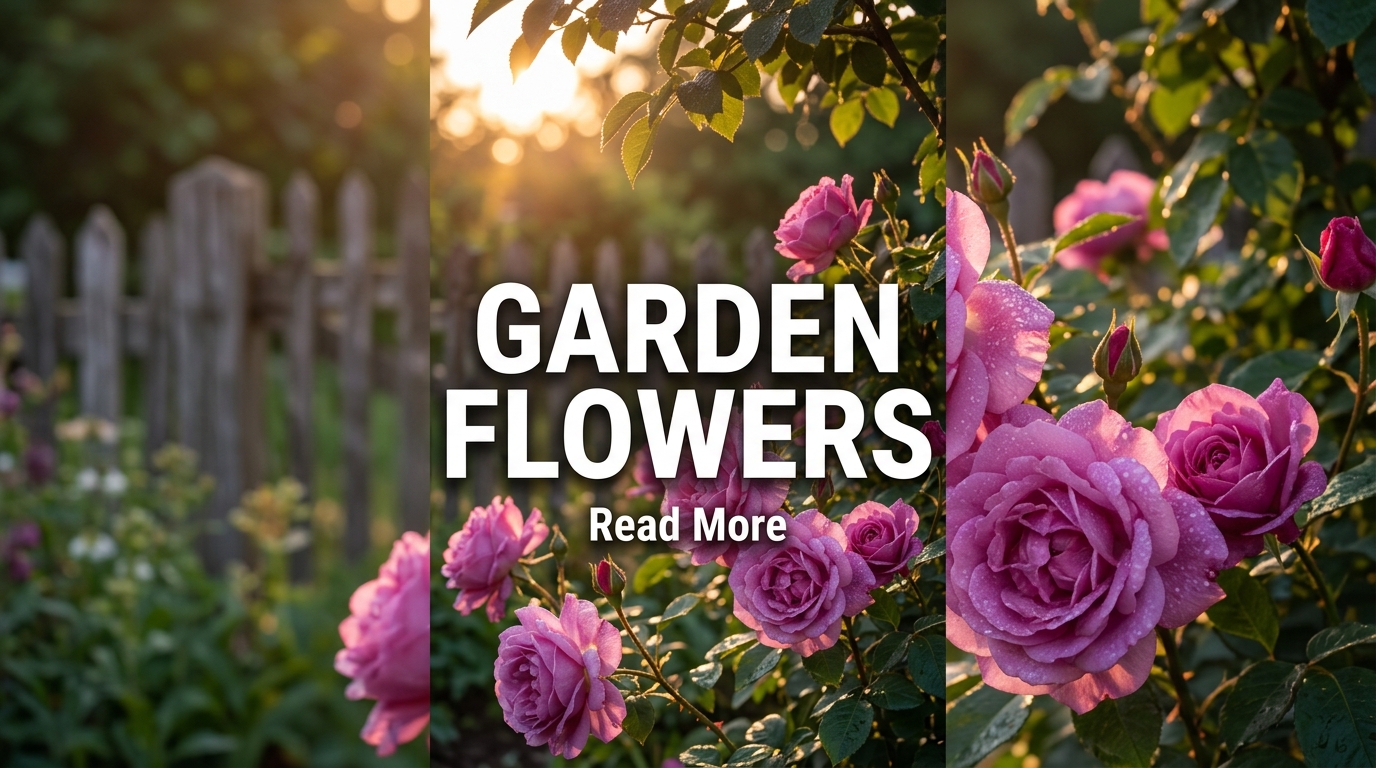
Flowers in a garden can completely transform an outdoor space with color, fragrance, texture, and seasonal interest. Whether you have a large backyard, a small courtyard, a front garden, or a few containers on a patio, the right flowers can make the space feel welcoming and full of life.
A beautiful flower garden does not have to be complicated. By combining plants with different heights, bloom times, colors, and textures, you can create a garden that looks attractive throughout the growing season. You can also mix flowers with vegetables, herbs, shrubs, trees, and decorative features for a more natural landscape.
1. Create a Colorful Flower Border
Plant flowers along the edge of a lawn, pathway, fence, or patio to create a defined garden border. Mix different heights and bloom periods so the border remains interesting throughout the seasons.
2. Design a Cottage Flower Garden
A cottage-style flower garden uses an informal mixture of colorful blooms and foliage. Roses, daisies, lavender, foxgloves, and other suitable flowers can create a relaxed and romantic appearance.
3. Plant Flowers Around a Tree
Turn the area around a mature tree into a beautiful planting bed. Use flowers that tolerate the shade and root conditions created by the tree, leaving appropriate space around the trunk.
4. Create a Small Flower Garden
Even a tiny patch can become a colorful garden. Combine compact flowering plants with attractive edging and a few decorative stones to create a simple focal point.
5. Add Flowers Along a Garden Path
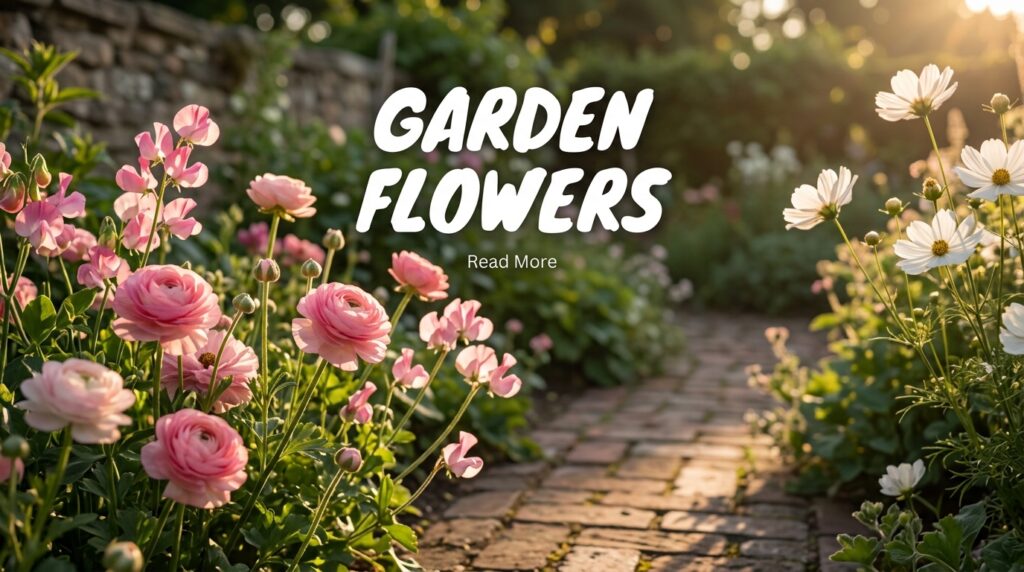
Flowers planted beside a pathway create a welcoming transition through the garden. Use low-growing plants near the walkway and taller flowers farther back.
6. Create a Butterfly Flower Garden
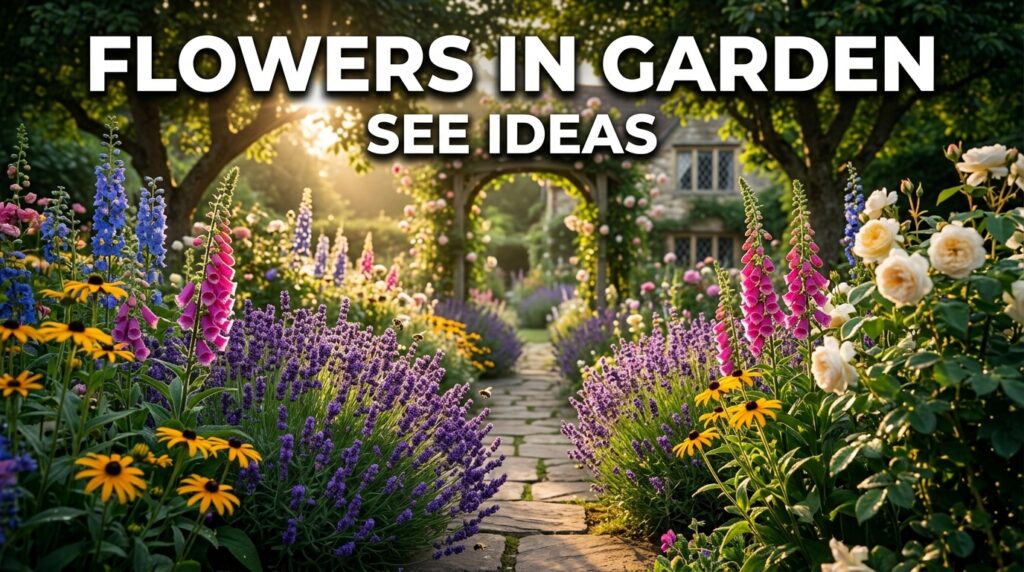
Choose nectar-rich flowers that can attract butterflies and other pollinators. Plant several types of flowers with different blooming periods to provide resources across the season.
7. Grow Roses in the Garden
Roses can become a dramatic focal point in a flower garden. Use them as shrubs, climbers, borders, or focal plants depending on the available space and growing conditions.
8. Plant a Wildflower Garden
A wildflower garden can provide a natural, informal appearance. Select flower species suitable for your region and allow the planting to develop a relaxed meadow-like character.
9. Create a White Flower Garden
A white-themed garden can look elegant and peaceful. Combine white flowers with green foliage, silver plants, and natural stone for a sophisticated monochromatic landscape.
10. Add Purple Flowers
Purple blooms can create a rich and calming color palette. Combine purple flowers with pink, white, or blue flowers to create different moods.
11. Create a Sunflower Garden
Sunflowers bring height and cheerful color to an outdoor space. Plant them toward the back of a flower bed or use them as a seasonal focal point.
12. Plant Flowers in Containers
Containers make it possible to grow flowers on patios, balconies, porches, and other small spaces. Mix plants with different heights and trailing habits for a layered display.
13. Create a Vertical Flower Garden
Use wall planters, hanging baskets, trellises, and vertical structures to grow flowers upward. This is an excellent option when horizontal space is limited.
14. Add Flowers to a Vegetable Garden
Flowers can make a vegetable garden more attractive while providing habitat and food sources for pollinators. Place flowering plants around vegetable beds or between suitable crops.
15. Create a Formal Flower Garden
Formal gardens typically use symmetrical layouts, defined borders, repeated plantings, and carefully organized shapes. Use flowers consistently to create a polished appearance.
16. Design a Romantic Garden
Combine roses, soft-colored flowers, climbing plants, arbors, and comfortable seating for a romantic garden atmosphere. Curved pathways can make the design feel more natural.
17. Add Flowers Around a Patio
Surround a patio with flowering containers and garden beds to soften hard surfaces. Use plants that tolerate the sunlight and heat of the specific location.
18. Create a Fragrant Flower Garden
Choose flowers known for their fragrance and place them near seating areas, entrances, or pathways. This allows you to enjoy their scent as you move through the garden.
19. Plant a Pollinator Garden
Use a diverse mixture of flowering plants to support bees, butterflies, and other pollinators. Select flowers with different shapes and flowering periods to create a varied habitat.
20. Create a Flower Garden Along a Fence
A fence provides a natural backdrop for colorful plants. Place taller flowers near the fence and shorter varieties toward the front to create a layered effect.
21. Use Raised Flower Beds
Raised beds can define flower areas and make planting easier to organize. They work well in both modern and traditional landscapes.
22. Create a Circular Flower Bed
A circular flower bed can become a focal point in the center of a lawn or courtyard. Use repeating flowers around the perimeter and taller plants toward the middle.
23. Add Climbing Flowers
Climbing roses, clematis, jasmine, and other suitable climbers can cover arches, trellises, pergolas, and fences. Vertical flowers add height without requiring much ground space.
24. Create a Blue Flower Garden
Blue flowers can produce a cool and peaceful appearance. Combine them with white flowers and soft green foliage for a refreshing garden palette.
25. Mix Annuals and Perennials
Combining annual and perennial flowers can provide both seasonal flexibility and long-term structure. Annuals can add changing colors while established perennials return year after year in suitable climates.
26. Create a Front Yard Flower Garden

A flower garden in the front yard can improve curb appeal. Use structured borders near the entrance and repeat a few favorite flowers throughout the landscape for visual consistency.
27. Plant Flowers Beside a Garden Bench
Surrounding a bench with flowers creates a beautiful place to sit and enjoy the garden. Add fragrant plants nearby to make the seating area even more inviting.
28. Create a Shady Flower Garden
Not every garden needs full sun. Use flowering plants that are suited to shade or partial shade and combine them with attractive foliage plants for texture.
29. Add Flowers to a Rock Garden
Combine drought-tolerant flowers with stones, gravel, and low-growing plants. This style works particularly well for sunny spaces with well-drained soil.
30. Create a Seasonal Flower Garden
Plan your garden around different flowering seasons. Choose plants that bloom at different times so one group can take over as another finishes.
31. Use Flowering Ground Covers
Ground-cover flowers can fill spaces between larger plants and help create a carpet-like effect. They are useful for softening pathways, rock gardens, and garden borders.
32. Create a Moon Garden
A moon garden emphasizes plants with white or pale flowers and silvery foliage that stand out in evening light. Add subtle outdoor lighting to enhance the atmosphere after sunset.
33. Plant Flowers in a Wheelbarrow
An old wheelbarrow can become a charming flower planter. Fill it with seasonal flowers and position it near a garden entrance, patio, or pathway.
34. Create a Fairy Flower Garden
Add small flowers, moss, miniature accessories, stones, and tiny pathways to create a whimsical fairy-garden atmosphere. Keep the scale consistent for a more convincing design.
35. Combine Flowers With Greenery
Flowers look especially attractive when surrounded by foliage. Combine colorful blooms with shrubs, grasses, ferns, herbs, or ornamental leaves to create depth and contrast.
How to Plan Flowers in a Garden
Start by studying the available sunlight. Some flowers need full sun, while others perform better in partial shade or shaded conditions.
Next, consider soil, drainage, climate, and watering needs. Group plants with similar requirements together so maintenance is easier.
Think about mature plant height as well. Place tall flowers toward the back of borders and shorter varieties toward the front. In island beds, taller plants can be positioned toward the center.
Finally, plan for different flowering periods. Combining early, mid-season, and late-season bloomers can keep your garden colorful for longer.
Best Flowers for a Garden
The best flowers depend on your climate and growing conditions, but popular choices include:
- Roses
- Marigolds
- Zinnias
- Sunflowers
- Lavender
- Daisies
- Petunias
- Cosmos
- Coneflowers
- Nasturtiums
- Tulips
- Daffodils
- Hydrangeas
- Clematis
- Geraniums
Always check whether a particular flower is appropriate for your local climate and the amount of sunlight available.
Flowers in Small Garden Spaces
When space is limited, choose compact varieties and use vertical structures. Containers, hanging baskets, wall planters, and narrow borders can provide plenty of planting opportunities.
A small garden can also benefit from repetition. Rather than buying many unrelated flower varieties, repeat a few complementary plants throughout the space to make the garden feel larger and more cohesive.
Flower Garden Color Ideas
Color can strongly influence the mood of your garden.
A pink and white garden creates a soft romantic appearance. A purple and blue garden feels cool and calming. Bright combinations of yellow, orange, and red create an energetic atmosphere.
For a sophisticated design, combine one dominant color with one or two supporting colors instead of using every available shade.
How to Keep a Flower Garden Beautiful
Remove spent flowers when appropriate to encourage continued blooming in plants that respond to deadheading. Water according to the needs of each plant and avoid creating consistently waterlogged soil.
Keep weeds under control and monitor plants regularly for signs of pests or disease. Mulching can help conserve soil moisture and reduce weed growth while giving planting beds a finished appearance.
Common Flower Garden Mistakes
Planting Without Checking Sunlight
A flower may fail to thrive simply because it receives the wrong amount of sunlight. Check its light requirements before planting.
Overcrowding Plants
Young plants can look small when purchased but may become much larger. Give each variety adequate space to reach its mature size.
Choosing Too Many Colors
An excessive mixture of unrelated colors can make a small garden look chaotic. Select a coordinated palette.
Ignoring Bloom Times
If every flower blooms at the same time, the garden may lose much of its color afterward. Include plants with different flowering periods.
Forgetting Maintenance
A beautiful flower garden still requires watering, pruning, weeding, feeding, and occasional pest monitoring. Choose plants that fit the amount of care you can provide.
Frequently Asked Questions
What flowers are best for a garden?
Roses, zinnias, marigolds, sunflowers, daisies, lavender, cosmos, petunias, and coneflowers are popular choices, but the best flowers depend on your local climate and garden conditions.
How do I make my flower garden look beautiful?
Use a balanced combination of flower colors, plant heights, foliage textures, pathways, borders, and focal points. Repeating selected plants can also make the design more cohesive.
How many flowers should I plant in a garden?
There is no single ideal number. Choose plants according to the available space and their mature size, leaving enough room for healthy growth and airflow.
Can flowers grow with vegetables?
Yes. Flowers can be incorporated into many vegetable gardens. They can add beauty and provide habitat and food sources for pollinators.
How do I maintain flowers in a garden?
Provide suitable sunlight and water, prepare healthy soil, remove weeds, monitor for pests, prune when appropriate, and deadhead flowering plants when beneficial.
Final Thoughts
Flowers in a garden bring color, fragrance, texture, and personality to outdoor spaces of almost every size. From a tiny container display to a large cottage-style landscape, there are endless ways to use flowering plants creatively.
The most successful flower gardens begin with the right plants for the location. Consider sunlight, soil, climate, mature size, watering needs, and flowering periods before planting. Then combine your favorite colors and textures to create a garden that feels beautiful and personal throughout the seasons.