 By John
A vegetables garden is a wonderful way to bring fresh, homegrown produce into your daily life while making your outdoor space more useful and attractive. Whether you have a large backyard, a small garden, a patio, or only a few containers, you can create a productive growing area with thoughtful planning.
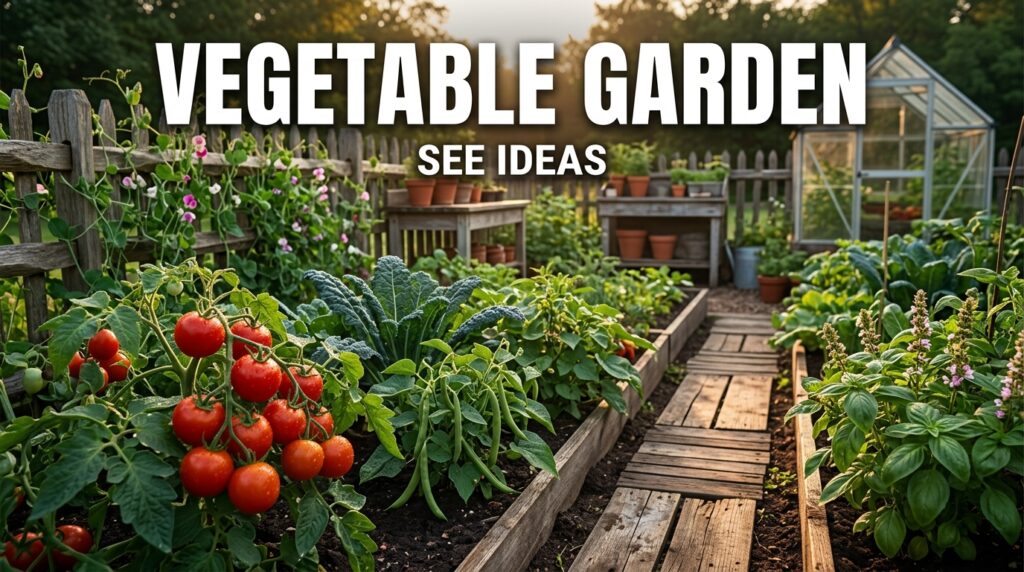
A successful vegetables garden does not need to look plain or purely functional. Raised beds, pathways, trellises, containers, garden arches, colorful flowers, and attractive borders can turn a productive growing space into a beautiful landscape feature.
From simple backyard vegetable plots to compact container gardens, these vegetables garden ideas can help you create an organized and productive space for growing your favorite crops.
1. Create Raised Vegetable Beds
Raised beds make it easier to organize vegetables and maintain healthy growing soil. Arrange several rectangular beds with narrow pathways between them for convenient planting, watering, and harvesting.
2. Design a Square Vegetable Garden
A square layout is simple to plan and works well in many backyards. Divide the area into smaller planting sections and assign each section to different vegetables.
3. Try Square Foot Gardening
Square foot gardening is ideal when space is limited. Divide a raised bed into small sections and grow different crops according to their mature size.
4. Create a Backyard Vegetable Garden
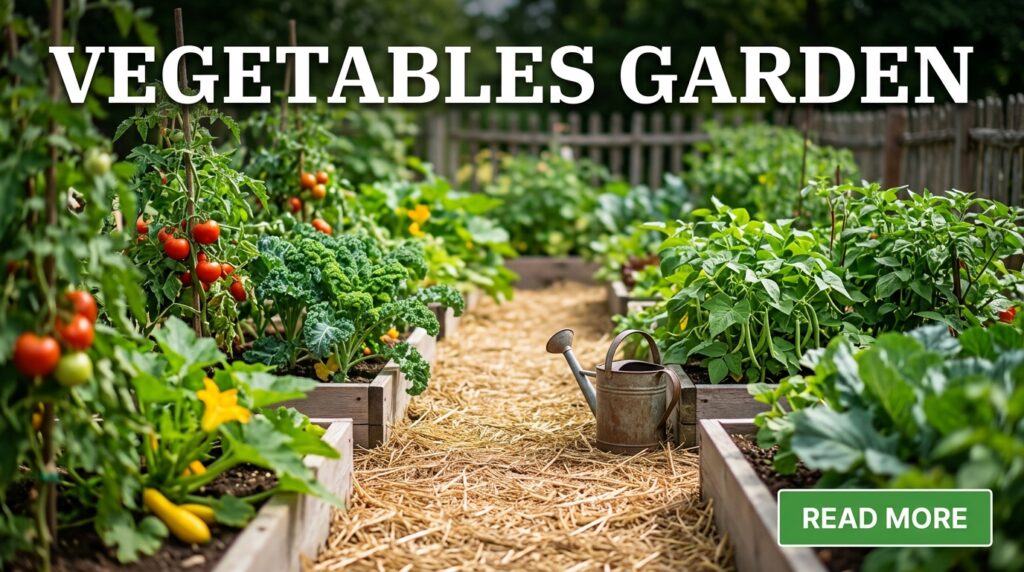
Use an unused section of your backyard to create a dedicated growing area. Add a simple fence or border to separate vegetables from lawns and ornamental planting.
5. Grow Vegetables in Containers
Containers allow you to grow vegetables on patios, balconies, decks, and small courtyards. Tomatoes, peppers, lettuce, carrots, radishes, and herbs can all be grown in suitable containers.
6. Build a Vertical Vegetable Garden
Vertical gardening allows crops to grow upward rather than spreading across the ground. Use trellises, arches, fences, and wall supports for beans, peas, cucumbers, and climbing vegetables.
7. Create a Kitchen Garden
Place commonly used vegetables and herbs close to your kitchen. Basil, parsley, tomatoes, peppers, lettuce, chives, and other useful crops can form a convenient edible garden.
8. Add a Vegetable Garden Fence
A fence can define the growing area and help protect plants from animals. Wooden picket fencing, wire fencing, or decorative metal designs can also add character.
9. Create a Cottage-Style Vegetable Garden
Mix vegetables with flowers, herbs, rustic edging, and informal pathways. This creates a charming cottage garden that combines beauty with productivity.
10. Grow Tomatoes Vertically
Tomatoes can take up considerable space when left unsupported. Use stakes, cages, or trellises to keep plants upright and make harvesting easier.
11. Add a Cucumber Trellis
Train cucumber vines onto a sturdy trellis to save ground space. Vertical growth can also improve airflow and make mature fruit easier to find.
12. Grow Climbing Beans
Climbing beans are excellent for vertical gardens. Install a strong support structure and allow vines to grow upward while using the soil below for compact crops.
13. Create a Small Vegetable Garden
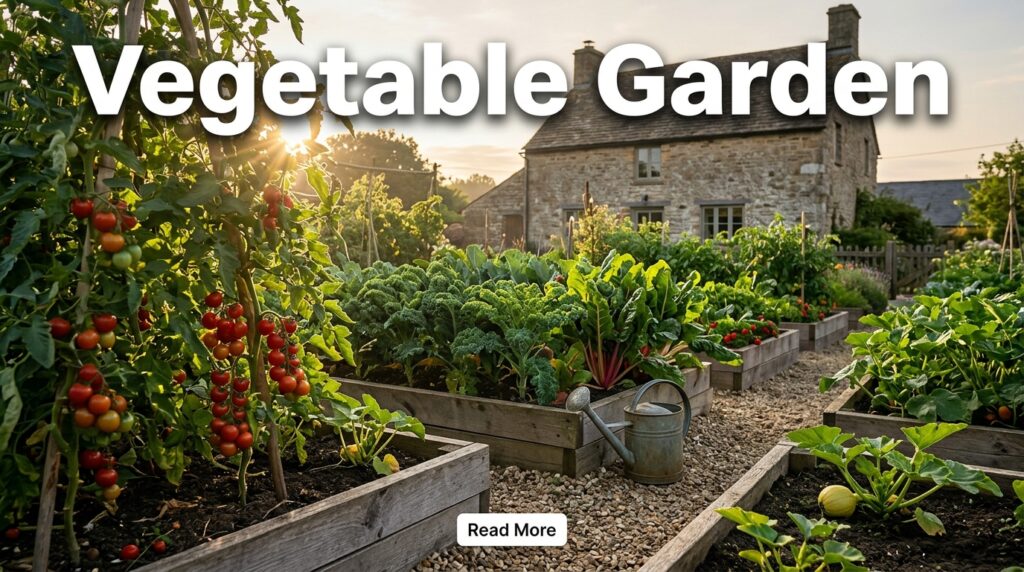
A small vegetable garden can still produce a useful harvest. Focus on crops your household enjoys and choose compact varieties that suit your available space.
14. Build an L-Shaped Vegetable Garden
An L-shaped layout makes good use of corners and can work particularly well along fences or the side of a house. Leave enough space to comfortably reach every planting area.
15. Add a Vegetable Garden Path
Paths make maintenance and harvesting easier. Use gravel, stepping stones, brick, wood chips, or another suitable material to create access between planting beds.
16. Create a Vegetable Garden With Flowers
Flowers can add color and visual interest to a productive garden. Plant suitable flowers along borders or between compatible crops to create a more attractive landscape.
17. Design a Pollinator-Friendly Vegetable Garden
Include flowering plants that provide food and habitat for pollinators. A diverse garden can be both productive and supportive of local wildlife.
18. Use Companion Planting
Companion planting combines plants that can share growing space effectively. Mix vegetables, herbs, and flowers according to their growing requirements and available room.
19. Grow Leafy Greens
Lettuce, spinach, kale, and other leafy greens can be useful crops for small gardens. They can often be grown in beds or containers and harvested as needed.
20. Plant Root Vegetables
Carrots, radishes, beets, and similar crops can make good use of underground growing space. Deep containers and well-prepared soil can work especially well for root crops.
21. Create a Vegetable Garden Along a Fence
A fence can provide a convenient boundary and support for climbing plants. Position taller crops carefully so they do not block sunlight from shorter vegetables.
22. Build Tiered Vegetable Planters
Tiered planters allow multiple growing levels within a compact area. Use the upper sections for smaller crops and arrange the structure where every level receives appropriate sunlight.
23. Create a Patio Vegetable Garden
Turn a sunny patio into an edible growing area with containers and raised planters. Group pots together to create a visually cohesive mini vegetable garden.
24. Grow Herbs With Vegetables
Herbs can fill small gaps around vegetable plants. Basil, thyme, parsley, chives, oregano, and other culinary herbs can make the garden more useful.
25. Add a Garden Arch
A garden arch can support climbing vegetables while creating a beautiful entrance. Beans, peas, and suitable cucumber varieties can be trained over the structure.
26. Create a Greenhouse Vegetable Garden
A greenhouse can provide a protected environment for seedlings and selected crops. It can also help extend the growing season where local conditions allow.
27. Use Recycled Containers
Old containers can sometimes be repurposed into vegetable planters. Make sure they are clean, safe for growing food, appropriately sized, and equipped with adequate drainage.
28. Create a Keyhole Vegetable Garden
A keyhole design uses a compact circular planting bed with an access path toward the center. This layout provides easy access to many plants without requiring large pathways.
29. Use Succession Planting
Instead of leaving harvested areas empty, plant another suitable crop when conditions permit. Succession planting can help you make better use of limited garden space.
30. Grow Vegetables in Hanging Planters
Some compact edible plants can be grown in hanging containers. Hanging planters are especially useful when ground space is scarce.
31. Create a Modern Vegetable Garden
Use geometric raised beds, clean pathways, simple planters, and restrained materials for a contemporary look. Repeating shapes can make the garden feel organized.
32. Design a Rustic Vegetable Garden
Use wooden beds, natural stone, weathered containers, gravel paths, and informal planting for a rustic appearance. The style works especially well in country and cottage landscapes.
33. Create a Children’s Vegetable Garden
Give children a small dedicated growing area where they can plant easy-to-manage crops. Simple raised beds, colorful labels, and accessible pathways can make gardening more engaging.
34. Add Decorative Garden Labels
Label vegetables and herbs with attractive signs or markers. Wooden, slate, ceramic, and metal labels can provide useful information while adding personality.
35. Create an Organized Vegetable Garden Layout
Use clearly defined beds, pathways, containers, and support structures. Group plants according to their size, sunlight requirements, and watering needs to create a productive and easy-to-maintain garden.
How to Start a Vegetables Garden
Begin by choosing a location with suitable sunlight and convenient access to water. Most vegetables require significant sunlight, although specific requirements vary between crops.
Prepare the soil by improving its structure and fertility according to your local conditions. If using containers or raised beds, select a suitable growing medium and make sure excess water can drain away.
Choose a manageable number of vegetables for your first planting. Growing too many crops at once can make a small garden difficult to maintain.
Create a simple layout before planting. Consider the mature size of each crop, its sunlight requirements, and how frequently you will need to harvest it.
Best Vegetables for a Garden
The best crops depend on your climate, season, soil, and available space. Popular choices include:
- Tomatoes
- Peppers
- Cucumbers
- Carrots
- Radishes
- Lettuce
- Spinach
- Kale
- Beans
- Peas
- Beets
- Onions
- Zucchini
- Eggplant
- Herbs
Choose varieties that are appropriate for your local growing conditions and available garden space.
Small Vegetables Garden Ideas
If you have limited space, focus on crops that provide a useful harvest without requiring excessive room. Leafy greens, herbs, radishes, carrots, peppers, and compact tomatoes can be practical choices.
Use vertical supports for climbing crops and containers for awkward corners. Raised beds can also make small gardens easier to organize.
Avoid filling every inch of soil. Leaving enough room to walk, water, harvest, and inspect plants will make the garden much more enjoyable.
Vegetable Garden Layout Ideas
A good layout should combine productivity with accessibility.
Place tall crops toward the northern or otherwise appropriate side of the garden when possible so they are less likely to shade shorter plants. Use trellises along boundaries and keep frequently harvested crops close to pathways.
Group plants with similar watering and care requirements together. This makes daily maintenance more efficient.
For small spaces, square-foot, rectangular, L-shaped, and vertical layouts can make excellent use of limited room.
How to Make a Vegetable Garden Beautiful
A vegetable garden can be both productive and decorative. Use attractive edging, defined pathways, wooden raised beds, decorative trellises, and flowering plants to create visual interest.
Repeat materials throughout the garden for a cohesive appearance. For example, use the same type of wood for raised beds, garden signs, and trellises.
Keep weeds under control and remove damaged foliage regularly. An organized garden will naturally look more attractive.
How to Maximize Vegetable Garden Space
Use vertical supports whenever possible. Climbing beans, peas, cucumbers, and suitable tomatoes can grow upward while leaving valuable ground space for other crops.
Containers can fill small gaps, while succession planting allows the same area to produce several crops over time.
You can also combine fast-growing crops with slower-growing plants when their growth habits and requirements are compatible.
Common Vegetables Garden Mistakes
Planting Too Much
Starting with too many crops can make maintenance overwhelming. Begin with a manageable selection and expand gradually.
Ignoring Plant Spacing
Crowded plants may compete for light, water, nutrients, and airflow. Follow spacing recommendations for the varieties you grow.
Choosing the Wrong Location
Insufficient sunlight can limit the performance of many vegetables. Observe your garden before deciding where to place the beds.
Poor Drainage
Excess moisture can create problems for many vegetables. Make sure raised beds and containers have appropriate drainage.
Forgetting Crop Rotation
Growing the same crop family repeatedly in the same soil can contribute to certain pest and disease problems. Where practical, rotate crop families between growing areas.
Making the Garden Difficult to Access
A garden that is difficult to reach can become difficult to maintain. Include practical paths and leave enough room between beds.
Frequently Asked Questions
What is a vegetables garden?
A vegetables garden is an area specifically used for growing edible vegetable crops. It can be located in a backyard, raised bed, container, greenhouse, patio, balcony, or other suitable growing space.
What vegetables are easiest to grow?
Depending on your climate and season, crops such as radishes, lettuce, leafy greens, beans, herbs, peppers, and tomatoes can be approachable choices for home gardeners.
How much space is needed for a vegetable garden?
A vegetable garden can be created in a few containers or a small raised bed. The amount of space needed depends on the crops you want to grow and their mature sizes.
How can I make my vegetable garden more productive?
Use suitable varieties, healthy soil, efficient spacing, vertical supports, succession planting, and consistent maintenance. Matching crops to local growing conditions is also important.
Can I grow vegetables in containers?
Yes. Many vegetables can grow successfully in containers when the container is appropriately sized, has drainage, and provides suitable soil, sunlight, water, and nutrients.
Final Thoughts
A vegetables garden can provide fresh produce while adding purpose and beauty to your outdoor space. You do not need a huge backyard to begin growing food. Even a few containers, a compact raised bed, or a small sunny corner can become a productive garden.
Start with vegetables you enjoy eating, choose varieties suited to your conditions, and create a layout that makes watering and harvesting convenient. With raised beds, vertical supports, containers, attractive pathways, and thoughtful planting, your vegetables garden can become one of the most rewarding parts of your landscape.