
 By John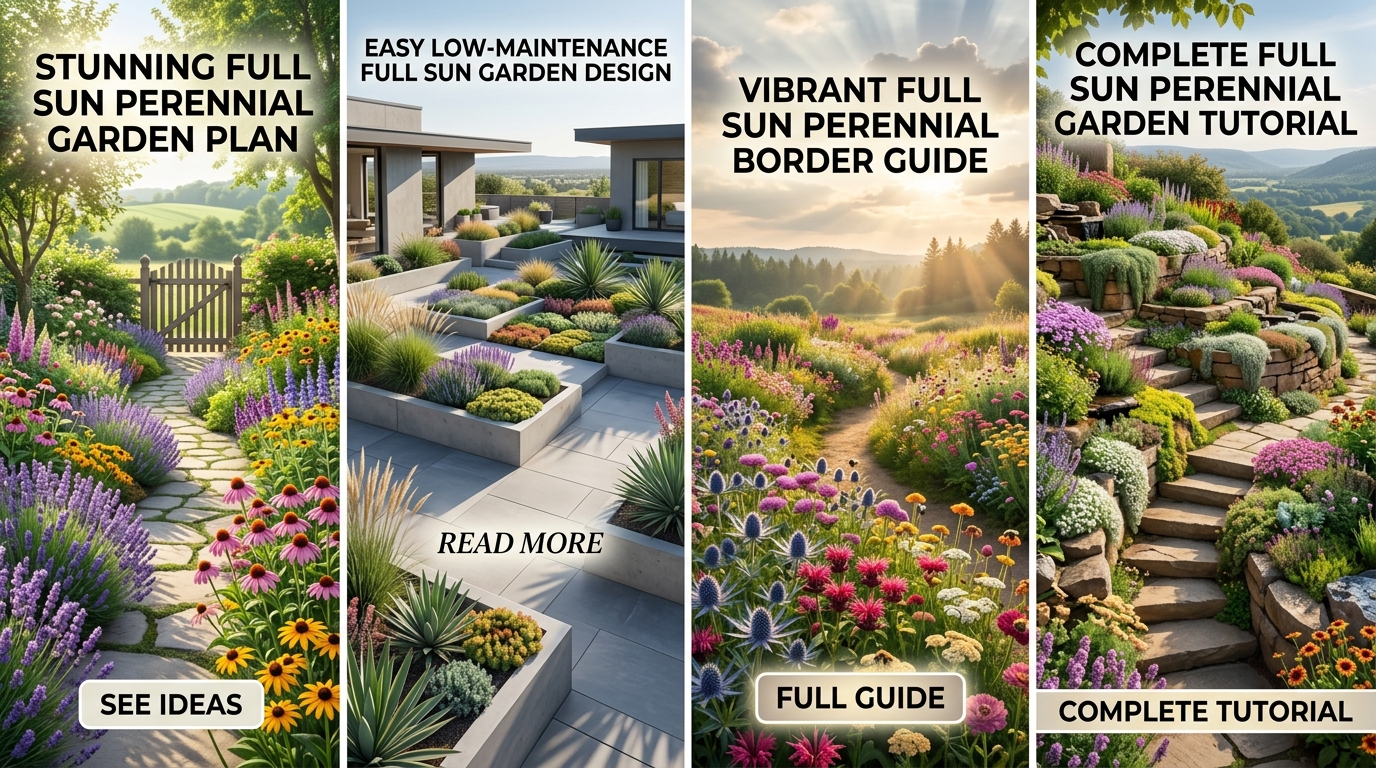
Full Sun Perennial Garden Plan: Best Flowers, Layout Ideas, and Year-Round Blooming Garden Design
A full sun perennial garden plan is one of the best ways to create a vibrant, colorful, and low-maintenance landscape that returns year after year. Perennials are plants that live for multiple growing seasons, making them an excellent investment for homeowners who want lasting beauty without replanting every spring. When combined with thoughtful planning and the right plant selection, a sunny garden can provide continuous blooms, attract pollinators, and enhance your outdoor living space.
Full sun gardens receive at least six to eight hours of direct sunlight daily, allowing many flowering perennials to thrive. From cheerful coneflowers and fragrant lavender to hardy black-eyed Susans and elegant salvias, there are countless perennial plants that flourish in bright conditions while requiring relatively little maintenance.
This complete guide explores everything you need to know about creating a full sun perennial garden plan, including layout ideas, plant selection, soil preparation, seasonal care, companion planting, and maintenance tips.
Why Choose a Full Sun Perennial Garden?
Perennial gardens offer long-term beauty and practical benefits.
Advantages include:
- Flowers return every year
- Lower maintenance
- Reduced planting costs
- Long blooming seasons
- Supports pollinators
- Improves curb appeal
- Creates colorful landscapes
- Increases biodiversity
A well-designed perennial garden becomes more attractive as plants mature.
Understanding Full Sun Conditions
Full sun means plants receive:
- Six to eight hours of direct sunlight
- Warm soil temperatures
- Good air circulation
- Plenty of light for flowering
Always match plants to your local climate and sunlight conditions.
Planning Your Garden
Before planting, consider:
- Garden size
- Soil quality
- Drainage
- Sun exposure
- Color scheme
- Bloom times
- Mature plant height
- Maintenance needs
A thoughtful layout ensures continuous color throughout the growing season.
Prepare the Soil
Healthy soil supports vigorous perennial growth.
Improve your garden by:
- Adding compost
- Removing weeds
- Loosening compacted soil
- Improving drainage
- Testing soil pH if necessary
Rich soil encourages stronger roots and healthier plants.
Design Your Garden in Layers
Arrange plants according to height.
Back of the Border
Choose taller plants such as:
- Joe Pye Weed
- Hollyhocks
- Delphiniums
- Russian Sage
Middle Layer
Include medium-height flowers like:
- Coneflowers
- Shasta Daisies
- Black-Eyed Susans
- Salvias
Front Border
Plant shorter perennials such as:
- Coreopsis
- Dianthus
- Creeping Phlox
- Lavender
Layering creates depth and visual balance.
Coneflowers
Coneflowers are among the most dependable full sun perennials.
Benefits include:
- Long blooming season
- Drought tolerance
- Pollinator-friendly flowers
- Easy maintenance
They bloom from summer into autumn.
Black-Eyed Susans
These cheerful flowers brighten sunny landscapes.
Advantages include:
- Bright yellow blooms
- Long flowering period
- Excellent pollinator support
- Easy care
Pair them with purple flowers for striking contrast.
Lavender
Lavender provides fragrance and beauty.
Benefits include:
- Aromatic foliage
- Bee attraction
- Drought tolerance
- Evergreen appearance in mild climates
Plant lavender near pathways or seating areas.
Salvia
Salvia produces colorful flower spikes.
Popular varieties include:
- Blue Salvia
- Purple Salvia
- Red Salvia
These flowers bloom for months with regular deadheading.
Daylilies
Daylilies thrive in sunny gardens.
Advantages include:
- Wide color range
- Easy maintenance
- Reliable blooming
- Excellent hardiness
Divide plants every few years for continued vigor.
Shasta Daisies
Classic white flowers provide timeless charm.
Benefits include:
- Summer blooms
- Attractive cut flowers
- Pollinator support
- Bright appearance
They pair well with nearly every perennial.
Coreopsis
Coreopsis produces abundant yellow flowers.
Advantages include:
- Long bloom time
- Heat tolerance
- Compact growth
- Easy maintenance
Ideal for borders and edging.
Russian Sage
Russian Sage adds texture and height.
Features include:
- Silvery foliage
- Purple flowers
- Drought resistance
- Long blooming season
It thrives in hot, sunny locations.
Ornamental Grasses
Grasses provide movement and structure.
Popular options include:
- Feather Reed Grass
- Switchgrass
- Little Bluestem
- Fountain Grass
They create year-round interest.
Pollinator-Friendly Plants
Support bees and butterflies by including:
- Bee Balm
- Yarrow
- Coneflowers
- Lavender
- Milkweed
- Salvia
Pollinator gardens increase biodiversity.
Companion Planting
Combine plants with similar needs.
Excellent combinations include:
- Coneflowers and Black-Eyed Susans
- Lavender and Salvia
- Daylilies and Coreopsis
- Yarrow and Russian Sage
Companion planting creates attractive, balanced displays.
Add Evergreen Structure
Provide year-round interest with:
- Boxwood
- Juniper
- Dwarf Spruce
- Holly
Evergreens maintain structure during winter.
Mulching the Garden
Apply mulch to:
- Retain moisture
- Reduce weeds
- Regulate soil temperature
- Improve soil quality
Organic mulch also enriches the soil over time.
Watering Perennials
Newly planted perennials need regular watering.
Once established:
- Water deeply
- Avoid shallow watering
- Water early in the day
Many sun-loving perennials become drought tolerant.
Seasonal Garden Care
Spring
- Remove winter mulch
- Fertilize lightly
- Divide overcrowded plants
Summer
- Water during dry periods
- Deadhead flowers
- Remove weeds
Autumn
- Cut back spent stems
- Add compost
- Plant new perennials
Winter
- Leave ornamental grasses for interest
- Protect young plants
- Plan future additions
Seasonal care keeps the garden healthy year after year.
Small Full Sun Garden Plans
Limited space can still support beautiful perennial displays.
Ideas include:
- Raised beds
- Curved borders
- Corner gardens
- Foundation planting
- Container perennials
Compact layouts maximize color in smaller landscapes.
Sustainable Gardening
Create an environmentally friendly perennial garden by using:
- Native plants
- Compost
- Rainwater collection
- Organic mulch
- Drip irrigation
Sustainable practices reduce maintenance while improving plant health.
Common Design Mistakes
Avoid these common issues:
- Overcrowding plants
- Ignoring mature size
- Poor drainage
- Lack of seasonal variety
- Overwatering
- Choosing incompatible plants
Good planning creates healthier gardens.
Maintenance Tips
Keep your perennial garden thriving by:
- Dividing plants every few years
- Deadheading spent blooms
- Refreshing mulch annually
- Feeding lightly
- Removing weeds regularly
- Monitoring for pests
Routine care encourages continuous flowering.
Frequently Asked Questions
What flowers grow best in full sun?
Coneflowers, Black-Eyed Susans, Lavender, Salvia, Daylilies, Shasta Daisies, Coreopsis, Bee Balm, and Yarrow all thrive in full sun.
How much sunlight does a full sun perennial garden need?
Most full sun perennials require at least six to eight hours of direct sunlight every day.
Are perennial gardens low maintenance?
Yes. Once established, perennial gardens generally require less maintenance than annual flower beds because plants return each year.
How do I keep flowers blooming all season?
Choose plants with different bloom times, deadhead spent flowers, water during dry periods, and feed plants appropriately.
Can I create a perennial garden in a small backyard?
Absolutely. Raised beds, borders, compact plant varieties, and thoughtful spacing allow beautiful perennial gardens in even the smallest outdoor spaces.
Conclusion
A full sun perennial garden plan offers an easy way to create a colorful, long-lasting landscape that provides beauty throughout the growing season and returns year after year. By combining reliable flowering perennials, ornamental grasses, evergreen shrubs, and pollinator-friendly plants, you can design a vibrant outdoor space that requires relatively little maintenance.
Whether you’re planting a large backyard border or a small front garden, thoughtful planning, healthy soil, proper spacing, and seasonal care will ensure your perennial garden thrives for many years. With the right mix of plants, your sunny landscape will become a beautiful destination filled with color, texture, wildlife, and year-round appeal.