
 By John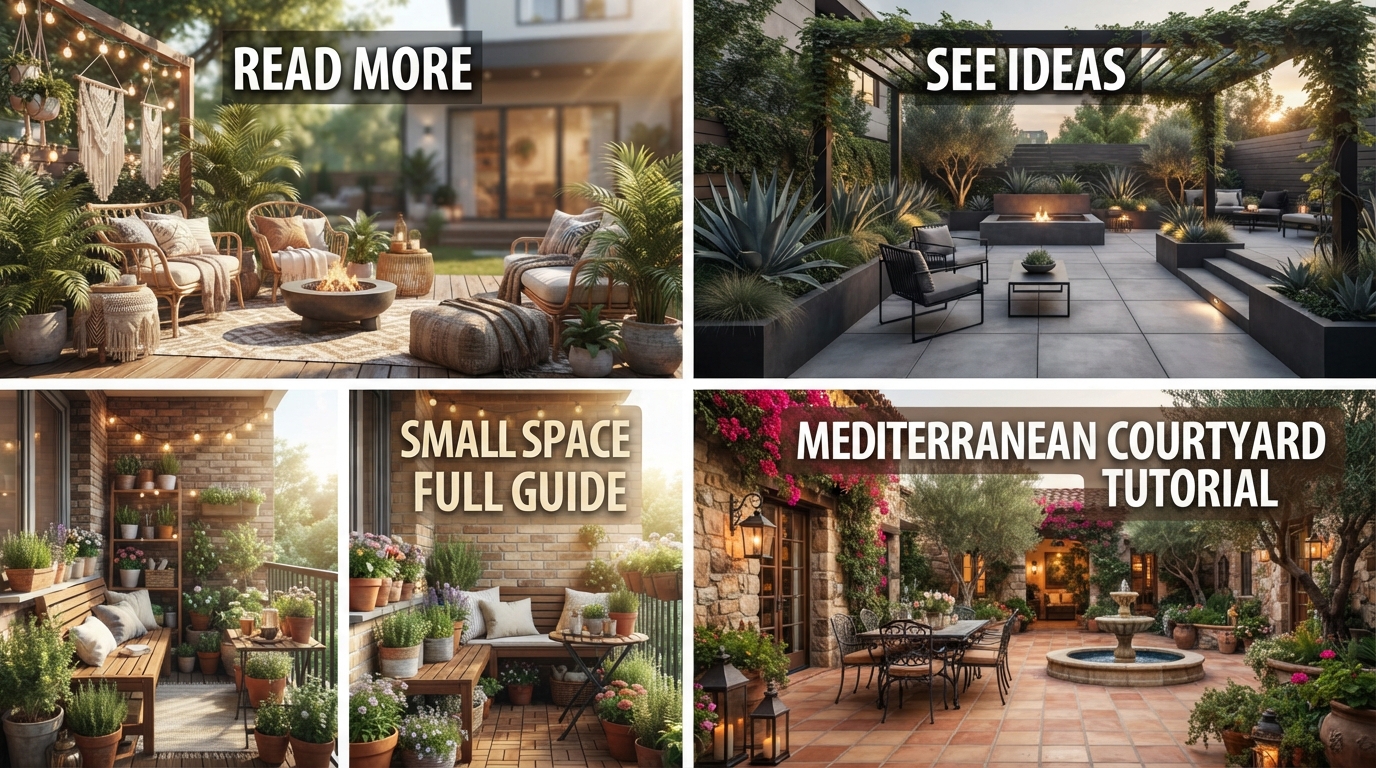
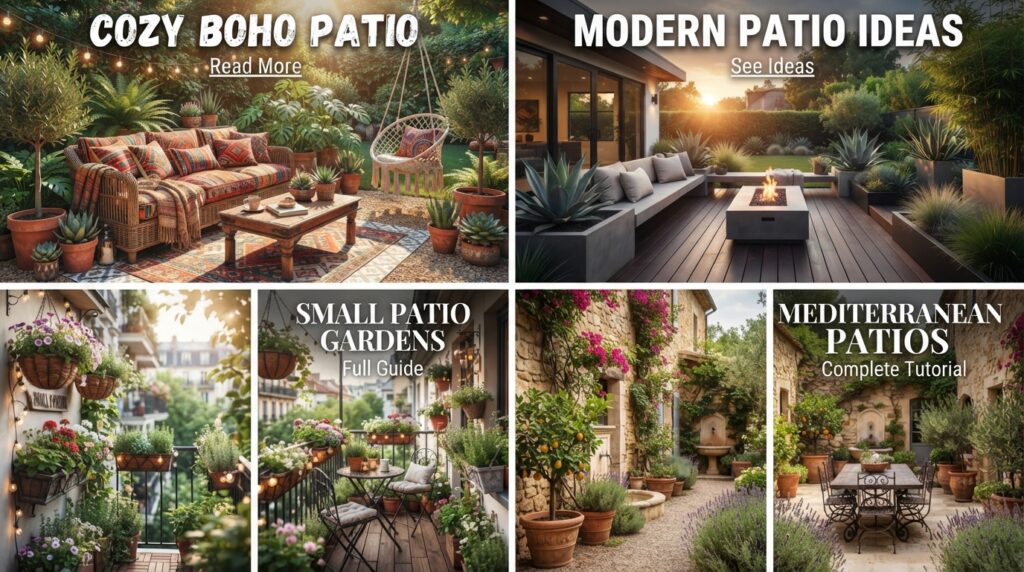
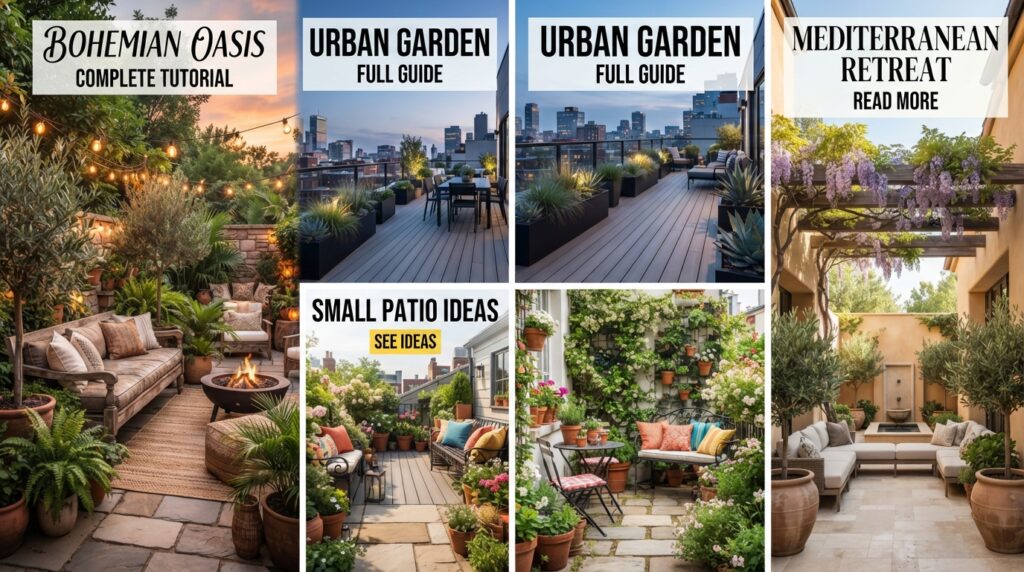
Patio garden design can transform even a compact outdoor area into a beautiful and functional garden retreat. With the right combination of plants, containers, seating, paving, lighting, and vertical features, a patio can become an inviting space for relaxing, dining, entertaining, and enjoying nature.
Whether you have a tiny courtyard patio, a large backyard terrace, or a narrow paved area, thoughtful garden design can make the space feel greener, more comfortable, and visually connected to the rest of your home.
What Is Patio Garden Design?
Patio garden design is the process of combining hardscape and planting to create a functional outdoor living area.
Common elements include:
- Patio paving
- Container plants
- Flower beds
- Garden furniture
- Raised planters
- Vertical gardens
- Privacy screens
- Pergolas
- Outdoor lighting
- Water features
- Decorative stones
The best patio designs balance usable space with greenery without making the area feel overcrowded.
Benefits of a Patio Garden
Creates an Outdoor Living Space
A patio can function as an outdoor dining room, lounge, or entertainment area.
Adds Greenery
Plants soften hard paving and create a stronger connection with nature.
Works in Small Spaces
Containers and vertical planting make gardening possible even where ground space is limited.
Adds Privacy
Plants, screens, and trellises can help create a more secluded outdoor environment.
Increases Visual Appeal
Coordinated paving, furniture, plants, and lighting can make a patio feel like an intentional garden room.
1. Small Patio Garden Design
Use compact furniture and a limited number of large containers rather than filling every available corner with small pots.
Choose plants that provide height without taking up excessive floor space.
2. Modern Patio Garden
Create a contemporary look using:
- Clean-lined paving
- Minimalist furniture
- Architectural plants
- Gravel
- Concrete planters
- Simple lighting
Keep the color palette restrained for a polished appearance.
3. Cozy Patio Garden
Make a small patio feel comfortable with soft seating, potted plants, warm lighting, cushions, and a compact table.
Use plants around the perimeter while keeping the center open.
4. Cottage Patio Garden
Combine natural stone, brick, timber furniture, roses, herbs, lavender, and informal flowering plants.
Allow some plants to spill naturally over containers and borders.
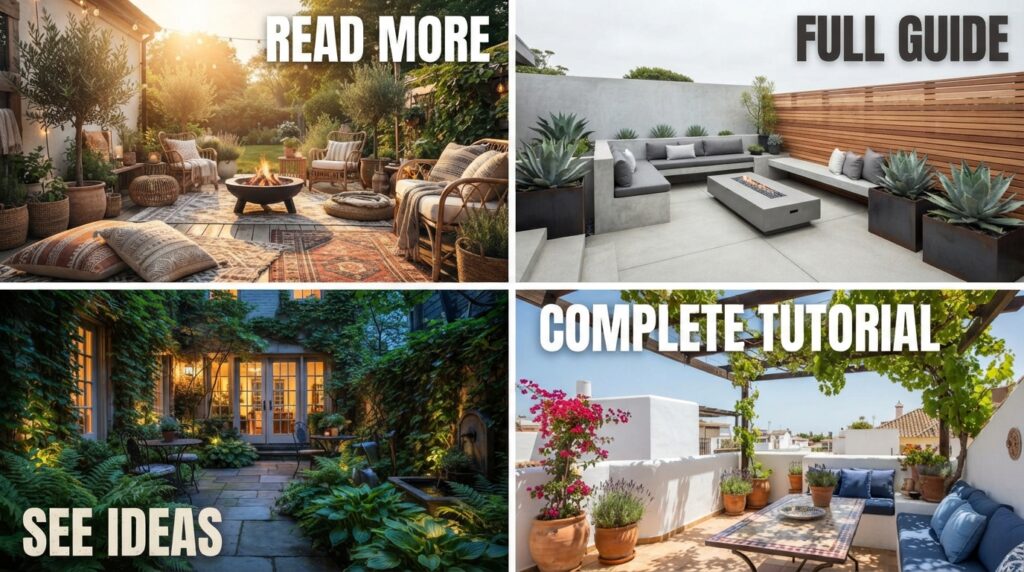
5. Mediterranean Patio Garden
Use terracotta pots, gravel, stone, herbs, and drought-tolerant plants where appropriate.
Olive trees, lavender, rosemary, and citrus can contribute to the style in suitable climates.
6. Japanese Patio Garden
Create a calm atmosphere with gravel, stone, timber, moss where conditions permit, and carefully selected plants.
Use simple furniture and avoid excessive decoration.
7. Zen Patio Garden
Use a restrained palette of gravel, stones, greenery, and wood.
A small water feature or stone basin can become a focal point.
8. Tropical Patio Garden
In suitable climates, use large-leaved plants, palms, ferns, and tropical flowering plants.
Layer plants at different heights to create a lush atmosphere.
9. Vertical Patio Garden
When floor space is limited, use:
- Trellises
- Wall planters
- Hanging baskets
- Vertical planting systems
- Climbing plants
Keep vertical structures secure and choose plants appropriate for the available light.
10. Patio Garden With Raised Beds
Raised beds can create defined planting areas along patio edges.
Use them for flowers, herbs, vegetables, or small shrubs.
11. Patio Garden With Containers
Containers are one of the easiest ways to add flexible planting.
Combine different pot heights and sizes while repeating a few colors or materials for a cohesive look.
12. Patio Garden With Planters
Large planters can divide a patio into separate zones.
Use them as natural boundaries around dining, seating, or pathways.
13. Patio Garden With Pergola
A pergola can define an outdoor room and provide a structure for shade or climbing plants.
Add outdoor seating beneath it for a comfortable retreat.
14. Patio Garden With Privacy Screen
A privacy screen can make a patio feel more secluded.
Consider:
- Timber slats
- Trellis
- Bamboo screening
- Tall planters
- Hedges
- Climbing plants
Choose materials that suit the home’s architecture.
15. Patio Garden With Outdoor Dining
Place a dining table and chairs on a level, stable surface.
Leave sufficient clearance around the table so chairs can be pulled out comfortably.
16. Patio Garden With Lounge Seating
Create a relaxed seating arrangement with outdoor sofas, armchairs, or compact lounge furniture.
Add side tables for drinks, books, and plants.
17. Patio Garden With Fire Pit
A fire feature can create an attractive evening focal point.
Maintain appropriate clearances and follow local safety requirements.
18. Patio Garden With Water Feature
A small fountain or water bowl can add sound and movement.
Choose a feature that is proportionate to the patio rather than overwhelming the space.
19. Patio Garden With Fountain
A wall fountain can be especially useful in compact patios because it uses vertical space.
Ensure drainage and waterproofing are appropriate for the installation.
20. Patio Garden With Pond
A small pond can create a strong focal point.
Consider maintenance, child and pet safety, water quality, and local conditions before installation.
21. Patio Garden With Gravel
Gravel can provide a contrasting surface beside paving.
Use edging to keep gravel contained and maintain a stable transition between surfaces.
22. Patio Garden With Stone
Natural stone can create a timeless garden appearance.
Use stone for paving, edging, walls, steps, or decorative features.
23. Patio Garden With Brick
Brick paving works especially well with traditional, cottage, and English-inspired gardens.
Use patterns such as running bond, basket weave, or herringbone where appropriate.
24. Patio Garden With Wooden Deck
A timber or composite deck can create a warm outdoor surface.
Select materials designed for exterior use and maintain them according to manufacturer recommendations.
25. Patio Garden With Lawn
A small lawn beside a patio can soften hard landscaping.
For extremely compact spaces, consider alternatives such as groundcovers or planted borders.
26. Patio Herb Garden
Place herbs in containers close to the kitchen or outdoor dining area.
Good options can include:
- Basil
- Thyme
- Rosemary
- Sage
- Chives
- Parsley
Select plants according to local climate and sunlight.
27. Patio Vegetable Garden
Use raised planters or containers for vegetables.
Compact crops such as lettuce, herbs, peppers, tomatoes, and radishes can work well where growing conditions permit.
28. Patio Flower Garden
Create seasonal color using flowering containers and borders.
Repeat complementary colors instead of using a completely different palette in every pot.
29. Patio Rose Garden
Climbing roses can be trained on suitable structures while compact roses can grow in containers.
Provide adequate sunlight, airflow, and room for mature growth.
30. Patio Garden With Ornamental Grasses
Grasses add movement and texture.
Use large containers of ornamental grasses as living screens or focal points.
31. Patio Garden With Fruit Trees
Compact or dwarf fruit trees can add both beauty and productivity.
Citrus, figs, olives, or other fruit trees may work in suitable climates and containers.
32. Patio Garden With Hanging Plants
Hanging baskets can add greenery without using floor space.
Secure hanging systems properly and choose plants suited to the available sunlight.
33. Patio Garden With Climbing Plants
Use trellises or pergolas to support suitable climbers.
Vertical greenery can soften walls and improve privacy.
34. Patio Garden With Built-In Seating
Built-in benches can save space and provide permanent seating.
Add outdoor cushions for comfort while keeping fabrics protected from weather.
35. Patio Garden With Outdoor Kitchen
A larger patio can incorporate:
- Grill
- Counter space
- Storage
- Sink
- Dining table
- Herb planters
Plan utilities and ventilation carefully.
36. Patio Garden With Outdoor Bar
A compact outdoor bar can turn a patio into an entertaining space.
Use weather-resistant materials and provide appropriate storage.
37. Patio Garden With Lighting
Layer outdoor lighting with:
- Path lights
- Wall lights
- Lanterns
- String lights
- Step lights
- Spotlights
Use outdoor-rated fixtures and avoid excessive glare.
38. Patio Garden With Shade
For sunny patios, consider:
- Pergolas
- Umbrellas
- Shade sails
- Retractable awnings
- Shade trees
Choose shade solutions based on wind, structure, and local weather.
39. Patio Garden With Privacy Trees
Small trees in large containers can provide height and screening.
Select species appropriate for container growth and your climate.
40. Tiny Patio Garden Design
For very small spaces, use a simple formula:
- One compact seating area
- Two or three large planters
- One vertical feature
- One focal plant
- Soft lighting
Keep pathways and essential access clear.
Best Plants for a Patio Garden
Plant choices depend on sunlight, climate, soil, and container conditions.
Potential choices include:
Flowering Plants
- Roses
- Lavender
- Geraniums
- Petunias
- Zinnias
- Marigolds
Herbs
- Basil
- Rosemary
- Thyme
- Sage
- Mint in containers
Foliage Plants
- Ferns
- Hostas where climate permits
- Ornamental grasses
- Evergreen shrubs
Small Trees
- Citrus
- Olive where suitable
- Fig
- Japanese maple in suitable climates
How to Plan a Patio Garden
Step 1: Measure the Patio
Record the available length, width, entrances, steps, and existing features.
Step 2: Identify Sunlight
Observe which areas receive full sun, partial shade, or shade.
Step 3: Define the Main Purpose
Decide whether the patio is primarily for:
- Dining
- Relaxing
- Entertaining
- Gardening
- Cooking
- Family activities
Step 4: Plan Furniture First
Place the main table, chairs, sofa, or other furniture before adding plants.
Step 5: Add Planting
Use containers, raised beds, borders, and vertical planting around the usable space.
Step 6: Create Privacy
Add screens, trellises, tall plants, or trees where needed.
Step 7: Add Lighting
Use layered lighting to make the patio useful after sunset.
Step 8: Add Decorative Details
Introduce rugs, cushions, pots, lanterns, sculptures, or other accessories sparingly.
Patio Garden Color Ideas
Green and White
Fresh and elegant.
Terracotta and Green
Warm and Mediterranean-inspired.
Black and Green
Modern and dramatic.
Blue and White
Cool and relaxing.
Pink and Purple
Romantic and colorful.
Natural Wood and Green
Warm and organic.
Common Patio Garden Mistakes
Overcrowding the Patio
Too many plants and furniture pieces can make the space difficult to use.
Choosing Plants Without Checking Sunlight
A beautiful plant may struggle if its light requirements aren’t met.
Using Containers Without Drainage
Excess water can damage roots.
Blocking Doors and Paths
Keep important access routes clear.
Forgetting Mature Plant Size
Small nursery plants can become much larger.
Ignoring Weather
Choose furniture and materials appropriate for local conditions.
Poor Lighting Placement
Avoid glare and make sure steps and pathways are safely illuminated.
Frequently Asked Questions
How do I make a small patio look like a garden?
Use large containers, vertical planting, climbing plants, hanging baskets, and a limited number of well-chosen furniture pieces.
What plants are best for a patio?
The best plants depend on your climate and sunlight. Herbs, flowering annuals, ornamental grasses, shrubs, and suitable dwarf trees can all work well.
How can I add privacy to a patio?
Use tall planters, screens, trellises, hedges, climbing plants, or suitable small trees.
How do I design a low-maintenance patio garden?
Choose climate-appropriate plants, durable materials, efficient irrigation, containers with good drainage, and a simple planting palette.
Can a patio garden include vegetables?
Yes. Containers and raised planters can be used for herbs, vegetables, and compact fruiting plants where growing conditions are suitable.
Conclusion
A well-planned patio garden can become an extension of your home and a beautiful place to relax, dine, entertain, and enjoy plants. Start with the function of the space, then select furniture, paving, containers, privacy features, and plants that work together.
For small patios, prioritize vertical planting and multifunctional furniture. For larger spaces, divide the area into outdoor rooms with seating, dining, planting, lighting, and pathways. With thoughtful planning, even a simple patio can become a stylish and welcoming garden retreat.