
 By John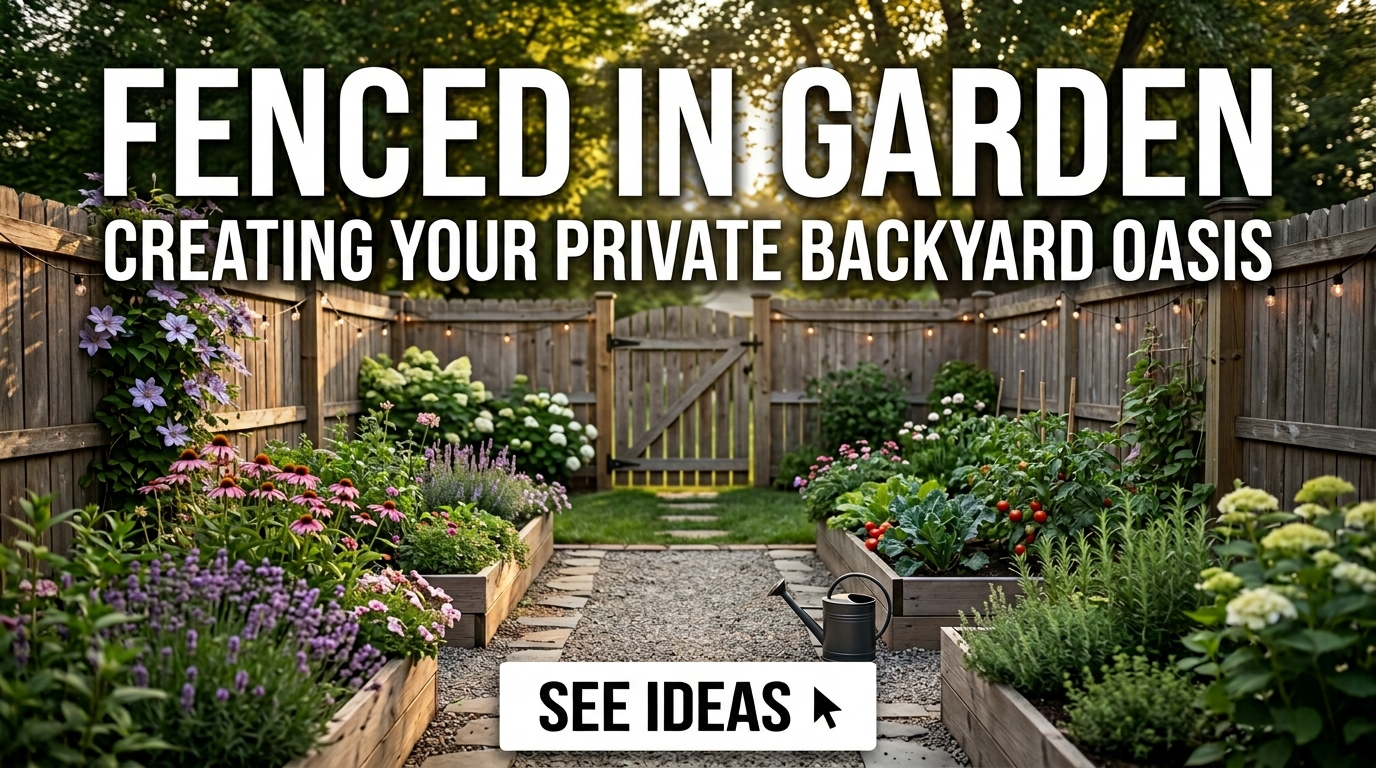
A fenced-in garden is one of the most practical and valuable upgrades you can make to any outdoor space. Whether you are growing vegetables, creating a flower garden, or designing a family-friendly backyard, installing a fence helps define boundaries, improve safety, and enhance privacy. It also protects plants from animals, reduces wind exposure, and creates a more controlled environment for gardening.
In modern landscaping, fenced-in gardens are becoming increasingly popular because they combine functionality with aesthetics. A well-designed fence does more than just enclose a space—it becomes part of the garden’s overall style and character.
This guide covers everything you need to know about fenced-in gardens, including design ideas, materials, benefits, plant choices, layout tips, and maintenance strategies.
What is a Fenced-In Garden?
A fenced-in garden is any garden area that is enclosed by a barrier such as wood, metal, wire mesh, bamboo, or decorative fencing. The main purpose is to create a defined and protected space for plants, flowers, or outdoor activities.
Fencing can be functional, decorative, or both. Some fences are designed purely for protection, while others add beauty and structure to the landscape.
Benefits of a Fenced-In Garden
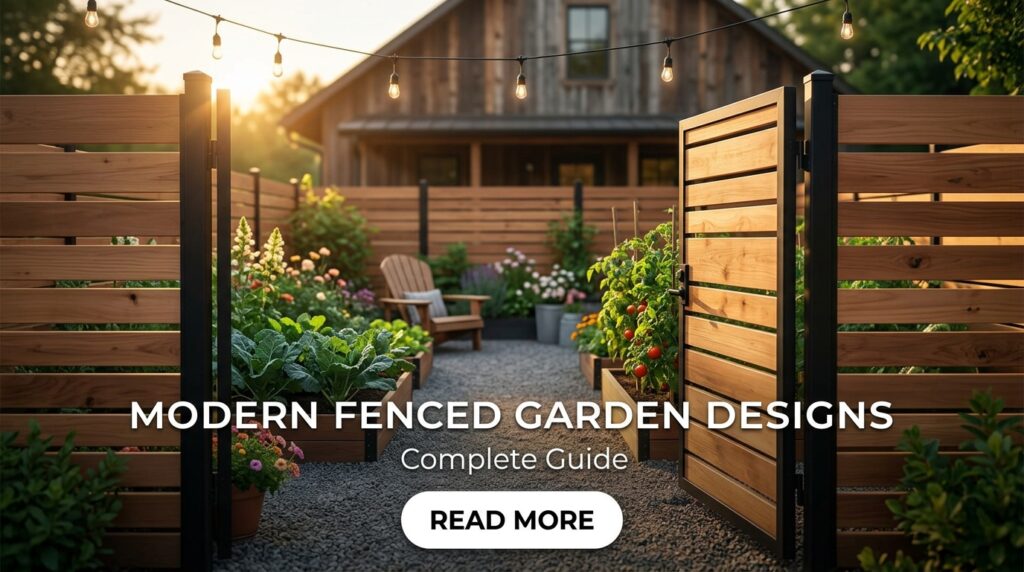
A fenced-in garden offers many practical and visual benefits.
One of the most important advantages is protection. Fences help keep out animals such as rabbits, deer, dogs, and other pests that can damage plants.
Privacy is another major benefit. A fence creates a secluded space where you can relax, garden, or spend time with family without outside disturbance.
Fenced gardens also improve safety, especially for homes with children or pets. They prevent kids from wandering out and keep unwanted visitors from entering the garden area.
Wind protection is another benefit. A fence acts as a windbreak, helping delicate plants grow more effectively.
In addition, fences enhance the overall appearance of a garden by adding structure, style, and definition.
Best Fence Materials for Gardens
Choosing the right material is essential for both durability and design.
Wooden Fences
Wood is one of the most popular choices for garden fencing. It provides a natural, warm appearance that blends well with plants and flowers. Cedar and treated pine are commonly used due to their durability.
Metal Fences
Metal fences, including wrought iron and steel, offer strength and long-lasting performance. They are often used in modern or decorative gardens.
Wire Mesh Fences
Wire or mesh fencing is practical for vegetable gardens. It provides protection from animals while allowing sunlight and airflow.
Bamboo Fences
Bamboo is an eco-friendly option that gives a tropical and natural feel to the garden.
Vinyl Fences
Vinyl fences are low-maintenance and weather-resistant, making them ideal for long-term use.
Fenced Vegetable Garden Ideas
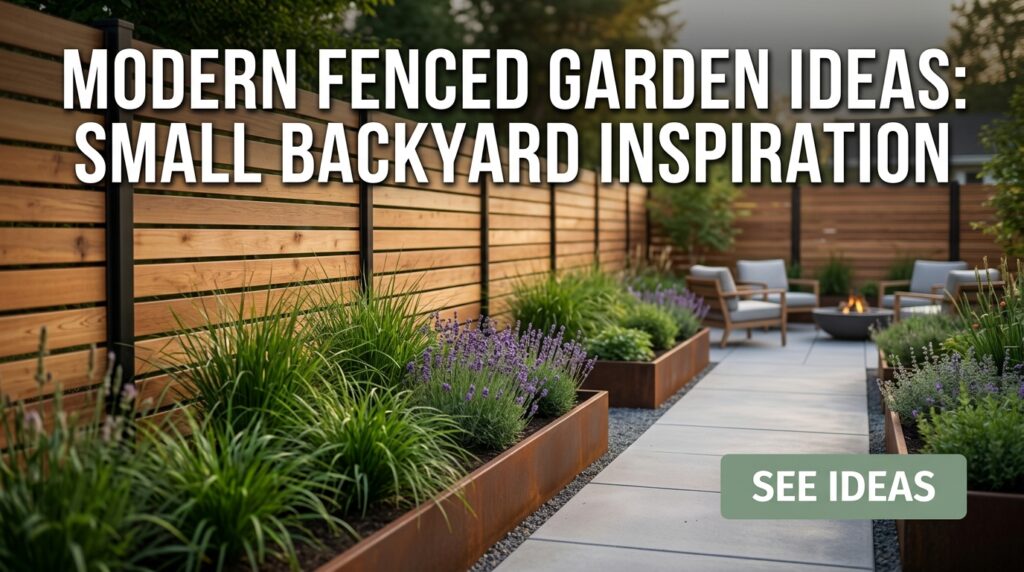
A fenced vegetable garden is one of the most effective ways to protect crops while keeping the space organized.
Raised beds inside a fenced area help improve soil quality and make planting easier.
Trellises can be attached to fences to support climbing vegetables like beans, cucumbers, and peas.
Organizing crops in neat rows or square-foot sections improves efficiency and makes harvesting simpler.
A fenced vegetable garden also reduces the need for pesticides by naturally keeping animals away.
Decorative Fenced Garden Ideas
Fences do not have to be plain or purely functional. They can also enhance the beauty of your garden.
A white picket fence creates a classic cottage-style look that pairs well with flowers and shrubs.
Rustic wooden fences add a natural and relaxed feel to outdoor spaces.
Decorative metal fences with patterns or scrollwork create an elegant and artistic appearance.
You can also hang planters, lanterns, or garden art on fences to make them more visually interesting.
Small Fenced Garden Ideas
Even small gardens can benefit from fencing.
In compact spaces, fences help define boundaries and create a sense of structure.
Vertical gardening can be combined with fencing by attaching pots or planters to fence panels.
Mirror panels or light-colored fences can make small spaces appear larger.
Simple wooden or bamboo fencing works well for balconies, patios, and small yards.
Modern Fenced Garden Designs
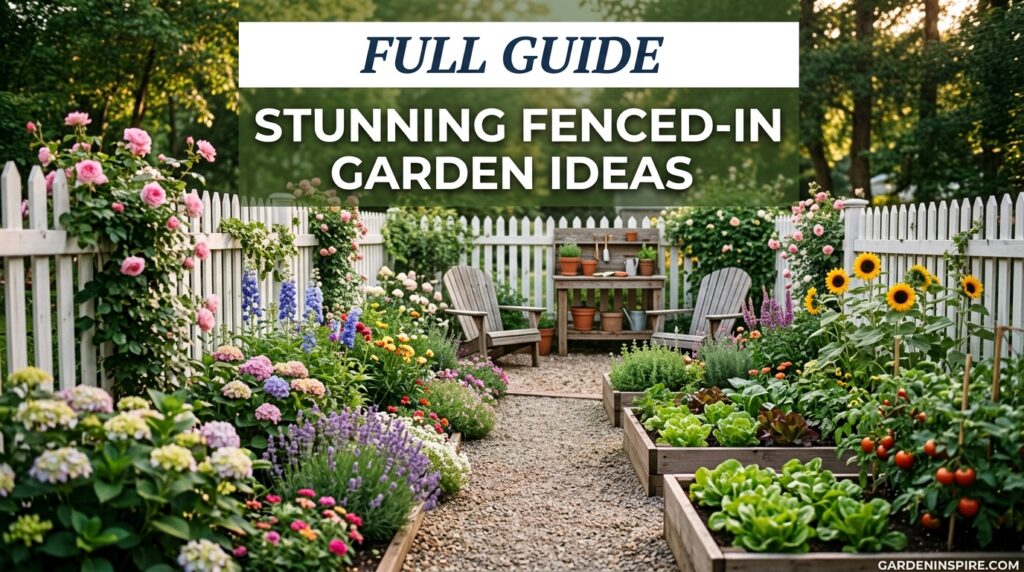
Modern garden fencing focuses on clean lines, minimalism, and functionality.
Horizontal wooden slats are a popular modern design choice.
Black metal fences provide a sleek and contemporary look.
Concrete and steel combinations create a strong architectural style.
Modern fences often integrate lighting for nighttime ambiance and safety.
Cottage Style Fenced Gardens
Cottage gardens are known for their charm, color, and abundance of plants.
Low wooden fences or picket fences are commonly used in cottage-style designs.
Flowers such as roses, lavender, daisies, and peonies often spill over the fence, creating a soft and romantic appearance.
The fence becomes part of the garden’s natural beauty rather than just a boundary.
Vegetable Garden Fence Layout Ideas
A well-planned layout improves productivity and accessibility.
Place taller plants near fences to avoid shading smaller crops.
Use fence lines for climbing plants to maximize vertical space.
Create clear pathways inside the fenced area for easy movement.
Group crops with similar sunlight and water needs together.
Security and Safety Benefits
A fenced garden improves safety in multiple ways.
It keeps pets from digging or damaging plants.
It protects children by creating a secure play and garden area.
It discourages wildlife from entering and eating crops.
It also adds an extra layer of security for your home.
Plants That Work Well Near Fences
Certain plants grow especially well along fences.
Climbing plants such as ivy, jasmine, and clematis are ideal for covering fences.
Vegetables like tomatoes, beans, and cucumbers can be trained along fence structures.
Flowering plants such as roses, morning glory, and honeysuckle add color and fragrance.
Shrubs and ornamental grasses help soften fence edges.
Fence Maintenance Tips
Regular maintenance keeps fences strong and attractive.
Wooden fences should be treated or painted regularly to prevent rot and weather damage.
Metal fences should be checked for rust and cleaned when necessary.
Bamboo fences may need occasional replacement of worn sections.
Keeping vegetation trimmed prevents damage and overgrowth on fences.
Budget-Friendly Fenced Garden Ideas
Fencing does not need to be expensive.
Wire mesh combined with wooden posts is a low-cost and effective solution.
Recycled wood can be used to build rustic fences.
Fast-growing plants can act as natural fencing over time.
Simple DIY designs can reduce labor and material costs significantly.
Common Mistakes to Avoid
Avoid using low-quality materials that may not withstand weather conditions.
Do not install fences too low if animals are a concern.
Avoid blocking sunlight with overly solid fencing in shaded gardens.
Do not ignore local regulations or property boundaries when installing fences.
Benefits of a Fenced-In Garden
A fenced-in garden offers long-term value.
It increases privacy, improves safety, enhances plant protection, and adds visual structure to outdoor spaces.
It also allows for more organized gardening, better crop management, and improved outdoor living experiences.
Final Thoughts
A fenced-in garden is both a practical necessity and a design opportunity. It helps protect plants, define space, and create a safe and private outdoor environment. With the right materials, layout, and design approach, a fence can become an attractive feature that enhances the overall beauty of your garden.
Whether you choose a rustic wooden fence, a modern metal design, or a simple mesh enclosure, the result is a more organized, secure, and enjoyable outdoor space. A well-planned fenced garden not only protects your plants but also transforms your yard into a peaceful and functional retreat that you can enjoy year-round.