 By John
A garden rose is one of the most timeless and beloved flowering plants in the world. Known for its elegance, fragrance, and vibrant colors, the rose has been a symbol of beauty, love, and romance for centuries. Whether grown in a home garden, landscaped yard, or decorative flower bed, garden roses instantly enhance outdoor spaces with charm and sophistication.
Growing roses in the garden may look difficult at first, but with the right care, soil, and planting techniques, they can thrive for many years and produce stunning blooms season after season. From classic red roses to modern hybrid varieties, garden roses offer endless possibilities for landscape design and personal enjoyment.
This complete guide will cover everything you need to know about garden roses, including types, planting methods, care tips, pruning techniques, diseases, and design ideas.
What is a Garden Rose?
A garden rose refers to any rose variety grown outdoors in soil rather than in containers or commercial greenhouses. These roses are cultivated for ornamental purposes and are widely used in landscaping, flower beds, hedges, and decorative borders.
Garden roses come in many forms, including climbing roses, shrub roses, hybrid tea roses, and miniature roses. Each type has unique growth patterns, bloom shapes, and care requirements.
Why Garden Roses Are So Popular
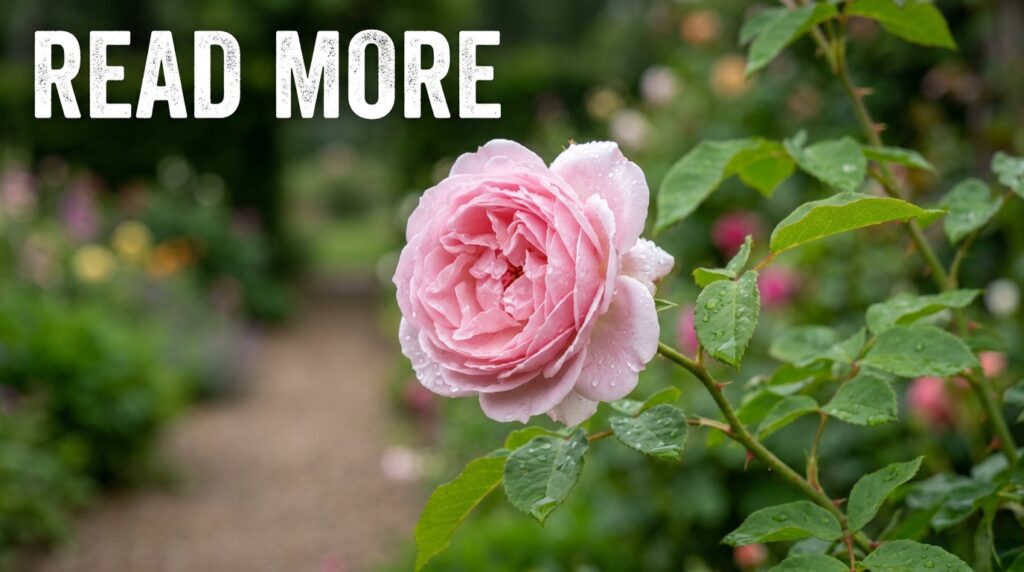
Garden roses are popular because they combine beauty, fragrance, and versatility.
One of the main reasons people love roses is their stunning appearance. Their layered petals and rich colors make them stand out in any garden setting.
Fragrance is another major attraction. Many rose varieties produce a strong and pleasant scent that enhances outdoor spaces.
Roses are also highly versatile and can be used in flower beds, fences, arches, hedges, or standalone focal points.
They also have long blooming seasons when properly cared for, making them a rewarding plant for gardeners.
Types of Garden Roses
There are many types of roses, each suited for different garden styles and needs.
Hybrid Tea Roses
Hybrid tea roses are known for their large, single blooms and long stems. They are commonly used in floral arrangements and formal gardens.
These roses require regular pruning and care but reward gardeners with elegant flowers.
Floribunda Roses
Floribunda roses produce clusters of blooms and offer continuous flowering throughout the season.
They are hardy, low-maintenance, and ideal for mass planting in garden beds.
Climbing Roses
Climbing roses grow long canes that can be trained on trellises, fences, and arches.
They create dramatic vertical displays and are perfect for garden structures like pergolas and arches.
Shrub Roses
Shrub roses are bushy, hardy plants that require minimal maintenance.
They are ideal for hedges, borders, and natural-style gardens.
Miniature Roses
Miniature roses are compact plants with small blooms.
They are perfect for small gardens, pots, and balcony spaces.
Best Location for Garden Roses
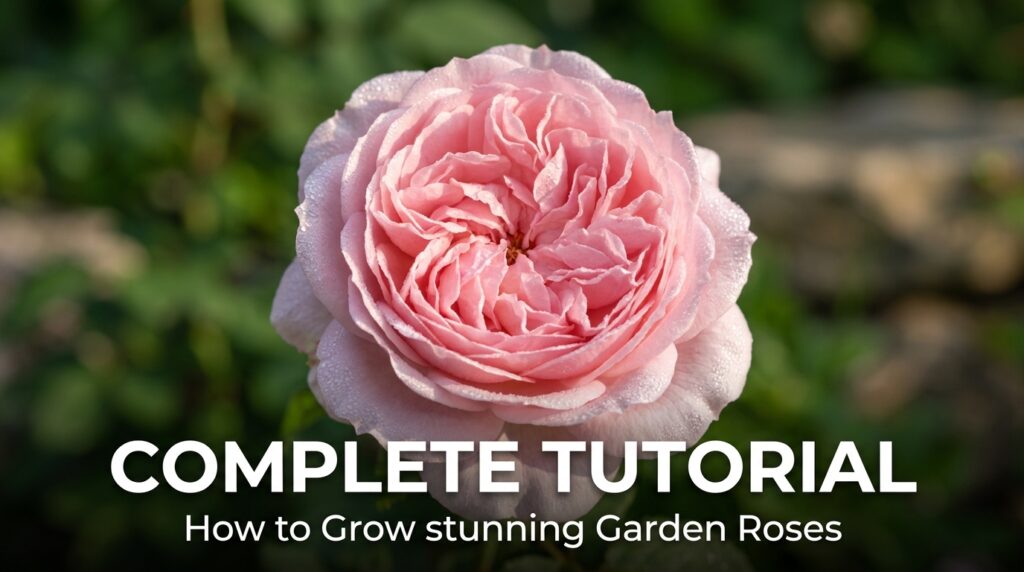
Choosing the right location is essential for healthy rose growth.
Roses need at least six to eight hours of direct sunlight daily. A sunny spot ensures strong growth and abundant blooms.
Good air circulation is also important to prevent fungal diseases.
Avoid planting roses in areas with excessive shade or waterlogging.
A slightly elevated location with well-drained soil is ideal.
Soil Requirements for Garden Roses
Soil quality plays a major role in rose health.
Roses prefer rich, loamy soil with good drainage.
A balanced soil mix includes organic compost, garden soil, and sand or perlite for drainage.
The ideal soil pH for roses is slightly acidic to neutral, around 6.0 to 7.0.
Adding organic matter improves soil fertility and supports long-term growth.
How to Plant Garden Roses
Proper planting ensures strong root development.
Start by digging a hole twice as wide and deep as the root ball.
Place the rose plant in the hole, ensuring the graft union is slightly above soil level.
Fill the hole with soil and compost mixture, pressing gently to remove air pockets.
Water thoroughly after planting to help the roots settle.
Mulch around the base to retain moisture and suppress weeds.
Watering Garden Roses
Roses need regular watering, especially during dry periods.
Deep watering once or twice a week is better than frequent shallow watering.
Avoid wetting the leaves, as this can lead to fungal diseases.
Morning watering is ideal because it allows excess moisture to evaporate during the day.
Fertilizing Garden Roses
Fertilizer helps roses produce strong growth and abundant flowers.
Use a balanced fertilizer rich in nitrogen, phosphorus, and potassium.
Organic options like compost, bone meal, and manure also work well.
Feed roses during the growing season, especially in spring and early summer.
Avoid over-fertilizing, as it can damage roots and reduce flowering.
Pruning Garden Roses
Pruning is essential for maintaining shape and encouraging new blooms.
Remove dead, damaged, or weak stems regularly.
Prune in early spring before new growth begins.
Cut stems at a 45-degree angle just above a healthy bud.
Climbing roses should be trained and lightly pruned to guide their growth.
Common Diseases in Garden Roses
Roses are prone to some common diseases.
Black spot is a fungal disease that causes dark spots on leaves.
Powdery mildew appears as a white coating on leaves and stems.
Rust creates orange or reddish spots on foliage.
Proper spacing, good airflow, and regular maintenance help prevent these issues.
Pest Problems in Roses
Common pests include aphids, spider mites, and whiteflies.
These insects feed on plant sap and weaken rose plants.
Natural remedies like neem oil or insecticidal soap can help control infestations.
Encouraging beneficial insects like ladybugs also reduces pest problems.
Companion Plants for Garden Roses
Companion planting improves rose health and appearance.
Lavender helps repel pests and adds fragrance.
Marigolds protect roses from harmful insects.
Garlic and chives improve soil health and deter pests.
Companion plants also enhance the visual appeal of rose beds.
Garden Rose Design Ideas
Roses can be used in many creative landscape designs.
Rose Flower Beds
Planting roses in grouped beds creates a colorful and fragrant display.
Rose Hedges
Shrub roses can be used to form natural flowering hedges.
Rose Arches
Climbing roses on arches create romantic garden entrances.
Rose Borders
Roses planted along pathways add elegance and structure.
Mixed Flower Gardens
Combining roses with other flowers creates a vibrant and diverse landscape.
Growing Roses in Containers
Roses can also be grown in pots and containers.
Choose large containers with proper drainage holes.
Use nutrient-rich potting soil for best results.
Place containers in sunny locations for healthy blooming.
Container roses require more frequent watering than ground-planted roses.
Seasonal Care for Garden Roses
Roses need different care in different seasons.
In spring, focus on pruning and fertilizing.
In summer, ensure consistent watering and pest control.
In autumn, reduce feeding and prepare plants for dormancy.
In winter, protect roots from frost using mulch or coverings.
Benefits of Growing Garden Roses
Garden roses offer many benefits beyond beauty.
They enhance landscape aesthetics and increase property value.
They provide fragrance that improves outdoor ambiance.
They attract pollinators like bees and butterflies.
They also offer emotional and mental relaxation through gardening activity.
Common Mistakes to Avoid
Avoid planting roses in full shade.
Do not overwater, as it can cause root rot.
Avoid poor soil drainage.
Do not skip pruning, as it affects blooming quality.
Avoid overcrowding plants, which reduces airflow.
Final Thoughts
Garden roses are one of the most rewarding plants you can grow in any outdoor space. With their stunning blooms, rich fragrance, and timeless beauty, they bring elegance and charm to gardens of all sizes.
Although roses require some care and attention, the results are well worth the effort. With proper soil preparation, sunlight, watering, and pruning, garden roses can thrive for many years and provide continuous seasonal beauty.
Whether used in flower beds, arches, borders, or containers, garden roses remain a classic choice for gardeners who want to create a vibrant, colorful, and romantic outdoor space.