
 By John
Garden Bench DIY: Easy Plans, Materials, and Step-by-Step Ideas for Every Backyard
A DIY garden bench is one of the best outdoor woodworking projects for homeowners who want to enhance their garden, patio, porch, or backyard without spending a fortune. A well-built garden bench provides comfortable seating, adds charm to your landscape, and creates a relaxing place to enjoy flowers, trees, and fresh air. Whether you prefer a rustic wooden bench, a modern minimalist design, or a classic farmhouse style, building your own garden bench allows you to customize the size, material, and finish to perfectly match your outdoor space.
DIY garden benches are suitable for every skill level. Beginners can build simple wooden benches in a weekend, while experienced woodworkers can create benches with decorative backs, storage compartments, planters, or pergolas. With quality materials and proper maintenance, a handmade garden bench can last for many years.
This complete guide covers everything you need to know about building a DIY garden bench, including design ideas, materials, tools, construction tips, finishing options, and maintenance.
Why Build a DIY Garden Bench?
Building your own garden bench offers many benefits.
Advantages include:
- Saves money
- Custom size and design
- Matches your garden style
- Durable construction
- Fun woodworking project
- Adds value to outdoor spaces
- Improves backyard comfort
- Personalized craftsmanship
A handmade bench also gives you complete control over the materials and finish.
Choosing the Best Location
Before starting construction, decide where the bench will be placed.
Popular locations include:
- Backyard garden
- Front porch
- Patio
- Deck
- Under a shade tree
- Near a flower bed
- Around a fire pit
- Beside a pond
Choose a level surface with pleasant views and easy access.
Popular DIY Garden Bench Styles
There are many styles to choose from.
Simple Wooden Bench
A straightforward design using lumber and screws, perfect for beginners.
Rustic Garden Bench
Built from reclaimed wood or rough timber for a natural appearance.
Modern Garden Bench
Features clean lines, straight edges, and minimalist styling.
Farmhouse Bench
Combines sturdy construction with traditional charm.
Bench with Planters
Includes built-in planter boxes on one or both ends for flowers or herbs.
Storage Bench
Provides hidden storage beneath the seat for cushions, tools, or gardening supplies.
Curved Garden Bench
Ideal for wrapping around trees or creating unique seating areas.
Best Wood for a Garden Bench
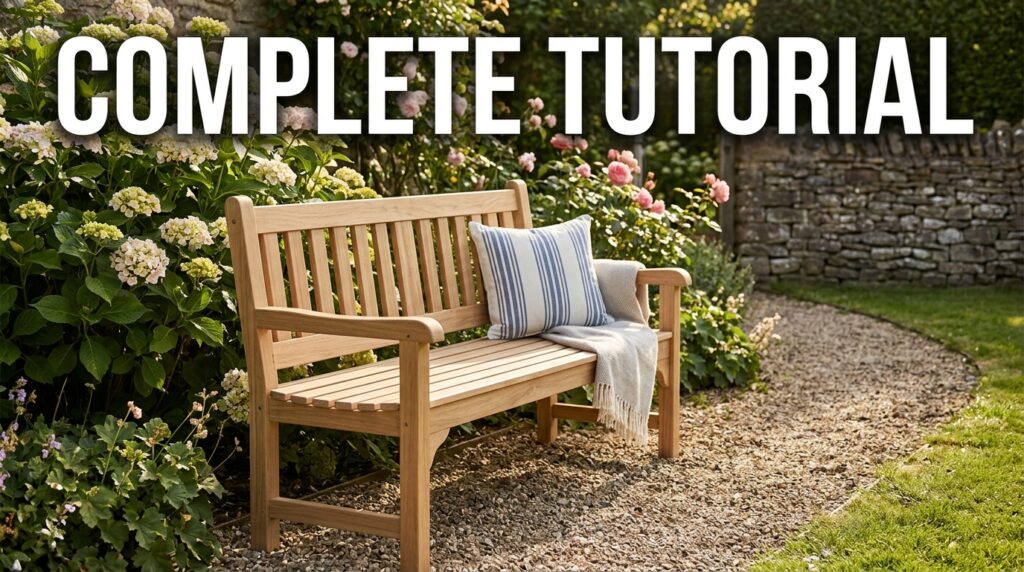
Outdoor furniture should be built from weather-resistant materials.
Popular choices include:
- Cedar
- Redwood
- Teak
- White oak
- Cypress
- Pressure-treated pine
Hardwoods generally last longer, while cedar and redwood naturally resist insects and decay.
Alternative Materials
Besides wood, consider:
- Metal frames
- Concrete legs
- Recycled plastic lumber
- Composite boards
Combining wood with metal creates a modern outdoor look.
Basic Tools You’ll Need
Most DIY garden bench projects require:
- Tape measure
- Circular saw
- Drill
- Screwdriver
- Clamps
- Orbital sander
- Speed square
- Pencil
- Safety glasses
- Hearing protection
Using quality tools improves accuracy and safety.
Essential Hardware
Gather all hardware before beginning.
You’ll typically need:
- Exterior wood screws
- Wood glue
- Galvanized bolts
- Washers
- Nuts
- Wood filler
- Sandpaper
Outdoor-rated hardware prevents rust and corrosion.
Planning Bench Dimensions
A comfortable bench should have balanced proportions.
Recommended measurements:
- Seat height: 17–19 inches
- Seat depth: 16–20 inches
- Seat width: 48–72 inches
- Backrest angle: Slight recline for comfort
Adjust dimensions based on available space and intended use.
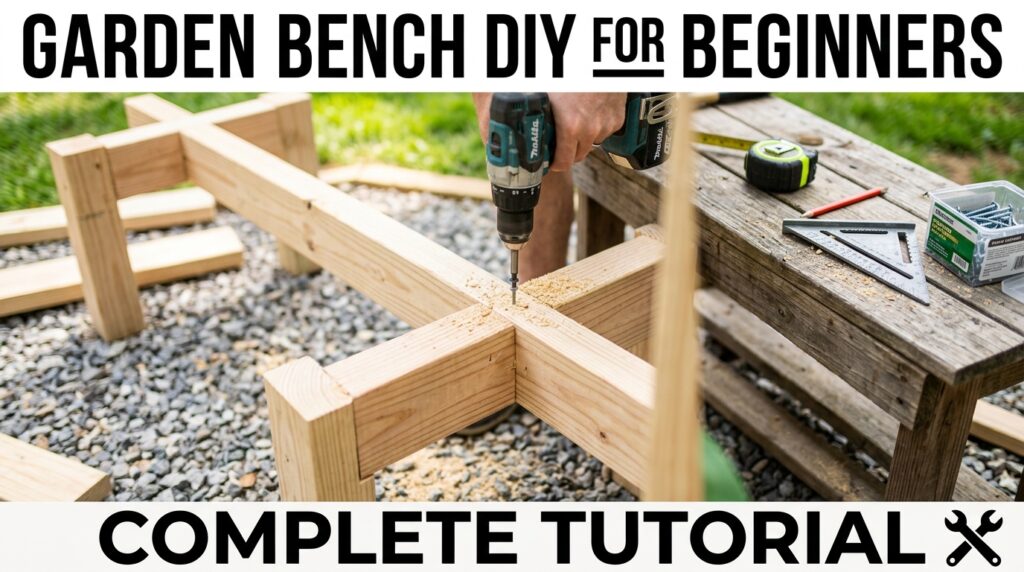
Building the Frame
A strong frame is the foundation of every durable bench.
Construction tips:
- Use square cuts
- Check alignment often
- Reinforce corners
- Pre-drill screw holes
- Keep the frame level
A sturdy frame prevents wobbling over time.
Installing the Seat
Seat boards should be evenly spaced.
Leave small gaps between boards to:
- Improve drainage
- Allow wood movement
- Reduce moisture buildup
Smooth edges improve comfort and safety.
Adding a Backrest
A backrest increases comfort during extended use.
Options include:
- Straight slats
- Horizontal boards
- Decorative patterns
- Curved supports
Ensure the backrest is securely attached to the frame.
Armrest Ideas
Armrests provide additional comfort.
Popular designs include:
- Flat wooden arms
- Rounded edges
- Wide armrests for drinks
- Decorative curved supports
Sand all corners to prevent splinters.
Sanding the Bench
Smooth surfaces improve both appearance and durability.
Sand:
- Seat boards
- Armrests
- Backrest
- Legs
- Edges
Finish with fine-grit sandpaper before staining or painting.
Painting or Staining
Protect your bench from weather exposure.
Popular finishes include:
- Natural wood stain
- Exterior paint
- Clear outdoor sealant
- Waterproof varnish
Reapply protective finishes every few years as needed.
DIY Bench with Planters
Built-in planter boxes add beauty and functionality.
Plant:
- Lavender
- Petunias
- Herbs
- Ferns
- Succulents
Choose plants suited to your local climate.
Garden Bench Around a Tree
Tree benches create inviting gathering spaces.
Construction tips:
- Leave room for trunk growth
- Use sectional designs
- Build sturdy supports
- Maintain proper spacing
Circular benches become attractive focal points.
Bench with Storage
Storage benches help organize outdoor spaces.
Store:
- Gardening gloves
- Cushions
- Hand tools
- Watering cans
- Plant labels
Use weather-resistant hinges and hardware.
Decorating Your Garden Bench
Enhance comfort with:
- Outdoor cushions
- Throw pillows
- Blankets
- Lanterns
- Side tables
- Potted plants
Decorative accessories make the bench more inviting.
Sustainable DIY Ideas
Build an eco-friendly bench using:
- Reclaimed wood
- Recycled hardware
- Salvaged pallets
- Repurposed lumber
Sustainable materials reduce waste and lower project costs.
Seasonal Care
Maintain your garden bench throughout the year.
Spring
- Clean surfaces
- Tighten hardware
- Refinish if needed
Summer
- Inspect for cracks
- Wash dirt and pollen
- Protect from excessive moisture
Autumn
- Remove fallen leaves
- Clean thoroughly
- Check joints
Winter
- Cover the bench
- Store cushions indoors
- Remove snow promptly
Seasonal maintenance extends the life of outdoor furniture.
Maintenance Tips
Keep your DIY bench looking new by:
- Cleaning regularly
- Inspecting screws
- Sanding rough areas
- Applying fresh sealant
- Replacing damaged boards
- Protecting from standing water
Routine maintenance preserves both appearance and strength.
Common DIY Mistakes
Avoid these common building errors:
- Using indoor lumber outdoors
- Skipping sanding
- Poor measurements
- Weak joints
- Low-quality hardware
- Ignoring wood movement
- Forgetting weather protection
Careful planning prevents costly repairs later.
Frequently Asked Questions
What is the best wood for a DIY garden bench?
Cedar, teak, redwood, and white oak are excellent choices because they naturally resist weather and insects.
How long does it take to build a garden bench?
A simple wooden bench can often be completed in a single weekend, while more detailed designs may require several days.
Should I paint or stain my garden bench?
Both work well. Paint provides bold color and protection, while stain highlights the natural wood grain.
Can beginners build a garden bench?
Yes. Many simple bench plans require only basic tools and beginner woodworking skills.
How do I make my garden bench last longer?
Use weather-resistant wood, galvanized hardware, outdoor finishes, and perform regular maintenance throughout the year.
Conclusion
A DIY garden bench is a practical and rewarding project that combines craftsmanship with outdoor comfort. Whether you build a simple wooden seat, a bench with storage, or an elegant design with built-in planters, a handmade bench adds beauty, function, and personality to your garden.
By choosing durable materials, following accurate measurements, using quality hardware, and protecting the finished bench with weather-resistant finishes, you can enjoy comfortable outdoor seating for many years. With thoughtful design and regular care, your DIY garden bench will become a favorite place to relax, entertain guests, and appreciate the beauty of your outdoor space.