 By John
Garden Vegetable: Everything You Need to Know About Planning, Growing, and Harvesting a Productive Vegetable Garden
Growing your own garden vegetables is one of the most rewarding ways to enjoy fresh, healthy, and flavorful food right from your backyard. Whether you have a large outdoor space, a small patio, raised garden beds, or even containers on a balcony, cultivating vegetables at home offers countless benefits. Homegrown vegetables are often fresher, more nutritious, and more affordable than store-bought produce, while gardening itself provides exercise, relaxation, and a stronger connection with nature.
A successful garden vegetable plot begins with thoughtful planning, healthy soil, proper watering, and selecting vegetables that suit your climate and available space. With the right techniques, gardeners of all skill levels can enjoy abundant harvests throughout the growing season.
This comprehensive guide covers everything you need to know about garden vegetables, including planning, soil preparation, planting, maintenance, companion planting, pest control, harvesting, and storage.
What Is a Garden Vegetable?
A garden vegetable is any edible plant grown in a home garden for its leaves, roots, stems, flowers, fruits, or seeds. Vegetable gardens can range from a few containers on a patio to large backyard plots filled with seasonal crops.
Popular garden vegetables include:
- Tomatoes
- Carrots
- Lettuce
- Cucumbers
- Peppers
- Spinach
- Beans
- Peas
- Broccoli
- Cabbage
- Radishes
- Onions
Growing a variety of vegetables ensures fresh produce throughout the year.
Benefits of Growing Garden Vegetables
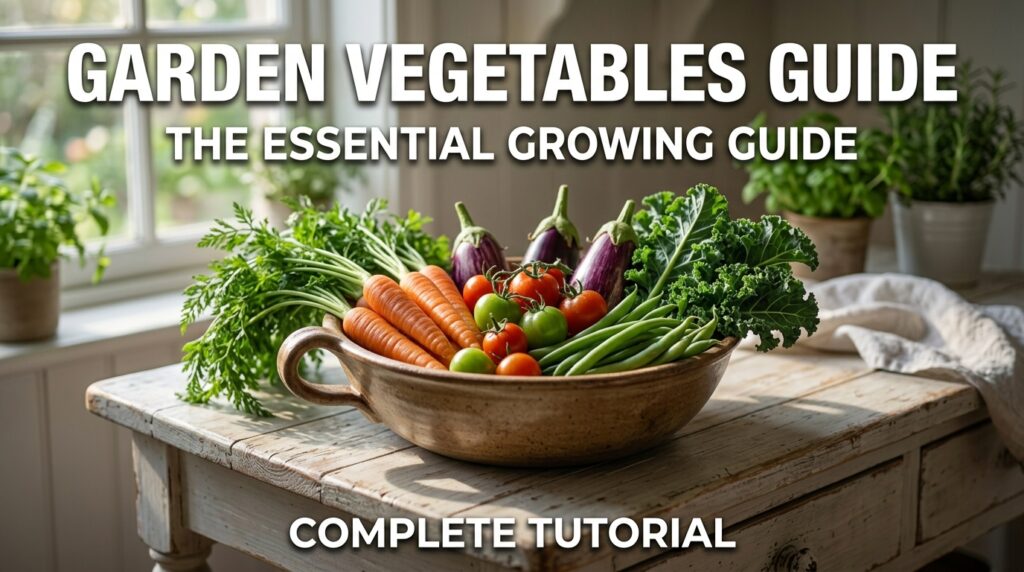
Home vegetable gardening offers many advantages.
Benefits include:
- Fresh and nutritious food
- Lower grocery costs
- Better flavor
- Organic growing options
- Physical activity
- Stress relief
- Sustainable food production
- Family-friendly outdoor activity
Harvesting vegetables directly from your garden is both satisfying and economical.
Planning Your Vegetable Garden
A successful harvest begins with a well-planned garden.
Consider:
- Available space
- Sunlight
- Soil quality
- Drainage
- Water access
- Local climate
- Growing season
- Plant spacing
Most vegetables require six to eight hours of direct sunlight daily.
Choosing the Best Location
Select an area that offers:
- Full sun
- Good drainage
- Easy access to water
- Protection from strong winds
- Convenient access for harvesting
Avoid planting near large trees that compete for moisture and nutrients.
Preparing Healthy Soil
Healthy soil is the key to productive vegetable gardening.
Improve your soil by adding:
- Compost
- Well-rotted manure
- Organic matter
- Leaf mold
- Worm castings
Loose, fertile soil promotes strong root growth and higher yields.
Raised Garden Beds
Raised beds are an excellent choice for growing vegetables.
Advantages include:
- Better drainage
- Improved soil quality
- Fewer weeds
- Easier maintenance
- Comfortable harvesting
- Extended growing season
Raised beds also help organize your garden neatly.
Container Vegetable Gardening
Many vegetables thrive in containers.
Great choices include:
- Tomatoes
- Lettuce
- Spinach
- Herbs
- Peppers
- Radishes
Choose containers with proper drainage and enough depth for healthy root development.
Best Vegetables for Beginners
If you’re new to gardening, start with easy-to-grow crops.
Popular beginner vegetables include:
- Lettuce
- Radishes
- Green beans
- Zucchini
- Tomatoes
- Cucumbers
- Spinach
- Carrots
These crops are generally productive and forgiving.
Cool-Season Vegetables
These vegetables grow best during cooler weather.
Examples include:
- Broccoli
- Cabbage
- Kale
- Lettuce
- Spinach
- Peas
- Radishes
Plant them in early spring or autumn, depending on your region.
Warm-Season Vegetables
Warm-weather crops thrive during summer.
Popular choices include:
- Tomatoes
- Peppers
- Cucumbers
- Squash
- Eggplant
- Corn
- Beans
Wait until frost danger has passed before planting.
Companion Planting
Companion planting improves growth and may reduce pests.
Helpful combinations include:
- Tomatoes with basil
- Carrots with onions
- Beans with corn
- Lettuce with radishes
- Cucumbers with nasturtiums
Companion planting also encourages pollinators.
Watering Tips
Consistent watering is essential.
Best practices include:
- Water deeply
- Water early in the morning
- Avoid wetting leaves
- Use drip irrigation when possible
Deep watering encourages stronger root systems.
Mulching
Mulch offers numerous benefits.
It helps:
- Retain moisture
- Suppress weeds
- Regulate soil temperature
- Reduce soil erosion
- Keep vegetables clean
Common mulch materials include straw, shredded leaves, and compost.
Fertilizing Vegetables
Vegetables require nutrients throughout the growing season.
Good fertilizer choices include:
- Compost
- Organic vegetable fertilizer
- Fish emulsion
- Seaweed extract
- Balanced slow-release fertilizer
Avoid excessive fertilizer, which may reduce fruit production.
Supporting Plants
Some vegetables need additional support.
Use stakes, cages, or trellises for:
- Tomatoes
- Cucumbers
- Pole beans
- Peas
Supporting plants improves airflow and simplifies harvesting.
Pollinator-Friendly Vegetable Gardens
Pollinators increase fruit production.
Plant flowers nearby such as:
- Marigolds
- Zinnias
- Lavender
- Bee balm
- Borage
- Sunflowers
Avoid unnecessary pesticide use around flowering plants.
Natural Pest Control
Reduce pests using environmentally friendly methods.
Strategies include:
- Hand-picking insects
- Companion planting
- Floating row covers
- Healthy soil
- Encouraging beneficial insects
Ladybugs and lacewings naturally help control many garden pests.
Crop Rotation
Avoid planting the same vegetables in the same location every year.
Crop rotation helps:
- Prevent disease
- Reduce pests
- Maintain soil fertility
- Improve long-term productivity
Keep a simple garden journal to track planting locations.
Seasonal Planting Guide
Spring
Plant:
- Lettuce
- Peas
- Spinach
- Carrots
- Radishes
Summer
Grow:
- Tomatoes
- Peppers
- Cucumbers
- Beans
- Squash
Autumn
Plant:
- Broccoli
- Kale
- Beets
- Cabbage
Winter
Protect beds with mulch or grow cold-tolerant vegetables in suitable climates.
Planning by season provides continuous harvests.
Harvesting Vegetables
Harvest vegetables at peak ripeness for the best flavor.
General tips include:
- Pick regularly
- Harvest in the morning
- Use clean tools
- Avoid damaging plants
- Store produce properly
Frequent harvesting encourages many crops to continue producing.
Storing Fresh Vegetables
Different vegetables require different storage methods.
Examples include:
- Refrigerate leafy greens
- Store onions in a cool, dry place
- Keep potatoes in darkness
- Freeze excess beans
- Preserve tomatoes by canning or drying
Proper storage reduces food waste.
Small Vegetable Garden Ideas
Limited space can still produce abundant food.
Ideas include:
- Raised beds
- Vertical gardens
- Hanging baskets
- Container gardens
- Balcony planters
- Square-foot gardening
Compact gardens maximize productivity.
Common Gardening Mistakes
Avoid these common problems:
- Overwatering
- Poor soil preparation
- Overcrowding plants
- Ignoring sunlight needs
- Skipping mulch
- Planting too early
- Forgetting crop rotation
Learning from mistakes improves future harvests.
Maintenance Tips
Healthy vegetable gardens require routine care.
Tasks include:
- Watering consistently
- Removing weeds
- Adding compost
- Pruning damaged leaves
- Monitoring pests
- Harvesting regularly
- Refreshing mulch
Regular maintenance keeps plants vigorous.
Frequently Asked Questions
What vegetables are easiest to grow?
Lettuce, radishes, beans, tomatoes, cucumbers, zucchini, spinach, and carrots are excellent choices for beginners.
How much sunlight do vegetables need?
Most garden vegetables require at least six to eight hours of direct sunlight each day.
Can I grow vegetables in containers?
Yes. Tomatoes, peppers, lettuce, herbs, spinach, radishes, and many other vegetables grow successfully in containers.
What is the best soil for vegetables?
Loose, fertile, well-draining soil enriched with compost and organic matter provides excellent growing conditions.
How often should I water my vegetable garden?
Water deeply whenever the top inch of soil becomes dry. The exact frequency depends on weather, soil type, and plant variety.
Conclusion
Growing garden vegetables is a rewarding way to enjoy fresh, nutritious food while creating a beautiful and productive outdoor space. Whether you plant in raised beds, containers, or traditional garden rows, careful planning, healthy soil, proper watering, and regular maintenance are the foundations of a successful vegetable garden.
By choosing the right vegetables for your climate, practicing companion planting, using mulch, rotating crops, and harvesting at the right time, you can enjoy abundant harvests throughout the growing season. With patience and consistent care, your garden vegetable plot will provide delicious produce, valuable gardening experience, and lasting satisfaction for years to come.