 By John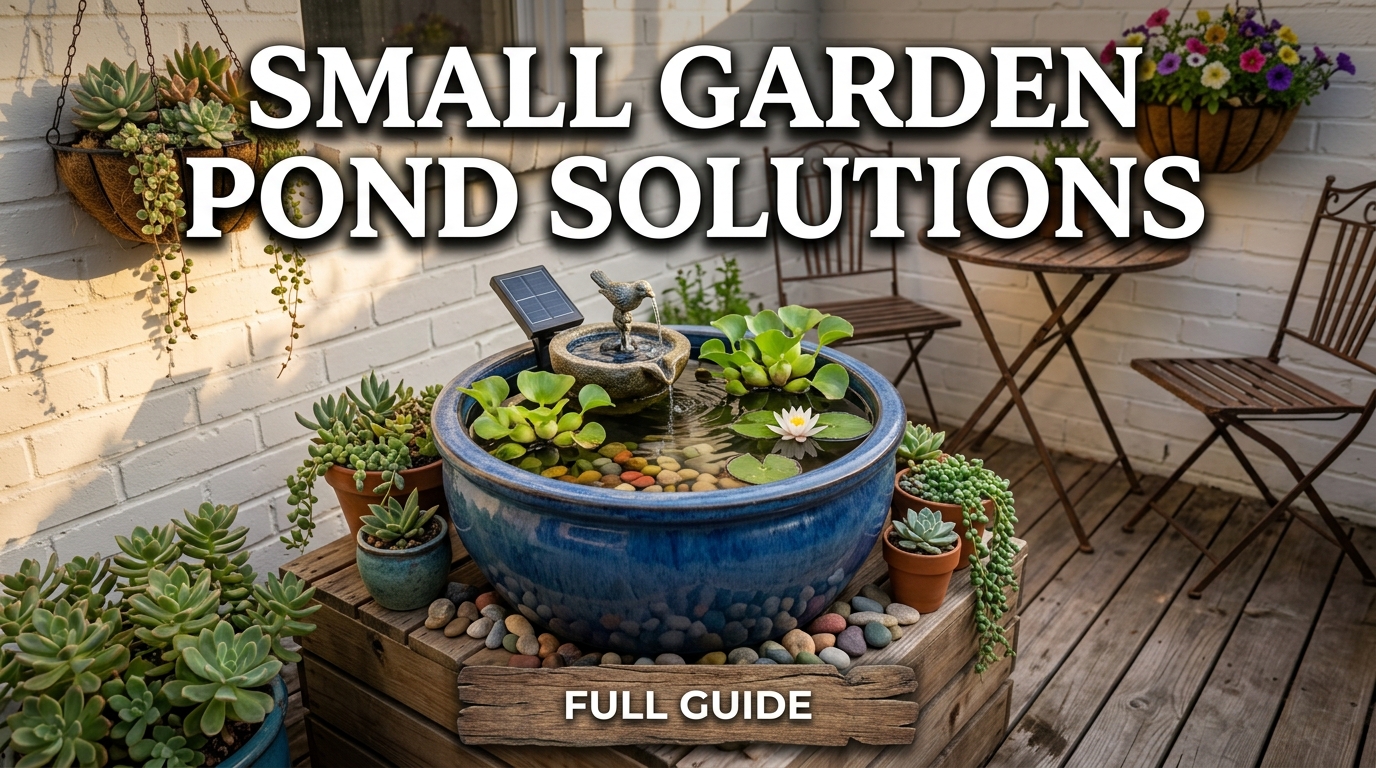
A garden pond is one of the most captivating features you can add to your outdoor space. From tranquil reflections and soothing water sounds to vibrant aquatic plants and visiting wildlife, a well-designed pond can completely transform your garden into a peaceful retreat.
Whether you’re planning a small wildlife pond, a modern reflecting pool, or a large koi pond, thoughtful garden pond design ensures your water feature blends seamlessly with its surroundings. With the right shape, materials, and landscaping, a pond can become the focal point of your garden for years to come.
Why Add a Garden Pond?
Garden ponds offer numerous benefits, including:
- Creating a calming atmosphere
- Attracting birds, butterflies, and frogs
- Increasing biodiversity
- Enhancing property appeal
- Providing a focal point
- Encouraging outdoor relaxation
Even a small pond can have a significant impact on the look and feel of your garden.
Types of Garden Ponds
Wildlife Pond
Designed to support local ecosystems, wildlife ponds often include:
- Native aquatic plants
- Shallow edges
- Rocks and logs
- Natural filtration
These ponds attract beneficial wildlife and require minimal intervention.
Koi Pond
Perfect for fish enthusiasts, koi ponds feature:
- Greater depth
- Filtration systems
- Water pumps
- Decorative edging
Koi ponds create an elegant and luxurious appearance.
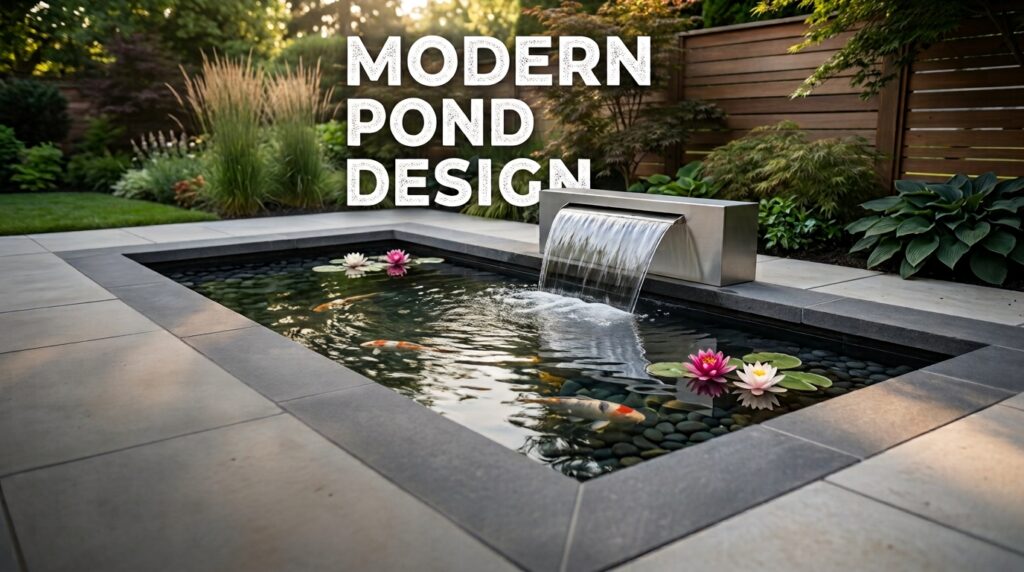
Formal Pond
Formal ponds are characterized by:
- Geometric shapes
- Symmetrical layouts
- Clean lines
- Modern materials
They work particularly well in contemporary gardens.
Natural Pond
Natural ponds mimic lakes and streams with:
- Irregular shapes
- Native plants
- Gravel edges
- Waterfalls
This style blends beautifully into cottage and woodland gardens.
Reflecting Pool
Reflecting pools prioritize aesthetics and are ideal for minimalist landscapes.
Choosing the Right Location
Place your pond in an area that:
- Receives partial sunlight
- Is visible from your home
- Avoids overhanging trees
- Has level ground
Too much shade can limit plant growth, while excessive sunlight may encourage algae.
Garden Pond Shapes
Popular pond shapes include:
- Circular
- Oval
- Kidney-shaped
- Rectangular
- Freeform
Your choice should complement your garden’s overall design style.
Essential Pond Features
Waterfalls
Waterfalls provide movement, sound, and improved oxygen levels.
Fountains
Available in many styles, fountains add elegance and visual interest.
Streams
Connecting a stream to your pond creates a natural, dynamic landscape.
Bridges
Small wooden or stone bridges add charm and make excellent focal points.
Best Plants for Garden Ponds
Floating Plants
- Water lilies
- Water lettuce
- Duckweed
Marginal Plants
- Iris
- Marsh marigold
- Pickerel weed
Oxygenating Plants
- Hornwort
- Water starwort
- Anacharis
Aquatic plants help maintain a healthy pond ecosystem.
Garden Pond Landscaping Ideas
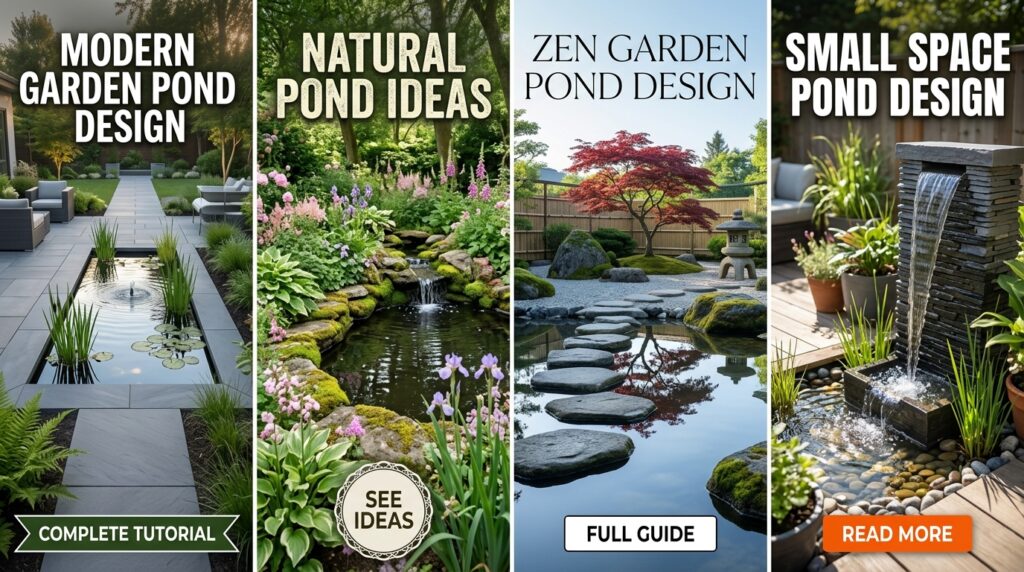
Surround your pond with:
- Ornamental grasses
- Ferns
- Hostas
- Lavender
- Natural stone
Layering plants around the pond creates a more natural and established look.
Small Garden Pond Ideas
Limited on space? Consider:
- Container ponds
- Raised ponds
- Half-barrel ponds
- Mini wildlife ponds
Small ponds are affordable, easy to maintain, and suitable for patios or balconies.
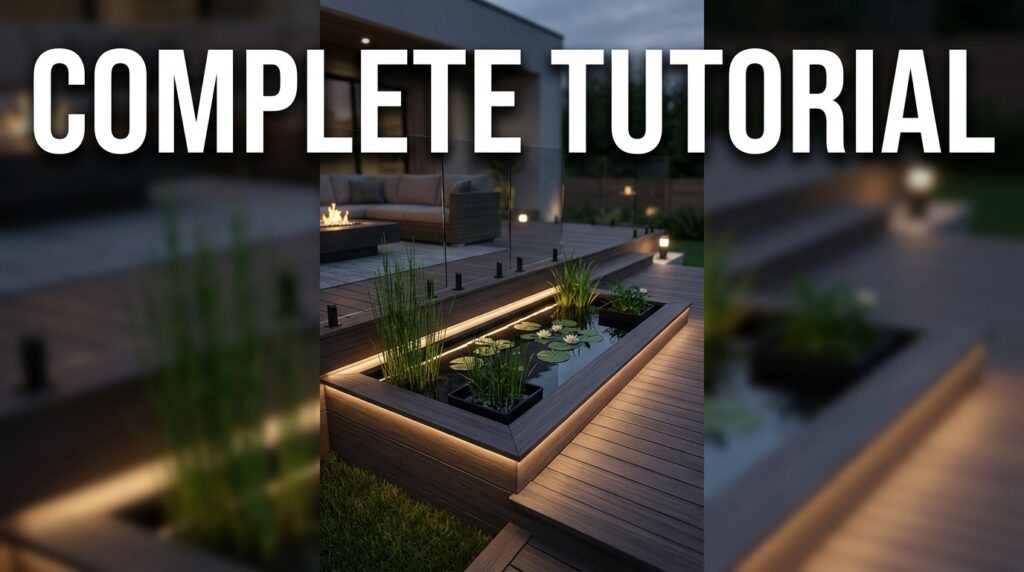
Lighting Your Pond
Enhance your pond after dark with:
- Underwater LEDs
- Spotlights
- Solar lanterns
- Pathway lighting
Lighting adds drama and extends the enjoyment of your pond into the evening.
Pond Maintenance Tips
Remove Debris
Regularly clear leaves and fallen branches.
Control Algae
Use aquatic plants and proper filtration to reduce algae growth.
Maintain Water Levels
Check water levels during hot weather.
Clean Filters
Inspect pumps and filtration systems frequently.
Monitor Fish Health
If keeping fish, observe them regularly for signs of illness.
Common Garden Pond Design Mistakes
Making the Pond Too Small
Larger ponds are often easier to maintain than tiny ones.
Ignoring Filtration
Proper filtration is essential, especially for fish ponds.
Overcrowding Plants
Allow enough room for plants to grow naturally.
Poor Placement
Avoid placing ponds directly beneath trees.
Neglecting Safety
If children are present, consider fencing or protective covers.
Seasonal Pond Care
Spring
- Divide aquatic plants
- Restart pumps
- Remove winter debris
Summer
- Monitor algae growth
- Top up water levels
- Feed fish regularly
Autumn
- Install pond netting
- Remove fallen leaves
Winter
- Protect pumps
- Keep part of the surface ice-free if fish are present
Frequently Asked Questions
What is the best size for a garden pond?
The ideal size depends on your space, but larger ponds tend to be more stable and easier to maintain.
Can I have a pond in a small garden?
Yes. Container ponds and raised ponds are excellent solutions for small spaces.
Which plants are best for a pond?
Water lilies, irises, and oxygenating plants are among the most popular choices.
Do garden ponds attract wildlife?
Absolutely. Birds, frogs, dragonflies, and beneficial insects are commonly attracted to ponds.
Are garden ponds difficult to maintain?
Not necessarily. With proper planning and regular maintenance, most garden ponds are relatively easy to care for.
Conclusion
A thoughtfully designed garden pond can add beauty, tranquility, and life to any outdoor space. Whether you choose a natural wildlife pond, a formal reflecting pool, or a vibrant koi pond, water features create a sense of calm that few other garden elements can match.
By selecting the right location, incorporating suitable plants, and maintaining your pond throughout the year, you can enjoy a stunning backyard oasis that enhances your garden in every season. With endless design possibilities, a garden pond is an investment in both your landscape and your well-being.