
 By John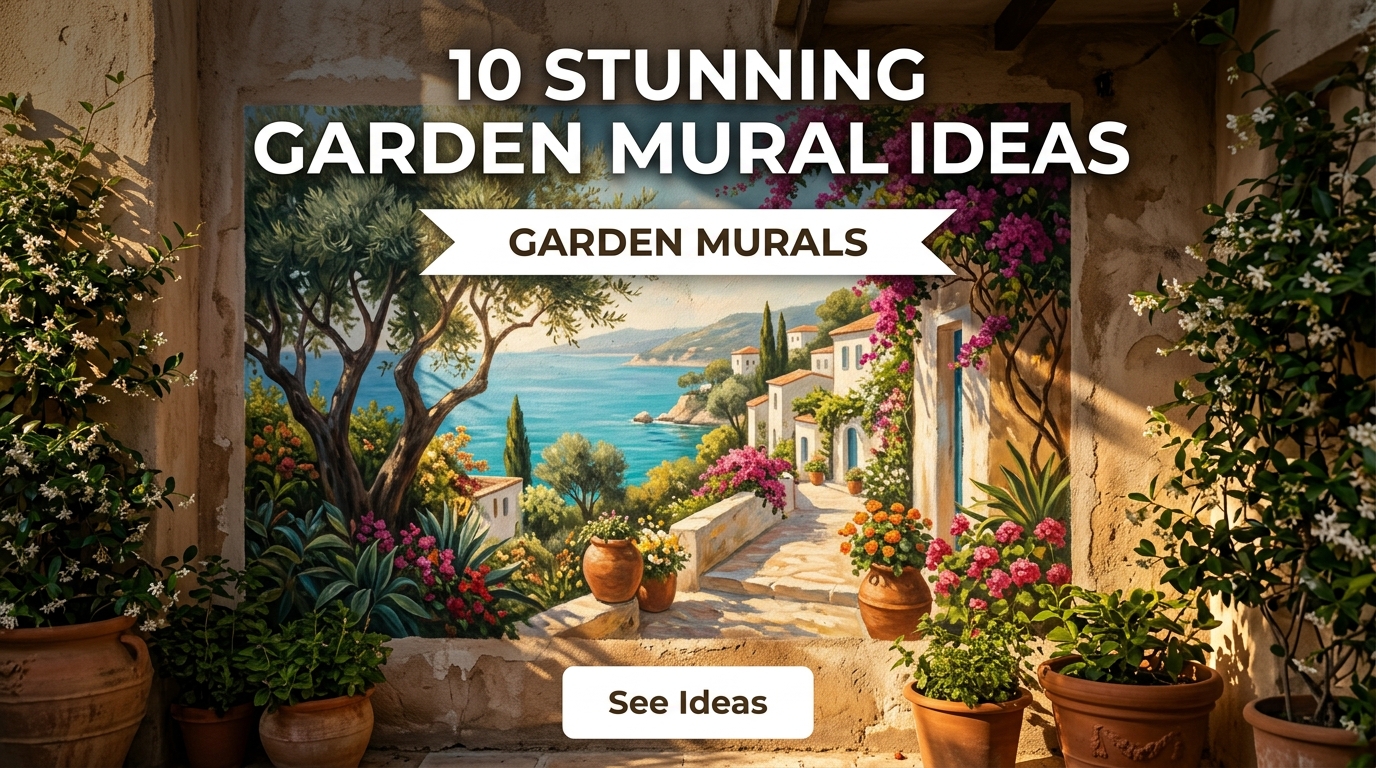
Garden mural outdoor wall art is one of the most powerful and creative ways to upgrade any outdoor space. Whether you have a small backyard, a patio, a balcony wall, or a large garden boundary, a mural can completely transform a plain surface into a vibrant visual experience. It brings color, personality, and artistic expression into nature, making your outdoor area feel more lively and inspiring.
In modern landscaping and home décor, outdoor wall art is becoming increasingly popular because it combines creativity with functionality. Instead of leaving garden walls blank or boring, murals turn them into focal points that enhance the entire atmosphere of the space.
This detailed guide will help you understand everything about garden mural outdoor wall art, including design ideas, styles, materials, painting tips, themes, benefits, and maintenance.
What is Garden Mural Outdoor Wall Art?
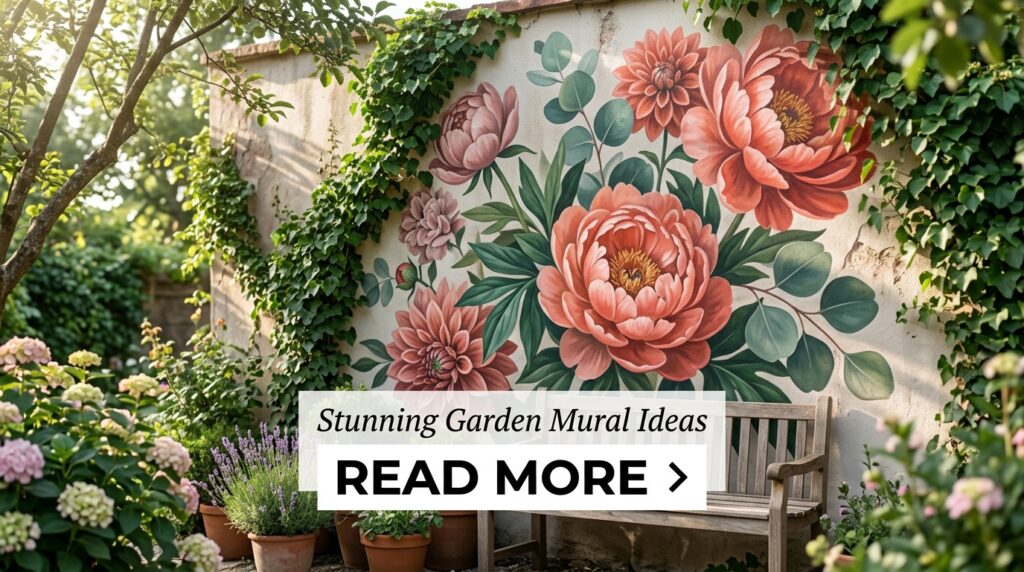
Garden mural outdoor wall art refers to large-scale artwork painted or applied on outdoor garden walls, fences, or exterior surfaces. These murals can include nature scenes, abstract designs, floral patterns, wildlife illustrations, or even modern artistic concepts.
Unlike indoor art, outdoor murals are designed to withstand weather conditions such as sunlight, rain, and wind. They are created using durable paints and protective coatings to ensure long-lasting beauty.
The main purpose of garden mural art is to enhance outdoor aesthetics and create a visually appealing environment that blends art with nature.
Why Garden Murals Are Becoming So Popular
Garden murals have gained popularity because they offer a simple yet powerful transformation for outdoor spaces.
One major reason is instant visual impact. A plain wall can become a stunning focal point with just one mural design. This is especially useful for small gardens where space is limited.
Another reason is personalization. Murals allow homeowners to express their personality, taste, and creativity through custom designs. You can choose themes that reflect your style, such as nature, abstract art, or cultural patterns.
Garden murals are also cost-effective compared to major landscaping changes. Instead of rebuilding structures, a painted wall can completely change the look of your garden at a lower cost.
They also improve mood and relaxation. Bright colors and natural scenes can make outdoor spaces feel more peaceful and enjoyable.
Best Locations for Outdoor Garden Murals
Choosing the right wall is very important for creating an effective mural.
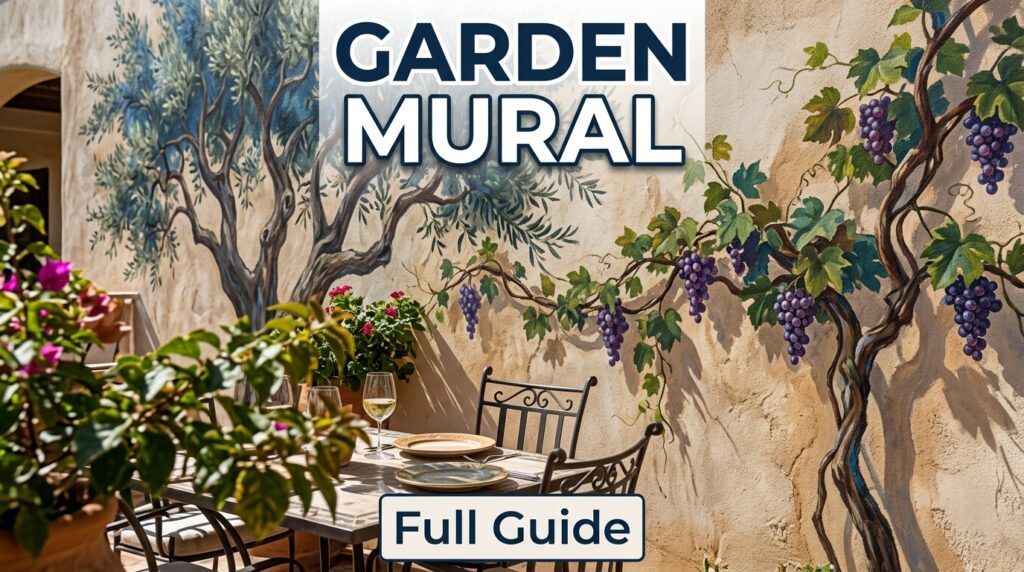
Boundary walls are the most common choice because they offer large, uninterrupted surfaces that are perfect for detailed artwork.
Garden shed walls can also be transformed into creative art spaces, adding charm to functional structures.
Patio walls and seating areas are ideal for murals that enhance relaxation zones.
Even small vertical walls or fences can be used for minimalist mural designs.
Popular Garden Mural Themes
There are many creative themes you can use for outdoor wall art depending on your garden style.
1. Nature-Inspired Murals
Nature themes are the most popular choice. They include trees, forests, waterfalls, mountains, and birds. These designs help create a natural and calming environment.
2. Floral Wall Art
Flower murals bring color and freshness to outdoor spaces. Roses, sunflowers, lavender fields, and tropical blooms are commonly used designs.
3. Wildlife Murals
Birds, butterflies, deer, and other animals add life and movement to garden walls. These murals are perfect for nature lovers.
4. Abstract Modern Art
Abstract designs use shapes, lines, and colors to create a modern artistic look. They are ideal for contemporary homes.
5. Cultural and Traditional Art
Some homeowners prefer cultural patterns, heritage art, or regional motifs that reflect tradition and identity.
6. Fantasy and Fairy Garden Murals
These murals include magical forests, fairy houses, and dreamlike landscapes. They are especially popular in family gardens and kids’ spaces.
Materials Used for Garden Murals
The durability of outdoor wall art depends heavily on the materials used.
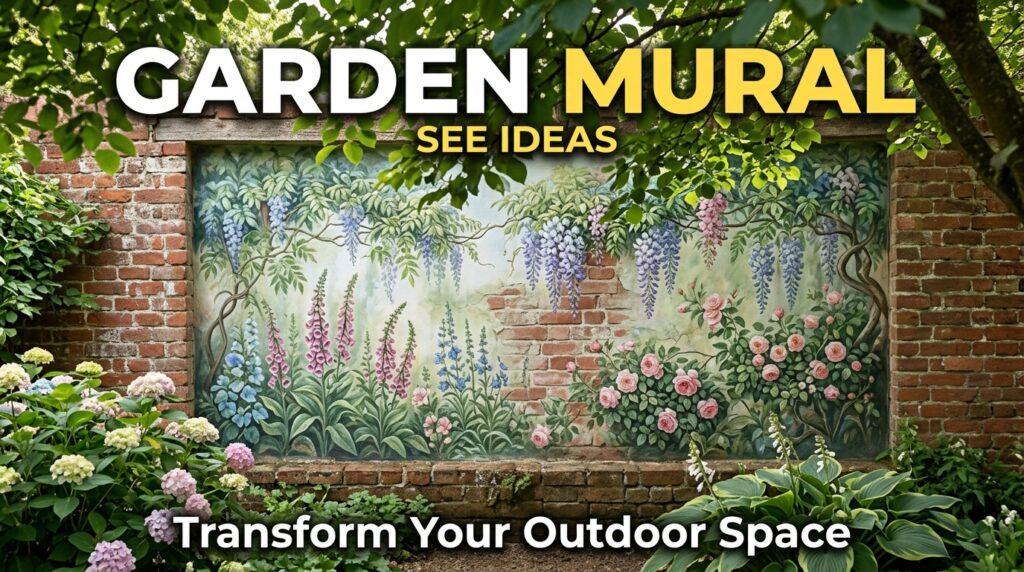
Acrylic exterior paint is the most commonly used option because it is weather-resistant and long-lasting.
Masonry paint is ideal for rough surfaces like brick or concrete walls.
Weatherproof sealants are applied after painting to protect the artwork from sun and rain damage.
Some modern murals also use tiles, mosaic pieces, or waterproof wall panels for a textured effect.
Step-by-Step Guide to Creating a Garden Mural
Creating a garden mural requires planning and creativity.
First, choose the wall and clean it thoroughly to remove dust, dirt, or old paint. A smooth surface helps the paint stick better.
Next, decide on your design. You can sketch it on paper or digitally plan it before starting.
After that, outline the mural on the wall using light pencil marks or chalk. This helps maintain proportions and structure.
Then start painting background colors first, followed by main elements and details.
Once the painting is complete, allow it to dry fully and apply a protective sealant layer.
Finally, step back and review your mural to make small touch-ups if needed.
Creative Ideas for Garden Wall Murals
There are endless possibilities when designing outdoor wall art.
A 3D illusion mural can make walls look deeper or more realistic, such as pathways leading into forests or waterfalls flowing into gardens.
A vertical garden mural combines painted plants with real climbing plants, creating a mix of art and nature.
A night glow mural uses reflective or glow-in-the-dark paint to create a magical nighttime effect.
A seasonal mural changes themes based on seasons like spring flowers, summer greenery, or autumn leaves.
A minimalist line art mural uses simple black-and-white designs for a modern aesthetic.
Benefits of Garden Mural Outdoor Wall Art
Garden murals offer many benefits beyond decoration.
They enhance the visual appeal of outdoor spaces and make gardens feel more lively and attractive.
They create a focal point that draws attention and improves the overall design balance of the garden.
Murals can also make small spaces appear larger by adding depth and perspective.
They increase emotional comfort by creating a peaceful and inspiring environment.
For homeowners, murals can also increase property value by improving exterior aesthetics.
Maintenance Tips for Outdoor Murals
Proper maintenance is important to keep murals looking fresh and beautiful.
Regularly clean the surface using a soft cloth or gentle water spray to remove dust and dirt.
Avoid using harsh chemicals that may damage the paint.
Reapply protective coatings every few years to maintain color vibrancy.
Inspect for cracks or fading and perform small touch-ups when needed.
Proper maintenance ensures long-lasting beauty and durability.
Budget-Friendly Garden Mural Ideas
You do not need a large budget to create stunning wall art.
Simple stencil designs can be used instead of complex freehand painting.
Recycled materials like broken tiles or stones can be used to create mosaic murals.
Basic paint colors can still produce beautiful results if used creatively.
DIY mural projects are also a great way to involve family members and reduce costs.
Common Mistakes to Avoid
Avoid skipping wall preparation because a dirty surface reduces paint durability.
Do not use indoor paint for outdoor murals because it will fade quickly.
Avoid overcrowding the design with too many elements.
Do not ignore weather protection, especially in areas with heavy rain or sunlight.
Final Thoughts
Garden mural outdoor wall art is a powerful way to transform plain outdoor walls into stunning visual masterpieces. It combines creativity, nature, and personal expression to create a unique atmosphere in any garden.
Whether you choose a simple floral design or a detailed nature scene, a mural can completely change the mood and style of your outdoor space. With proper planning, quality materials, and creative ideas, anyone can turn a boring wall into a beautiful work of art.
A garden mural is not just decoration—it is a reflection of imagination, personality, and love for outdoor beauty.