
 By John
Garden landscape design is the art of planning and arranging plants, pathways, structures, and outdoor features to create a functional, attractive, and harmonious garden. A well-designed landscape not only improves the appearance of your property but also enhances outdoor living, increases home value, and creates a space that can be enjoyed throughout the year.
Whether you have a small backyard, a large estate, a front yard, or a courtyard, thoughtful landscape design can transform any outdoor area into a stunning and practical retreat.
What Is Garden Landscape Design?
Garden landscape design involves organizing natural and built elements to create a balanced outdoor environment.
These elements may include:
- Trees and shrubs
- Flower beds
- Lawns
- Pathways
- Patios
- Water features
- Garden lighting
- Outdoor seating
- Decorative structures
The goal is to combine beauty, functionality, and sustainability into a cohesive design.
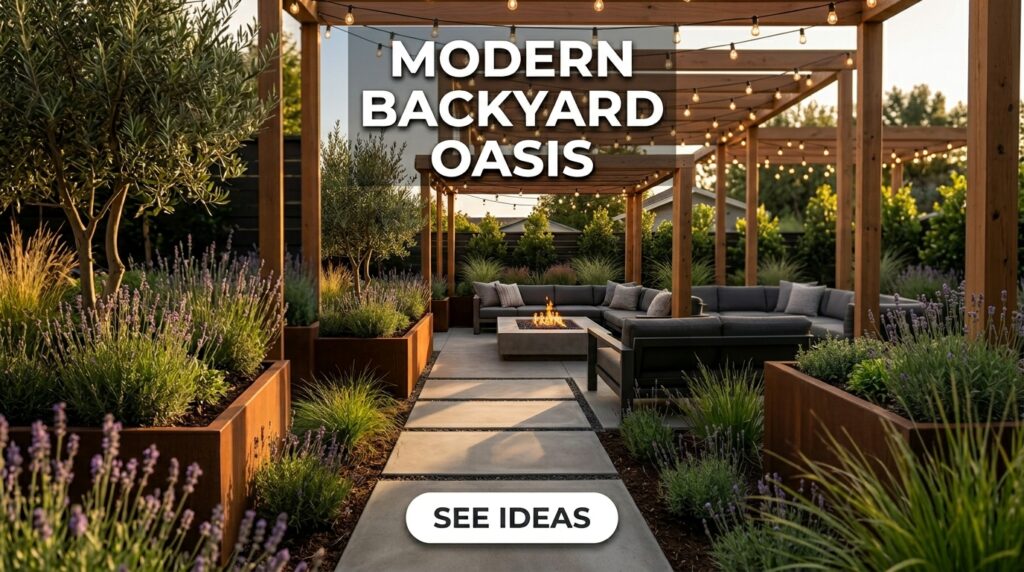
Benefits of Good Landscape Design
Improves Curb Appeal
A well-designed garden makes a strong first impression.
Increases Property Value
Quality landscaping can significantly boost home value.
Creates Functional Outdoor Living Areas
Gardens can become extensions of indoor living spaces.
Supports Wildlife
Plants attract birds, butterflies, and pollinators.
Enhances Relaxation and Well-Being
Natural environments promote relaxation and reduce stress.
Principles of Garden Landscape Design
Balance
Visual weight should be evenly distributed throughout the garden.
Types:
- Symmetrical balance
- Asymmetrical balance
Unity
All elements should work together to create a cohesive appearance.
Scale and Proportion
Features should be appropriately sized for the space.
Rhythm and Repetition
Repeating colors, plants, and materials creates harmony.
Focal Points
Every garden benefits from a central feature that draws attention.
Popular Garden Landscape Styles
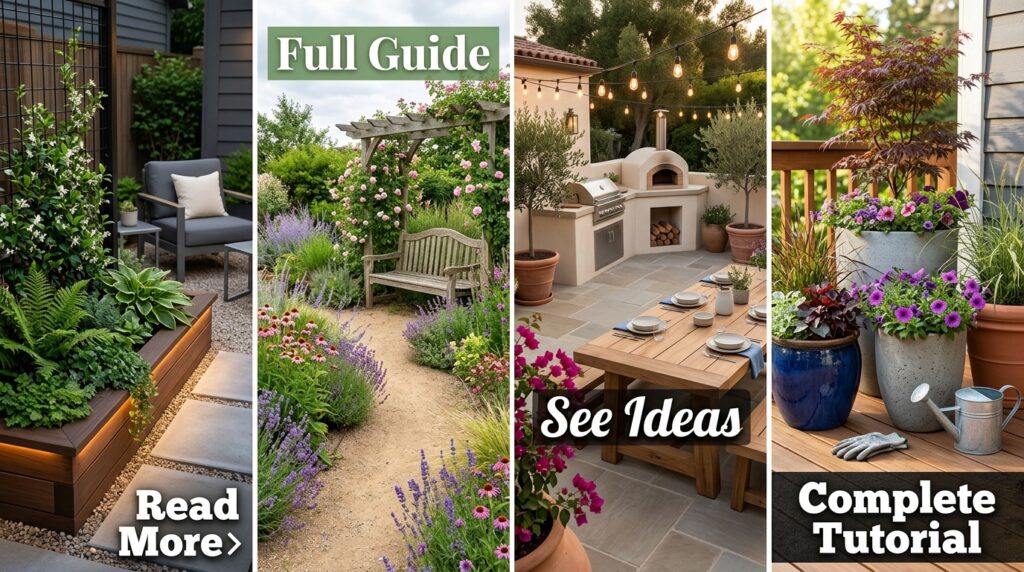
Modern Landscape Design
Clean, minimalist, and contemporary.
Features:
- Geometric layouts
- Architectural plants
- Neutral colors
- Concrete and metal accents
Cottage Garden Design
Colorful and romantic.
Include:
- Mixed flower beds
- Curved pathways
- Climbing roses
- Rustic elements
Mediterranean Landscape
Inspired by Southern Europe.
Features:
- Olive trees
- Lavender
- Gravel pathways
- Terracotta containers
Tropical Garden Design
Lush and exotic.
Popular Elements:
- Palm trees
- Large-leaf plants
- Water features
- Dense planting
Garden Landscape Layout Ideas
Formal Layout
Structured and symmetrical.
Best For:
- Traditional homes
- Elegant gardens
Informal Layout
Natural and relaxed appearance.
Features:
- Curved borders
- Organic plant groupings
- Meandering pathways
Multi-Zone Layout
Divides the garden into functional spaces.
Examples:
- Dining area
- Lounge area
- Vegetable garden
- Flower garden
Essential Elements of Garden Landscape Design
Planting Beds
Create color, texture, and seasonal interest.
Include:
- Perennials
- Annual flowers
- Shrubs
- Ground covers
Trees
Provide shade, structure, and focal points.
Popular Choices:
- Japanese maple
- Magnolia
- Dogwood
- Olive tree
Pathways
Guide movement through the garden.
Materials:
- Natural stone
- Brick
- Gravel
- Concrete pavers
Outdoor Seating
Encourages relaxation and enjoyment.
Ideas:
- Benches
- Outdoor sofas
- Dining sets
- Pergola seating
Water Features in Landscape Design
Water creates movement and tranquility.
Fountains
Suitable for gardens of all sizes.
Ponds
Support wildlife and create focal points.
Waterfalls
Add sound and visual interest.
Reflecting Pools
Elegant and calming.
Garden Lighting Design
Lighting extends the usability of outdoor spaces.
Path Lighting
Improves safety and visibility.
Uplighting
Highlights trees and architectural features.
String Lights
Create a cozy atmosphere.
Lanterns
Add decorative charm.
Small Garden Landscape Design Ideas
Even compact spaces can have impressive landscapes.
Vertical Gardens
Maximize planting space.
Container Gardening
Flexible and decorative.
Mirrors
Create the illusion of more space.
Multi-Functional Features
Combine seating, storage, and planting.
Front Yard Landscape Design
The front yard sets the tone for the entire property.
Popular Features:
- Symmetrical planting
- Flower borders
- Decorative pathways
- Statement trees
Focus on curb appeal and welcoming design.
Backyard Landscape Design Ideas
Backyards often serve as outdoor living spaces.
Include:
- Patios
- Outdoor kitchens
- Fire pits
- Garden beds
- Entertainment areas
Sustainable Landscape Design
Environmentally friendly gardens are increasingly popular.
Sustainable Practices:
- Native plants
- Rainwater harvesting
- Composting
- Drought-tolerant landscaping
- Pollinator gardens
These approaches reduce maintenance and resource consumption.
Seasonal Landscape Planning
Spring
Fresh growth and flowering plants.
Summer
Outdoor entertaining and vibrant colors.
Autumn
Colorful foliage and ornamental grasses.
Winter
Evergreens and structural interest.
Common Landscape Design Mistakes
Overcrowding Plants
Allow space for mature growth.
Ignoring Maintenance Requirements
Choose plants that fit your lifestyle.
Lack of Focal Points
Create visual anchors throughout the garden.
Poor Pathway Planning
Ensure easy movement through the space.
Garden Landscape Design Trends
Current trends include:
- Outdoor living rooms
- Native plant gardens
- Pollinator-friendly landscapes
- Sustainable gardening
- Water-wise planting
- Edible landscaping
These trends combine beauty, functionality, and environmental responsibility.
How to Design a Garden Landscape
Step 1: Analyze Your Space
Assess sunlight, soil, drainage, and climate.
Step 2: Choose a Style
Select a theme that complements your home.
Step 3: Create a Layout Plan
Organize pathways, planting beds, and activity areas.
Step 4: Select Plants
Choose species suitable for your region and maintenance preferences.
Step 5: Add Hardscape Features
Install patios, pathways, walls, and structures.
Step 6: Incorporate Lighting and Décor
Enhance beauty and usability.
Step 7: Maintain and Refine
Gardens evolve and improve over time.
Conclusion
A thoughtfully planned garden landscape design can transform any outdoor space into a beautiful and functional environment. Whether you prefer a modern landscape, a romantic cottage garden, a Mediterranean retreat, or a tropical oasis, successful design combines plants, structures, pathways, and outdoor living features in a harmonious way.
By focusing on balance, functionality, sustainability, and personal style, you can create a garden landscape that enhances your property and provides enjoyment for many years to come.