
 By John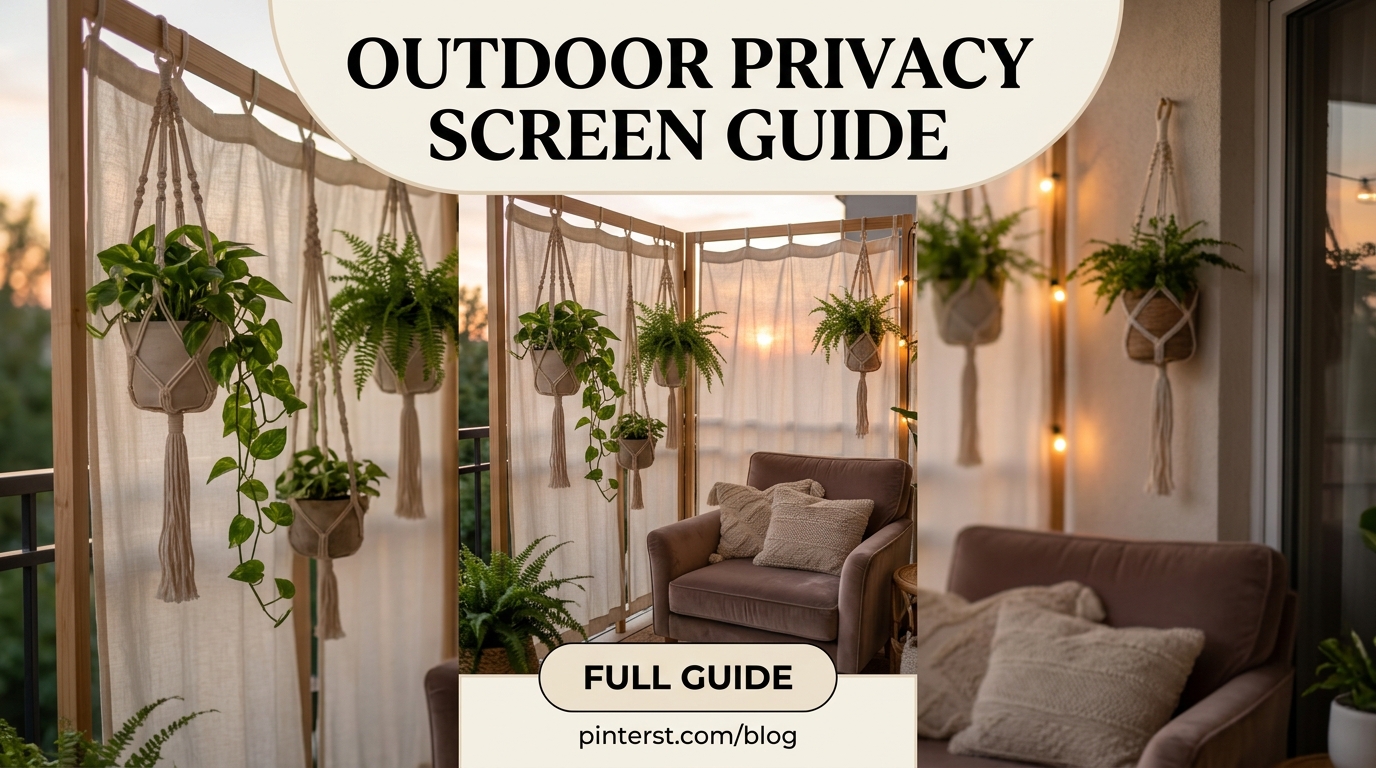
A garden privacy screen is a practical and decorative way to create separation, block unwanted views, define outdoor rooms, and make a garden feel more private. From wooden panels and living screens to bamboo, trellises, pergolas, and modern metal designs, privacy screens can suit almost any landscape style.
Whether you have a small backyard, balcony, patio, courtyard, or large garden, the right privacy solution can make your outdoor space feel more comfortable and secluded.
What Is a Garden Privacy Screen?
A garden privacy screen is a structure or planting feature used to reduce visibility between an outdoor space and its surroundings.
Popular options include:
- Wooden screens
- Bamboo fencing
- Trellis panels
- Living walls
- Hedges
- Tall shrubs
- Metal panels
- Slatted fences
- Outdoor curtains
- Pergolas
- Climbing plants
A good privacy screen should balance privacy, airflow, sunlight, appearance, and practical access.
Benefits of Garden Privacy Screens
Privacy screens can:
- Block unwanted views
- Create a secluded atmosphere
- Define outdoor rooms
- Hide unattractive areas
- Add architectural interest
- Provide support for climbing plants
- Reduce visual clutter
- Improve the feeling of a small garden
1. Wooden Garden Privacy Screen
Wood is one of the most versatile privacy-screen materials.
Use horizontal or vertical boards to create a clean backdrop.
Choose exterior-rated timber and maintain it according to the manufacturer’s recommendations.
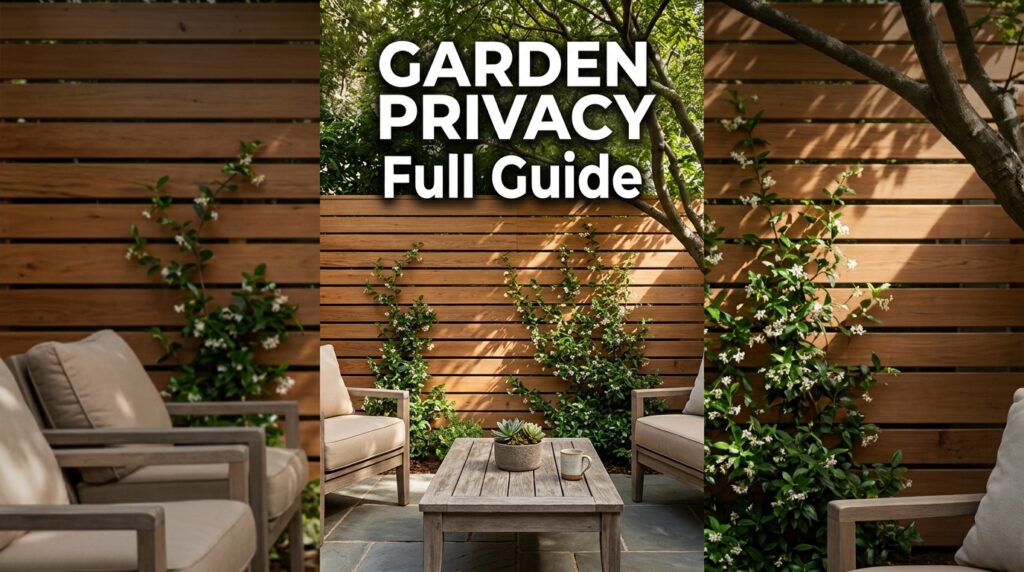
2. Modern Slatted Privacy Screen
Vertical or horizontal slats create a contemporary appearance.
The gaps allow some sunlight and airflow while reducing direct views.
Adjust the spacing according to the level of privacy required.
3. Bamboo Garden Privacy Screen
Bamboo can create a natural, tropical-inspired appearance.
Use properly installed screening or clumping bamboo varieties suited to your climate.
Avoid planting running bamboo without appropriate containment.
4. Living Privacy Screen
Plants can provide privacy while adding greenery.
Consider:
- Hedges
- Shrubs
- Ornamental grasses
- Small trees
- Climbing plants
Choose species based on mature height, width, sunlight, and maintenance needs.
5. Garden Privacy Screen With Trellis
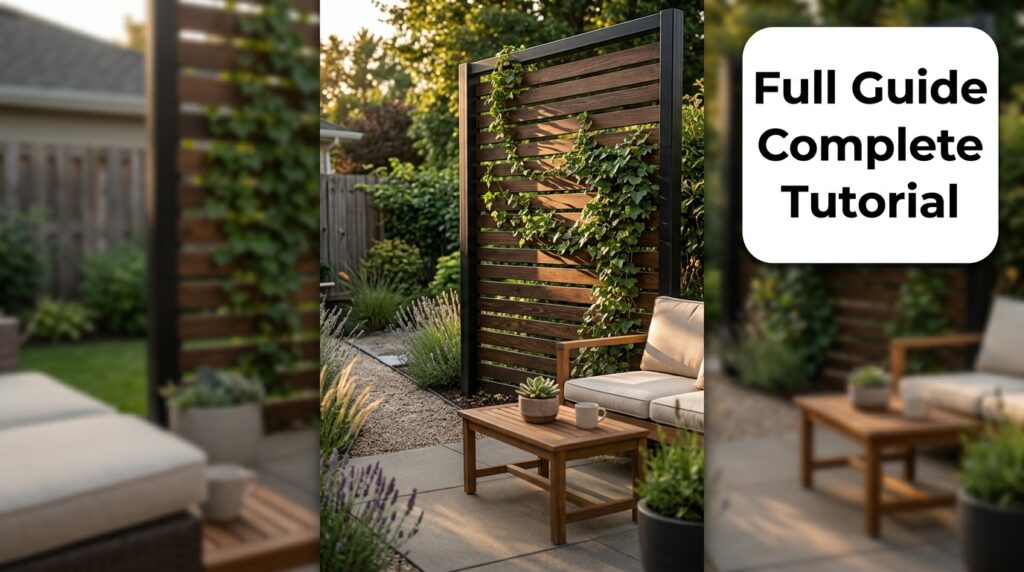
A trellis combines structure and planting.
Train suitable vines across the screen to create a living green wall.
Make sure the trellis is strong enough for the mature plant.
6. Garden Privacy Screen With Climbing Roses
Climbing roses can create a romantic garden screen.
Use a sturdy support system and maintain the plants regularly.
Keep thorny varieties away from high-traffic pathways.
7. Garden Privacy Screen With Ivy
Ivy can quickly cover a structure in suitable conditions.
However, some ivy species can become invasive or damage structures.
Research the species carefully before planting.
8. Garden Privacy Screen With Ornamental Grasses
Tall ornamental grasses can create a soft, moving privacy barrier.
They are especially useful for informal gardens and patios.
Select varieties appropriate for the local climate and available space.
9. Garden Privacy Screen With Hedges
Hedges provide a traditional living boundary.
Options vary from low informal hedges to taller evergreen screens.
Prune according to the plant’s growth requirements.
10. Evergreen Privacy Screen
Evergreen plants can provide year-round screening.
Choose species that match the garden’s climate and mature size.
Avoid planting large trees too close to buildings or utility lines.
11. Small Garden Privacy Screen
Small gardens benefit from lightweight, visually open screens.
Try:
- Narrow trellis panels
- Slatted wood
- Tall containers
- Vertical planting
- Decorative metal screens
Avoid solid walls that can make a small space feel enclosed.
12. Patio Privacy Screen
A patio screen can create a private outdoor lounge.
Combine a screen with comfortable furniture, containers, and outdoor lighting.
13. Balcony Privacy Screen
Use lightweight screening, outdoor curtains, or tall containers where permitted.
Check building rules and make sure anything attached to the balcony is securely installed.
14. Courtyard Privacy Screen
A courtyard can use screens to create separate garden rooms.
Combine walls, trellises, plants, and seating to create a secluded atmosphere.
15. Poolside Privacy Screen
Privacy screens can make pool areas feel more secluded.
Use materials that tolerate moisture and outdoor exposure.
Avoid structures that obstruct required safety access or visibility around the pool.
16. Outdoor Dining Privacy Screen
Use screens around an outdoor dining area to create an intimate atmosphere.
Tall planters, slatted panels, or hedges can separate the dining area without making it feel enclosed.
17. Garden Privacy Screen for a Hot Tub
A screen can make a hot tub area feel more private.
Consider:
- Timber slats
- Bamboo
- Pergolas
- Outdoor curtains
- Evergreen planting
Ensure adequate ventilation and follow local safety requirements around electrical equipment and water.
18. Garden Privacy Screen With Planters
Attach or position planters alongside a privacy panel.
Plants soften the structure while adding color and texture.
Choose stable containers that won’t easily tip.
19. Garden Privacy Screen With Hanging Plants
Use hanging baskets to soften a vertical screen.
Select plants based on the screen’s sunlight exposure.
Secure baskets properly and prevent them from obstructing walkways.
20. Garden Privacy Screen With Flowers
Flowering plants can turn a functional screen into a decorative garden feature.
Try climbing flowers or tall flowering plants suited to your climate.
21. Garden Privacy Screen With Pergola
A pergola can create an outdoor room while supporting climbing plants.
Add curtains or slatted panels to increase privacy.
Keep climbing plants maintained so they don’t interfere with the structure.
22. Garden Privacy Screen With Outdoor Curtains
Outdoor curtains provide flexible privacy.
They can be opened during the day and closed when more seclusion is needed.
Choose weather-resistant fabrics and secure them against wind.
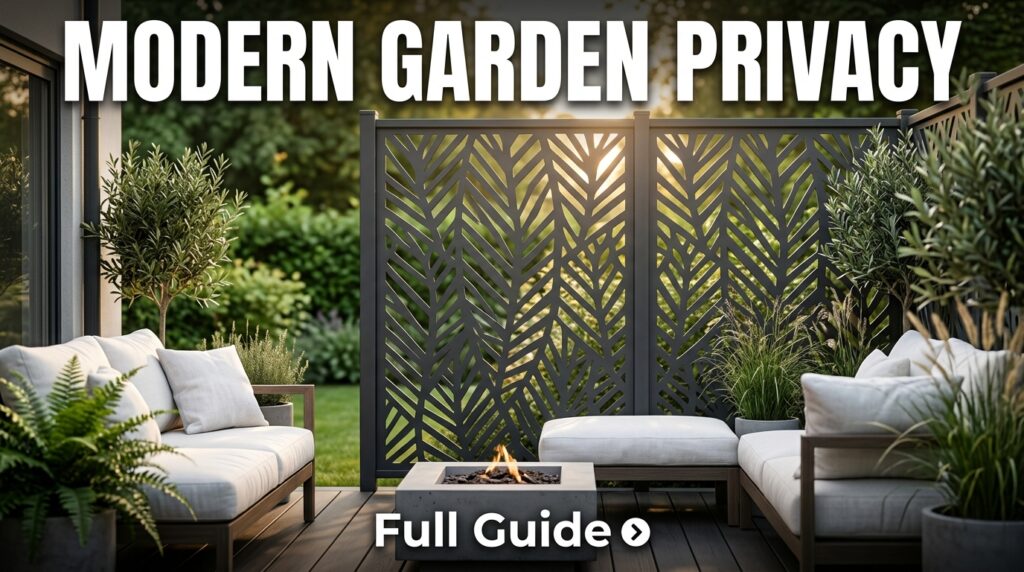
23. Garden Privacy Screen With Metal Panels
Decorative metal panels can provide privacy while adding architectural interest.
Laser-cut patterns can create attractive shadows.
Use corrosion-resistant finishes suitable for outdoor conditions.
24. Garden Privacy Screen With Corten Steel
Weathered steel can create a modern landscape feature.
Its warm rust-like appearance contrasts beautifully with green foliage.
Use it where its weathering and drainage characteristics are appropriate.
25. Garden Privacy Screen With Stone
A stone wall provides substantial privacy and durability.
Use it as a backdrop for planting or seating.
Consider professional installation for tall or structurally significant walls.
26. Garden Privacy Screen With Brick
Brick walls work well with traditional, cottage, and English-style gardens.
Add climbing plants or containers to soften the hard surface.
27. Garden Privacy Screen With Reclaimed Wood
Reclaimed wood can create a rustic appearance.
Make sure the material is structurally sound and free from hazardous treatments, protruding nails, and sharp edges.
28. DIY Garden Privacy Screen
A simple screen can be created from exterior-rated timber and sturdy posts.
Materials
You may need:
- Outdoor-rated timber
- Posts
- Exterior screws
- Gravel or concrete for suitable foundations
- Outdoor finish
- Optional trellis
- Climbing plants
Steps
- Measure the area requiring privacy.
- Check property boundaries and local restrictions.
- Choose the screen height and style.
- Mark the post positions.
- Install secure posts using an appropriate foundation.
- Attach the panels or slats.
- Check that the structure is level and stable.
- Apply an appropriate exterior finish if needed.
- Add plants or decorative features.
For larger or structural screens, use appropriate professional guidance.
29. Budget Garden Privacy Screen
You don’t need an expensive structure.
Consider:
- Simple trellis
- Reused planters
- Outdoor curtains
- Fast-growing but non-invasive plants
- Slatted timber
- Reclaimed materials
Prioritize safety and durability over temporary decorative solutions.
30. Garden Privacy Screen With Recycled Materials
Old shutters, doors, pallets, or suitable reclaimed timber can sometimes be repurposed.
Inspect materials carefully for structural damage, chemicals, nails, and splinters before using them.
31. Garden Privacy Screen With Lattice
Lattice provides partial privacy while allowing light and airflow.
Combine it with climbing plants for a softer appearance.
32. Garden Privacy Screen With Pallets
Pallets can create a rustic garden feature when properly prepared.
Use only pallets known to be suitable for your intended application and avoid damaged or chemically contaminated materials.
33. Garden Privacy Screen With a Vertical Garden
Turn the privacy structure into a living wall.
Use containers or modular planters and select plants according to light and irrigation conditions.
34. Garden Privacy Screen With a Water Feature
A privacy wall can become the backdrop for a fountain.
The combination of water, greenery, and screening can create a peaceful outdoor retreat.
35. Garden Privacy Screen With Lighting
Add subtle lighting to highlight the screen after dark.
Try:
- Wall lights
- Uplights
- String lights
- Solar fixtures
Use outdoor-rated equipment and install electrical systems appropriately.
36. Garden Privacy Screen for a Secret Garden
Combine a tall gate, climbing plants, hedges, and weathered materials to create a secluded garden entrance.
A winding path can make the space feel more mysterious.
37. Garden Privacy Screen for a Modern Garden
Choose clean-lined materials such as:
- Dark metal
- Concrete
- Slatted wood
- Minimalist planters
Use a limited plant palette for a contemporary appearance.
38. Garden Privacy Screen for a Cottage Garden
Use trellises, natural wood, flowering vines, and informal hedges.
Let planting soften the boundaries rather than creating a perfectly uniform barrier.
39. Garden Privacy Screen for a Tropical Garden
Use suitable palms, large-leaved plants, bamboo screening, and dense greenery.
Choose species appropriate to your local climate.
40. Garden Privacy Screen With a Garden Room
A screen can help create an outdoor room for:
- Dining
- Reading
- Relaxing
- Entertaining
- Gardening
- Yoga
Combine the screen with flooring, seating, lighting, and plants to create a cohesive space.
Best Plants for Garden Privacy Screens
Plant choices depend on climate and space.
Potential options include:
- Evergreen shrubs
- Clumping bamboo
- Ornamental grasses
- Climbing roses
- Jasmine where suitable
- Clematis
- Honeysuckle where non-invasive
- Tall grasses
- Dense shrubs
- Small screening trees
Always check mature size, invasive potential, and local growing conditions before planting.
Garden Privacy Screen Color Ideas
Natural Wood
Warm, timeless, and versatile.
Black
Modern and dramatic.
White
Bright and cottage-inspired.
Dark Green
Blends naturally with plants.
Gray
Works well with contemporary landscaping.
Weathered Steel
Adds warmth and architectural character.
How to Choose the Right Privacy Screen
Consider the Required Height
Determine how much of the unwanted view needs to be blocked.
Check Sunlight
Avoid creating excessive shade for plants that require direct sun.
Consider Airflow
Solid screens can affect wind movement, while slatted designs allow more ventilation.
Think About Maintenance
Living screens require watering, pruning, and ongoing care.
Match Your Garden Style
Choose materials and colors that complement the existing landscape.
Check Local Regulations
Tall fences, walls, and boundary structures may require permission depending on location.
Common Garden Privacy Screen Mistakes
Making the Screen Too Tall
An unnecessarily tall screen can make a garden feel enclosed.
Ignoring Mature Plant Size
Plants that seem small at installation can become difficult to manage later.
Blocking All Light
Solid screens can create unwanted shade.
Poor Installation
Unstable posts or poorly secured panels can become dangerous in strong winds.
Choosing Invasive Plants
Fast-growing plants aren’t always good screening plants.
Forgetting Maintenance Access
Leave enough room to prune, repair, and clean the screen.
Frequently Asked Questions
What is the best garden privacy screen?
The best option depends on your garden, budget, climate, and desired style. Slatted wood, trellises, hedges, bamboo screening, and living walls are all popular choices.
How can I create privacy in a small garden?
Use vertical planting, narrow slatted screens, trellises, tall containers, or carefully positioned shrubs instead of bulky solid walls.
What plants make good privacy screens?
Evergreen shrubs, clumping bamboo, ornamental grasses, and suitable climbing plants can provide effective screening when matched to the climate and available space.
How tall should a garden privacy screen be?
The ideal height depends on what you need to conceal and local regulations. Measure sightlines from nearby windows, patios, and seating areas before deciding.
Can a privacy screen make a garden look smaller?
Yes, especially if it is tall, solid, and dark. Slatted screens, greenery, light-colored materials, and layered planting can make the enclosure feel more open.
Conclusion
A garden privacy screen can combine practicality and beauty while transforming an exposed outdoor area into a comfortable private retreat. Whether you prefer natural hedges, wooden slats, bamboo, decorative metal, climbing plants, or a modern living wall, there is a solution for almost every garden.
Start by identifying where privacy is actually needed, then choose a screen that balances privacy with light, airflow, maintenance, and garden style. With thoughtful placement and suitable planting, a privacy screen can become one of the most attractive features in your landscape.