
 By John
A witch garden design combines nature, folklore, herbal traditions, and mystical charm to create a peaceful outdoor sanctuary. Inspired by cottage gardens, woodland landscapes, and traditional herb gardens, a witch’s garden is filled with medicinal plants, fragrant herbs, moon-loving flowers, natural stone, and enchanting decorative elements. Whether you follow modern witchcraft, appreciate folklore, or simply love whimsical gardens, a thoughtfully designed witch garden offers a beautiful space for relaxation, meditation, and connecting with nature.
Unlike formal gardens with perfectly trimmed hedges and symmetrical layouts, witch gardens embrace a natural, slightly wild appearance. Overflowing flower beds, winding paths, weathered wood, moss-covered stones, and abundant herbs create an atmosphere that feels ancient, magical, and alive.
This complete guide explores everything you need to know about planning, planting, decorating, and maintaining a stunning witch garden.
What Is a Witch Garden?
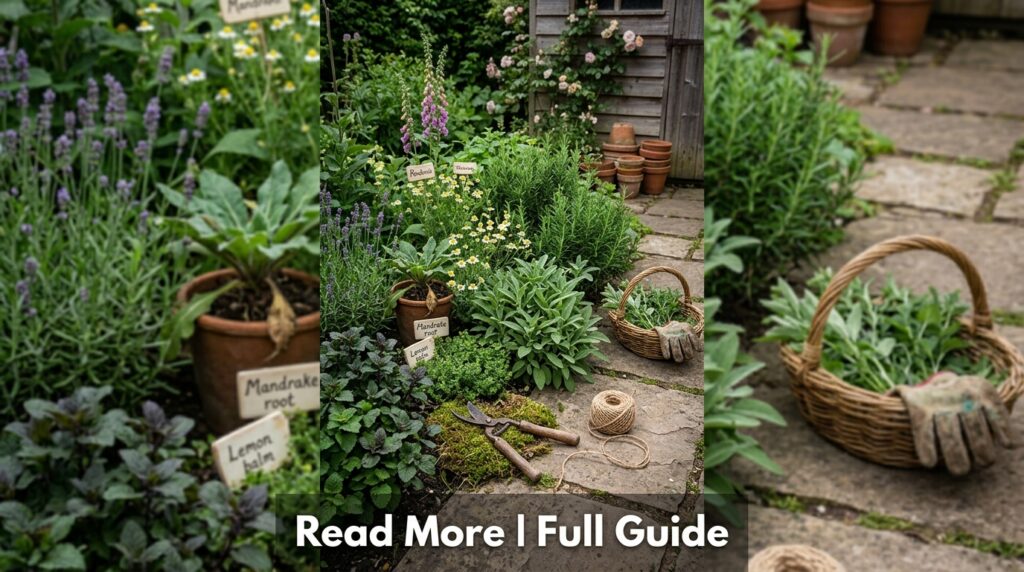
A witch garden is a nature-inspired outdoor space centered around herbs, medicinal plants, flowers, and symbolic elements associated with folklore, healing, and seasonal traditions. While inspired by historical herb gardens and mythology, modern witch gardens are primarily places of beauty, mindfulness, and appreciation for the natural world.
Typical features include:
- Healing herbs
- Wildflowers
- Moon gardens
- Rustic pathways
- Natural stone
- Wooden structures
- Crystal displays
- Bird-friendly habitats
- Water features
- Herbal planting beds
The overall design encourages harmony with nature rather than strict formality.
Benefits of Creating a Witch Garden
A witch garden offers much more than visual beauty.
Benefits include:
- Peaceful outdoor retreat
- Fresh culinary herbs
- Pollinator habitat
- Relaxation and meditation space
- Wildlife support
- Fragrant surroundings
- Seasonal beauty
- Low-maintenance natural landscaping
Many gardeners also enjoy growing herbs for cooking, teas, crafts, and natural home remedies.
Choosing the Perfect Location

Select a location that encourages tranquility and healthy plant growth.
Ideal conditions include:
- Partial to full sunlight
- Well-drained soil
- Shelter from strong winds
- Easy access for maintenance
- Quiet surroundings
A secluded corner of the yard often creates the most magical atmosphere.
Essential Plants for a Witch Garden
Plant selection forms the heart of the garden.
Popular choices include:
Lavender
Lavender provides fragrance, attracts pollinators, and adds beautiful purple blooms throughout summer.
Rosemary
Rosemary is valued for its culinary uses, evergreen foliage, and pleasant aroma.
Sage
Garden sage offers attractive gray-green leaves and is commonly grown in herb gardens.
Thyme
Thyme creates fragrant ground cover while attracting bees.
Mint
Mint grows vigorously and is ideal for teas and refreshing scents, though it is best planted in containers to control spreading.
Chamomile
Chamomile produces delicate flowers that attract beneficial insects and can be harvested for herbal tea.
Lemon Balm
Known for its fresh citrus scent, lemon balm grows easily in most herb gardens.
Mugwort
Mugwort has long been cultivated in traditional herbal gardens and adds texture to planting beds.
Foxgloves
Foxgloves provide dramatic vertical flowers that create a fairytale woodland appearance. Note that all parts of the plant are toxic if ingested, so they should be grown with care around children and pets.
Yarrow
Yarrow is a hardy perennial that attracts butterflies while adding clusters of colorful flowers.
Moon Garden Ideas
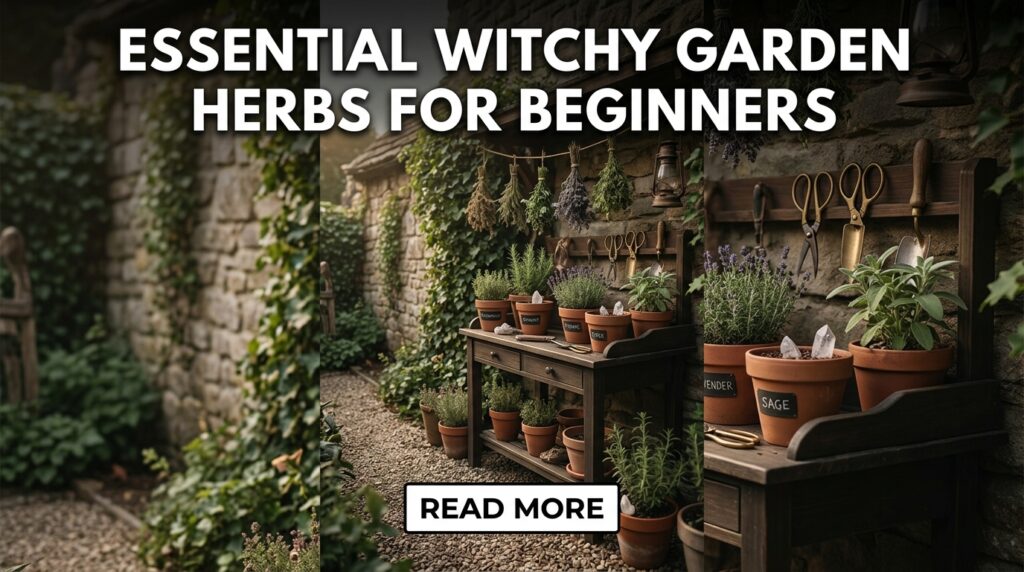
Many witch gardens include a moon garden featuring pale flowers that glow beautifully in evening light.
Excellent choices include:
- White roses
- White lilies
- Moonflowers
- White hydrangeas
- White petunias
- Silver foliage plants
Soft outdoor lighting enhances the magical nighttime atmosphere.
Garden Layout Ideas
Circular Herb Garden
Arrange herbs in circular beds with a decorative centerpiece such as a birdbath or sundial.
Woodland Garden
Use natural pathways winding through ferns, mosses, wildflowers, and mature trees.
Cottage Garden
Allow flowers and herbs to intermingle naturally, creating a relaxed and abundant appearance.
Spiral Herb Garden
Construct a raised spiral using natural stone, allowing different herbs to grow according to their moisture and sunlight preferences.
Natural Pathways
Curved pathways encourage exploration.
Popular materials include:
- Gravel
- Bark mulch
- Natural flagstone
- Moss-covered stepping stones
- Crushed stone
Avoid perfectly straight paths to maintain the organic feel.
Decorative Features
Accessories bring personality to a witch garden.
Ideas include:
- Rustic wooden benches
- Stone birdbaths
- Cast iron cauldrons as planters
- Vintage lanterns
- Garden arches
- Trellises
- Weathered fences
- Decorative branches
- Hanging herb bundles
Choose natural materials that age gracefully.
Water Features
Water adds movement and tranquility.
Suitable features include:
- Small ponds
- Stone fountains
- Birdbaths
- Rain chains
- Mini waterfalls
The sound of flowing water creates a peaceful environment while attracting wildlife.
Wildlife-Friendly Garden
Encourage beneficial visitors by including:
- Bee-friendly flowers
- Butterfly plants
- Bird feeders
- Native shrubs
- Pollinator hotels
- Shallow water dishes
A thriving ecosystem supports healthier plants and greater biodiversity.
Trees for a Witch Garden
Small ornamental trees provide structure and shade.
Popular options include:
- Hawthorn
- Rowan
- Crabapple
- Birch
- Willow
- Japanese maple
These trees create a woodland atmosphere while providing seasonal interest.
Garden Furniture
Comfortable seating allows you to enjoy the space.
Choose:
- Wooden benches
- Rustic chairs
- Wrought iron seating
- Tree stump stools
- Swing benches
- Small bistro tables
Natural finishes complement the overall design.
Outdoor Lighting
Warm lighting creates an enchanting evening atmosphere.
Ideas include:
- Solar lanterns
- Hanging lanterns
- Candle holders
- Fairy lights
- Path lights
- LED candles
Avoid overly bright lighting that disrupts the garden’s peaceful mood.
Growing Herbs Successfully
Most herbs require:
- Well-drained soil
- Full sun
- Moderate watering
- Regular harvesting
- Occasional pruning
Grouping herbs with similar growing requirements makes maintenance easier.
Sustainable Witch Garden Design
Eco-friendly practices fit naturally within a witch garden.
Include:
- Rainwater harvesting
- Compost bins
- Organic mulch
- Native plants
- Natural pest control
- Recycled garden materials
Sustainable gardening benefits both plants and local wildlife.
Seasonal Interest
Plan for year-round beauty.
Spring
Plant:
- Primroses
- Daffodils
- Tulips
- Chives
Summer
Enjoy:
- Lavender
- Chamomile
- Roses
- Bee balm
Autumn
Feature:
- Ornamental grasses
- Sedum
- Chrysanthemums
- Colorful foliage
Winter
Maintain interest with:
- Evergreen herbs
- Holly
- Decorative branches
- Winter berries
Seasonal variety keeps the garden vibrant throughout the year.
Small Witch Garden Ideas
Limited spaces can still feel magical.
Ideas include:
- Container herb gardens
- Vertical planters
- Window boxes
- Hanging baskets
- Mini water fountains
- Compact seating
- Trellised vines
Even a balcony or small courtyard can become an enchanting retreat.
Indoor Extension
Bring the atmosphere indoors with:
- Potted herbs
- Dried flower arrangements
- Botanical artwork
- Wooden shelves
- Natural textiles
- Handmade pottery
This creates continuity between your indoor and outdoor spaces.
Maintenance Tips
Keep your witch garden thriving with regular care.
Tasks include:
- Watering during dry periods
- Harvesting herbs
- Pruning dead growth
- Adding compost
- Refreshing mulch
- Cleaning pathways
- Dividing perennials
Routine care encourages healthy growth and abundant blooms.
Common Design Mistakes
Avoid these common issues:
- Overcrowding plants
- Ignoring sunlight needs
- Poor drainage
- Excessive decoration
- Planting invasive herbs without containment
- Lack of seating
- Using synthetic-looking materials
Keeping the design simple and natural creates a more authentic atmosphere.
Why Witch Gardens Continue to Grow in Popularity
Homeowners increasingly appreciate witch gardens because they offer:
- Natural beauty
- Relaxing outdoor spaces
- Wildlife support
- Culinary herbs
- Low-maintenance landscaping
- Cottage garden charm
- Opportunities for mindfulness and creativity
The combination of practical gardening and enchanting design makes this style appealing to gardeners of all experience levels.
Frequently Asked Questions
What plants belong in a witch garden?
Popular choices include lavender, rosemary, sage, thyme, chamomile, lemon balm, yarrow, mugwort, mint, and foxgloves.
Does a witch garden require a large yard?
No. A witch garden can be created in a small backyard, courtyard, patio, or even on a balcony using containers.
Are witch gardens difficult to maintain?
Most are relatively low maintenance, especially when planted with hardy herbs and native perennials suited to the local climate.
Can I grow vegetables in a witch garden?
Yes. Many gardeners include vegetables alongside herbs and flowers to create a productive kitchen garden with a natural cottage-style appearance.
What style best suits a witch garden?
Woodland, cottage, rustic, and naturalistic garden styles all complement the relaxed and magical character of a witch garden.
Conclusion
A witch garden design is a beautiful way to celebrate nature, creativity, and the timeless appeal of herbal gardening. By combining fragrant herbs, flowering perennials, natural pathways, rustic furniture, and wildlife-friendly features, you can create an enchanting outdoor retreat that feels both peaceful and practical.
Whether your goal is to grow fresh herbs, attract pollinators, enjoy quiet moments outdoors, or simply design a garden filled with woodland charm, a witch garden offers endless opportunities for personalization. With thoughtful planning, sustainable practices, and seasonal care, your magical garden will continue to flourish, providing beauty, fragrance, and inspiration throughout the year.