
 By John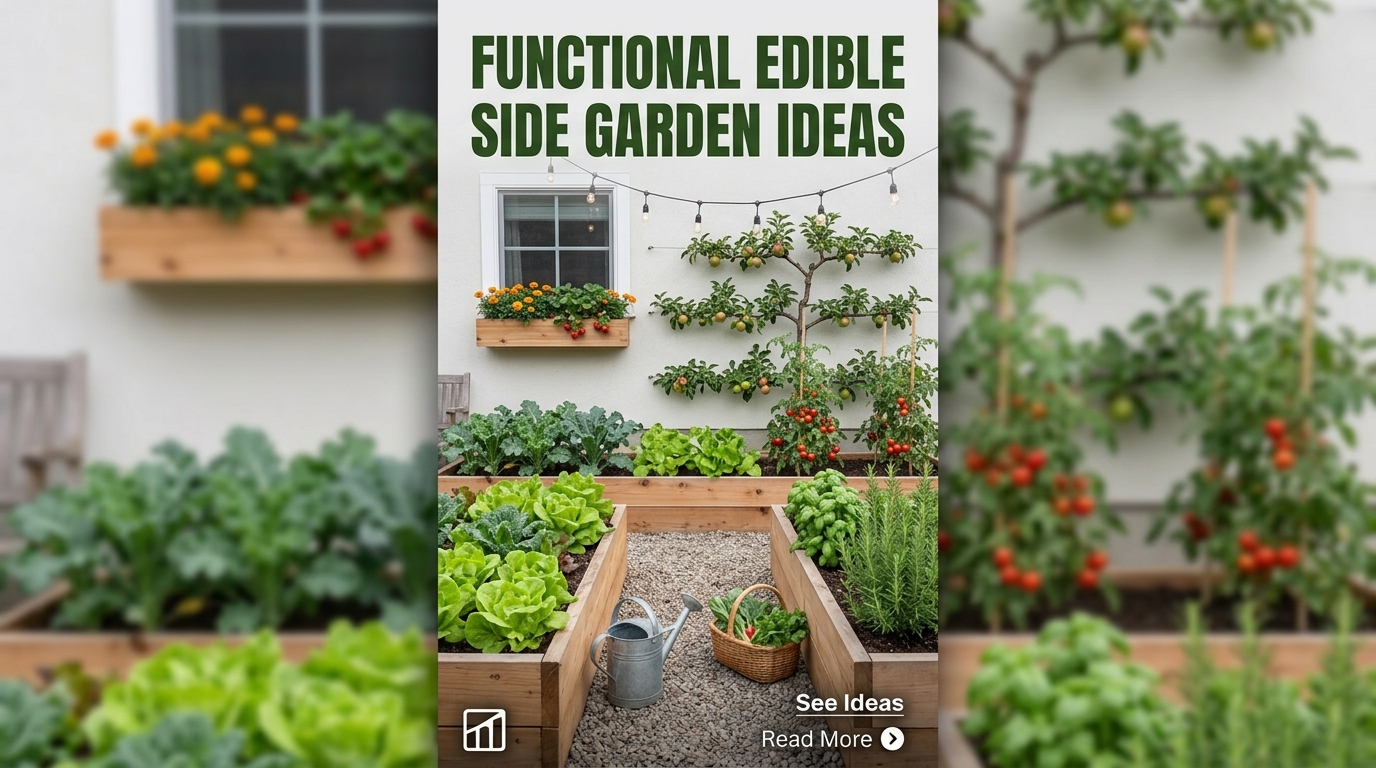
A side garden is often one of the most overlooked areas of a home’s landscape, yet it has the potential to become one of the most beautiful and practical spaces on your property. Whether your side yard is narrow, wide, shaded, or sunny, thoughtful design can transform it into a charming garden filled with colorful plants, inviting pathways, and useful features. From lush flower borders and vegetable beds to peaceful seating areas and decorative walkways, a well-planned side garden adds curb appeal, increases usable outdoor space, and enhances the overall character of your home.
Many homeowners treat side yards simply as access routes between the front and back of the house, but with the right combination of plants, hardscaping, and decorative elements, these spaces can become attractive extensions of the landscape. Even the smallest side garden can provide privacy, support pollinators, improve drainage, and create a welcoming transition between different areas of your property.
This complete guide explores everything you need to know about planning, designing, planting, and maintaining a beautiful side garden.
What Is a Side Garden?
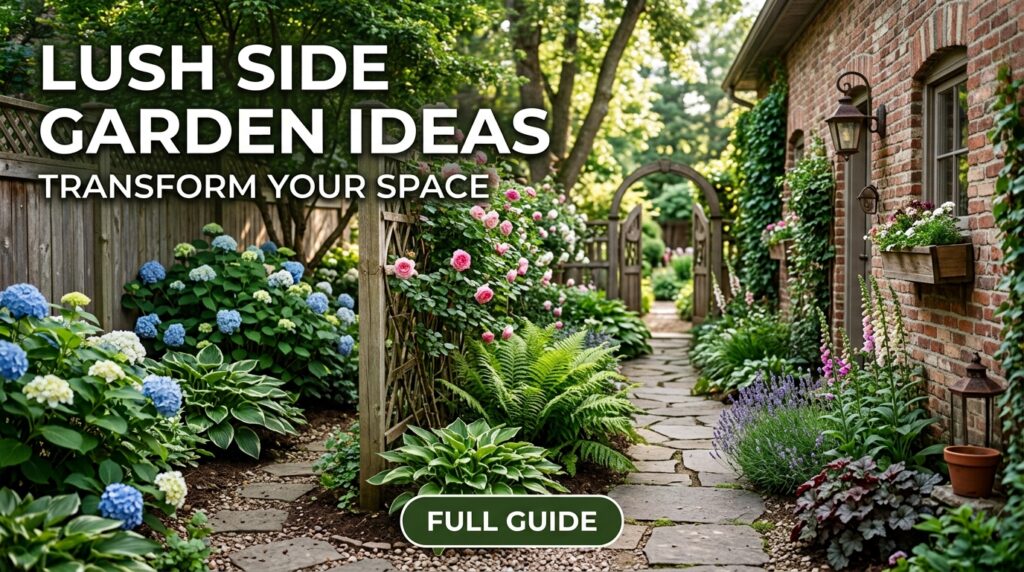
A side garden is the landscaped area located alongside a house or building. It may serve as a pathway, planting bed, utility space, or outdoor living area, depending on the available width and layout.
Side gardens can include:
- Flower beds
- Shrubs
- Trees
- Vegetable gardens
- Herb gardens
- Gravel pathways
- Seating areas
- Water features
- Decorative lighting
With thoughtful planning, a side garden becomes both attractive and highly functional.
Benefits of a Side Garden
Transforming a side yard offers many advantages.
Benefits include:
- Improves curb appeal
- Maximizes unused space
- Adds privacy
- Creates attractive walkways
- Supports wildlife and pollinators
- Increases property value
- Improves drainage
- Connects front and backyard landscapes
A well-designed side garden also makes everyday access around your home more enjoyable.
Evaluate Your Space
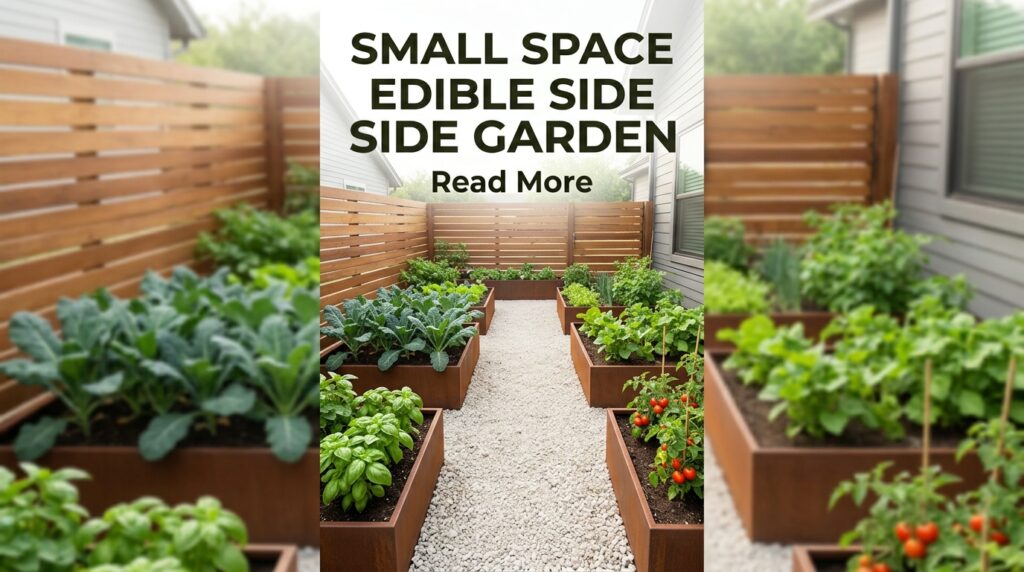
Before beginning your project, assess the site carefully.
Consider:
- Width of the side yard
- Sunlight throughout the day
- Existing drainage
- Soil quality
- Nearby windows
- Utility lines
- Access needs
Understanding these conditions helps you select the right plants and layout.
Plan the Layout
Sketch a simple plan before planting.
Include space for:
- Walkways
- Planting beds
- Decorative features
- Lighting
- Seating (if space allows)
- Storage
- Water access
Keep the layout uncluttered, especially in narrow side yards.
Build an Attractive Pathway
A pathway often becomes the main feature of a side garden.
Popular materials include:
- Gravel
- Brick
- Flagstone
- Concrete pavers
- Natural stone
Curved paths create a relaxed, natural look, while straight paths suit modern homes.
Choose a material that complements your home’s architecture.
Design Beautiful Planting Beds
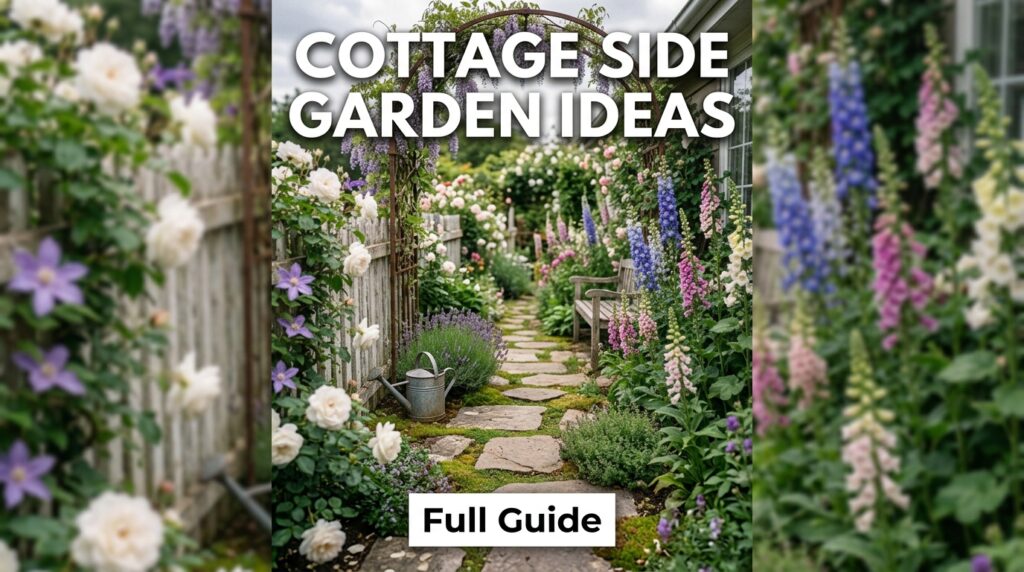
Planting beds soften the appearance of walls and fences.
Combine:
- Perennials
- Shrubs
- Ground covers
- Ornamental grasses
- Seasonal flowers
Layer plants by height to create depth and visual interest.
Choose Plants for Sunny Side Gardens
If your side yard receives full sun, select heat-loving plants.
Excellent choices include:
- Lavender
- Coneflowers
- Salvia
- Black-eyed Susans
- Daylilies
- Yarrow
- Russian sage
These plants provide colorful blooms while attracting pollinators.
Select Plants for Shady Side Gardens
Many side yards receive limited sunlight.
Shade-loving plants include:
- Hostas
- Ferns
- Astilbe
- Coral bells
- Bleeding heart
- Japanese forest grass
- Hydrangeas
These plants create lush greenery even in darker areas.
Add Evergreen Structure
Evergreen shrubs provide year-round beauty.
Popular options include:
- Boxwood
- Holly
- Yew
- Juniper
- Dwarf arborvitae
Evergreens help maintain structure during winter months.
Incorporate Climbing Plants
Vertical gardening makes narrow spaces feel larger.
Grow climbing plants on:
- Trellises
- Walls
- Fences
- Arbors
Beautiful climbers include:
- Clematis
- Climbing roses
- Jasmine
- Honeysuckle
- Star jasmine
Vertical greenery adds softness without taking up much ground space.
Create a Small Seating Area
If space allows, include a quiet place to relax.
Ideas include:
- Garden bench
- Bistro table
- Adirondack chair
- Built-in seating
Surround seating with fragrant flowers for a peaceful retreat.
Install Raised Garden Beds
Raised beds make gardening easier while creating neat, organized planting areas.
They work well for:
- Vegetables
- Herbs
- Flowers
- Pollinator gardens
Wood, galvanized steel, brick, or stone all make excellent raised bed materials.
Grow a Side Herb Garden
A narrow side yard is ideal for herbs.
Popular choices include:
- Basil
- Rosemary
- Thyme
- Parsley
- Oregano
- Chives
- Sage
- Mint (grown in containers)
Herbs provide beauty, fragrance, and fresh ingredients for cooking.
Add Decorative Lighting
Lighting improves both safety and atmosphere.
Popular options include:
- Solar pathway lights
- Wall sconces
- Lanterns
- String lights
- Spotlights
Warm lighting creates an inviting walkway after sunset.
Install Water Features
Even a small water feature can transform a side garden.
Ideas include:
- Wall fountain
- Bird bath
- Small pond
- Bubbling urn
Moving water adds relaxing sound and attracts birds.
Improve Privacy
Create a secluded atmosphere using:
- Decorative fencing
- Trellises
- Hedges
- Bamboo screens
- Tall ornamental grasses
Privacy features also help define the garden space.
Add Decorative Elements
Garden accessories add personality.
Ideas include:
- Ceramic pots
- Sculptures
- Garden mirrors
- Decorative stones
- Metal artwork
- Vintage watering cans
Keep decorations balanced to avoid visual clutter.
Mulch the Garden
Mulching improves both appearance and plant health.
Benefits include:
- Moisture retention
- Weed suppression
- Temperature regulation
- Improved soil quality
Organic mulch options include:
- Bark chips
- Shredded leaves
- Pine bark
- Compost
Apply a two- to three-inch layer around plants.
Water Efficiently
Consistent watering keeps plants healthy.
Best practices include:
- Water deeply
- Water early in the morning
- Install drip irrigation
- Avoid wetting foliage
Efficient watering conserves water while encouraging deep root growth.
Seasonal Maintenance
Spring
- Add compost
- Plant annual flowers
- Prune shrubs
- Refresh mulch
Summer
- Water regularly
- Remove weeds
- Deadhead flowers
- Monitor pests
Autumn
- Plant bulbs
- Divide perennials
- Clean fallen leaves
- Prepare plants for winter
Winter
- Protect tender plants
- Inspect pathways
- Repair edging
- Plan next year’s improvements
Regular care keeps the side garden attractive throughout the year.
Budget-Friendly Side Garden Ideas
Beautify your side yard without spending a fortune.
Affordable ideas include:
- Grow plants from seed
- Divide existing perennials
- Use reclaimed bricks for edging
- Install gravel pathways
- Repurpose containers
- Make homemade compost
- Add solar-powered lighting
Small improvements can have a big impact over time.
Common Mistakes to Avoid
Avoid these common design mistakes:
- Overcrowding narrow spaces
- Ignoring drainage issues
- Choosing plants unsuitable for available sunlight
- Planting too close to the house
- Forgetting pathway clearance
- Using too many decorative items
Simple, well-planned designs often create the most attractive results.
Final Thoughts
A thoughtfully designed side garden can transform an overlooked strip of land into one of the most attractive and useful areas of your landscape. Whether you create a flower-filled pathway, a productive herb garden, a peaceful seating nook, or a combination of all three, careful planning ensures that every square foot is used effectively.
By selecting plants that suit your sunlight conditions, adding attractive pathways, incorporating vertical gardening, and using practical features such as raised beds, lighting, and mulch, you can create a side garden that is both beautiful and easy to maintain. Seasonal care and thoughtful updates will keep the space looking fresh throughout the year.
No matter the size of your property, a well-designed side garden adds charm, functionality, and lasting value while creating a welcoming connection between the front and back of your home. With creativity and consistent care, this often-overlooked area can become a standout feature of your outdoor space.