
 By John
An English garden design is one of the most admired landscaping styles in the world, celebrated for its natural beauty, romantic charm, and graceful balance between structure and informality. Characterized by lush flower borders, winding pathways, manicured lawns, climbing roses, and carefully selected trees and shrubs, an English garden creates a peaceful retreat that changes beautifully with the seasons. Whether you have a spacious country property or a compact backyard, you can capture the elegance of this classic style with thoughtful planning and the right combination of plants and garden features.
Unlike highly formal gardens with rigid symmetry, English gardens embrace a softer, more natural appearance. Flowers spill gently over pathways, fragrant roses climb trellises, and colorful perennials bloom in succession throughout the growing season. The result is a landscape that feels both timeless and welcoming while providing year-round beauty.
This complete guide explores everything you need to know about designing, planting, and maintaining a stunning English garden.
What Is an English Garden?
An English garden is a landscape style inspired by traditional gardens found throughout the English countryside. It combines formal elements such as neatly trimmed hedges and structured lawns with informal planting that creates a relaxed and romantic atmosphere.
Common characteristics include:
- Cottage-style flower borders
- Manicured lawns
- Curved pathways
- Climbing roses
- Mixed perennial beds
- Stone walls
- Garden benches
- Water features
- Decorative arches
- Mature trees
The overall goal is to create a harmonious landscape that appears natural while being carefully planned.
Benefits of an English Garden
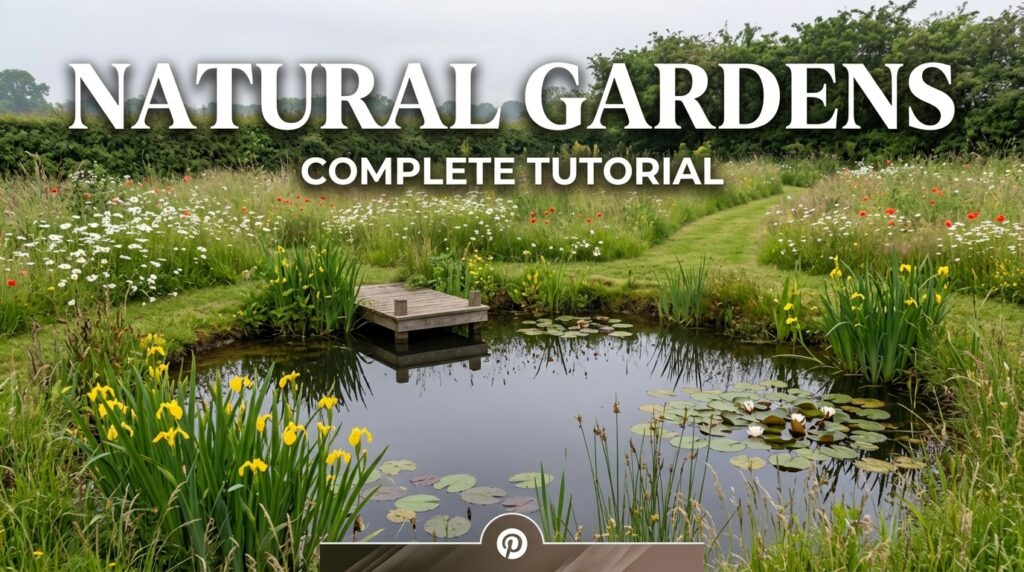
An English garden offers beauty throughout the year while providing a peaceful outdoor retreat.
Advantages include:
- Timeless elegance
- Continuous seasonal color
- Excellent wildlife habitat
- Relaxing outdoor spaces
- Increased property value
- Beautiful fragrance
- Outstanding curb appeal
- Endless opportunities for personalization
A mature English garden becomes more attractive with each passing year.
Plan Your Garden Layout
Before planting, sketch a simple design.
Include areas for:
- Lawn
- Flower borders
- Garden paths
- Seating
- Shrubs
- Trees
- Vegetable garden (optional)
- Water feature
- Pergola or arbor
Creating distinct garden rooms gives the landscape depth and encourages exploration.
Create a Beautiful Lawn
A lush green lawn forms the foundation of many English gardens.
Maintain it by:
- Mowing regularly
- Watering during dry periods
- Aerating annually
- Feeding seasonally
The lawn provides open space that balances the colorful planting beds.
Design Mixed Flower Borders
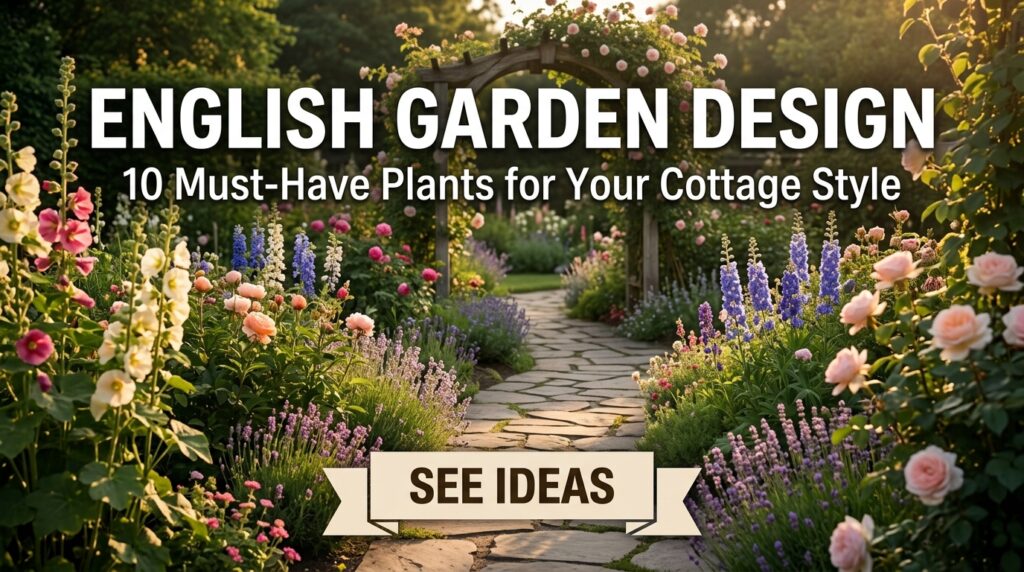
Mixed borders are one of the defining features of English gardens.
Combine:
- Perennials
- Annuals
- Shrubs
- Bulbs
- Ornamental grasses
Layer plants by height.
Place taller plants toward the back and lower-growing varieties near pathways.
This creates depth and a full, natural appearance.
Grow Classic English Roses
Roses are the centerpiece of many traditional English gardens.
Popular choices include:
- Climbing roses
- Shrub roses
- Floribunda roses
- Hybrid tea roses
- Rambling roses
Plant roses near:
- Arbors
- Pergolas
- Garden walls
- Trellises
- Entryways
Choose fragrant varieties for maximum enjoyment.
Include Traditional Perennials
Perennials provide continuous color throughout the seasons.
Popular choices include:
- Delphiniums
- Foxgloves
- Peonies
- Lavender
- Lupines
- Hollyhocks
- Salvia
- Catmint
- Coneflowers
- Shasta daisies
Mix bloom times to ensure flowers from spring through autumn.
Plant Spring Bulbs
Spring bulbs create the first burst of seasonal color.
Excellent options include:
- Daffodils
- Tulips
- Hyacinths
- Snowdrops
- Crocuses
- Alliums
Naturalize bulbs beneath trees or throughout borders for a relaxed appearance.
Add Evergreen Structure
Evergreen shrubs provide year-round form.
Popular plants include:
- Boxwood
- Yew
- Holly
- Laurel
- Hebe
Use them to frame pathways and create permanent structure.
Incorporate Climbing Plants
Vertical planting adds height and romance.
Beautiful climbers include:
- Climbing roses
- Clematis
- Honeysuckle
- Wisteria
- Jasmine
Allow them to grow over arches, fences, pergolas, and walls.
Their flowers and fragrance enhance the garden’s charm.
Build Curved Garden Paths
Curving paths encourage visitors to explore.
Popular materials include:
- Gravel
- Brick
- Flagstone
- Natural stone
Curved pathways soften the landscape and reveal different views throughout the garden.
Create Garden Rooms
Divide the landscape into smaller areas.
Ideas include:
- Rose garden
- Herb garden
- Woodland corner
- Vegetable garden
- Seating area
- Wildlife garden
Each garden room should have its own character while remaining connected to the overall design.
Install a Pergola or Arbor
Architectural features create attractive focal points.
Decorate structures with:
- Roses
- Clematis
- Wisteria
- Jasmine
Pergolas provide shade while creating beautiful entrances and outdoor gathering spaces.
Add Comfortable Seating
A garden should be enjoyed as well as admired.
Include:
- Wooden benches
- Wrought iron seating
- Bistro sets
- Stone benches
Place seating where you can enjoy flower borders and peaceful garden views.
Introduce Water Features
Water adds movement and tranquility.
Popular features include:
- Stone fountains
- Reflecting pools
- Bird baths
- Small ponds
Water also attracts birds and beneficial wildlife.
Choose a Soft Color Palette
Traditional English gardens often use harmonious colors.
Beautiful combinations include:
- Pink and white
- Purple and blue
- Cream and lavender
- Peach and yellow
- Burgundy and blush
Repeating colors throughout the garden creates unity and balance.
Attract Wildlife
An English garden should support nature.
Plant flowers that attract:
- Bees
- Butterflies
- Hummingbirds
- Beneficial insects
Provide:
- Bird baths
- Nesting boxes
- Native shrubs
- Pollinator-friendly flowers
A healthy ecosystem contributes to a thriving garden.
Use Decorative Garden Features
Accessories add personality and timeless appeal.
Ideas include:
- Stone urns
- Sundials
- Garden statues
- Obelisks
- Decorative pots
- Antique watering cans
Choose a few focal pieces rather than overcrowding the landscape.
Light the Garden
Outdoor lighting extends the enjoyment of your garden.
Popular options include:
- Path lights
- Lanterns
- String lights
- Spotlights
- Wall-mounted lights
Warm lighting creates a welcoming atmosphere during the evening.
Maintain Healthy Soil
Rich soil supports healthy plants.
Improve soil by adding:
- Compost
- Leaf mold
- Well-rotted manure
- Organic mulch
Healthy soil improves flowering and plant longevity.
Seasonal Garden Care
Spring
- Plant bulbs
- Fertilize
- Prune roses
- Divide perennials
Summer
- Water deeply
- Deadhead flowers
- Weed regularly
- Harvest herbs
Autumn
- Plant spring bulbs
- Add compost
- Divide overcrowded plants
- Collect seeds
Winter
- Prune deciduous shrubs
- Protect tender plants
- Clean tools
- Plan next season’s improvements
Consistent maintenance keeps the garden beautiful throughout the year.
English Garden Styles
Cottage Garden
Informal planting with colorful flowers and climbing roses.
Formal English Garden
Symmetrical hedges, geometric lawns, and structured layouts.
Country Garden
Naturalistic planting mixed with fruit trees and wildflowers.
Woodland Garden
Shade-loving plants beneath mature trees.
Modern English Garden
Classic planting combined with contemporary materials and clean lines.
Choose the style that best complements your home and available space.
Budget-Friendly English Garden Ideas
You don’t need a large budget to create an elegant landscape.
Affordable ideas include:
- Grow plants from seed
- Divide mature perennials
- Build gravel pathways
- Use reclaimed bricks
- Create homemade compost
- Repurpose vintage containers
Develop your garden gradually to spread costs over time.
Common Design Mistakes to Avoid
Avoid these common errors:
- Planting too closely together
- Ignoring mature plant size
- Using too many unrelated colors
- Neglecting seasonal maintenance
- Overcrowding the garden with decorations
- Forgetting evergreen structure
Careful planning creates a balanced and long-lasting landscape.
Final Thoughts
An English garden design combines timeless elegance, natural beauty, and thoughtful planning to create an outdoor space that feels both refined and welcoming. By blending manicured lawns with colorful flower borders, fragrant roses, climbing vines, mature trees, and winding pathways, you can create a landscape that offers interest and enjoyment throughout every season.
Whether you prefer the relaxed charm of a cottage garden, the sophistication of a formal estate garden, or a modern interpretation of classic English landscaping, the key is to balance structure with abundant planting. Incorporating perennial flowers, evergreen shrubs, decorative features, and comfortable seating transforms your garden into a peaceful retreat where nature and design work together in perfect harmony.
With patience, regular care, and carefully chosen plants, your English garden will mature into a beautiful sanctuary filled with color, fragrance, wildlife, and timeless character, providing a place to relax and enjoy the changing seasons for many years to come.