
 By John
A raised vegetable garden is one of the easiest and most effective ways to grow fresh, healthy vegetables at home. Whether you have a large backyard, a small suburban garden, or a compact urban space, raised beds provide an organized, attractive, and highly productive growing environment. By elevating the soil above ground level, raised garden beds improve drainage, reduce weeds, warm up more quickly in spring, and make gardening more comfortable for people of all ages.
Unlike traditional in-ground gardens, raised beds allow you to control soil quality, making it easier to grow healthy vegetables while reducing common gardening problems such as poor drainage, compacted soil, and invasive weeds. They also create clearly defined planting spaces that are easy to maintain and visually appealing throughout the year.
Whether your goal is to grow fresh tomatoes, crisp lettuce, colorful peppers, fragrant herbs, or a wide variety of seasonal vegetables, a raised vegetable garden offers countless opportunities to enjoy homegrown produce while enhancing the beauty of your outdoor space.
This complete guide covers everything you need to know about designing, building, planting, and maintaining a successful raised vegetable garden.
What Is a Raised Vegetable Garden?
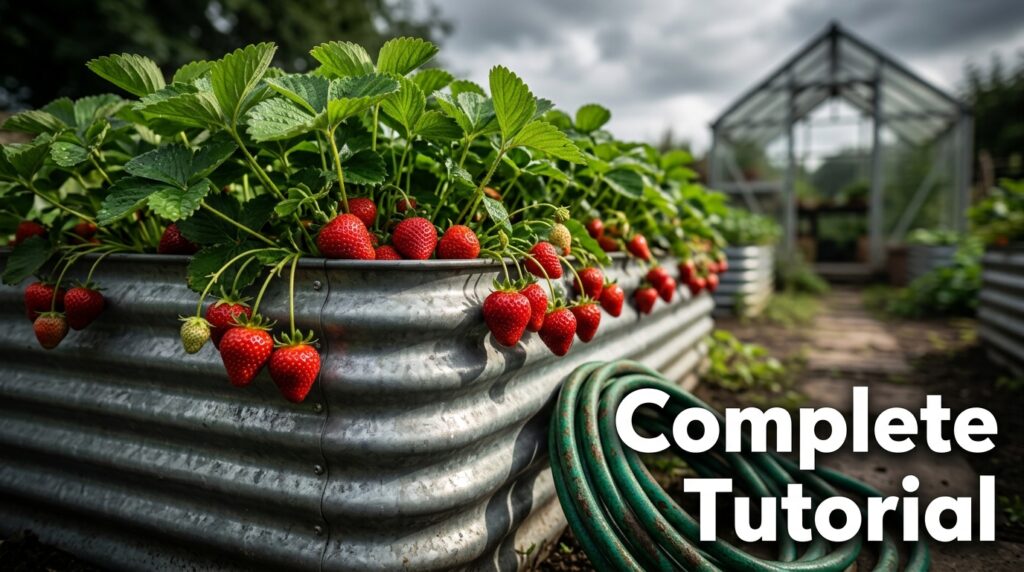
A raised vegetable garden consists of planting beds that are built above the natural ground level and filled with high-quality soil. The beds are usually enclosed with wood, metal, brick, stone, or concrete blocks to hold the soil in place.
Unlike conventional gardens, raised beds provide better growing conditions because the soil remains loose, fertile, and well-drained.
Raised beds are suitable for:
- Large backyards
- Small gardens
- Urban homes
- Patios
- Courtyards
- Community gardens
They can be built in almost any size or shape to fit your available space.
Benefits of Raised Vegetable Gardens
Raised beds offer numerous advantages over traditional gardening.
Benefits include:
- Better drainage
- Improved soil quality
- Reduced weeds
- Healthier root systems
- Earlier planting in spring
- Easier harvesting
- Reduced soil compaction
- Better pest management
- Improved accessibility
- Attractive garden appearance
Many gardeners report larger harvests and healthier plants after switching to raised beds.
Choose the Best Location
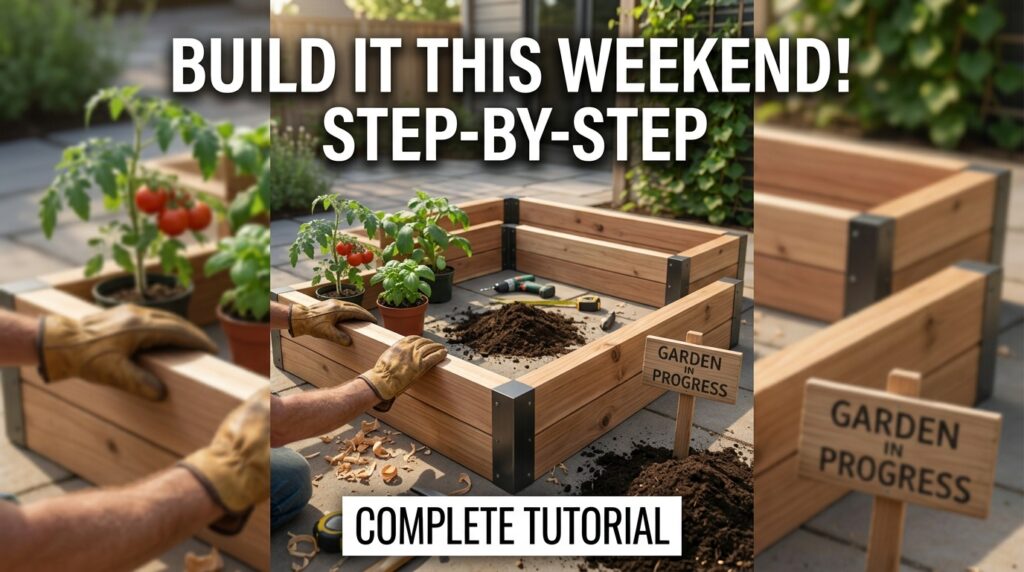
Selecting the proper location is the first step toward success.
Look for an area that receives:
- Six to eight hours of direct sunlight daily
- Good air circulation
- Easy access to water
- Protection from strong winds
- Level ground
Avoid planting beneath large trees, where roots compete for nutrients and shade limits plant growth.
Morning sunlight is particularly beneficial because it helps dry leaves quickly, reducing the risk of fungal diseases.
Plan Your Garden Layout
Careful planning makes maintenance easier and increases productivity.
Consider including:
- Raised beds
- Walking paths
- Compost area
- Herb garden
- Water source
- Tool storage
- Seating area
- Trellises
Leave enough space between beds for comfortable movement and wheelbarrow access.
A well-organized layout keeps your garden efficient and enjoyable.
Choose the Right Bed Size
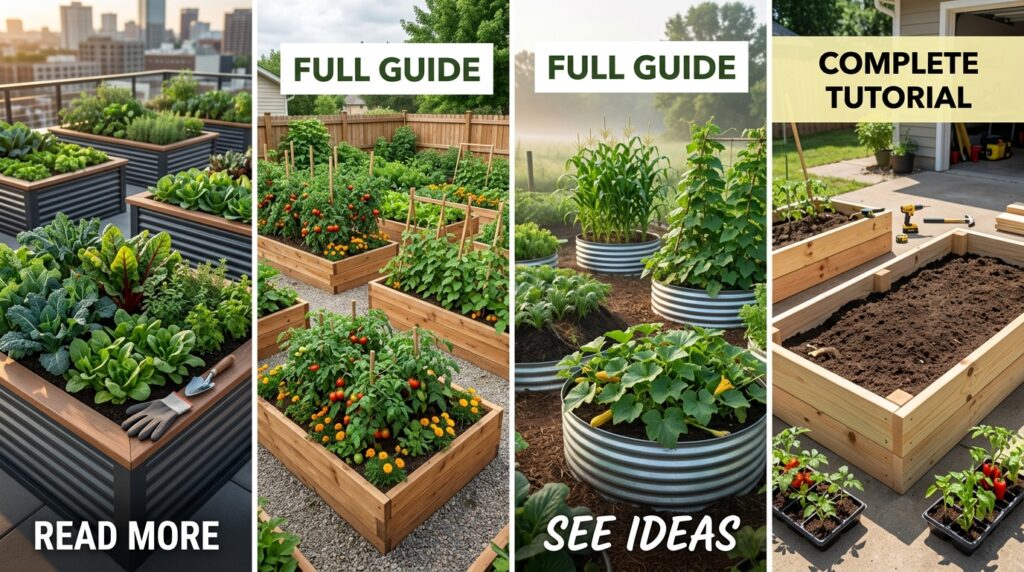
Raised beds should be easy to reach from every side.
A common size is:
- Width: 4 feet (1.2 meters)
- Length: 6–8 feet (1.8–2.4 meters)
- Height: 10–18 inches (25–45 cm)
Beds wider than four feet make it difficult to reach the center without stepping on the soil.
Avoid walking inside raised beds to prevent soil compaction.
Select Durable Materials
Many materials are suitable for building raised beds.
Cedar
Naturally resistant to rot and insects.
Long-lasting and attractive.
Redwood
Durable with beautiful natural color.
Galvanized Steel
Modern appearance with excellent longevity.
Low maintenance.
Brick
Classic appearance and exceptional durability.
Natural Stone
Elegant and extremely long-lasting.
Concrete Blocks
Affordable, sturdy, and easy to assemble.
Choose materials that match your budget, climate, and landscape style.
Prepare the Site
Before building your beds:
- Remove weeds
- Level the ground
- Mark bed locations
- Install pathways
- Improve drainage if needed
Laying cardboard beneath the beds helps suppress weeds while gradually decomposing into the soil.
Fill Beds with High-Quality Soil
Healthy soil produces healthy vegetables.
A recommended soil blend includes:
- 50% high-quality topsoil
- 30% compost
- 20% organic matter such as coconut coir or aged manure
Add perlite or coarse sand if additional drainage is needed.
Rich soil encourages vigorous root development and abundant harvests.
Install Garden Pathways
Comfortable walkways improve accessibility.
Popular materials include:
- Gravel
- Wood chips
- Brick
- Flagstone
- Pavers
Wide paths make watering, harvesting, and transporting supplies much easier.
Best Vegetables for Raised Beds
Most vegetables thrive in raised gardens.
Excellent choices include:
- Tomatoes
- Lettuce
- Spinach
- Carrots
- Radishes
- Cucumbers
- Zucchini
- Green beans
- Peppers
- Onions
- Garlic
- Broccoli
- Cabbage
- Kale
- Swiss chard
Choose vegetables appropriate for your local growing season.
Grow Fresh Herbs
Herbs are perfect companions for vegetables.
Popular herbs include:
- Basil
- Rosemary
- Thyme
- Oregano
- Parsley
- Chives
- Cilantro
- Dill
- Sage
Plant herbs near the edges of raised beds for easy harvesting.
Many herbs naturally repel harmful insects.
Practice Companion Planting
Companion planting helps improve plant health and reduce pests.
Helpful combinations include:
- Tomatoes with basil
- Carrots with onions
- Lettuce with radishes
- Beans with corn
- Cucumbers with dill
- Cabbage with thyme
Good companions maximize garden productivity naturally.
Install Vertical Supports
Vertical gardening saves space while improving airflow.
Use:
- Tomato cages
- Trellises
- Bamboo stakes
- Garden arches
- String supports
Vertical growing keeps fruit clean and simplifies harvesting.
Water Efficiently
Consistent watering is essential.
Best practices include:
- Water early in the morning
- Water deeply
- Avoid wetting foliage
- Use drip irrigation whenever possible
Deep watering encourages stronger root systems.
Mulch Your Raised Beds
Mulch offers numerous benefits.
It helps:
- Retain moisture
- Reduce weeds
- Moderate soil temperature
- Improve soil quality
Good mulch materials include:
- Straw
- Shredded leaves
- Bark chips
- Compost
Apply two to three inches around plants.
Fertilize Naturally
Vegetables require regular nutrients.
Excellent organic fertilizers include:
- Compost
- Well-rotted manure
- Fish emulsion
- Worm castings
- Organic vegetable fertilizer
Avoid excessive fertilization, which encourages leafy growth rather than fruit production.
Rotate Crops Every Year
Crop rotation helps maintain healthy soil.
Benefits include:
- Reduced pests
- Fewer diseases
- Improved fertility
- Better harvests
Avoid planting the same vegetable family in the same bed every year.
Add Pollinator Flowers
Flowers increase pollination and make the garden more attractive.
Excellent choices include:
- Marigolds
- Nasturtiums
- Calendula
- Zinnias
- Cosmos
- Sunflowers
Flowers attract bees, butterflies, and other beneficial insects.
Build a Compost Area
Compost recycles garden waste into valuable fertilizer.
Add:
- Vegetable scraps
- Grass clippings
- Dry leaves
- Garden trimmings
- Coffee grounds
Avoid meat, dairy, and oily foods.
Finished compost improves soil naturally.
Control Pests Naturally
Protect your vegetables without harsh chemicals.
Natural methods include:
- Hand-picking insects
- Floating row covers
- Companion planting
- Neem oil
- Encouraging beneficial insects
Healthy gardens naturally experience fewer pest problems.
Seasonal Garden Care
Spring
- Prepare beds
- Add compost
- Plant cool-season vegetables
- Install supports
Summer
- Water regularly
- Harvest vegetables
- Remove weeds
- Feed heavy-producing crops
Autumn
- Harvest remaining vegetables
- Plant cool-season crops
- Add compost
- Clean beds
Winter
- Protect empty beds with mulch
- Repair garden structures
- Plan next year’s layout
- Order seeds
Regular seasonal maintenance keeps the garden productive year after year.
Raised Bed Garden Styles
Traditional Kitchen Garden
Organized beds with vegetables, herbs, and flowers.
Modern Raised Garden
Metal beds, clean lines, gravel paths, and minimalist design.
Cottage Vegetable Garden
Vegetables mixed with colorful flowers and climbing plants.
Potager Garden
An ornamental vegetable garden combining beauty and productivity.
Small Urban Garden
Compact raised beds with vertical growing systems and containers.
Choose a style that complements your home and available space.
Budget-Friendly Raised Garden Ideas
Create an attractive garden without overspending.
Affordable ideas include:
- Build beds from reclaimed wood
- Use homemade compost
- Collect rainwater
- Start vegetables from seed
- Create mulch from fallen leaves
- Repurpose bricks or concrete blocks
Building the garden gradually helps spread costs over time.
Common Mistakes to Avoid
Avoid these common gardening mistakes:
- Choosing a shady location
- Overcrowding plants
- Using poor-quality soil
- Walking inside beds
- Overwatering
- Ignoring crop rotation
- Forgetting to mulch
Proper planning prevents many gardening problems before they occur.
Final Thoughts
A raised vegetable garden is one of the most rewarding ways to grow fresh, nutritious food while creating an organized and attractive outdoor space. With improved soil quality, better drainage, easier maintenance, and higher productivity, raised beds make gardening more accessible for beginners and experienced gardeners alike.
By choosing a sunny location, building durable beds, filling them with nutrient-rich soil, practicing companion planting, rotating crops, and maintaining your garden throughout the seasons, you can enjoy abundant harvests year after year. Adding herbs, flowers, vertical supports, and composting systems further enhances both the beauty and efficiency of your garden.
Whether you’re growing a few favorite vegetables or cultivating a complete kitchen garden, a well-designed raised vegetable garden provides fresh produce, supports beneficial wildlife, and creates a relaxing outdoor environment that the whole family can enjoy. With thoughtful planning and consistent care, your raised beds will become a productive and beautiful centerpiece of your landscape for many growing seasons to come.