
 By John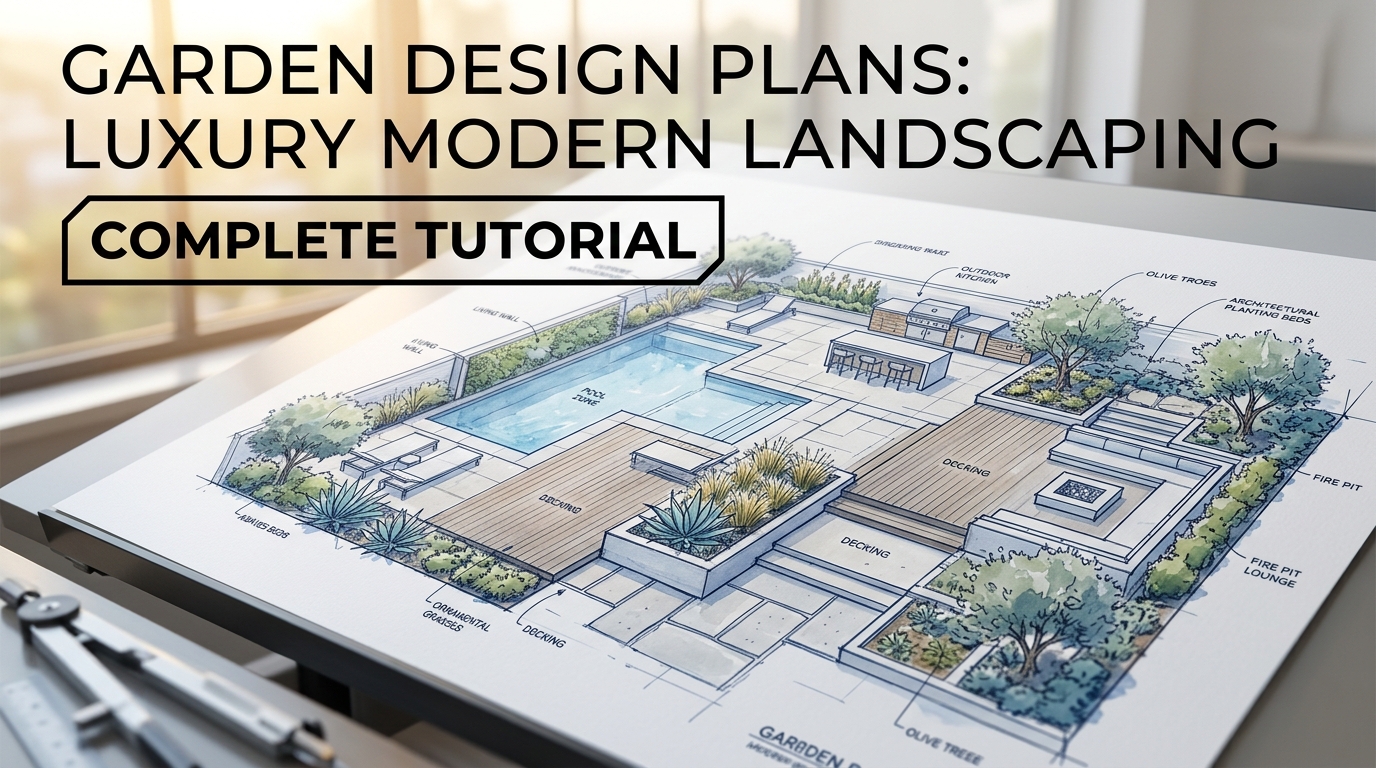
Creating a beautiful garden begins with a well-thought-out design plan. A garden design plans drawing layout helps you visualize your outdoor space before planting, ensuring every pathway, flower bed, tree, and seating area is placed with purpose. Whether you’re designing a small backyard, a front yard landscape, or a large country garden, a detailed layout saves time, reduces costs, and results in a more attractive and functional space.
A successful garden plan balances beauty, practicality, and maintenance. By carefully organizing planting areas, hardscaping, and outdoor living spaces, you can create a garden that flourishes throughout the year.
Why Create a Garden Design Plan?
Planning your garden before construction offers several advantages:
- Maximizes available space
- Prevents costly mistakes
- Improves plant placement
- Creates better traffic flow
- Simplifies future maintenance
- Helps estimate project costs
Even a simple sketch can make a significant difference in the final result.
Essential Elements of a Garden Layout
A complete garden design plan should include:
- Property boundaries
- House and existing structures
- Trees and shrubs
- Flower beds
- Lawns
- Patios
- Decks
- Pathways
- Water features
- Fences
- Garden lighting
- Seating areas
Including these elements creates a balanced and functional landscape.
Step 1: Measure Your Garden
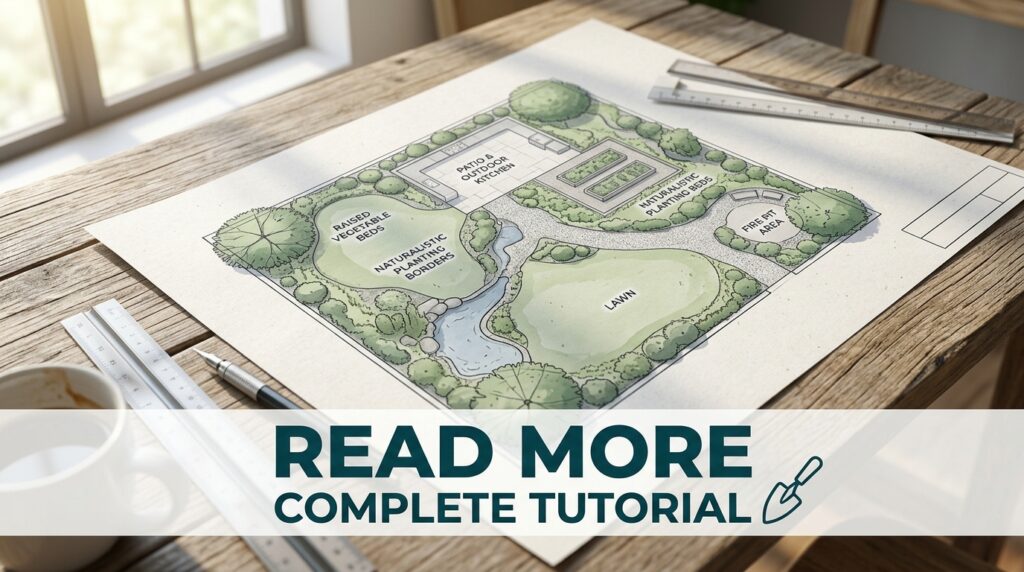
Begin by measuring:
- Length
- Width
- Existing buildings
- Trees
- Slopes
- Utilities
Use graph paper or digital landscape design software to draw your layout to scale.
Step 2: Observe Sunlight and Shade
Track sunlight throughout the day.
Mark areas that receive:
- Full sun
- Partial shade
- Full shade
This information helps you choose plants that will thrive in each location.
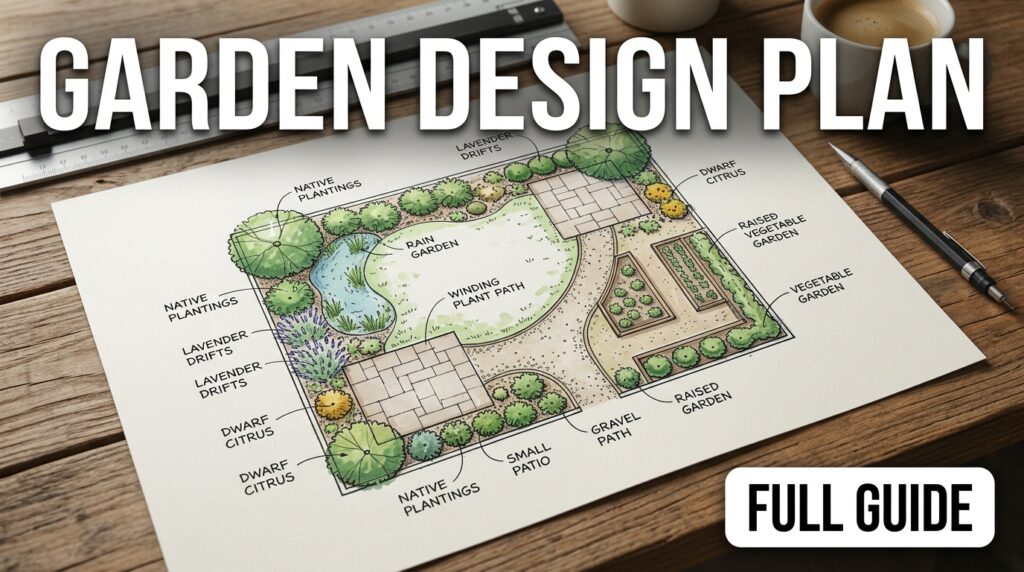
Step 3: Divide the Garden into Zones
Create separate areas for different activities.
Popular garden zones include:
Outdoor Living Area
Perfect for:
- Dining
- Relaxing
- Entertaining
Planting Zone
Include:
- Flower beds
- Shrubs
- Trees
- Perennials
Vegetable Garden
Organize raised beds or traditional planting rows.
Children’s Play Area
Leave open lawn space for recreation.
Wildlife Garden
Plant pollinator-friendly flowers and install bird feeders or birdbaths.
Step 4: Plan Pathways
Good pathways improve accessibility and connect different parts of the garden.
Popular materials include:
- Gravel
- Brick
- Natural stone
- Concrete pavers
Curved paths create a relaxed appearance, while straight paths suit modern gardens.
Step 5: Add Focal Points
Every successful garden includes one or more focal points.
Ideas include:
- Fountain
- Garden sculpture
- Pergola
- Fire pit
- Feature tree
- Decorative seating
Position focal points where they can be viewed from multiple angles.
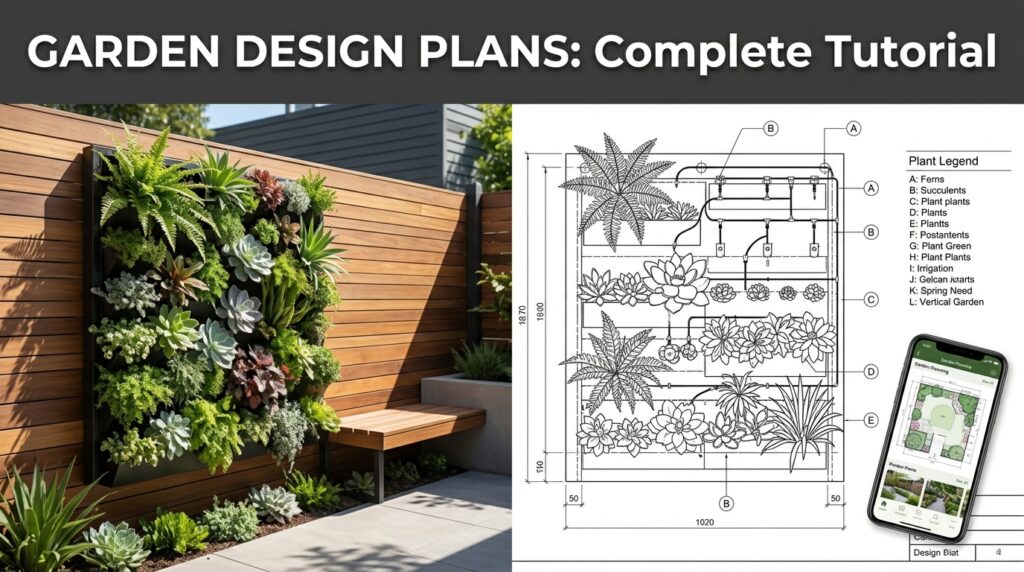
Popular Garden Layout Styles
Formal Garden
Characteristics:
- Symmetrical beds
- Straight paths
- Geometric shapes
Cottage Garden
Features:
- Curved borders
- Colorful flowers
- Informal planting
Modern Garden
Includes:
- Clean lines
- Minimal planting
- Large paving slabs
Mediterranean Garden
Uses:
- Gravel
- Terracotta pots
- Olive trees
- Lavender
Japanese Garden
Incorporates:
- Water features
- Stone lanterns
- Bamboo
- Moss
Garden Drawing Tips
When creating your layout:
- Use a scale such as 1 square = 1 foot or 1 meter.
- Label all planting areas.
- Indicate north for sunlight orientation.
- Draw mature plant sizes rather than current sizes.
- Leave room for future growth.
A clear drawing makes installation much easier.
Choosing Plants for Your Layout
Select plants based on:
- Climate
- Soil conditions
- Sun exposure
- Water requirements
- Mature size
- Seasonal interest
Mix evergreen plants with flowering perennials for year-round appeal.
Budget-Friendly Design Tips
Save money by:
- Completing the project in phases
- Using native plants
- Repurposing existing materials
- Growing plants from seeds
- Installing DIY pathways
Good planning helps control costs without sacrificing beauty.
Common Mistakes to Avoid
Planting Too Closely
Allow space for mature growth.
Ignoring Maintenance
Choose a design that fits your available time.
Forgetting Drainage
Plan for proper water runoff.
Overcrowding Features
Leave open areas to create balance.
Not Planning for Future Growth
Trees and shrubs become much larger over time.
Frequently Asked Questions
Why should I draw a garden layout before planting?
A layout helps organize your space, avoid mistakes, and create a cohesive design.
What should be included in a garden plan?
Include boundaries, structures, pathways, planting beds, trees, seating areas, and water features.
Can I design my own garden?
Yes. Many homeowners successfully create beautiful gardens using simple sketches or garden design software.
How do I choose the best garden layout?
Consider your available space, lifestyle, sunlight, and maintenance preferences.
What is the easiest garden layout for beginners?
A simple design with clear pathways, raised beds, and grouped planting areas is ideal for first-time gardeners.
Conclusion
A well-prepared garden design plans drawing layout is the foundation of every successful landscape. By carefully measuring your space, dividing it into functional zones, and selecting the right plants and features, you can create a garden that is both beautiful and practical.
Whether you’re planning a modern outdoor living space, a colorful cottage garden, or a productive vegetable plot, investing time in a detailed garden layout will help you avoid costly mistakes and enjoy a thriving landscape for years to come. With creativity, planning, and attention to detail, your dream garden can become a reality.