
 By John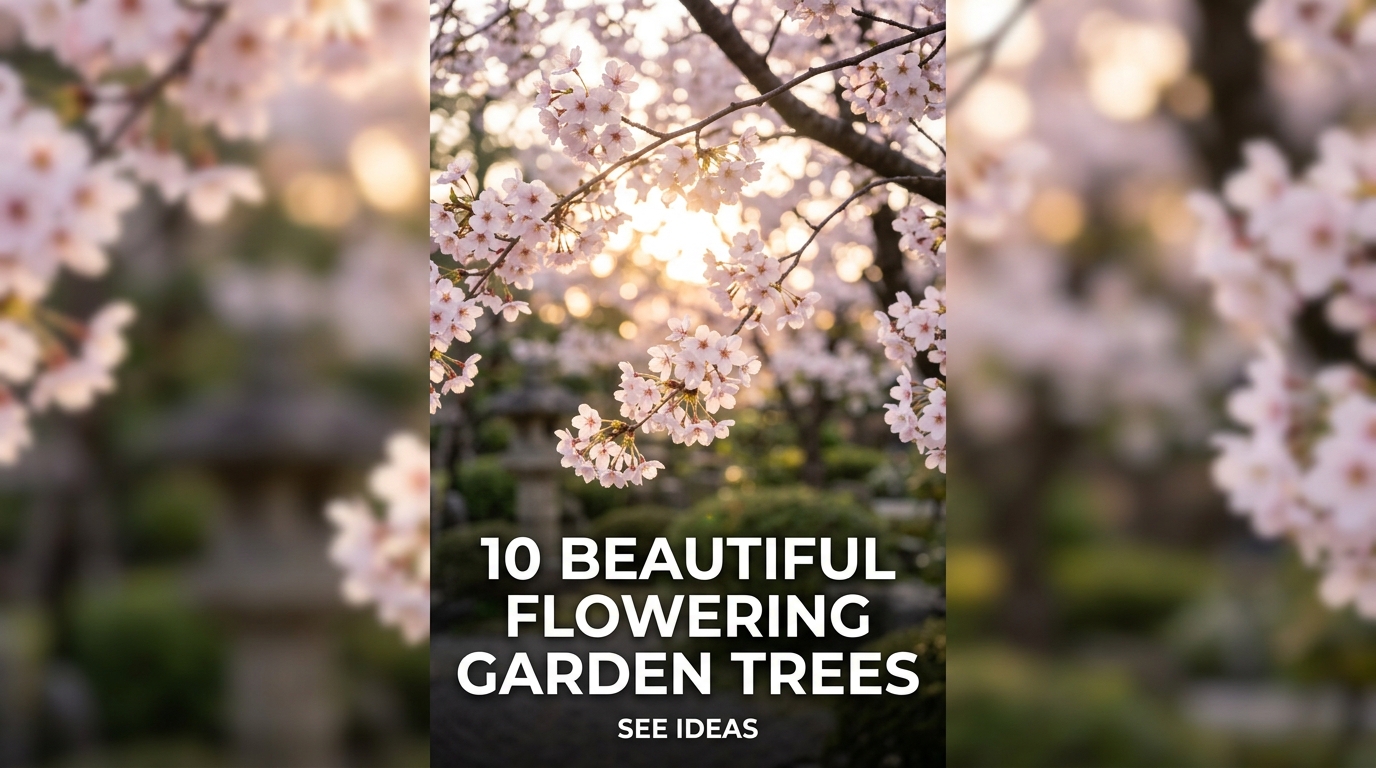
Garden trees are one of the most valuable additions to any outdoor space. They provide shade, privacy, seasonal color, wildlife habitat, and lasting beauty while increasing the value of your property. Whether you have a small courtyard, a suburban backyard, or a large country garden, selecting the right trees can transform your landscape into a peaceful and inviting retreat.
From flowering ornamental trees and evergreen privacy screens to fruit trees and native species, there is a perfect garden tree for every style, climate, and garden size. With proper planning and care, your trees will become the foundation of a beautiful landscape for decades to come.
Why Plant Garden Trees?
Garden trees offer many benefits, including:
- Create natural shade
- Improve air quality
- Increase property value
- Provide privacy and screening
- Support birds and pollinators
- Add year-round beauty
Trees also help reduce noise, cool outdoor spaces, and create a relaxing garden environment.
Types of Garden Trees
Flowering Trees
Flowering trees add seasonal color and fragrance.
Popular choices include:
- Cherry Blossom
- Magnolia
- Dogwood
- Crabapple
- Redbud
These trees make stunning focal points during spring.
Evergreen Trees
Evergreens provide year-round greenery and privacy.
Popular options include:
- Arborvitae
- Holly
- Juniper
- Cypress
- Pine
They are excellent for hedges and windbreaks.
Ornamental Trees
Perfect for decorative gardens, ornamental trees include:
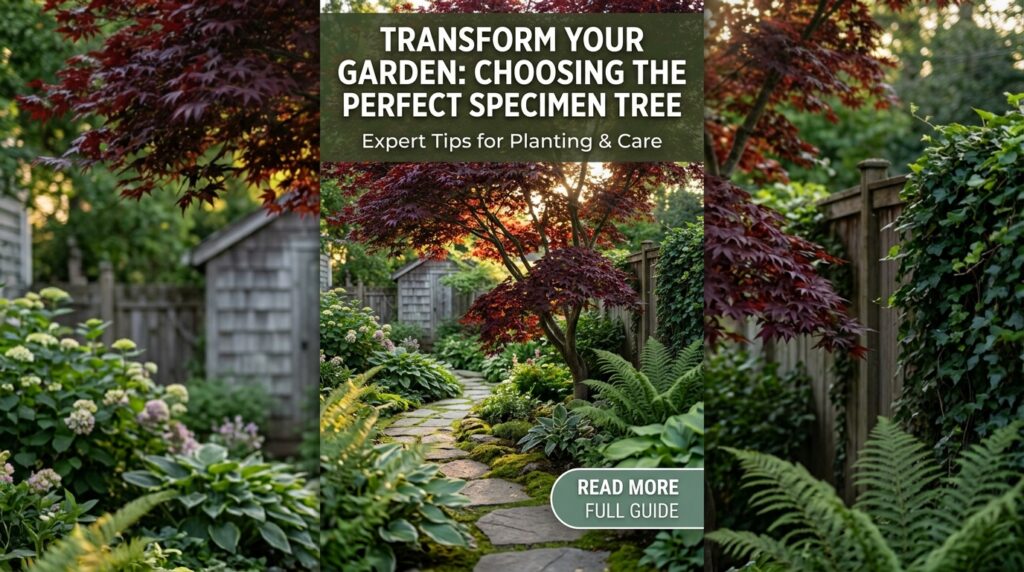
- Japanese Maple
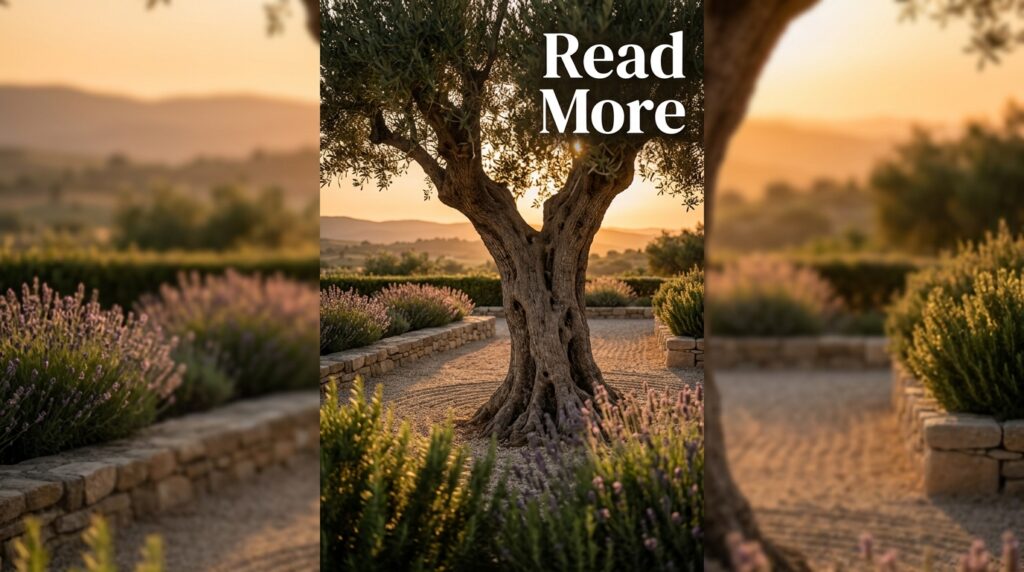
- Olive Tree
- Crepe Myrtle
- Serviceberry
Their attractive foliage and compact size make them ideal for smaller landscapes.
Fruit Trees
Enjoy fresh produce with trees such as:
- Apple
- Pear
- Peach
- Plum
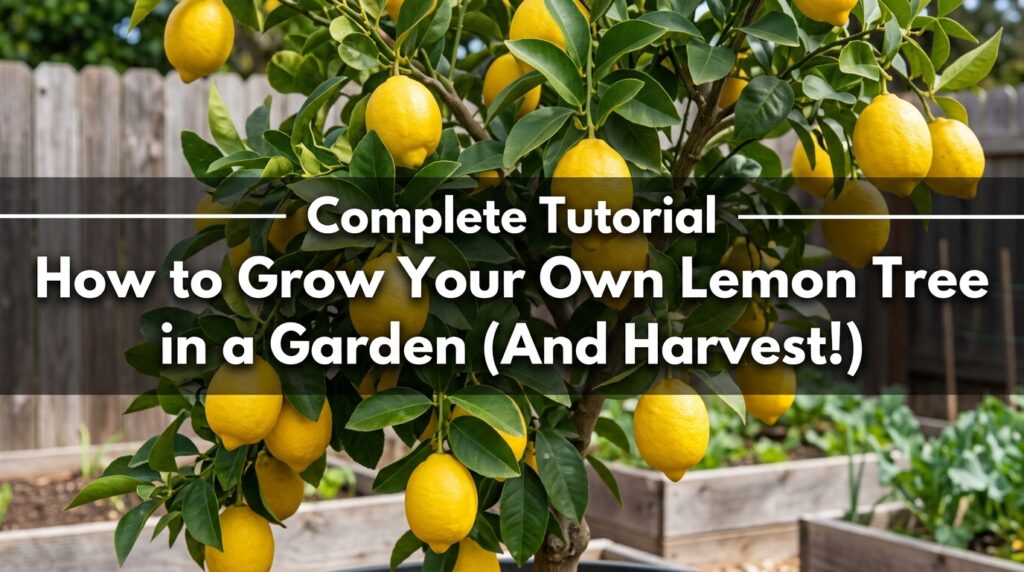
- Lemon
Fruit trees combine beauty with practical benefits.
Best Trees for Small Gardens
Limited space doesn’t mean you have to sacrifice trees.
Compact varieties include:
- Japanese Maple
- Dwarf Magnolia
- Amelanchier
- Dwarf Apple Tree
- Olive Tree
These trees provide visual impact without overwhelming small gardens.
Best Trees for Large Gardens
If you have plenty of space, consider:
- Oak
- Maple
- Birch
- Cedar
- Beech
Large trees create impressive focal points and provide generous shade.
Choosing the Right Tree
When selecting a garden tree, consider:
Climate
Choose species suited to your local weather conditions.
Soil Type
Some trees prefer sandy soil, while others thrive in clay or loam.
Sunlight
Determine whether the planting location receives full sun, partial shade, or full shade.
Mature Size
Always consider the tree’s height and spread at maturity.
Maintenance
Some trees require more pruning, watering, or cleanup than others.
Garden Design Ideas with Trees
Create a Focal Point
Plant a specimen tree in a prominent location.
Line Garden Paths
Smaller ornamental trees can frame walkways beautifully.
Add Privacy
Use evergreen trees along boundaries for natural screening.
Create Shade
Position shade trees near patios or seating areas.
Mix Trees and Shrubs
Layer trees with flowering shrubs and perennials for a lush, balanced landscape.
Seasonal Interest
Choose a variety of trees that offer beauty throughout the year.
Spring
- Cherry Blossom
- Magnolia
- Dogwood
Summer
- Maple
- Birch
- Olive Tree
Autumn
- Japanese Maple
- Sweetgum
- Red Maple
Winter
- Holly
- Pine
- Spruce
A mix of deciduous and evergreen trees ensures year-round appeal.
Tree Planting Tips
- Plant during the appropriate season for your climate.
- Dig a hole twice as wide as the root ball.
- Water thoroughly after planting.
- Apply mulch around the base.
- Avoid planting too close to buildings or fences.
Proper planting encourages healthy root development.
Tree Care and Maintenance
Maintain healthy garden trees by:
- Watering during dry periods
- Pruning dead or damaged branches
- Applying mulch annually
- Monitoring for pests and diseases
- Fertilizing when necessary
Routine care helps trees thrive for many years.
Common Mistakes to Avoid
Planting Too Close Together
Allow enough space for mature growth.
Ignoring Sunlight Requirements
Always match tree species to available light.
Overwatering
Young trees need regular watering, but excessive moisture can damage roots.
Poor Placement
Avoid planting large trees near foundations, utilities, or underground pipes.
Skipping Maintenance
Regular inspections help prevent disease and structural problems.
Frequently Asked Questions
What are the best garden trees?
Popular choices include Japanese Maple, Magnolia, Dogwood, Cherry Blossom, Arborvitae, and Olive Tree.
Which trees are best for small gardens?
Compact ornamental trees such as Japanese Maple and dwarf Magnolia are excellent options.
Do garden trees increase property value?
Yes. Mature, healthy trees often improve curb appeal and increase property value.
When is the best time to plant trees?
Autumn and early spring are generally the best seasons for planting most trees.
How often should I water newly planted trees?
Water deeply once or twice a week during the establishment period, depending on weather and soil conditions.
Conclusion
Garden trees are the backbone of a beautiful landscape, providing structure, shade, color, and year-round interest. Whether you’re planting a graceful Japanese maple, a flowering magnolia, or a productive fruit tree, the right choice can completely transform your outdoor space.
By selecting trees suited to your climate, garden size, and design style, you’ll create a landscape that grows more beautiful with every passing season. With proper planting and ongoing care, garden trees will reward you with beauty, comfort, and lasting value for generations.