
 By John
Perennial garden plans are the foundation of a beautiful, long-lasting landscape that returns with fresh color and texture year after year. Unlike annual gardens that require replanting each season, perennial gardens become more established over time, offering abundant blooms, attractive foliage, and year-round structure with less maintenance. Whether you’re creating a cottage garden, a formal border, a pollinator paradise, or a modern landscape, thoughtful planning ensures your garden remains vibrant from early spring through late autumn.
A successful perennial garden is more than simply planting flowers. It combines plants with different bloom times, heights, colors, and textures to create a balanced design that changes beautifully throughout the seasons. With the right layout, soil preparation, and plant selection, your perennial garden can become a stunning outdoor retreat that supports pollinators, attracts birds, and provides years of enjoyment.
This complete guide covers everything you need to know about creating effective perennial garden plans, from choosing the perfect location to selecting plants and maintaining a healthy landscape.
What Is a Perennial Garden Plan?
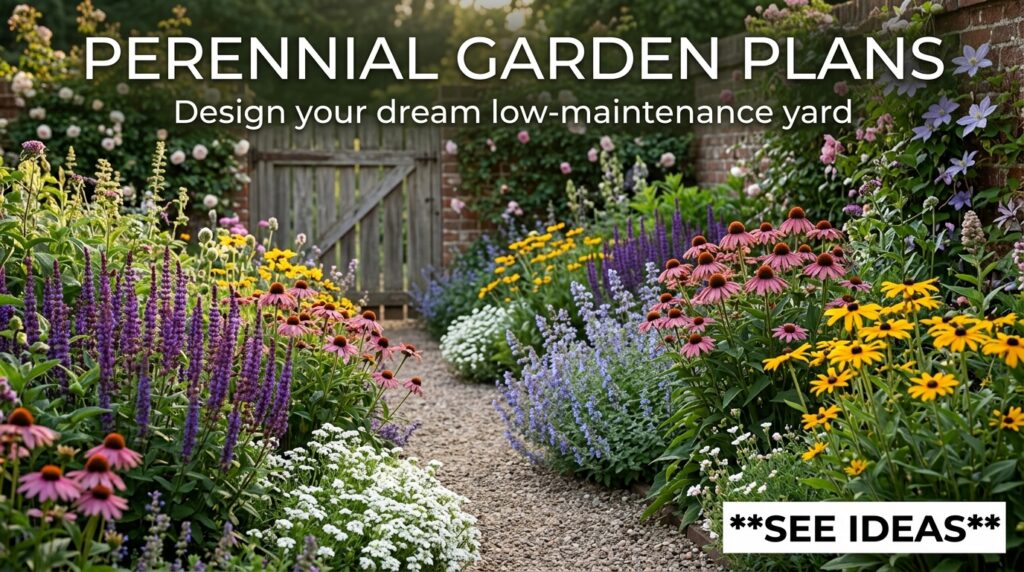
A perennial garden plan is a carefully designed layout that organizes perennial flowers, ornamental grasses, shrubs, and supporting landscape features into a cohesive garden. The goal is to create continuous interest throughout the year while ensuring every plant has enough room to mature.
A well-designed plan considers:
- Sunlight
- Soil conditions
- Mature plant size
- Bloom seasons
- Color combinations
- Plant spacing
- Garden style
- Maintenance requirements
Planning before planting helps avoid overcrowding and creates a more attractive landscape.
Benefits of Perennial Garden Plans
Thoughtful planning provides many long-term advantages.
Benefits include:
- Continuous seasonal blooms
- Lower maintenance
- Reduced planting costs
- Better plant health
- Improved garden organization
- Easier maintenance
- Greater biodiversity
- Enhanced curb appeal
As perennials mature, the garden becomes fuller and more impressive each year.
Choose the Best Location
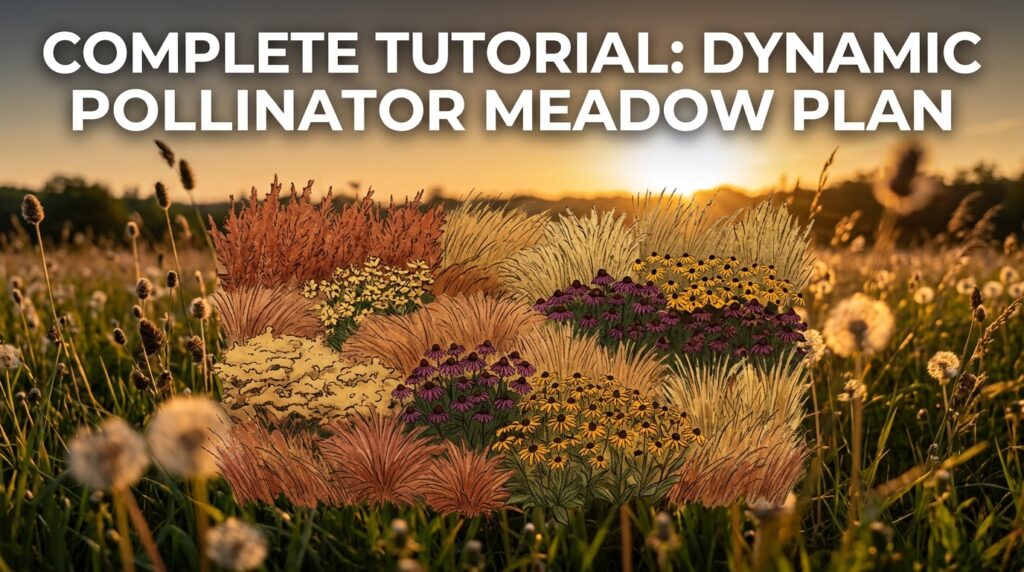
The location of your garden greatly influences its success.
Look for an area with:
- Six or more hours of sunlight for sun-loving plants
- Good drainage
- Fertile soil
- Protection from strong winds
- Convenient access for watering and maintenance
Observe sunlight patterns throughout the day before finalizing your plan.
Understand Light Conditions
Different perennials thrive under different lighting conditions.
Full Sun
Receives at least six hours of direct sunlight.
Suitable plants include:
- Coneflowers
- Lavender
- Salvia
- Black-eyed Susans
- Yarrow
Partial Sun
Receives three to six hours of sunlight.
Excellent choices include:
- Astilbe
- Columbine
- Coral bells
- Bee balm
Shade
Receives less than three hours of direct sunlight.
Ideal plants include:
- Hostas
- Ferns
- Bleeding heart
- Heuchera
Matching plants to available light improves growth and flowering.
Prepare Healthy Soil
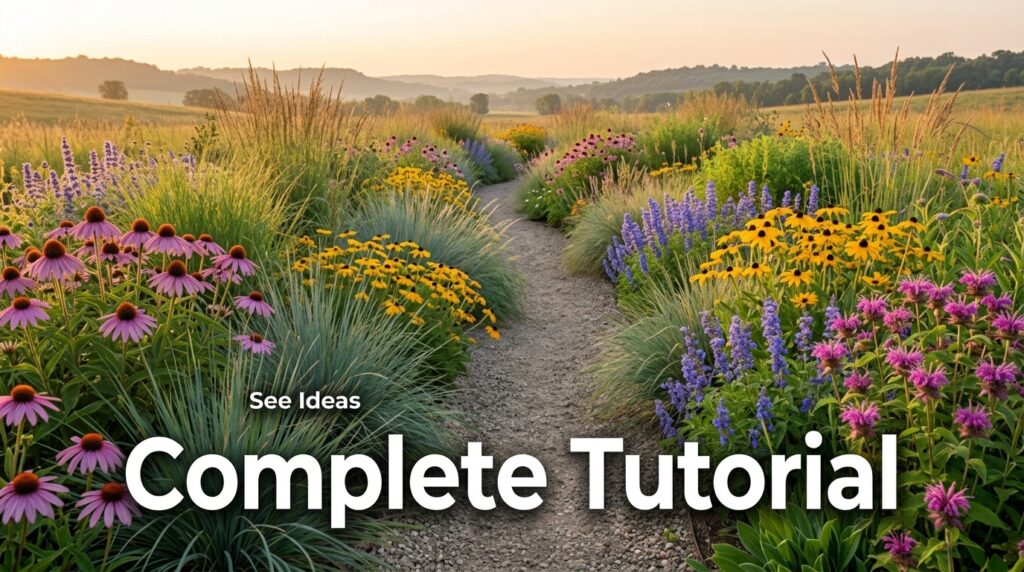
Healthy soil supports vigorous perennial growth.
Improve your soil by adding:
- Compost
- Well-rotted manure
- Leaf mold
- Organic matter
Good garden soil should be:
- Loose
- Fertile
- Well-drained
- Moisture-retentive
A soil test can help determine nutrient levels and pH.
Choose a Garden Style
Perennial gardens can complement many landscape designs.
Popular styles include:
Cottage Garden
Colorful flowers arranged in an informal, overflowing style.
Formal Garden
Symmetrical layouts with clipped hedges and structured borders.
Modern Garden
Clean lines, limited color palettes, and architectural plants.
Prairie Garden
Native grasses mixed with flowering perennials.
Woodland Garden
Shade-loving plants beneath mature trees.
Choose a style that matches your home and personal preferences.
Plan Plant Layers
Layering creates depth and visual balance.
Back of the Border
Plant taller species such as:
- Delphiniums
- Hollyhocks
- Joe-Pye weed
- Russian sage
Middle Layer
Include medium-height plants like:
- Coneflowers
- Shasta daisies
- Phlox
- Bee balm
Front Border
Use low-growing plants including:
- Creeping thyme
- Dianthus
- Sedum
- Coral bells
This arrangement ensures every plant remains visible.
Plan for Continuous Bloom
A successful perennial garden provides flowers across multiple seasons.
Spring
- Peonies
- Iris
- Columbine
- Bleeding heart
- Lupines
Early Summer
- Salvia
- Catmint
- Coreopsis
- Alliums
Mid-Summer
- Coneflowers
- Daylilies
- Bee balm
- Black-eyed Susans
Late Summer
- Phlox
- Sedum
- Russian sage
- Yarrow
Autumn
- Asters
- Japanese anemones
- Chrysanthemums
- Goldenrod
Selecting plants with staggered bloom times ensures constant color.
Add Evergreen Structure
Evergreen plants provide year-round interest.
Excellent options include:
- Boxwood
- Juniper
- Dwarf pine
- Holly
Evergreens maintain the garden’s structure during winter.
Include Ornamental Grasses
Grasses add movement and texture.
Popular choices include:
- Fountain grass
- Feather reed grass
- Blue fescue
- Switchgrass
Their attractive seed heads provide winter interest.
Plant for Pollinators
Many perennials attract beneficial insects.
Excellent pollinator plants include:
- Lavender
- Coneflowers
- Bee balm
- Milkweed
- Salvia
- Yarrow
A pollinator-friendly garden supports bees, butterflies, and hummingbirds.
Design with Color
Choose a harmonious color palette.
Popular combinations include:
Romantic Garden
- Pink
- Lavender
- White
Cottage Garden
- Yellow
- Purple
- Blue
- Pink
Modern Garden
- White
- Green
- Silver
Warm Palette
- Orange
- Red
- Gold
Repeating colors throughout the garden creates unity.
Create Attractive Pathways
Garden paths improve accessibility.
Popular materials include:
- Gravel
- Brick
- Flagstone
- Natural stone
Curved paths create a relaxed appearance while straight paths suit formal landscapes.
Add Garden Features
Decorative elements enhance the overall design.
Ideas include:
- Pergolas
- Arbors
- Bird baths
- Stone benches
- Decorative urns
- Garden sculptures
Choose features that complement the style of your landscape.
Water Efficiently
Proper watering encourages deep root systems.
Best practices include:
- Water early in the morning
- Water deeply
- Avoid frequent shallow watering
- Use drip irrigation when possible
Established perennials generally require less water than annual flowers.
Mulch Around Plants
Mulch offers many benefits.
It helps:
- Retain moisture
- Suppress weeds
- Moderate soil temperature
- Improve soil quality
Organic mulch options include:
- Bark chips
- Compost
- Pine bark
- Shredded leaves
Apply a two- to three-inch layer while keeping mulch away from plant stems.
Fertilize Wisely
Perennials usually require moderate feeding.
Use:
- Compost in spring
- Organic slow-release fertilizer
- Balanced plant food when needed
Excess fertilizer may encourage foliage instead of flowers.
Divide Mature Plants
Many perennials benefit from division every three to five years.
Benefits include:
- More flowers
- Healthier plants
- Better spacing
- Free new plants
Plants commonly divided include:
- Hostas
- Daylilies
- Bee balm
- Shasta daisies
Seasonal Maintenance
Spring
- Remove winter mulch
- Divide crowded plants
- Apply compost
- Plant new perennials
Summer
- Water deeply
- Deadhead spent flowers
- Weed regularly
- Monitor pests
Autumn
- Plant spring-flowering bulbs
- Cut back diseased foliage
- Add compost
- Mulch before winter
Winter
- Leave seed heads for birds
- Protect tender plants
- Plan next year’s improvements
Consistent seasonal care keeps the garden healthy.
Sample Perennial Garden Plan
A balanced perennial garden might include:
Back Layer
- Delphiniums
- Joe-Pye weed
- Ornamental grasses
Middle Layer
- Coneflowers
- Bee balm
- Shasta daisies
- Phlox
Front Layer
- Coral bells
- Creeping thyme
- Sedum
- Dianthus
Accent Plants
- Boxwood shrubs
- Lavender
- Spring bulbs
- Decorative bird bath
This layered design provides color, texture, and structure throughout the year.
Budget-Friendly Perennial Garden Ideas
Create a stunning garden without spending a fortune.
Affordable ideas include:
- Divide mature plants
- Grow flowers from seed
- Exchange plants with friends
- Build homemade compost
- Use natural mulch
- Buy smaller nursery plants
Perennials become more valuable as they mature, making them a cost-effective choice.
Common Mistakes to Avoid
Avoid these common planning errors:
- Planting too closely together
- Ignoring mature plant size
- Choosing plants for the wrong light conditions
- Overwatering established plants
- Forgetting seasonal bloom succession
- Neglecting soil preparation
Thoughtful planning prevents expensive changes later.
Final Thoughts
A carefully planned perennial garden offers lasting beauty, lower maintenance, and reliable seasonal color that improves year after year. By selecting plants with varying bloom times, heights, textures, and colors, you can create a landscape that remains vibrant from early spring through late autumn while supporting pollinators and local wildlife.
Whether you prefer a classic cottage garden, a modern border, or a natural prairie-inspired design, the key to success lies in thoughtful planning, healthy soil, proper plant spacing, and regular seasonal care. Features such as pathways, ornamental grasses, evergreen shrubs, and decorative focal points add year-round interest and help create a balanced, welcoming outdoor space.
With patience and consistent maintenance, your perennial garden plan will evolve into a thriving landscape filled with colorful blooms, lush foliage, and timeless appeal, providing beauty and enjoyment for many years to come.