
 By John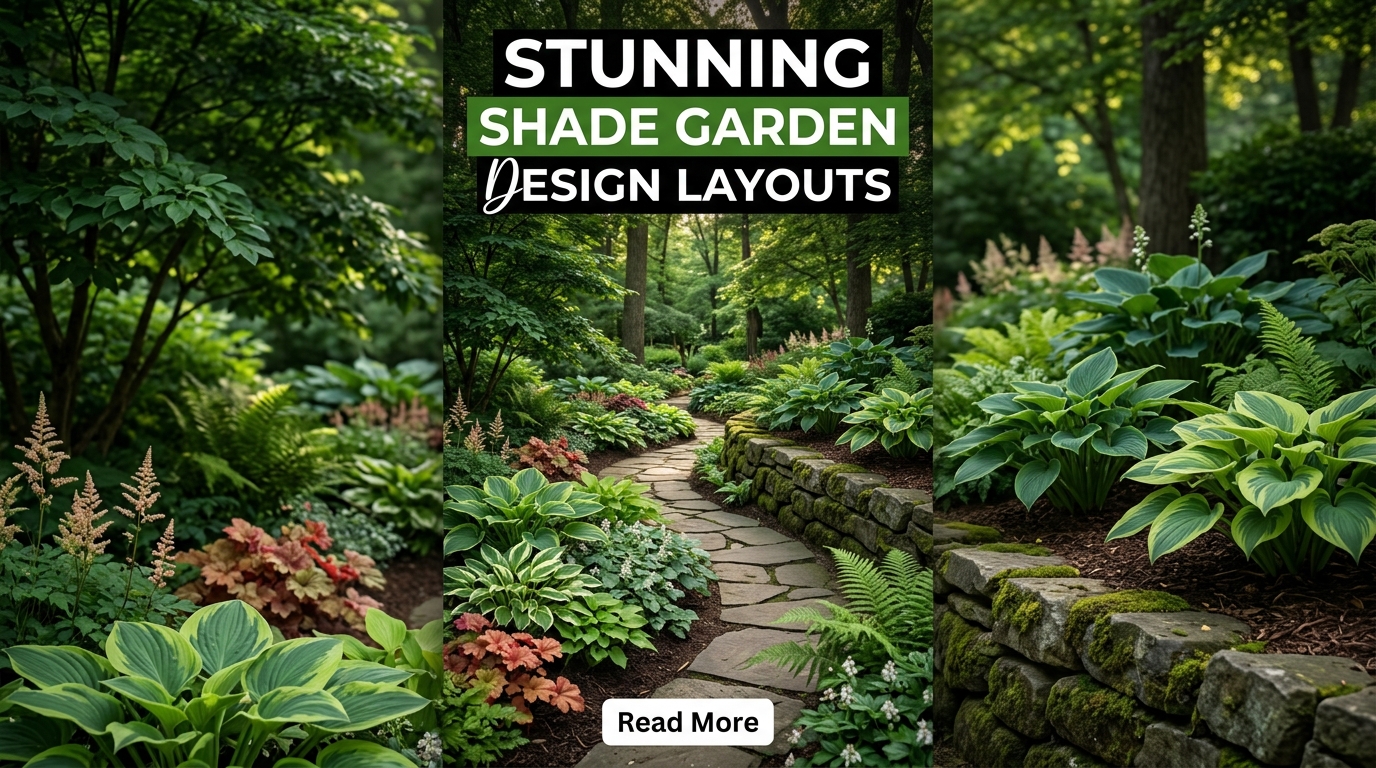
A shade garden can be just as vibrant and inviting as a sunny landscape. In fact, many gardeners discover that shaded spaces offer unique opportunities to create lush, tranquil retreats filled with texture, color, and year-round interest. Whether you’re working beneath mature trees, alongside a fence, or in the shadow of your home, a thoughtful shade garden design layout can transform an overlooked area into one of the most beautiful parts of your yard.
The key to a successful shade garden lies in understanding light levels, choosing the right plants, and designing a layout that emphasizes layers, pathways, and focal points.
Understanding Shade Conditions
Before designing your garden, determine the type of shade you have:
Full Shade
Receives less than 3 hours of direct sunlight per day.
Partial Shade
Receives 3–6 hours of sunlight, usually in the morning.
Dappled Shade
Filtered sunlight through trees creates shifting patterns of light and shade.
Dry Shade
Common under large trees where roots compete for moisture.
Knowing your shade type helps you select plants that will thrive.
Benefits of a Shade Garden
A well-planned shade garden offers:
- Lower watering requirements
- Cooler outdoor spaces
- Reduced weed growth
- Lush foliage displays
- Peaceful and relaxing atmosphere
Shade gardens are often easier to maintain than full-sun landscapes.
Planning Your Shade Garden Layout
Step 1: Create a Focal Point
Choose one standout feature, such as:
- Birdbath
- Bench
- Small fountain
- Garden sculpture
- Decorative urn
Place it where it can be viewed from multiple angles.
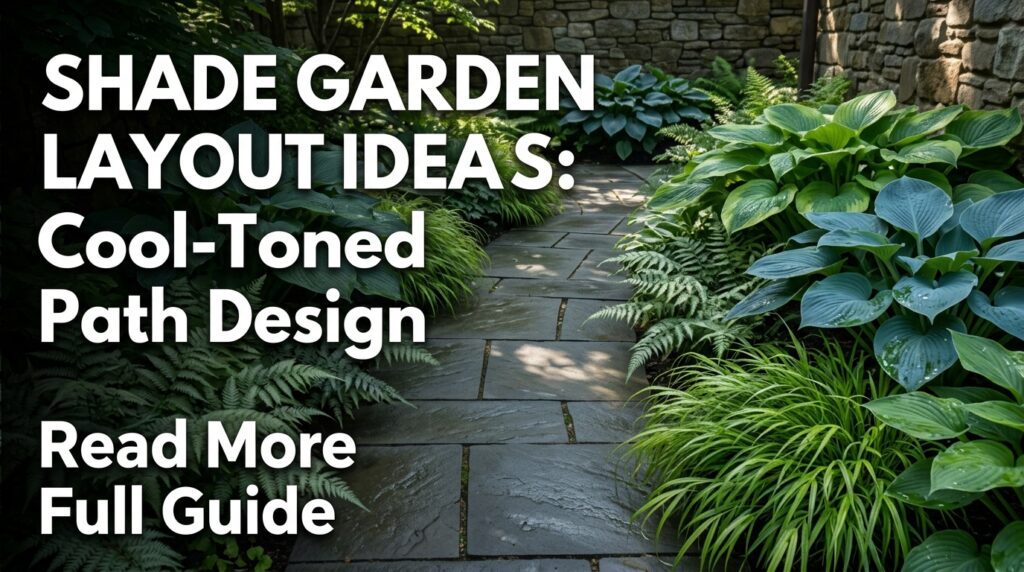
Step 2: Design Pathways
Use materials like:
- Gravel
- Stepping stones
- Mulch
- Natural stone
Curved pathways work especially well in shade gardens because they create a sense of mystery.
Step 3: Layer Your Plants
Arrange plants according to height:
- Tall plants at the back
- Medium plants in the middle
- Groundcovers at the front
Layering creates depth and visual interest.
Best Plants for Shade Gardens
Tall Plants
- Foxglove
- Japanese Maple
- Hydrangea
- Fatsia
Medium Plants
- Hostas
- Astilbe
- Ferns
- Heuchera
Groundcovers
- Ajuga
- Sweet Woodruff
- Lamium
- Creeping Jenny
Combining different leaf shapes and textures is essential in a shade garden.
Popular Shade Garden Layout Ideas
Woodland Garden Layout
Features:
- Ferns
- Moss
- Natural pathways
- Native plants
This layout mimics a forest floor and feels incredibly peaceful.
Cottage Shade Garden
Include:
- Hydrangeas
- Foxgloves
- Bleeding hearts
- Rustic seating
Modern Shade Garden
Use:
- Minimalist planters
- Architectural plants
- Gravel paths
- Clean lines
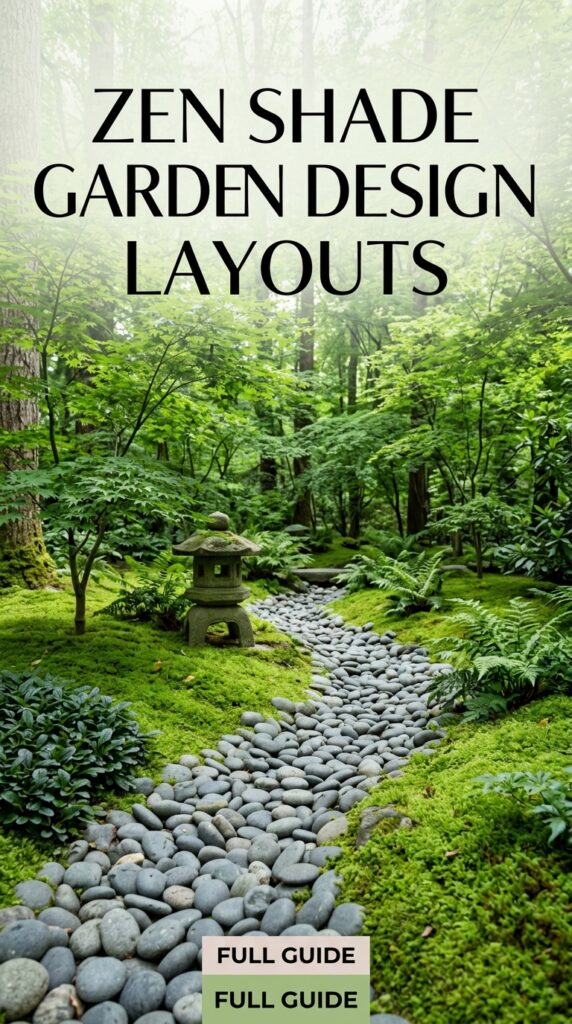
Japanese-Inspired Shade Garden
Add:
- Stone lanterns
- Bamboo
- Moss
- Small water features
Small Shade Garden Design Ideas
For compact spaces:
- Install vertical planters.
- Use containers.
- Add mirrors to reflect light.
- Choose compact plant varieties.
Even a small shaded corner can become a beautiful retreat.
Adding Color to a Shade Garden
Brighten dark areas with:
- White flowers
- Silver foliage
- Variegated plants
- Light-colored décor
Popular choices include:
- White hydrangeas
- Variegated hostas
- Silver heuchera
Shade Garden Maintenance Tips
- Water deeply during dry periods.
- Add mulch to retain moisture.
- Remove fallen leaves regularly.
- Divide perennials every few years.
- Prune overhanging branches if necessary.
Most shade plants require relatively little maintenance once established.
Common Shade Garden Mistakes
Choosing Sun-Loving Plants
Always match plants to your light conditions.
Ignoring Soil Quality
Many shaded areas have poor soil due to tree roots.
Overcrowding Plants
Leave enough room for mature growth.
Forgetting Seasonal Interest
Include evergreen plants and winter features.
Neglecting Texture
In shade gardens, foliage often matters more than flowers.
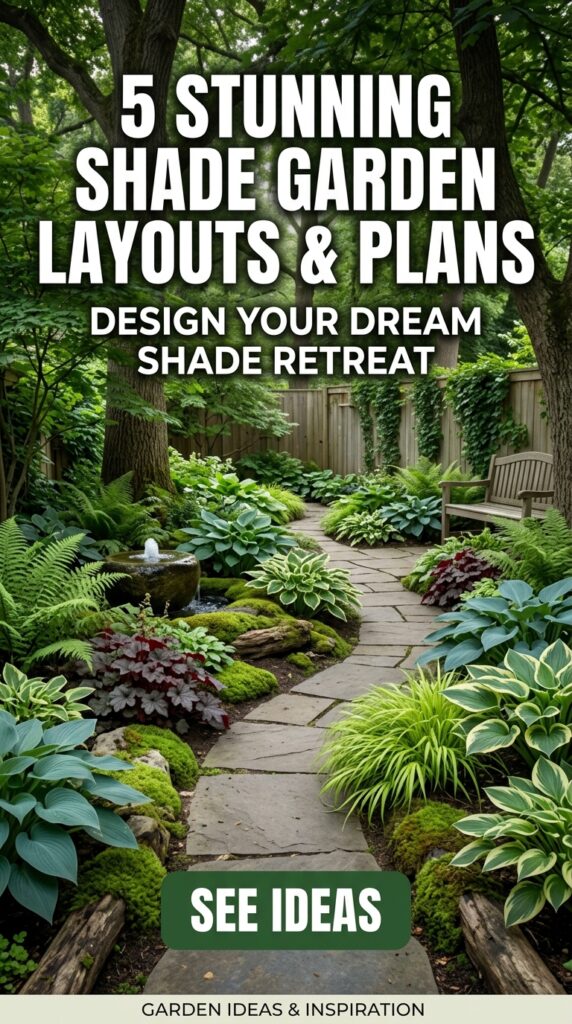
Sample Shade Garden Layout
A simple layout might include:
- Back Layer: Hydrangeas and Japanese maples
- Middle Layer: Hostas and ferns
- Front Layer: Ajuga and creeping Jenny
- Focal Point: Stone birdbath
- Pathway: Curved gravel path
This combination creates balance, texture, and year-round appeal.
Frequently Asked Questions
What plants grow best in shade?
Hostas, ferns, astilbe, hydrangeas, and heuchera are excellent choices.
Can a shade garden have flowers?
Yes. Many flowering plants thrive in partial or full shade.
How do I make a shade garden brighter?
Use white flowers, reflective surfaces, and light-colored mulch or gravel.
Are shade gardens low maintenance?
Generally, yes. They often require less watering and experience fewer weed problems.
What is the best layout for a shade garden?
Layered planting with pathways and a focal point creates the most visually appealing design.
Conclusion
A shade garden design layout offers endless opportunities to create a cool, lush, and inviting outdoor space. By selecting the right plants, incorporating pathways and focal points, and embracing texture and foliage, you can turn even the darkest corner of your yard into a stunning landscape feature.
Whether you prefer a woodland retreat, a cottage-style border, or a minimalist modern design, shade gardens prove that low-light spaces can be every bit as beautiful as sunny ones. With thoughtful planning and proper plant selection, your shade garden can become a peaceful sanctuary you’ll enjoy throughout the year.