 By John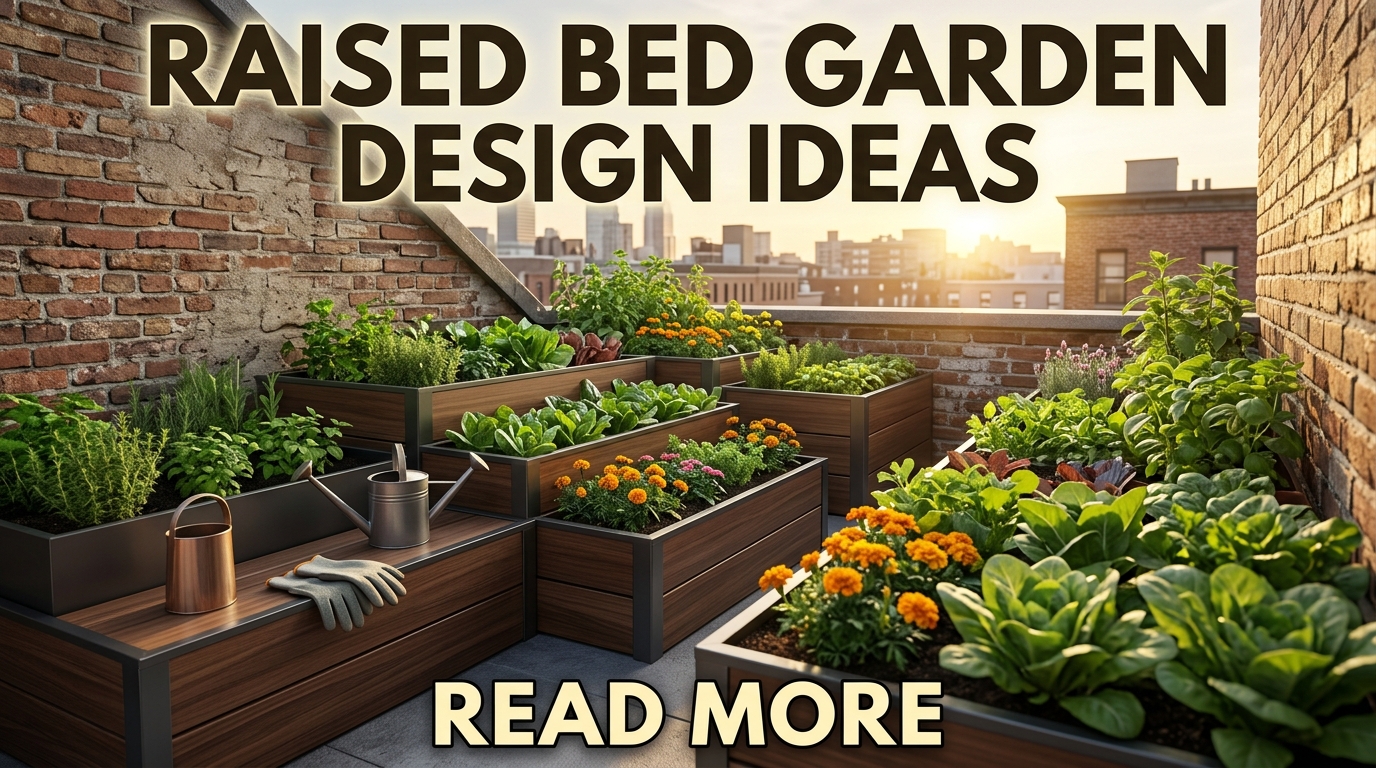
Raised Bed Garden Design Guide for Growing Vegetables, Flowers, Herbs, and Healthy Plants
Raised bed garden design has become one of the most popular gardening methods for homeowners who want an organized, attractive, and productive outdoor space. Whether you’re growing fresh vegetables, colorful flowers, aromatic herbs, or a combination of all three, raised garden beds make gardening easier while improving the overall appearance of your landscape.
Unlike traditional in-ground gardens, raised beds offer greater control over soil quality, better drainage, improved plant health, and easier maintenance. They are perfect for beginners, experienced gardeners, families, and anyone looking to maximize growing space in both large and small backyards.
With the right layout, quality materials, healthy soil, and proper plant selection, a raised bed garden can produce abundant harvests while adding structure and beauty to your outdoor living area.
This complete guide explains how to design the perfect raised bed garden, choose the best materials, plan efficient layouts, grow healthy plants, and maintain a thriving garden throughout the year.
Why Choose Raised Bed Gardening?
Raised beds offer many practical advantages over traditional gardens.
Some of the biggest benefits include:
- Better soil drainage
- Healthier root development
- Fewer weeds
- Reduced soil compaction
- Easier harvesting
- Less bending while gardening
- Improved pest management
- Higher vegetable yields
- Cleaner garden appearance
- Greater planting flexibility
Because you control the soil inside the beds, plants generally grow stronger and produce better harvests.
Planning Your Raised Bed Garden
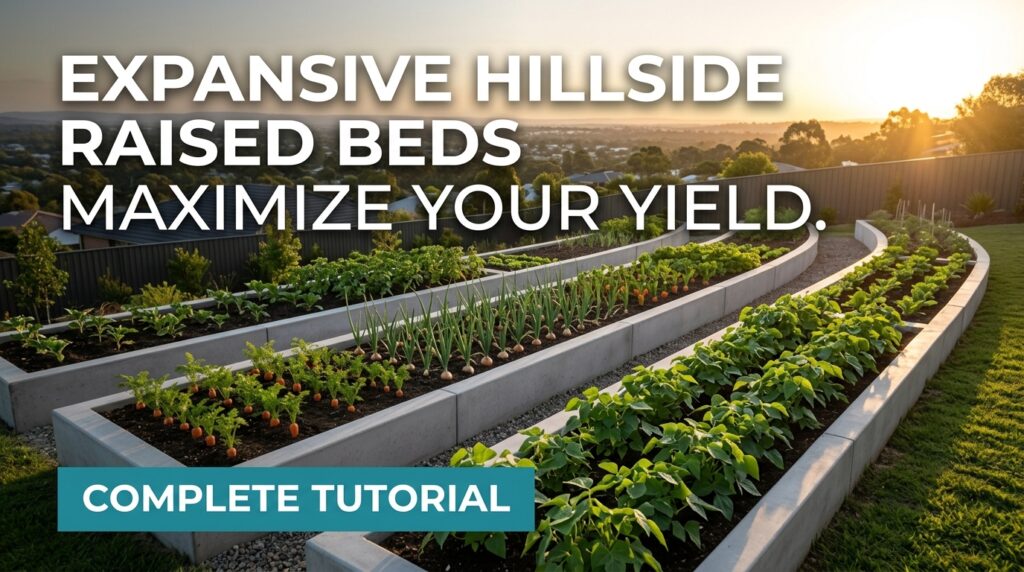
Good planning saves time and money while improving long-term success.
Before building your garden, evaluate:
- Available space
- Daily sunlight
- Water access
- Existing trees
- Drainage
- Wind exposure
- Soil conditions
- Walking space
Most vegetables require at least six to eight hours of direct sunlight each day.
Selecting the Best Garden Location
Location is one of the most important decisions.
Choose an area that offers:
- Full sunlight
- Level ground
- Easy access
- Good airflow
- Convenient watering
- Safe distance from large tree roots
Avoid locations where water pools after heavy rain.
Choosing Raised Bed Materials
Raised beds can be built from many durable materials.
Popular choices include:
Cedar
Naturally resistant to insects and rot while providing a classic appearance.
Redwood
Beautiful, durable, and long-lasting for premium garden designs.
Galvanized Steel
Modern, sleek, weather-resistant, and ideal for contemporary landscapes.
Stone
Elegant and permanent with exceptional durability.
Concrete Blocks
Affordable, sturdy, and easy to assemble into different shapes.
Choose materials that complement your home’s architecture and landscape style.
Ideal Raised Bed Dimensions
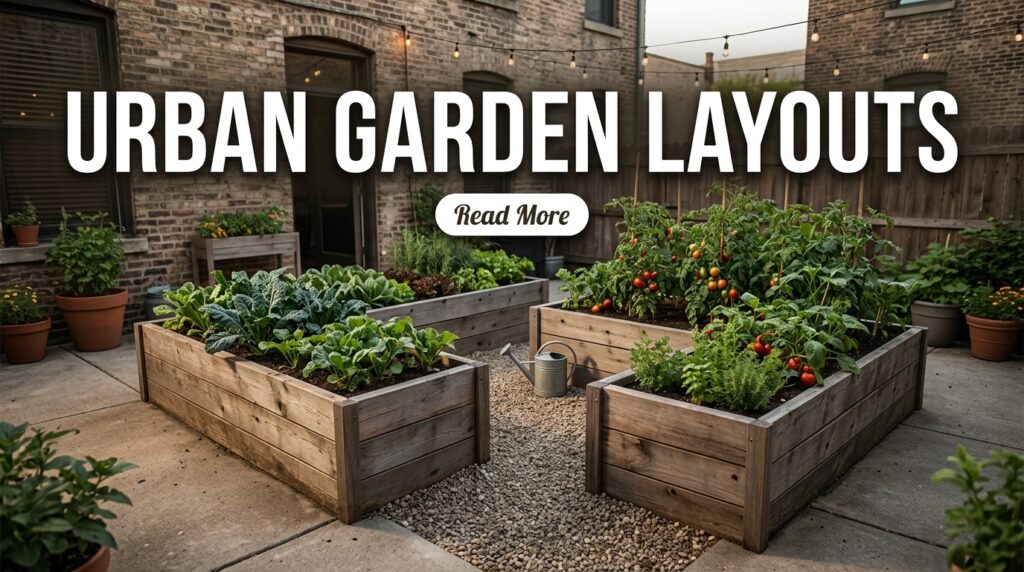
Correct sizing improves accessibility.
Recommended measurements include:
- Width: 4 feet maximum
- Height: 12–24 inches
- Length: 6–12 feet
These dimensions allow you to reach the center without stepping into the soil.
Designing the Garden Layout
A thoughtful layout makes maintenance much easier.
Popular layouts include:
- Parallel beds
- U-shaped gardens
- L-shaped designs
- Grid layouts
- Courtyard gardens
- Symmetrical patterns
Leave pathways between beds for comfortable movement.
Pathway Design
Functional pathways improve access while reducing soil compaction.
Good pathway materials include:
- Gravel
- Mulch
- Brick
- Stone pavers
- Wood chips
Aim for pathways that are at least 24 to 36 inches wide.
Creating Healthy Soil
The success of your raised bed depends largely on soil quality.
A balanced soil mixture typically contains:
- High-quality topsoil
- Finished compost
- Coconut coir
- Aged manure
- Perlite
Healthy soil encourages strong root growth and higher yields.
Growing Vegetables
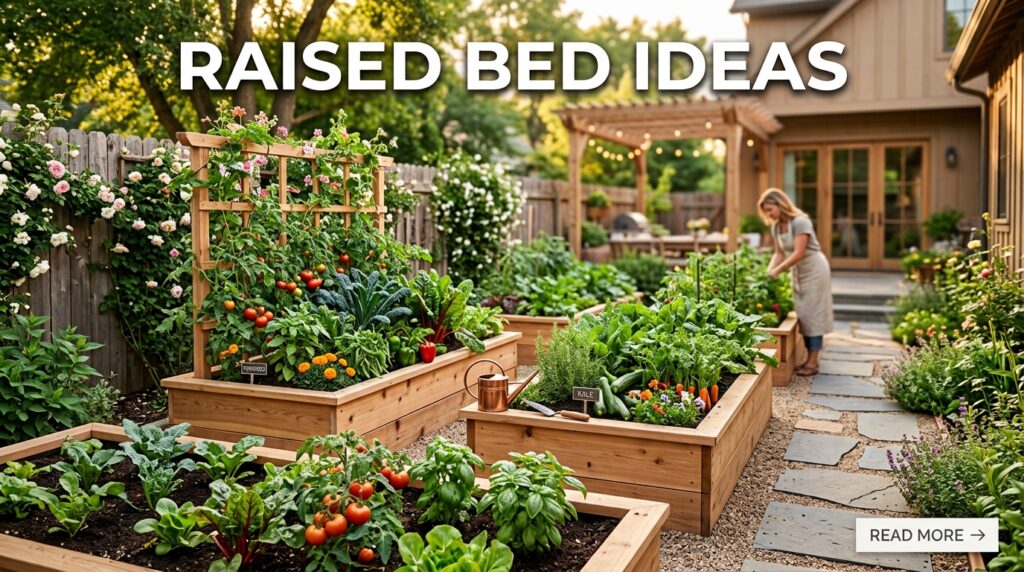
Raised beds are ideal for producing fresh vegetables.
Excellent choices include:
- Tomatoes
- Cucumbers
- Carrots
- Peppers
- Lettuce
- Kale
- Spinach
- Onions
- Radishes
- Beans
Space plants according to their mature size for maximum productivity.
Herb Garden Design
Fresh herbs perform exceptionally well in raised beds.
Popular herbs include:
- Basil
- Rosemary
- Thyme
- Sage
- Mint
- Oregano
- Chives
- Dill
Plant herbs close to your kitchen for convenient harvesting.
Flower Beds
Raised beds aren’t just for vegetables.
Beautiful flowers include:
- Lavender
- Salvia
- Marigolds
- Coneflowers
- Petunias
- Zinnias
- Black-Eyed Susans
- Snapdragons
Flowers attract pollinators while adding vibrant color.
Companion Planting
Growing compatible plants together improves garden health.
Successful combinations include:
- Tomatoes with basil
- Carrots with onions
- Beans with corn
- Cucumbers with nasturtiums
- Lettuce with radishes
Companion planting can naturally reduce pests while increasing productivity.
Vertical Gardening
Growing upward saves valuable space.
Install:
- Trellises
- Tomato cages
- Garden arches
- Bean poles
- Vertical planters
Vertical gardening keeps plants healthy and makes harvesting easier.
Decorative Edging
Neat borders improve the appearance of your garden.
Popular edging materials include:
- Brick
- Steel edging
- Natural stone
- Timber
- Concrete blocks
Defined edges create a clean, professional look.
Irrigation Systems
Consistent watering supports healthy plant growth.
Popular watering methods include:
- Drip irrigation
- Soaker hoses
- Automatic sprinklers
- Hand watering
- Rain barrels
Drip irrigation conserves water while delivering moisture directly to plant roots.
Mulching Your Garden
Mulch offers several important benefits.
It helps:
- Retain soil moisture
- Reduce weeds
- Moderate soil temperature
- Prevent erosion
- Improve soil over time
Organic mulch gradually enriches the growing medium.
Pollinator Garden
Encourage bees and butterflies by planting:
- Bee Balm
- Lavender
- Coneflowers
- Salvia
- Yarrow
- Black-Eyed Susans
Pollinators improve fruit and vegetable production.
Raised Beds for Small Spaces
Even compact gardens can produce impressive harvests.
Ideas include:
- Corner raised beds
- Balcony planters
- Patio gardens
- Square-foot gardening
- Tiered beds
Creative layouts maximize every available inch.
Family-Friendly Garden
Raised beds make gardening enjoyable for children.
Include:
- Strawberry beds
- Cherry tomatoes
- Sunflowers
- Herbs
- Butterfly flowers
Gardening together encourages healthy eating and outdoor activity.
Sustainable Gardening
Environmentally friendly practices improve long-term success.
Use:
- Homemade compost
- Organic fertilizers
- Rainwater harvesting
- Native flowers
- Mulch
- Crop rotation
Sustainable gardening supports healthier ecosystems.
Seasonal Planting Guide
Spring
Plant:
- Peas
- Lettuce
- Spinach
- Radishes
Summer
Grow:
- Tomatoes
- Peppers
- Cucumbers
- Beans
Autumn
Choose:
- Broccoli
- Kale
- Carrots
- Beets
Winter
Protect beds using:
- Frost cloth
- Cold frames
- Mulch
- Low tunnels
Seasonal planning keeps the garden productive for much of the year.
Garden Accessories
Complete your raised bed design with:
- Garden benches
- Decorative trellises
- Bird baths
- Compost bins
- Solar lights
- Plant labels
Accessories improve both functionality and visual appeal.
Common Mistakes to Avoid
Many beginners encounter similar challenges.
Avoid:
- Overcrowding plants
- Using poor-quality soil
- Narrow pathways
- Inconsistent watering
- Ignoring crop rotation
- Poor sunlight placement
Proper planning prevents these issues.
Maintenance Tips
Keep your raised bed garden thriving by:
- Watering deeply
- Removing weeds regularly
- Adding compost each season
- Rotating crops
- Pruning plants
- Monitoring pests
Routine maintenance leads to healthier plants and larger harvests.
Frequently Asked Questions
What is the ideal height for a raised garden bed?
Most raised beds are between 12 and 24 inches high, providing excellent drainage and enough root space for vegetables, herbs, and flowers.
What vegetables grow best in raised beds?
Tomatoes, peppers, lettuce, spinach, cucumbers, beans, carrots, onions, kale, and radishes all perform exceptionally well.
How often should raised beds be watered?
Watering depends on weather and plant type, but most raised beds need consistent moisture because they drain more quickly than in-ground gardens.
What soil should I use in raised beds?
A mixture of topsoil, compost, organic matter, and aeration materials like perlite creates healthy growing conditions.
Can I mix flowers with vegetables?
Yes. Flowers attract pollinators, improve biodiversity, and add vibrant color while helping create a healthier garden ecosystem.
Conclusion
Raised bed garden design is one of the best ways to create an organized, productive, and visually appealing outdoor space. Whether you want to grow fresh vegetables, fragrant herbs, colorful flowers, or a combination of edible and ornamental plants, raised beds offer unmatched flexibility and ease of maintenance.
With thoughtful planning, quality materials, nutrient-rich soil, efficient irrigation, and smart planting techniques, your raised bed garden can provide healthy harvests and beautiful scenery throughout the growing season. By incorporating sustainable gardening practices and creative landscaping ideas, you’ll enjoy an outdoor space that is both functional and inspiring for years to come.