
 By John
Raised Garden Bed Plans: Design the Perfect Garden for Vegetables, Herbs, and Flowers
Raised garden beds are one of the most effective ways to grow healthy vegetables, herbs, flowers, and even small fruits. They offer excellent drainage, improve soil quality, reduce weeds, and make gardening more accessible for beginners and experienced gardeners alike. With the right raised garden bed plans, you can maximize your growing space while creating an attractive and organized landscape.
Whether you’re designing a compact backyard garden, a large kitchen garden, or a modern outdoor retreat, thoughtful planning ensures your raised beds are functional, productive, and visually appealing. From choosing the right size and materials to arranging pathways and selecting the best plants, every detail contributes to a successful garden.
This complete guide covers everything you need to know about raised garden bed plans, including layouts, dimensions, materials, planting ideas, irrigation, maintenance, and expert design tips.
Why Choose Raised Garden Beds?
Raised beds provide numerous advantages over traditional in-ground gardening.
Benefits include:
- Better soil drainage
- Improved soil quality
- Easier weed control
- Reduced soil compaction
- Longer growing season
- Better accessibility
- Cleaner vegetables
- Attractive garden appearance
They are especially useful in areas with poor native soil or limited gardening space.
Planning Your Raised Garden Beds
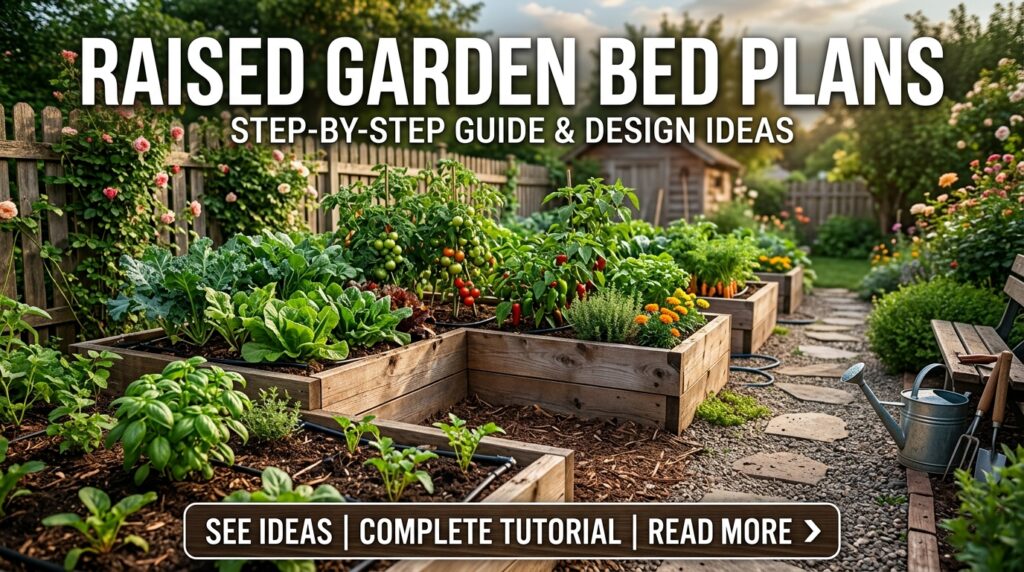
Before building, evaluate your garden area.
Consider:
- Available space
- Sunlight exposure
- Soil drainage
- Water access
- Wind direction
- Garden style
- Budget
- Future expansion
Most vegetables require six to eight hours of direct sunlight each day.
Choosing the Best Location
An ideal location should have:
- Full sun
- Level ground
- Easy access to water
- Good air circulation
- Convenient access for harvesting
Avoid placing beds under large trees that compete for sunlight and moisture.
Standard Raised Bed Sizes
The right dimensions make maintenance easier.
Popular sizes include:
- 4 x 4 feet
- 4 x 8 feet
- 3 x 6 feet
- 2 x 8 feet
Keep beds no wider than 4 feet so you can comfortably reach the center from either side without stepping on the soil.
Recommended Bed Height
The ideal height depends on your gardening needs.
- 6–8 inches: Suitable for flowers and shallow-rooted crops
- 10–12 inches: Ideal for most vegetables
- 18–24 inches: Excellent for root crops and easier access
- 24–36 inches: Comfortable for gardeners who prefer less bending
Taller beds also warm up faster in spring.
Best Materials for Raised Garden Beds
Choose durable materials that suit your budget and design style.
Popular options include:
Cedar
Naturally rot-resistant and long-lasting.
Redwood
Highly durable with an attractive natural finish.
Composite Boards
Low maintenance and resistant to weather.
Stone
Elegant, durable, and excellent for permanent gardens.
Brick
Creates a classic appearance with minimal maintenance.
Galvanized Metal
Modern, durable, and resistant to pests and decay.
Avoid pressure-treated lumber intended for older construction projects if you are unsure of its treatment history.
Popular Raised Garden Bed Layouts
Single Bed Layout
Perfect for beginners and small backyards.
Parallel Beds
Arrange several beds with pathways between them for larger gardens.
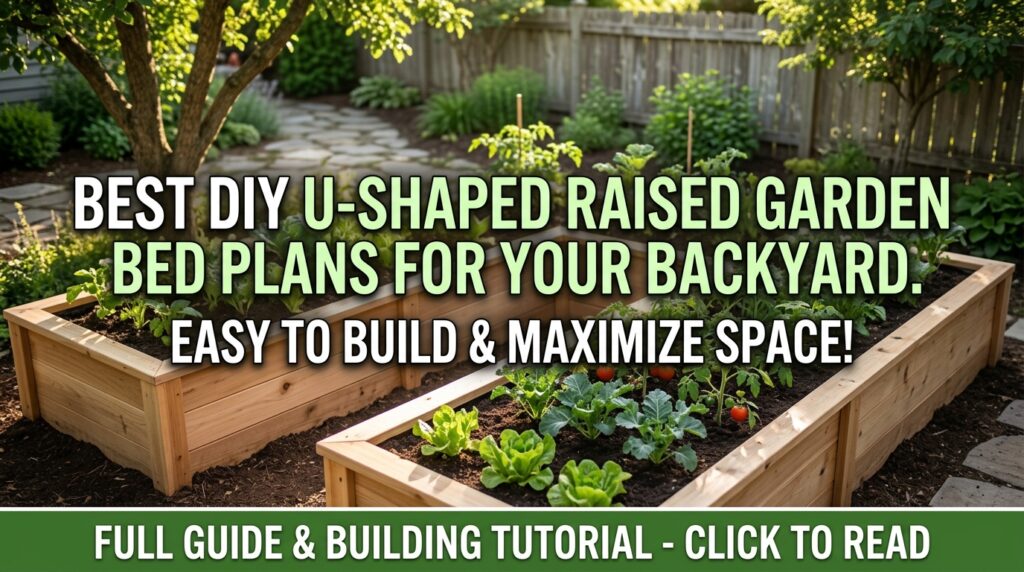
U-Shaped Layout
Provides easy access while maximizing planting space.
Grid Layout
Organizes multiple raised beds in a balanced pattern with central walkways.
Courtyard Garden
Raised beds surround a seating area for both beauty and functionality.
Pathway Design
Comfortable pathways improve maintenance and harvesting.
Recommended width:
- 24 inches for walking
- 36 inches for wheelbarrows
Popular materials include:
- Gravel
- Wood chips
- Mulch
- Brick
- Pavers
- Crushed stone
Defined pathways help keep the garden neat and organized.
Filling Raised Garden Beds
Healthy soil produces healthy plants.
A common mix includes:
- High-quality topsoil
- Compost
- Coconut coir or peat moss
- Organic matter
- Worm castings
Rich, well-draining soil encourages strong root development.
Best Vegetables for Raised Beds
Many crops thrive in raised gardens.
Excellent choices include:
- Tomatoes
- Lettuce
- Spinach
- Carrots
- Radishes
- Peppers
- Cucumbers
- Beans
- Kale
- Swiss chard
Rotate crops each year to maintain soil health.
Herb Garden Ideas
Raised beds are perfect for herbs.
Grow:
- Basil
- Rosemary
- Thyme
- Oregano
- Sage
- Parsley
- Chives
- Dill
Plant herbs near pathways for convenient harvesting.
Flower Beds
Flowers improve pollination and add seasonal color.
Popular choices include:
- Marigolds
- Zinnias
- Lavender
- Coneflowers
- Salvia
- Petunias
- Nasturtiums
Mix flowers with vegetables to create a productive and attractive garden.
Companion Planting
Companion planting naturally supports healthy growth.
Examples include:
- Tomatoes with basil
- Carrots with onions
- Lettuce with radishes
- Beans with corn
- Cucumbers with nasturtiums
Companion planting can help reduce pests and improve harvests.
Vertical Gardening
Save space by growing upward.
Use:
- Trellises
- Tomato cages
- Obelisks
- Garden arches
- Netting
Perfect climbing crops include:
- Cucumbers
- Pole beans
- Peas
- Tomatoes
Vertical gardening improves airflow and simplifies harvesting.
Irrigation Systems
Consistent watering keeps plants healthy.
Popular options include:
Drip Irrigation
Delivers water directly to plant roots while conserving water.
Soaker Hoses
Provide slow, even watering throughout the bed.
Hand Watering
Suitable for smaller gardens requiring closer attention.
Rainwater Collection
Use rain barrels to reduce water consumption and support sustainable gardening.
Mulching Benefits
Mulch improves soil health while reducing maintenance.
Benefits include:
- Weed suppression
- Moisture retention
- Temperature regulation
- Improved soil fertility
- Cleaner vegetables
Organic mulches such as straw, shredded leaves, and compost work especially well.
Raised Bed Edging
Enhance appearance with decorative edging.
Ideas include:
- Brick borders
- Stone edging
- Metal edging
- Wooden trim
Defined edges help keep pathways tidy.
Garden Accessories
Add practical and decorative features such as:
- Garden benches
- Tool storage
- Compost bins
- Rain barrels
- Decorative trellises
- Plant markers
- Solar lights
These additions improve both function and style.
Sustainable Gardening Practices
Raised beds naturally support eco-friendly gardening.
Further improve sustainability by:
- Composting kitchen scraps
- Using organic fertilizers
- Harvesting rainwater
- Planting native flowers
- Encouraging pollinators
- Avoiding synthetic pesticides
Healthy ecosystems produce healthier gardens.
Seasonal Planting Guide
Spring
Plant:
- Lettuce
- Spinach
- Radishes
- Peas
Summer
Grow:
- Tomatoes
- Peppers
- Cucumbers
- Beans
Autumn
Plant:
- Broccoli
- Kale
- Beets
- Carrots
Winter
Protect beds with mulch, cover crops, or cold frames depending on your climate.
Planning by season ensures continuous harvests.
Small Raised Garden Ideas
Limited space is no obstacle.
Ideas include:
- Balcony raised beds
- Corner beds
- Tiered planters
- Mobile raised beds
- Patio gardens
Compact designs make gardening possible almost anywhere.
Maintenance Tips
Keep raised beds productive by:
- Watering consistently
- Removing weeds
- Adding compost annually
- Rotating crops
- Refreshing mulch
- Pruning plants
- Inspecting for pests
Regular care results in healthier plants and larger harvests.
Common Mistakes to Avoid
Avoid these common gardening errors:
- Beds that are too wide
- Poor drainage
- Low-quality soil
- Overcrowded planting
- Inconsistent watering
- Ignoring crop rotation
- Narrow pathways
Proper planning prevents many problems before they begin.
Frequently Asked Questions
What is the ideal size for a raised garden bed?
A width of 4 feet and a length of 8 feet is one of the most practical sizes, allowing easy access from both sides.
How deep should a raised garden bed be?
Most vegetables grow well in beds 10 to 12 inches deep, while root vegetables often benefit from 18 inches or more.
What is the best material for raised beds?
Cedar, redwood, galvanized metal, stone, and brick are among the most durable and attractive options.
Should I line the bottom of a raised bed?
Many gardeners use landscape fabric or hardware cloth to help reduce weeds or deter burrowing pests while still allowing drainage.
What grows best in raised beds?
Tomatoes, peppers, lettuce, herbs, carrots, cucumbers, beans, spinach, and flowers all perform exceptionally well.
Conclusion
Raised garden bed plans provide the foundation for a productive, organized, and visually appealing garden. By selecting the right location, choosing durable materials, creating accessible layouts, and filling beds with nutrient-rich soil, you can enjoy abundant harvests and beautiful landscaping for years to come.
Whether you’re growing vegetables, herbs, flowers, or a combination of all three, raised garden beds offer flexibility, efficiency, and ease of maintenance. With thoughtful planning, sustainable gardening practices, and regular care, your raised garden beds will become a rewarding outdoor space that produces fresh food and vibrant blooms season after season.