
 By John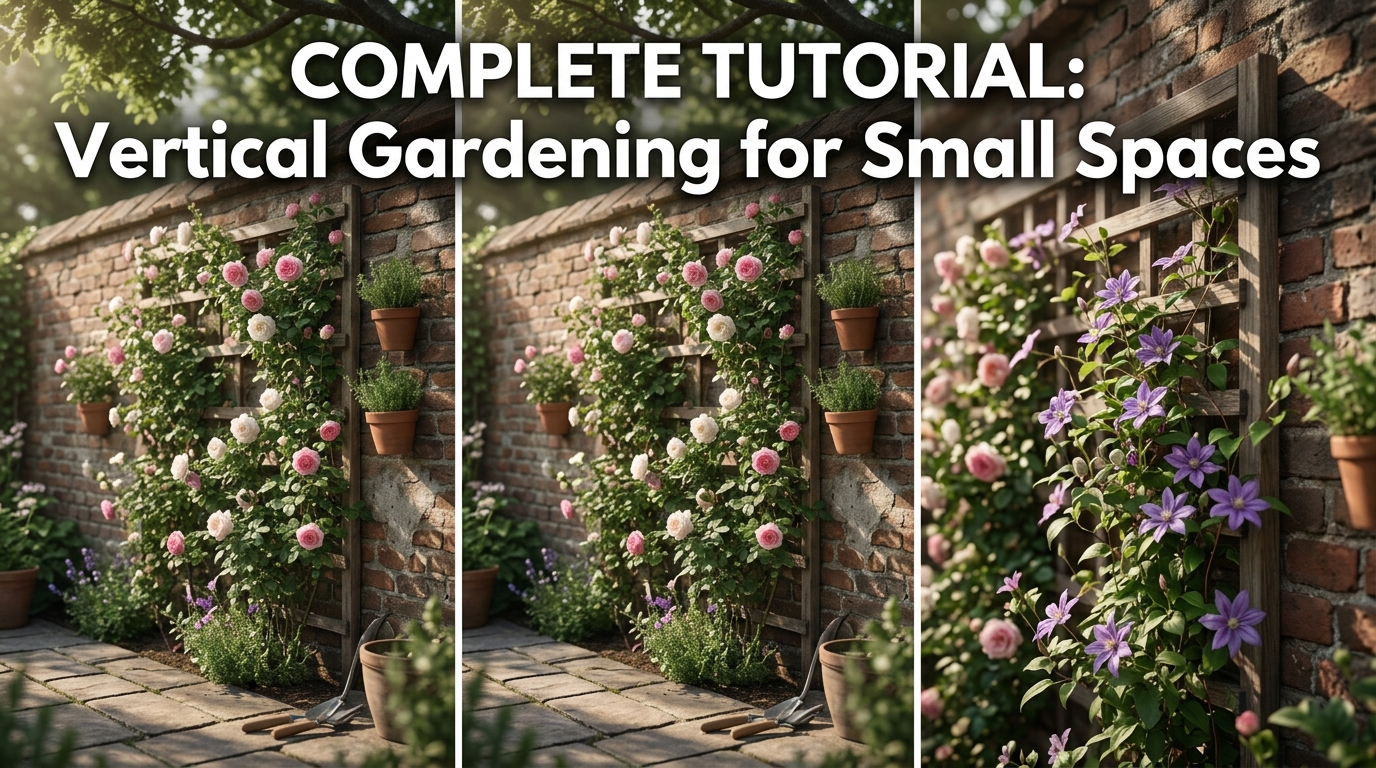
A small flower garden can bring vibrant color, fragrance, and personality to even the tiniest outdoor space. You don’t need a large yard to enjoy beautiful blooms. With thoughtful plant selection, smart layering, containers, vertical gardening, and a simple layout, a compact garden can become a charming focal point.
Whether you’re working with a narrow front yard, tiny backyard, courtyard, balcony, patio, or small garden bed, the right combination of flowers and foliage can create a welcoming outdoor retreat.
What Is a Small Flower Garden?
A small flower garden is a compact growing space dedicated primarily to flowering plants.
It may include:
- Flower beds
- Containers
- Raised beds
- Window boxes
- Hanging baskets
- Borders
- Vertical planters
- Small pathways
The best designs use the available space efficiently without overcrowding plants.
Benefits of a Small Flower Garden
A compact flower garden can:
- Add color to your landscape
- Improve curb appeal
- Attract pollinators
- Provide seasonal interest
- Add fragrance
- Create a relaxing outdoor atmosphere
- Make unused spaces more attractive
Small gardens can also be easier to maintain than large flower borders.
1. Small Flower Garden Bed
A dedicated flower bed is one of the simplest ways to create a compact display.
Use a combination of:
- Low-growing flowers
- Medium-height perennials
- Small shrubs
- Groundcovers
Place taller plants toward the back and shorter varieties toward the front.
2. Small Front Flower Garden
A small flower garden near the front entrance can dramatically improve curb appeal.
Create a simple border around:
- The front walkway
- Porch
- Entry steps
- House foundation
Choose plants that won’t obstruct doors, windows, or pathways as they mature.
3. Small Backyard Flower Garden
Use an unused corner of the backyard to create a colorful retreat.
Add:
- Flower beds
- A small bench
- Decorative stones
- Containers
- Garden lighting
Keep the layout simple so the space remains easy to navigate.
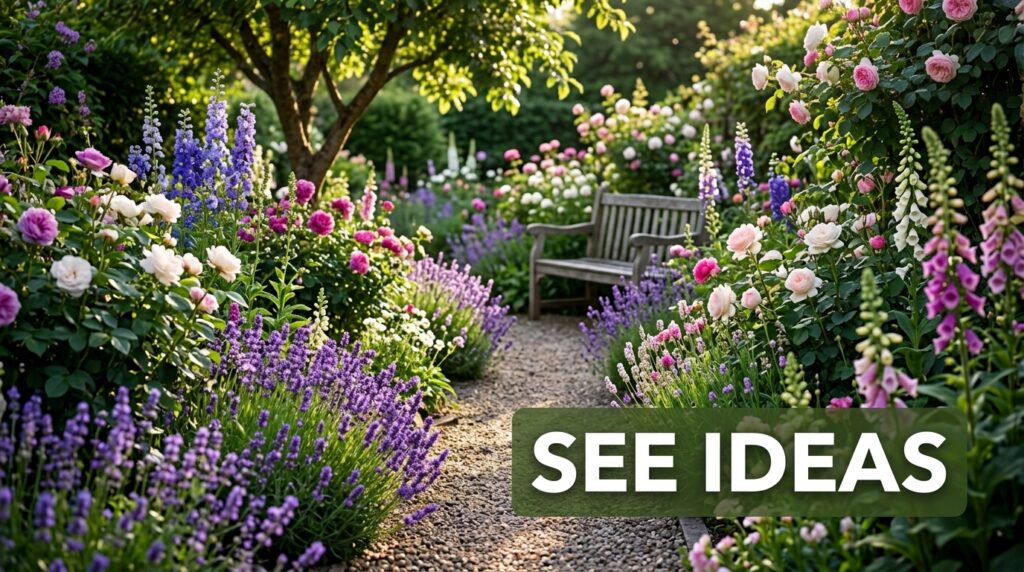
4. Small Cottage Flower Garden
A cottage-style flower garden can make a small area feel abundant and romantic.
Combine:
- Roses
- Daisies
- Lavender
- Foxgloves
- Salvia
- Seasonal flowers
Use informal planting rather than rigid rows.
5. Small Flower Garden in Containers
Containers are perfect for patios and gardens with limited soil space.
Use:
- Pots
- Window boxes
- Troughs
- Hanging baskets
- Decorative planters
Choose containers with adequate drainage and match their size to the plants’ mature root requirements.
6. Small Flower Garden on a Balcony
A balcony can become a colorful mini garden with the right containers.
Consider:
- Compact flowering plants
- Hanging baskets
- Window boxes
- Vertical planters
Check the balcony’s load limits before adding numerous heavy containers.
7. Small Raised Flower Garden
Raised beds can give a small garden a clear structure.
Use a compact rectangular, square, or curved bed and fill it with flowers suited to the site’s sunlight and soil conditions.
Raised beds can also make planting and maintenance more comfortable.
8. Small Flower Garden Border
A narrow flower border can add color without taking much space.
Place it alongside:
- Walkways
- Fences
- Patios
- Driveways
- Walls
Choose plants that remain compact and won’t spread into paths.
9. Small Flower Garden Along a Fence
Use the narrow space along a fence for layered planting.
Combine:
- Climbing flowers
- Medium-height plants
- Groundcovers
A trellis can provide additional vertical growing space without taking much ground area.
10. Small Flower Garden With a Path
A short pathway can make a tiny flower garden feel more intentional.
Use:
- Stepping stones
- Gravel
- Brick
- Natural stone
Keep planting slightly back from the walking surface to maintain clear access.
11. Small Flower Garden With Rocks
Rocks can add structure and contrast to flower beds.
Place larger stones as focal points and surround them with smaller flowering plants and groundcovers.
Choose stones that complement the garden and home rather than introducing too many different materials.
12. Small Rock and Flower Garden
Combine drought-tolerant flowering plants with gravel and stones where the climate and site are suitable.
This style can work well for:
- Sunny yards
- Slopes
- Small beds
- Modern landscapes
Ensure plants receive the drainage and sunlight they require.
13. Small Flower Garden With a Tree
A small ornamental tree can provide height and structure.
Underplant it with shade-tolerant flowers if the tree creates a suitable growing environment.
Avoid planting too close to the trunk and account for the tree’s mature canopy.
14. Small Flower Garden With Shrubs
Flowering shrubs can provide long-term structure.
Choose compact varieties and combine them with:
- Perennials
- Annuals
- Groundcovers
- Ornamental grasses
This creates layers without requiring dozens of separate plant types.
15. Small Flower Garden With Perennials
Perennials can return for multiple growing seasons when suited to the climate and growing conditions.
Examples of commonly used garden perennials include:
- Salvia
- Coneflower
- Daylily
- Lavender
- Yarrow
Choose plants based on local conditions rather than relying solely on appearance.
16. Small Flower Garden With Annuals
Annual flowers can provide strong seasonal color.
Use them to fill gaps between permanent plants or change the garden’s color palette each year.
Annuals are particularly useful when you want to experiment with different designs.
17. Small Flower Garden for Pollinators
A compact flower bed can still support pollinators.
Choose suitable flowers with different bloom periods and provide a diverse planting mix.
Avoid unnecessary pesticide use and select native or locally appropriate plants where possible.
18. Small Butterfly Flower Garden
Butterflies can be attracted by suitable nectar-producing flowers and host plants.
Create a welcoming space with:
- Flowering plants
- Sunlight
- Shelter
- Shallow water sources
- Suitable host plants
Research plants that support butterflies in your region.
19. Small Flower Garden for Bees
Bee-friendly flowers can add both color and ecological value.
Choose plants that provide nectar and pollen and offer blooms across different seasons when possible.
Avoid pesticide use that may harm beneficial insects.
20. Small Fragrant Flower Garden
A tiny garden can become especially enjoyable with fragrant plants.
Consider suitable varieties of:
- Roses
- Lavender
- Jasmine
- Gardenia
- Sweet alyssum
Place fragrant flowers near seating areas, paths, or entrances where their scent can be appreciated.
21. Small White Flower Garden
A white flower garden creates a clean and elegant appearance.
Combine white blooms with:
- Green foliage
- Silver-leaved plants
- Dark containers
- Natural stone
Different leaf textures can keep a monochromatic garden visually interesting.
22. Small Colorful Flower Garden
For a vibrant look, choose a controlled color palette.
Try combinations such as:
- Pink and purple
- Yellow and white
- Orange and blue
- Red and pink
Repeat the same colors throughout the bed to prevent visual clutter.
23. Small Pink Flower Garden
Pink flowers can create a soft, romantic garden atmosphere.
Combine pink blooms with:
- White
- Lavender
- Soft green
- Silver foliage
Use different flower shapes and heights to add depth.
24. Small Cottage Flower Garden
For a traditional cottage feel, mix flowers loosely rather than planting in strict rows.
Add:
- Rustic edging
- A small gate
- Climbing flowers
- Vintage-style containers
- Natural stone paths
Keep the garden informal but maintain enough structure to prevent it from appearing chaotic.
25. Small Modern Flower Garden
A modern flower garden benefits from simplicity.
Use:
- Repeated plants
- Geometric beds
- Gravel
- Minimal containers
- Architectural foliage
Limit the color palette to create a clean appearance.
26. Small English Flower Garden
Create an English-inspired look with layered flowering plants and soft greenery.
Use:
- Roses
- Perennials
- Flowering shrubs
- Informal borders
- Small paths
Choose plants suited to your climate rather than trying to copy a specific historic garden exactly.
27. Small Japanese-Inspired Flower Garden
Japanese-inspired gardens generally emphasize restraint and harmony.
Use flowers sparingly alongside:
- Stones
- Moss
- Small trees
- Gravel
- Water
- Carefully shaped shrubs
Focus on texture and balance rather than filling every area with blooms.
28. Small Tropical Flower Garden
In suitable climates, tropical plants can create a lush garden atmosphere.
Use:
- Bold foliage
- Tropical flowers
- Compact palms
- Ferns
- Natural stone
In cooler climates, choose hardy plants with tropical-looking foliage.
29. Small Wildflower Garden
A small wildflower patch can create a naturalistic appearance.
Choose locally suitable wildflowers and avoid invasive species.
Allow flowers to grow in a relaxed pattern while maintaining clear paths and boundaries.
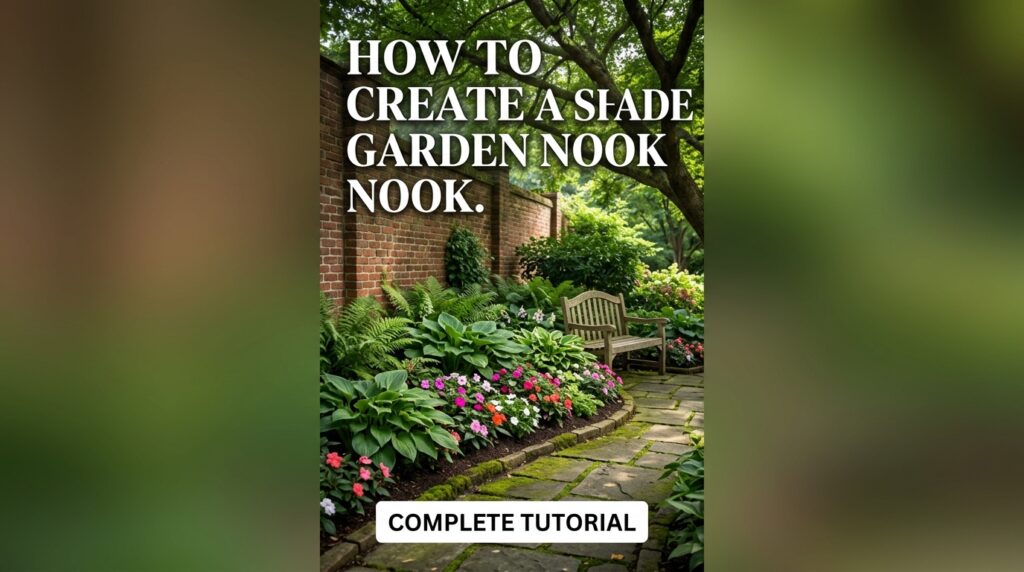
30. Small Flower Garden Under a Tree
Under-tree planting can be challenging because of shade and root competition.
Choose shade-tolerant plants suitable for the conditions.
Avoid damaging major roots or piling soil against the tree trunk.
31. Small Flower Garden Along a Wall
A wall provides a strong backdrop for flowering plants.
Use:
- Climbers
- Wall-mounted planters
- Narrow beds
- Hanging containers
Make sure the plants and support structures are appropriate for the wall.
32. Small Flower Garden With Garden Art
Add one small decorative feature such as:
- A sculpture
- Birdbath
- Decorative pot
- Small obelisk
- Garden mirror
Keep the feature proportional to the space.
33. Small Flower Garden With Seating
A small bench or chair can turn a flower bed into a destination.
Place seating where flowers can be enjoyed without damaging plants.
Keep paths and entrances clear.
34. Small Flower Garden With Lighting
Low-level garden lighting can highlight flowers after sunset.
Consider:
- Path lights
- Small spotlights
- Wall lights
- Solar fixtures
Use outdoor-rated products and install electrical systems safely.
35. Small Flower Garden on a Budget
You can create a beautiful flower garden without a large budget.
Save money by:
- Growing plants from seed
- Dividing established perennials where appropriate
- Using cuttings from suitable plants
- Reusing safe containers
- Choosing locally adapted flowers
- Building the garden in stages
Invest in healthy soil and suitable plants rather than excessive decorations.
Best Flowers for a Small Garden
The best flowers depend on your climate, soil, sunlight, and desired maintenance level.
Useful categories include:
- Compact perennials
- Annual bedding plants
- Groundcovers
- Bulbs
- Flowering shrubs
- Native wildflowers
- Container-friendly flowers
Always check mature height and spread before planting.
How to Plan a Small Flower Garden
Step 1: Measure the Space
Record the length and width of your planting area.
Step 2: Observe Sunlight
Determine whether the space receives full sun, partial shade, or shade.
Step 3: Check Soil and Drainage
Choose plants that match the existing conditions or improve the soil where appropriate.
Step 4: Choose a Color Palette
Select two to four complementary colors.
Step 5: Plan Plant Heights
Place taller plants toward the back and shorter plants toward the front when viewed from one direction.
Step 6: Add Foliage
Use foliage to maintain visual interest when flowers are not blooming.
Step 7: Add Hardscape
Use edging, stones, gravel, or a pathway to define the space.
Step 8: Leave Growing Room
Don’t fill every gap when plants are young. Account for their mature size.
Small Flower Garden Maintenance Tips
Keep your garden healthy by:
- Watering according to plant needs
- Removing weeds
- Deadheading when appropriate
- Pruning at the correct time
- Applying suitable mulch
- Monitoring pests
- Dividing plants when needed
- Replacing seasonal flowers
Group plants with similar water and sunlight requirements to simplify maintenance.
Common Small Flower Garden Mistakes
Planting Too Many Varieties
Too many different plants can make a small bed look cluttered.
Ignoring Mature Size
Plants can quickly outgrow a compact space.
Forgetting Foliage
A garden needs attractive leaves and structure between flowering periods.
Using the Wrong Plants for the Site
A sun-loving flower may struggle in shade, while a shade plant can suffer in intense sun.
Overwatering
Different flowers have different moisture requirements. Avoid keeping soil constantly wet unless the plants require it.
Blocking Paths
Keep flowers from spreading across walkways and entrances.
Frequently Asked Questions
How do I make a small flower garden look bigger?
Use repeated plants, limited colors, vertical elements, clear pathways, and uncluttered planting. Keeping sightlines open can also make the garden feel more spacious.
What flowers are easiest for a small garden?
Easy-care flowers depend on your climate. Choose hardy, locally adapted plants that match your available sunlight and soil conditions.
Can I grow flowers in a small garden without a lawn?
Yes. Flower beds, containers, gravel, paving, and groundcovers can create a beautiful garden without requiring traditional lawn space.
How many flowers should I plant in a small garden?
Rather than choosing a fixed number, plan according to the mature spacing requirements of each plant. Avoid overcrowding even if the garden looks sparse at first.
Can a small flower garden attract bees and butterflies?
Yes. A compact garden can support pollinators by providing suitable flowering plants, host plants, shelter, and water while avoiding unnecessary pesticide use.
Conclusion
A small flower garden can be colorful, fragrant, practical, and full of personality without requiring a large amount of space. The secret is to select plants according to the site’s sunlight, soil, climate, and mature size while using repetition, vertical planting, containers, and thoughtful layering.
Whether you prefer a romantic cottage garden, modern flower bed, colorful pollinator patch, elegant white garden, or simple container display, a carefully planned small flower garden can turn a compact outdoor area into a beautiful seasonal retreat.