
 By John
Small cottage gardens prove that you don’t need a large backyard to create a magical outdoor space. Inspired by traditional English country gardens, cottage gardens are known for their overflowing flower beds, winding paths, fragrant blooms, and relaxed, romantic atmosphere. Even the smallest patio, courtyard, or backyard can be transformed into a picturesque retreat with the right combination of plants, layout, and decorative elements.
The beauty of a cottage garden lies in its informal design. Unlike modern minimalist landscapes, cottage gardens celebrate abundance and personality. A mix of flowers, herbs, shrubs, and climbing plants creates a lived-in appearance that feels both timeless and welcoming.
Whether you have a compact urban garden, a narrow side yard, or a tiny front garden, this guide will help you design a beautiful small cottage garden that offers year-round charm and functionality.
What Is a Cottage Garden?
A cottage garden is a traditional planting style that originated in rural England. Historically, cottage gardens combined ornamental flowers with practical plants such as herbs, vegetables, and fruit trees.
Key characteristics include:
- Dense planting
- Mixed flowers and herbs
- Curved pathways
- Rustic garden accessories
- Climbing plants
- Informal layouts
- Seasonal color
The goal is to create a natural and abundant appearance rather than a perfectly manicured landscape.
Benefits of a Small Cottage Garden
Maximizes Limited Space
Cottage gardens make excellent use of compact areas by layering plants vertically and horizontally.
Encourages Wildlife
Butterflies, bees, and birds are naturally attracted to cottage-style planting.
Offers Year-Round Beauty
By choosing plants with different bloom times, you can enjoy your garden throughout the year.
Creates a Relaxing Atmosphere
The combination of flowers, fragrances, and natural materials creates a peaceful retreat.
Adds Property Appeal
A well-maintained cottage garden can significantly improve curb appeal.
Planning Your Small Cottage Garden
Before purchasing plants, spend some time planning your layout.
Consider:
- Available sunlight
- Garden dimensions
- Existing structures
- Soil quality
- Water access
- Desired seating areas
Sketching a simple plan can help you visualize the finished space and avoid overcrowding.
Best Small Cottage Garden Layouts
The Classic Pathway Garden
This layout includes:
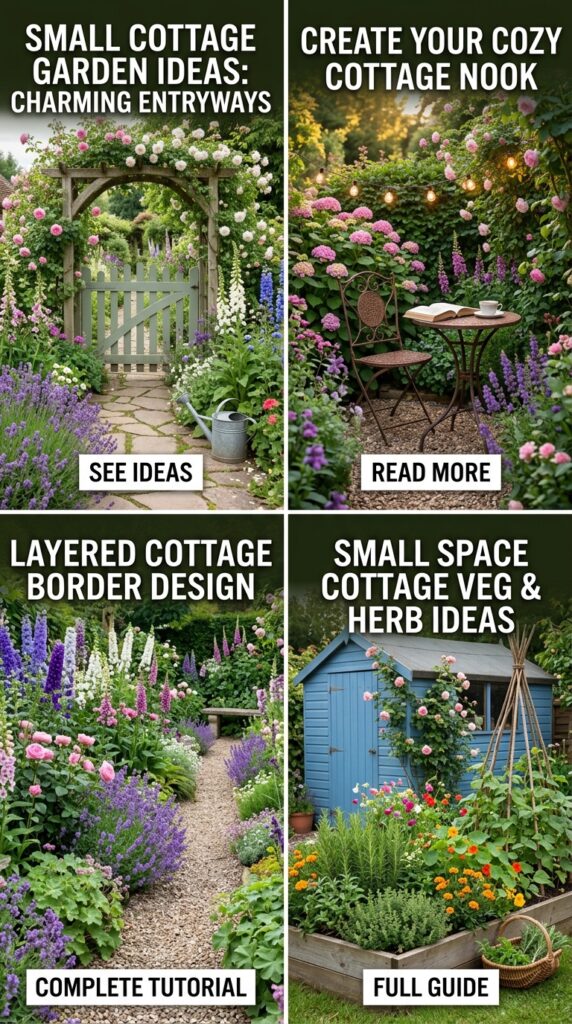
- A narrow gravel path
- Flower borders on both sides
- A bench at the end
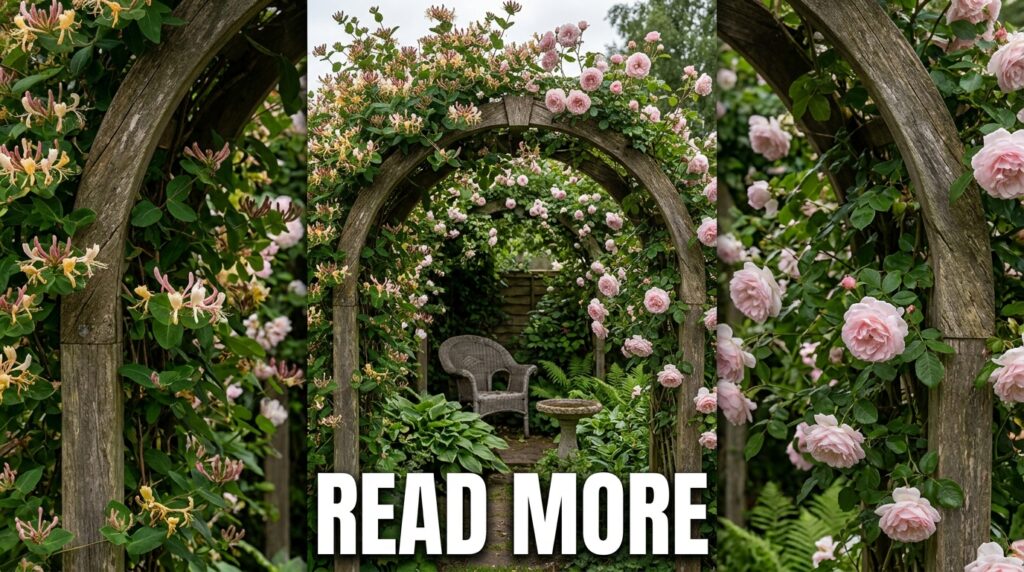
- Climbing plants over an arch
This design creates depth and encourages visitors to explore the space.
The Courtyard Cottage Garden
Perfect for urban homes, this layout features:
- Container plants
- A bistro table
- Vertical planting
- Decorative lanterns
Courtyard gardens are compact yet highly functional.
The Raised Bed Garden
Raised beds help organize small spaces while improving drainage.
Popular materials include:
- Brick
- Stone
- Timber
Raised beds are ideal for mixing flowers, herbs, and vegetables.
Best Plants for Small Cottage Gardens
Roses
No cottage garden is complete without roses. Choose compact varieties for smaller spaces.
Lavender
Lavender adds fragrance, attracts pollinators, and creates beautiful borders.
Foxgloves
These tall flowers add height and a traditional English garden feel.
Sweet Peas
Sweet peas are excellent climbers with delightful fragrance.
Hollyhocks
Perfect for planting along fences and walls.
Salvia
Provides long-lasting blooms and attracts bees.
Hydrangeas
Hydrangeas add structure and dramatic summer flowers.
Catmint
An easy-to-grow perennial that pairs beautifully with roses.
Incorporating Herbs
Traditional cottage gardens often include edible plants.
Popular herbs include:
- Rosemary
- Thyme
- Sage
- Mint
- Chives
- Oregano
Plant herbs along pathways where their fragrance can be enjoyed when brushed against.
Add Vertical Interest
Vertical gardening is essential in small spaces.
Ideas include:
- Trellises
- Garden arches
- Obelisks
- Hanging baskets
- Wall planters
Climbing plants help maximize space while creating a lush appearance.
Best Climbing Plants
Clematis
Produces stunning flowers in a variety of colors.
Climbing Roses
A cottage garden favorite.
Honeysuckle
Adds fragrance and attracts pollinators.
Jasmine
Offers beautiful flowers and an incredible scent.
Sweet Peas
Easy to grow and highly decorative.
Create a Cozy Seating Area
Every cottage garden needs a place to relax.
Consider adding:
- Wooden benches
- Bistro sets
- Wrought iron chairs
- Built-in seating
Position seating near fragrant plants such as lavender and jasmine for an enhanced experience.
Decorative Cottage Garden Features
Accessories add personality to your garden.
Popular options include:
- Birdbaths
- Lanterns
- Vintage watering cans
- Terracotta pots
- Rustic signs
- Decorative gates
Use decorations sparingly to avoid visual clutter.
Cottage Garden Color Schemes
Traditional Palette
- Pink
- Purple
- White
- Blue
Vibrant Palette
- Red
- Orange
- Yellow
Elegant White Garden
Combine:
- White roses
- White foxgloves
- White hydrangeas
- Silver foliage
A consistent color scheme helps unify the design.
Small Front Yard Cottage Garden Ideas
Transform your front yard with:
- Curved flower beds
- Climbing roses
- Decorative edging
- Window boxes
Even a small front garden can create a memorable first impression.
Cottage Garden Container Ideas
Containers are ideal for patios and balconies.
Try planting:
- Lavender in terracotta pots
- Mini roses in ceramic planters
- Herbs in wooden crates
- Sweet peas in tall containers
Mixing container sizes creates visual interest.
Wildlife-Friendly Cottage Gardens
Encourage wildlife by adding:
- Bird feeders
- Butterfly plants
- Water bowls
- Native flowers
Wildlife brings movement and life to the garden while supporting local ecosystems.
Lighting Ideas
Garden lighting extends the usability of your space into the evening.
Popular options include:
- Solar lights
- String lights
- Lanterns
- Path lights
Warm lighting enhances the romantic atmosphere that cottage gardens are known for.
Seasonal Planting Guide
Spring
- Tulips
- Daffodils
- Primroses
Summer
- Roses
- Lavender
- Delphiniums
- Salvia
Autumn
- Sedum
- Chrysanthemums
- Ornamental grasses
Winter
- Evergreens
- Holly
- Decorative branches
Planning for all four seasons ensures your garden remains attractive year-round.
Small Garden Maintenance Tips
Deadhead Flowers
Removing spent blooms encourages additional flowering.
Mulch Annually
Mulch helps retain moisture and suppress weeds.
Prune Regularly
Keep shrubs and climbing plants under control.
Divide Perennials
Many cottage garden plants benefit from division every few years.
Water Consistently
Container plants may require more frequent watering during summer.
Common Mistakes to Avoid
Overcrowding
Leave room for plants to mature.
Ignoring Vertical Space
Use walls and fences effectively.
Too Many Decorative Features
Keep the design balanced.
Lack of Planning
A simple layout plan can prevent costly mistakes.
Choosing High-Maintenance Plants
Select varieties suited to your climate and lifestyle.
Budget-Friendly Cottage Garden Ideas
Create a beautiful garden without overspending by:
- Growing plants from seed
- Dividing existing perennials
- Repurposing containers
- Using reclaimed materials
- Shopping end-of-season plant sales
Many cottage garden plants are inexpensive and easy to propagate.
Frequently Asked Questions
Can I create a cottage garden in a small backyard?
Yes. Cottage gardens are particularly well suited to small spaces because they maximize planting opportunities.
What is the best flower for a cottage garden?
Roses, lavender, foxgloves, and sweet peas are among the most popular choices.
Are cottage gardens difficult to maintain?
They require moderate maintenance, including pruning, watering, and deadheading.
Can I grow vegetables in a cottage garden?
Absolutely. Traditional cottage gardens often include vegetables, herbs, and fruit alongside ornamental plants.
How can I make a small garden feel larger?
Use curved pathways, mirrors, vertical planting, and layered flower beds to create the illusion of more space.
Conclusion
Small cottage garden ideas demonstrate that charm, beauty, and character are not limited by square footage. By combining traditional flowers, climbing plants, rustic accessories, and thoughtful layouts, you can create a garden that feels both timeless and inviting.
Whether you’re working with a compact backyard, a courtyard, or a tiny front garden, a cottage garden offers endless opportunities for creativity. With careful planning and regular maintenance, your small outdoor space can become a peaceful retreat filled with fragrance, color, and year-round enjoyment.