
 By John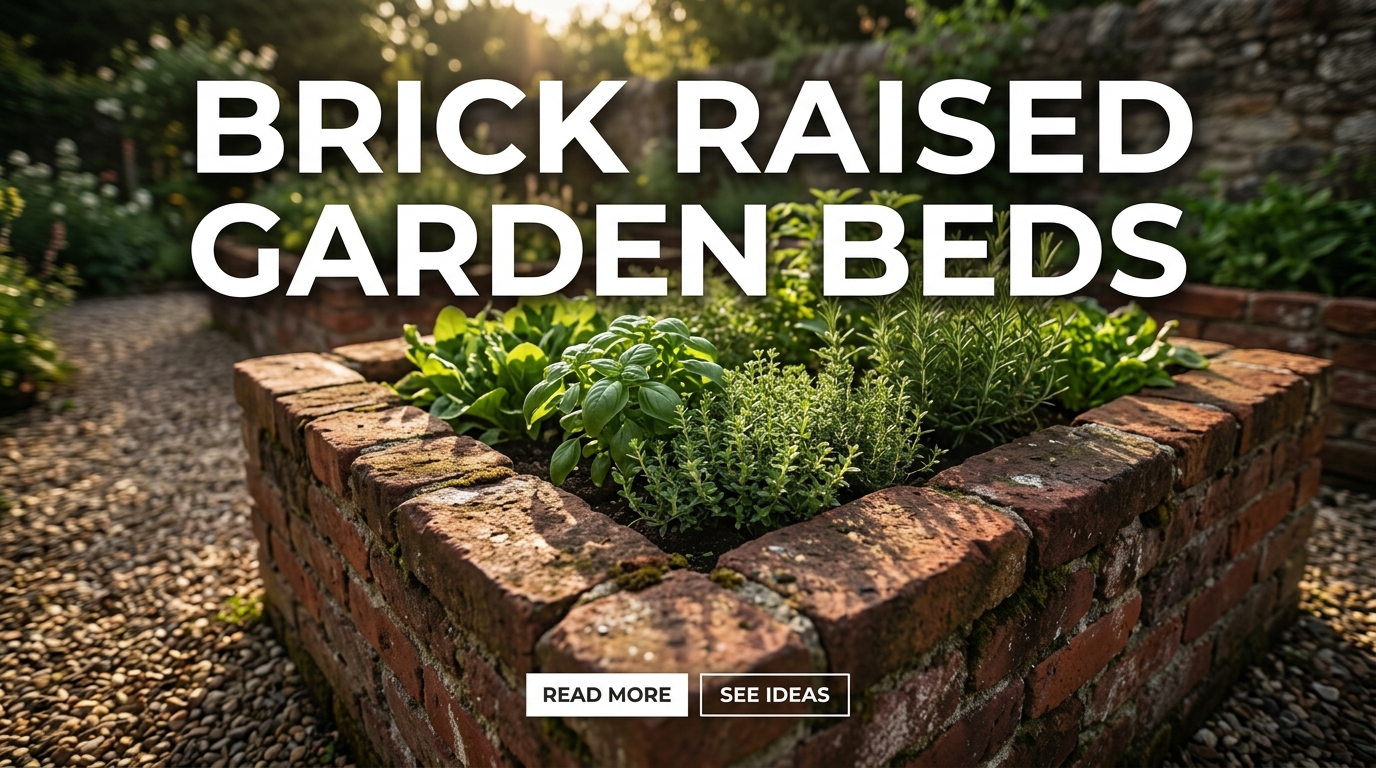
Brick Raised Garden Bed Ideas, Vegetable Garden Design, Backyard Landscaping, DIY Garden Projects, and Outdoor Growing Solutions
Brick raised garden beds are one of the most attractive and durable ways to grow flowers, vegetables, herbs, and ornamental plants. Combining timeless style with practical functionality, brick garden beds can transform any outdoor space into a well-organized and visually appealing landscape. Whether you’re creating a productive vegetable garden, a colorful flower bed, or a modern backyard design, brick raised beds offer a long-lasting solution that enhances both beauty and performance.
Unlike wooden beds that may rot over time, brick structures can last for decades with minimal maintenance. They provide excellent soil containment, improve drainage, reduce weed problems, and create clearly defined planting areas. Their classic appearance complements a wide range of garden styles, from traditional cottage gardens to sleek contemporary landscapes.
This complete guide explores the benefits, design ideas, construction methods, plant recommendations, and maintenance tips for brick raised garden beds.
What Are Brick Raised Garden Beds?
Brick raised garden beds are elevated planting areas enclosed by brick walls. The walls hold soil above ground level, creating a contained growing environment.
They can be used for:
- Vegetable gardens
- Herb gardens
- Flower beds
- Pollinator gardens
- Kitchen gardens
- Decorative landscapes
Brick beds can be customized to suit nearly any garden size or shape.
Benefits of Brick Raised Garden Beds
Exceptional Durability
Brick is one of the longest-lasting landscaping materials available.
Improved Drainage
Raised beds prevent waterlogging and improve root health.
Better Soil Control
Gardeners can create ideal soil conditions for specific plants.
Reduced Weed Problems
Defined borders make weed management easier.
Increased Accessibility
Raised beds reduce bending and improve gardening comfort.
Timeless Appearance
Brick complements both classic and modern landscapes.
Choosing the Right Location
Before building your raised bed, select an appropriate site.
Consider:
- Sunlight exposure
- Drainage conditions
- Accessibility
- Water availability
- Garden layout
Most vegetables require at least six to eight hours of direct sunlight daily.
Best Brick Types for Raised Beds

Several brick options are suitable for garden construction.
Clay Bricks
Traditional and highly durable.
Reclaimed Bricks
Eco-friendly and full of character.
Concrete Bricks
Affordable and strong.
Decorative Landscape Bricks
Available in various colors and finishes.
Choose materials that match your home’s architectural style.
Popular Brick Raised Bed Shapes
Rectangular Beds
Ideal for vegetables and efficient planting.
Square Beds
Perfect for compact gardens.
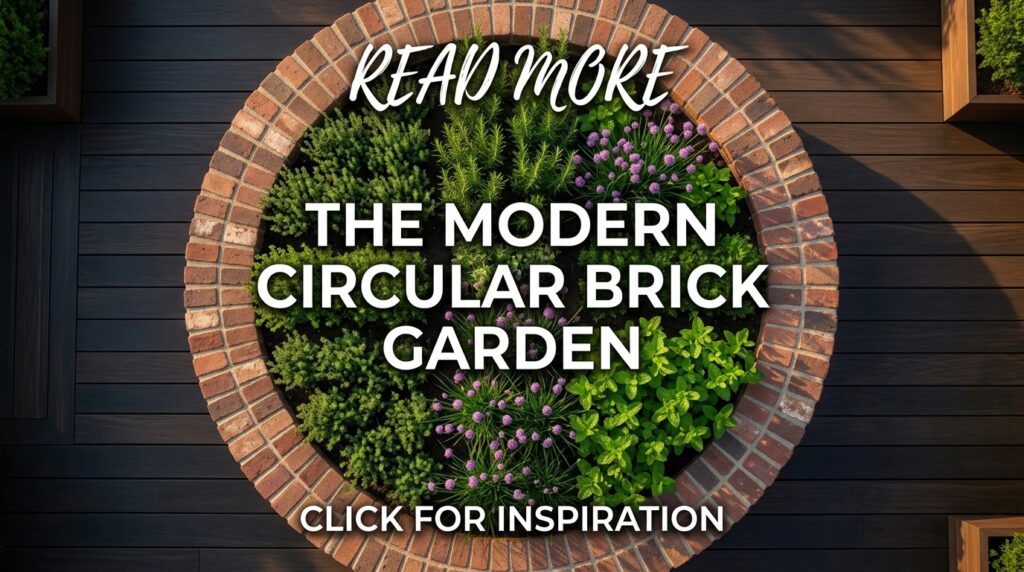
Circular Beds
Create attractive focal points.
Curved Designs
Add visual interest and soften the landscape.
Multi-Level Beds
Provide depth and dimension in larger gardens.
The shape should complement the overall garden layout.
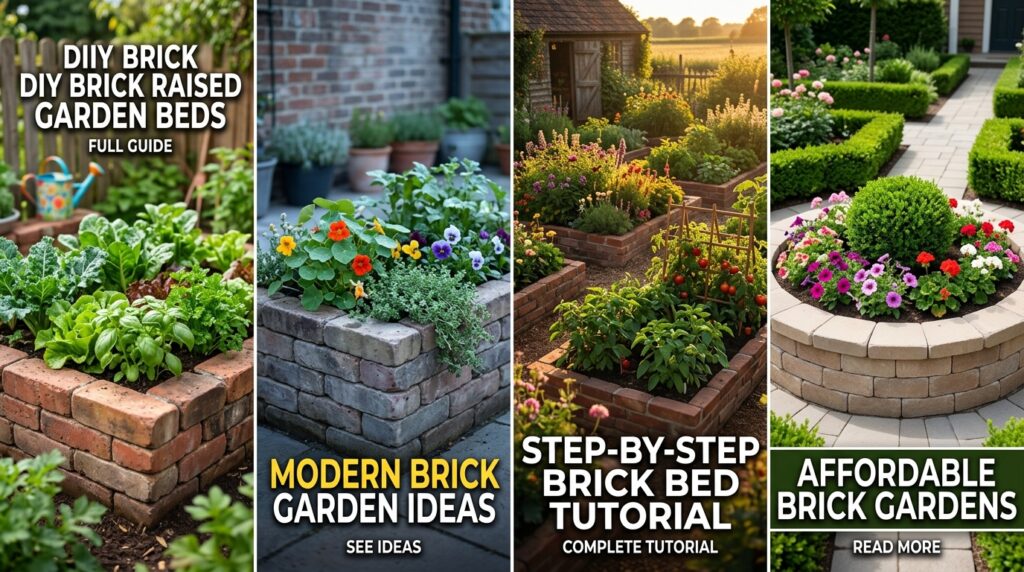
DIY Brick Raised Garden Bed Construction
Step 1: Plan the Design
Determine the desired size and location.
Step 2: Mark the Area
Use string and stakes to outline the bed.
Step 3: Prepare the Ground
Remove grass and level the surface.
Step 4: Build the Brick Walls
Lay bricks carefully using mortar or dry-stacking methods.
Step 5: Fill with Soil
Add high-quality garden soil and compost.
Step 6: Plant Your Garden
Choose plants suited to your climate and growing conditions.
Proper construction ensures long-term stability.
Dry-Stacked Brick Beds
Dry-stacked beds use bricks without mortar.
Benefits include:
- Easier installation
- Lower cost
- Flexible design
These beds work best for lower wall heights.
Mortared Brick Beds
Mortared beds provide maximum durability.
Advantages include:
- Greater strength
- Permanent structure
- Professional appearance
Mortared construction is ideal for larger beds.
Best Soil for Raised Beds
Healthy soil is essential for success.
A good mix includes:
- Topsoil
- Compost
- Organic matter
- Aged manure
Rich, well-draining soil supports vigorous plant growth.
Vegetable Garden Ideas
Brick raised beds are perfect for growing vegetables.
Popular choices include:
Tomatoes
Produce high yields in raised beds.
Peppers
Thrive in warm, well-drained soil.
Lettuce
Easy to grow and harvest.
Carrots
Benefit from loose soil conditions.
Cucumbers
Grow well with vertical supports.
Raised beds improve productivity and simplify maintenance.
Herb Garden Ideas
Create a dedicated herb garden with plants such as:
- Basil
- Rosemary
- Thyme
- Mint
- Oregano
- Sage
Brick beds provide excellent drainage for culinary herbs.
Flower Garden Designs
Raised beds showcase flowering plants beautifully.
Popular flowers include:
- Roses
- Lavender
- Salvia
- Coneflowers
- Black-eyed Susans
Mix heights and colors for maximum impact.
Cottage Garden Style
Brick raised beds pair perfectly with cottage gardens.
Features include:
- Overflowing flowers
- Curved pathways
- Traditional planting schemes
The combination creates a charming and romantic atmosphere.
Modern Garden Designs
For a contemporary look, combine brick beds with:
- Clean lines
- Gravel pathways
- Minimalist planting
- Architectural plants
Simple layouts create a sophisticated appearance.
Pollinator-Friendly Raised Beds
Support wildlife with nectar-rich plants.
Include:
- Lavender
- Bee balm
- Coneflowers
- Milkweed
- Verbena
Pollinator gardens attract butterflies and beneficial insects.
Adding Seating to Brick Beds
Wide brick edges can double as seating.
Benefits include:
- Additional functionality
- Garden viewing areas
- Space-saving design
Built-in seating works particularly well in larger gardens.
Irrigation Solutions
Efficient watering helps maintain healthy plants.
Options include:
Drip Irrigation
Delivers water directly to roots.
Soaker Hoses
Reduce water waste.
Manual Watering
Suitable for smaller beds.
Consistent watering supports strong growth.
Mulching Raised Beds
Mulch provides many benefits.
Advantages include:
- Moisture retention
- Weed suppression
- Temperature regulation
- Improved appearance
Popular mulch materials include bark, straw, and compost.
Seasonal Planting Ideas
Spring
Lettuce, spinach, peas, and pansies.
Summer
Tomatoes, peppers, basil, and marigolds.
Autumn
Kale, carrots, and chrysanthemums.
Winter
Evergreen herbs and ornamental plants.
Seasonal planting maximizes year-round interest.
Maintenance Tips
Brick raised beds require relatively little maintenance.
Inspect Mortar Joints
Repair cracks as needed.
Remove Weeds
Keep beds tidy and productive.
Refresh Soil
Add compost annually.
Clean Brick Surfaces
Remove moss and debris when necessary.
Routine maintenance preserves appearance and performance.
Common Mistakes to Avoid
Building Beds Too Wide
Keep beds accessible from all sides.
Poor Drainage
Ensure excess water can escape.
Using Low-Quality Soil
Invest in fertile growing media.
Ignoring Sunlight Requirements
Match plants to available light conditions.
Overcrowding Plants
Allow adequate spacing for healthy growth.
Avoiding these mistakes improves long-term success.
Cost Considerations
Factors affecting cost include:
- Brick type
- Bed size
- Mortar requirements
- Soil volume
- Plant selection
While initial costs may be higher than wood, brick beds often provide better long-term value.
Frequently Asked Questions
How long do brick raised garden beds last?
Properly built brick beds can last for several decades.
Are brick beds better than wooden beds?
Brick is generally more durable and requires less maintenance.
Do brick raised beds improve drainage?
Yes. Elevated soil allows excess water to drain more effectively.
Can I build a brick raised bed myself?
Yes. Many gardeners successfully complete DIY brick bed projects with basic tools and planning.
What plants grow best in brick raised beds?
Vegetables, herbs, flowers, and pollinator-friendly plants all perform well.
Conclusion
Brick raised garden beds are a practical and attractive solution for gardeners seeking durability, organization, and timeless style. Their long lifespan, excellent drainage, and versatile design options make them ideal for growing vegetables, flowers, herbs, and ornamental plants in virtually any landscape.
Whether you’re building a productive kitchen garden, a colorful flower display, or a modern outdoor retreat, brick raised beds provide structure, beauty, and functionality. With proper planning, quality materials, and regular care, your brick raised garden beds can become a lasting feature that enhances your outdoor space for many years to come.