 By John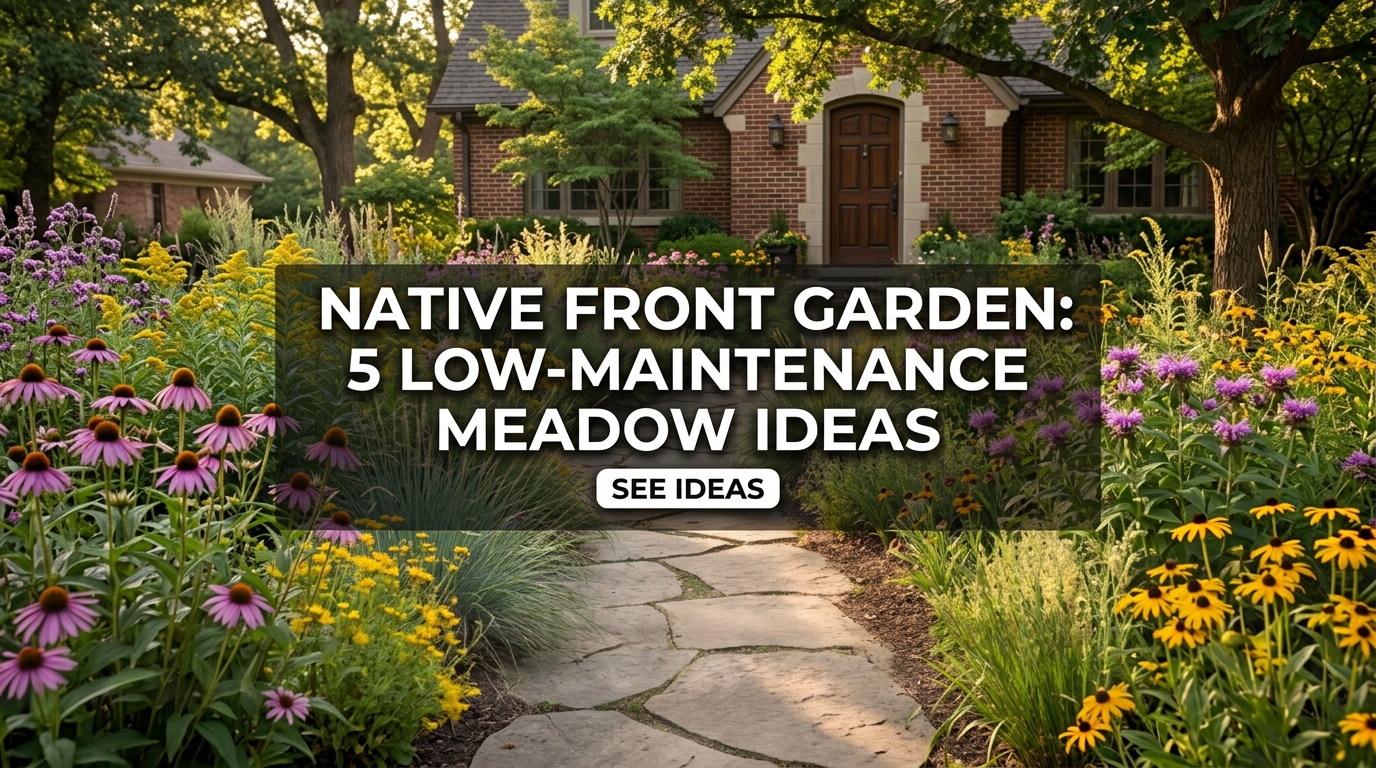
A native front garden is one of the best ways to create an attractive, low-maintenance, and environmentally friendly landscape. By using plants that naturally grow in your region, you can design a front yard that thrives with less water, fewer chemicals, and minimal upkeep while supporting local wildlife.
Native front gardens have become increasingly popular among homeowners because they combine beauty with sustainability. From colorful wildflowers and ornamental grasses to native shrubs and small trees, these gardens offer year-round interest and help create a welcoming first impression.
Whether you prefer a modern landscape, a cottage-inspired design, or a minimalist approach, incorporating native plants into your front garden can transform your home’s curb appeal.
What Is a Native Front Garden?
A native front garden is a landscape primarily composed of plants indigenous to your local area.
Benefits of native plants include:
- Lower water requirements
- Better pest resistance
- Reduced maintenance
- Improved biodiversity
- Support for pollinators
- Enhanced soil health
Because these plants are adapted to local conditions, they often perform better than non-native alternatives.
Benefits of a Native Front Garden
Environmentally Friendly
Native gardens support bees, butterflies, and birds while reducing water consumption.
Low Maintenance
Most native plants require less pruning, fertilizing, and pest control.
Cost-Effective
Once established, native gardens can significantly reduce long-term landscaping costs.
Year-Round Beauty
A well-planned native garden offers seasonal flowers, foliage, and texture throughout the year.
Increased Curb Appeal
Native landscapes provide a natural and welcoming entrance to your home.
Native Front Garden Design Ideas
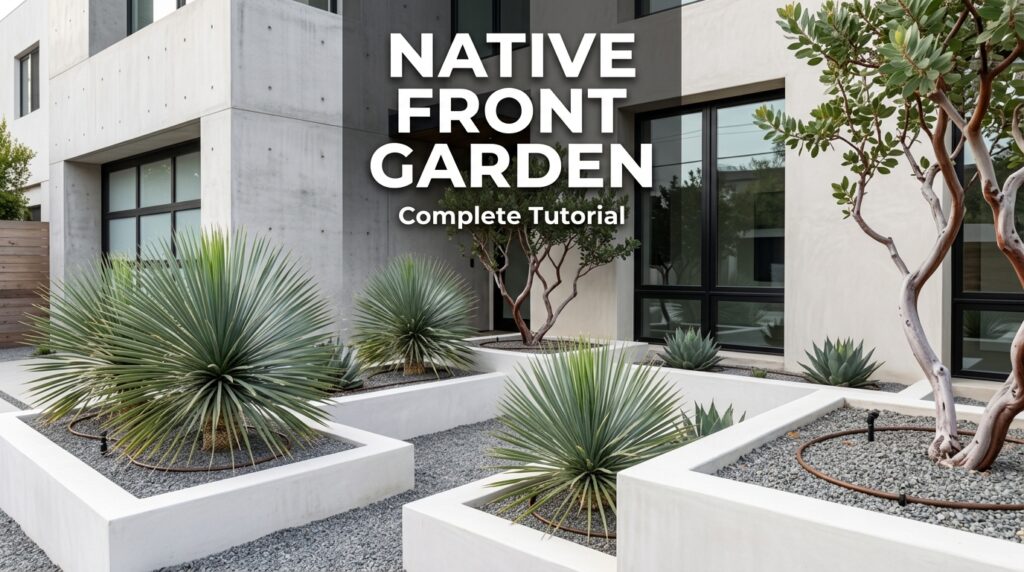
Modern Native Garden
Features:
- Gravel pathways
- Ornamental grasses
- Minimalist planting
- Natural stone accents
Cottage-Style Native Garden
Include:
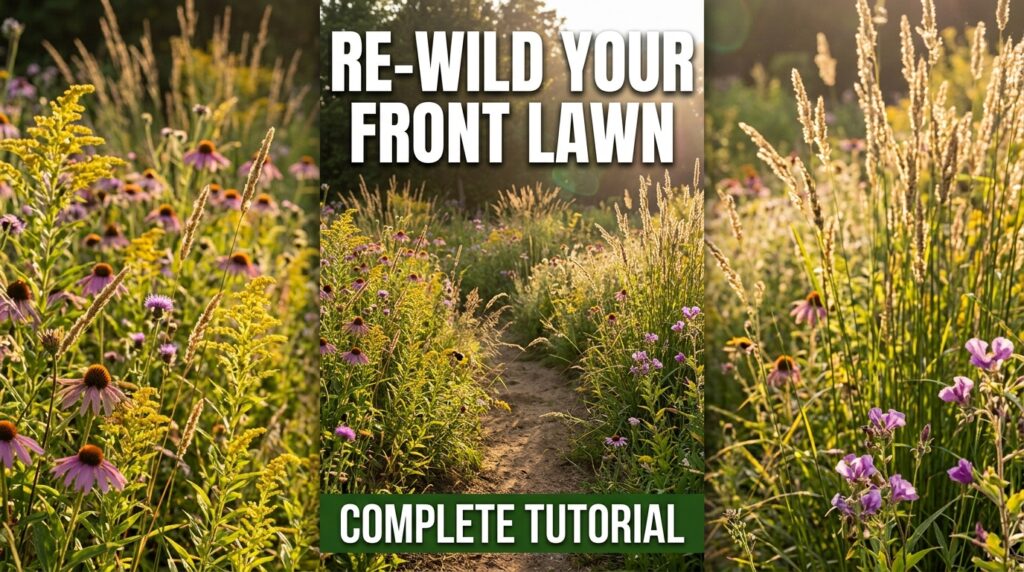
- Native wildflowers
- Rustic fencing
- Curved pathways
Pollinator Garden
Plant species that attract:
- Bees
- Butterflies
- Hummingbirds
Drought-Tolerant Garden
Perfect for areas with hot summers and limited rainfall.
Best Plants for a Native Front Garden
Plant choices vary by region, but popular native options often include:
Wildflowers
- Coneflowers
- Black-Eyed Susans
- Coreopsis
- Yarrow
Ornamental Grasses
- Little Bluestem
- Switchgrass
- Fountain Grass
Shrubs
- Viburnum
- Serviceberry
- Native Hydrangeas
Small Trees
- Redbud
- Dogwood
- Japanese Maple (where appropriate)
- Native flowering trees
Research plants native to your specific location for the best results.
Add Pathways and Hardscaping
Complement native plantings with:
- Gravel paths
- Natural stone
- Timber edging
- Decorative boulders
Hardscaping adds structure and improves accessibility.
Create Layers
A successful native front garden typically includes:
- Ground covers
- Mid-height perennials
- Shrubs
- Small trees
Layering creates visual depth and a more natural appearance.
Native Front Garden Color Schemes
Popular palettes include:
- Green and white
- Purple and silver
- Yellow and blue
- Pink and lavender
Choose a limited color palette for a cohesive design.
Small Native Front Garden Ideas
If you have limited space, consider:
- Container plantings
- Vertical gardens
- Narrow flower beds
- Compact shrubs
Even a small front yard can benefit from native landscaping.
Wildlife-Friendly Features
Enhance your garden with:
- Birdbaths
- Bee hotels
- Butterfly feeders
- Small water features
These additions make your front garden a valuable habitat for local wildlife.
Maintenance Tips
Mulch Regularly
Mulch helps retain moisture and suppress weeds.
Water During Establishment
Native plants require regular watering during their first growing season.
Prune Sparingly
Many native plants thrive with minimal intervention.
Remove Invasive Species
Monitor your garden for unwanted plants that compete with natives.
Refresh Plantings
Replace underperforming plants as needed.
Common Mistakes to Avoid
Choosing Non-Native Plants
Stick primarily to species adapted to your local climate.
Overwatering
Many native plants prefer well-drained conditions.
Overcrowding
Allow enough room for mature growth.
Ignoring Seasonal Interest
Include plants that provide flowers, berries, or foliage throughout the year.
Neglecting Soil Conditions
Match plants to your soil type for the best performance.
Frequently Asked Questions
What is a native front garden?
It is a landscape that uses plants naturally found in your region to create a sustainable and attractive outdoor space.
Are native gardens low maintenance?
Yes. Once established, native plants typically require less water, fertilizer, and pruning.
Do native gardens attract wildlife?
Absolutely. Native plants are excellent for supporting pollinators, birds, and beneficial insects.
Can I create a native garden in a small yard?
Yes. Native plants are available in many sizes and work well in compact spaces.
Are native plants expensive?
Initial costs vary, but native gardens often save money over time through reduced maintenance and water use.
Conclusion
A native front garden is a beautiful and practical way to enhance your home’s exterior while supporting the environment. By choosing locally adapted plants, incorporating natural materials, and designing with wildlife in mind, you can create a front yard that is both stunning and sustainable.
Whether you prefer a modern landscape or a wildflower-filled retreat, native plants offer endless possibilities for creating a welcoming entrance that thrives throughout the seasons. With thoughtful planning and minimal maintenance, your native front garden can become a source of pride and enjoyment for years to come.