
 By John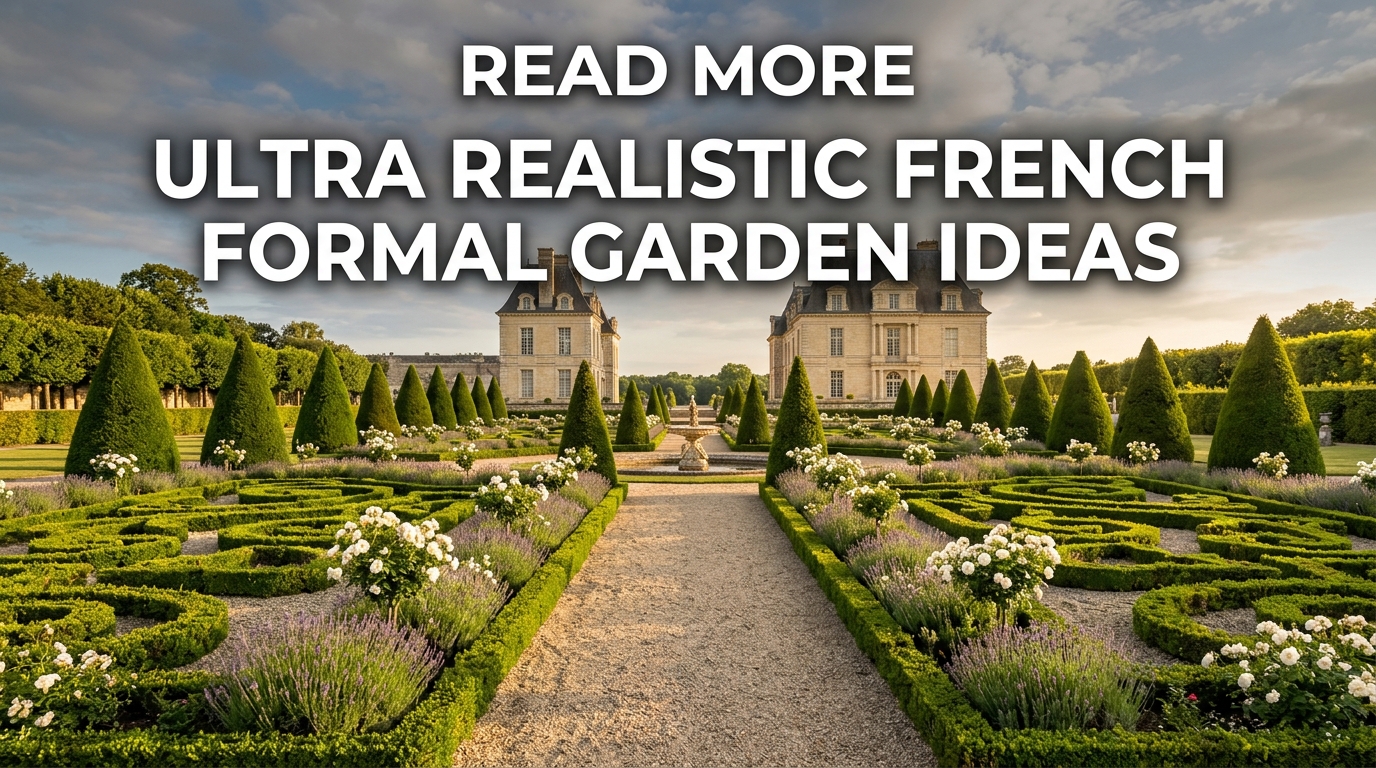
A French formal garden is the ultimate expression of order, symmetry, and sophistication. Originating in 17th-century France, these gardens are renowned for their geometric layouts, manicured hedges, grand fountains, and perfectly aligned pathways. Inspired by the magnificent estates of French nobility, the French formal garden remains one of the most iconic and influential landscape styles in the world.
Characterized by precision and balance, French formal gardens transform outdoor spaces into living works of art. Whether you have a sprawling estate or a modest backyard, elements of this timeless design can be adapted to suit any landscape.
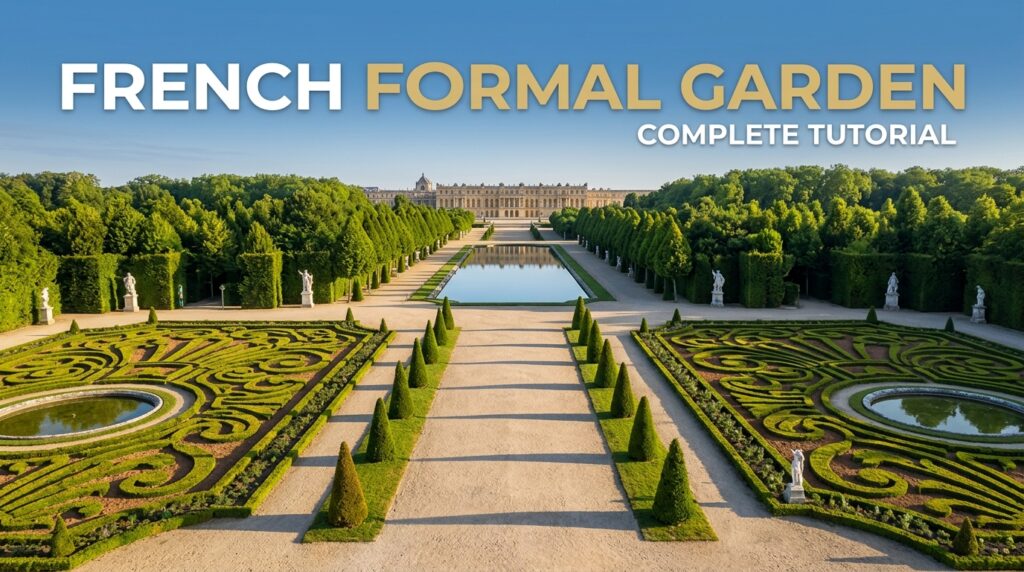
This complete guide explores the history, design principles, plants, and maintenance tips needed to create your own elegant French formal garden.
What Is a French Formal Garden?
A French formal garden, or jardin à la française, is a highly structured landscape style emphasizing symmetry, proportion, and control over nature.
Key characteristics include:
- Geometric layouts
- Symmetrical planting
- Manicured hedges
- Gravel pathways
- Decorative fountains
- Topiary
- Sculptures and urns
- Formal parterres
Every element is carefully planned to create harmony and visual balance.
History of French Formal Gardens
French formal gardens gained popularity during the reign of King Louis XIV in the 17th century. They were designed to showcase wealth, power, and artistic achievement.
These gardens became synonymous with grand estates and influenced landscape design across Europe for centuries.
Essential Elements of a French Formal Garden
Symmetry
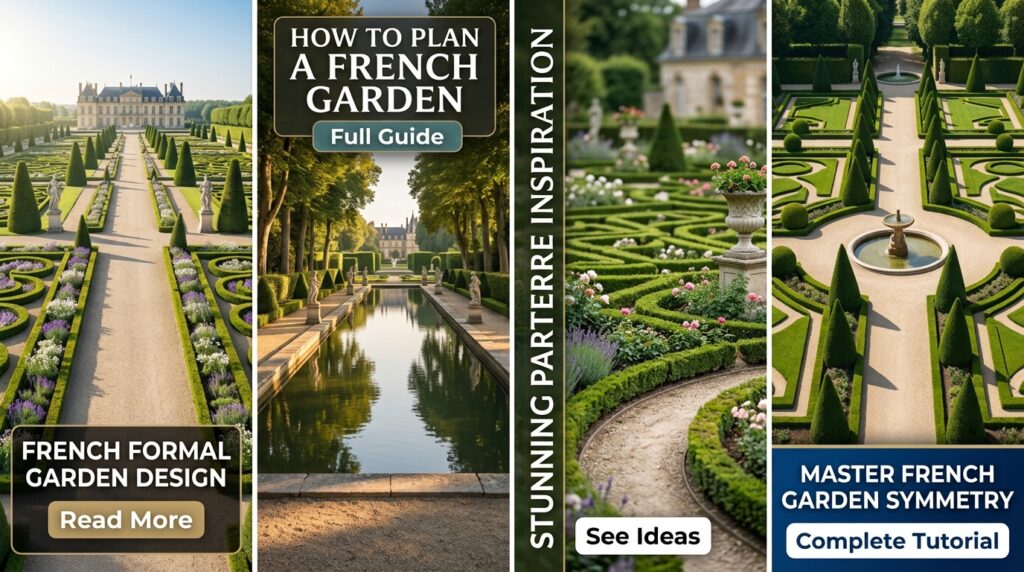
Symmetry is the foundation of French garden design.
Examples include:
- Matching flower beds
- Mirrored pathways
- Balanced plantings
Everything should feel orderly and intentional.
Parterre Gardens
Parterres are ornamental garden beds arranged in intricate patterns.
Popular designs include:
- Scrolls
- Diamonds
- Circles
- Geometric shapes
They are often outlined with low hedges such as boxwood.
Gravel Pathways
Light-colored gravel pathways create contrast and define the garden’s structure.
They also provide:
- Excellent drainage
- Low maintenance
- A classic European appearance
Water Features
French gardens frequently include:
- Reflecting pools
- Tiered fountains
- Decorative ponds
Water adds movement, sound, and elegance.
Topiary
Shaped shrubs are an iconic feature of French formal landscapes.
Common forms include:
- Spheres
- Cones
- Spirals
- Pyramids
Topiary contributes to the garden’s refined aesthetic.
Best Plants for a French Formal Garden
Boxwood
The most popular hedge plant for defining spaces.
Lavender
Adds fragrance and complements the formal layout.
Roses
Choose classic varieties in soft shades.
Hydrangeas
Provide seasonal interest and elegance.
Yew
Ideal for topiary and evergreen structure.
Olive Trees
Perfect for Mediterranean-inspired French gardens.
Tulips
Offer vibrant spring color.
Salvia
Adds texture and attracts pollinators.
French Formal Garden Layout Ideas
Traditional Estate Garden
Features:
- Central fountain
- Symmetrical pathways
- Formal hedges
Courtyard Garden
Perfect for smaller spaces.
Include:
- Gravel
- Potted trees
- Decorative urns
Modern French Garden
Combine traditional symmetry with contemporary materials and minimalist planting.
Lavender Garden
Use rows of lavender bordered by clipped hedges for a Provence-inspired look.
Decorative Features
Enhance your garden with:
- Stone statues
- Classical urns
- Iron benches
- Sundials
- Pergolas
- Decorative gates
These elements add authenticity and charm.
French Garden Color Palette
Popular colors include:
- Green
- White
- Lavender
- Cream
- Soft pink
- Grey
A restrained palette contributes to the elegant atmosphere.
Small French Formal Garden Ideas
Even compact spaces can embrace French design.
Try:
- Mini parterre beds
- Symmetrical containers
- Boxwood borders
- Small fountains
Careful planning allows you to recreate the style in urban gardens and courtyards.
Seasonal Interest
Spring
- Tulips
- Daffodils
- Hyacinths
Summer
- Lavender
- Roses
- Salvia
Autumn
- Ornamental grasses
- Hydrangeas
Winter
- Evergreen hedges
- Topiary
- Stone features
French formal gardens remain attractive throughout the year due to their structural elements.
Maintenance Tips
Prune Regularly
Maintain hedges and topiary with frequent trimming.
Keep Pathways Clean
Rake gravel paths to preserve their neat appearance.
Water Consistently
Many formal plants benefit from regular watering.
Mulch Flower Beds
Mulch helps retain moisture and suppress weeds.
Inspect Hardscaping
Check fountains, statues, and pathways annually.
French formal gardens require ongoing care to maintain their precise appearance.
Common Mistakes to Avoid
Ignoring Symmetry
Asymmetrical designs can detract from the formal style.
Overusing Bright Colors
Stick to a refined and cohesive palette.
Neglecting Maintenance
Untrimmed hedges quickly lose their impact.
Overcrowding
Leave sufficient space between elements.
Choosing Informal Plants
Select plants that complement the structured design.
Frequently Asked Questions
What is a French formal garden?
It is a highly symmetrical and structured garden style originating in 17th-century France.
What plants are used in French formal gardens?
Boxwood, lavender, roses, hydrangeas, and yew are among the most popular choices.
Can I create a French formal garden in a small yard?
Yes. Small courtyards and patios can incorporate many French garden elements.
Are French formal gardens difficult to maintain?
They require regular pruning and upkeep, but the results are exceptionally elegant.
What is a parterre garden?
A parterre is an ornamental garden bed arranged in geometric patterns, often bordered by low hedges.
Conclusion
A French formal garden is the perfect blend of art, architecture, and nature. With its symmetrical layouts, manicured hedges, elegant fountains, and timeless charm, this classic garden style continues to inspire homeowners and landscape designers around the world.
Whether you choose a grand estate-inspired design or a compact courtyard retreat, incorporating French formal elements will bring sophistication and structure to your outdoor space. With careful planning and regular maintenance, your French formal garden can become a stunning centerpiece that exudes beauty and refinement for years to come.