
 By John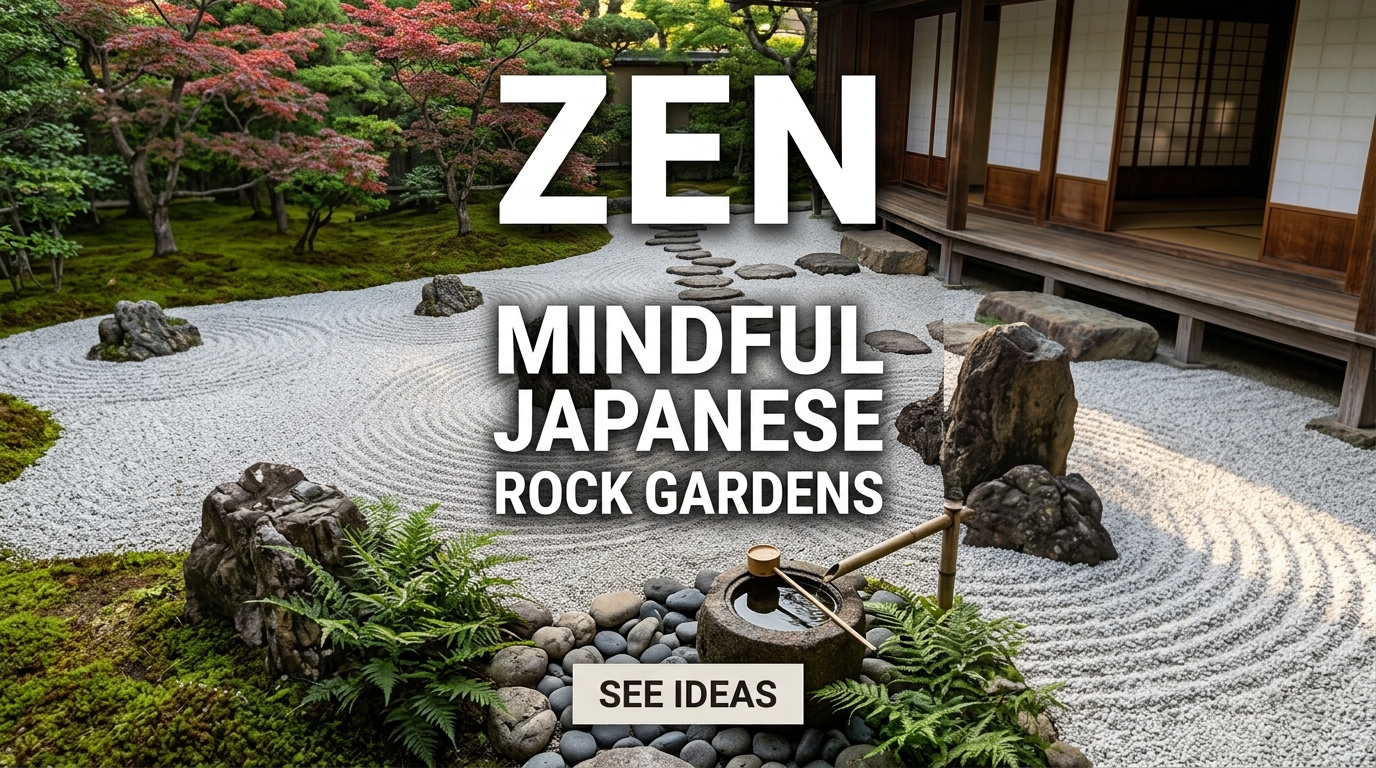
A Japanese rock garden is a peaceful landscape style that uses rocks, gravel, sand, carefully placed plants, and simple architectural elements to create a sense of balance and contemplation. Often associated with Zen garden traditions, these landscapes emphasize simplicity, negative space, texture, and carefully considered composition rather than colorful flower displays.
A Japanese rock garden can be large or remarkably small. With the right arrangement, even a courtyard, balcony, side yard, or compact garden corner can become a tranquil retreat.
What Is a Japanese Rock Garden?
A Japanese rock garden, often called a karesansui or dry landscape garden, typically uses rocks and gravel or sand as the main visual elements.
Common features include:
- Large natural stones
- Gravel or sand
- Raked patterns
- Moss
- Carefully shaped shrubs
- Small trees
- Stone lanterns
- Stepping stones
- Simple boundaries
The design generally favors restraint rather than excessive decoration.
Characteristics of a Japanese Rock Garden
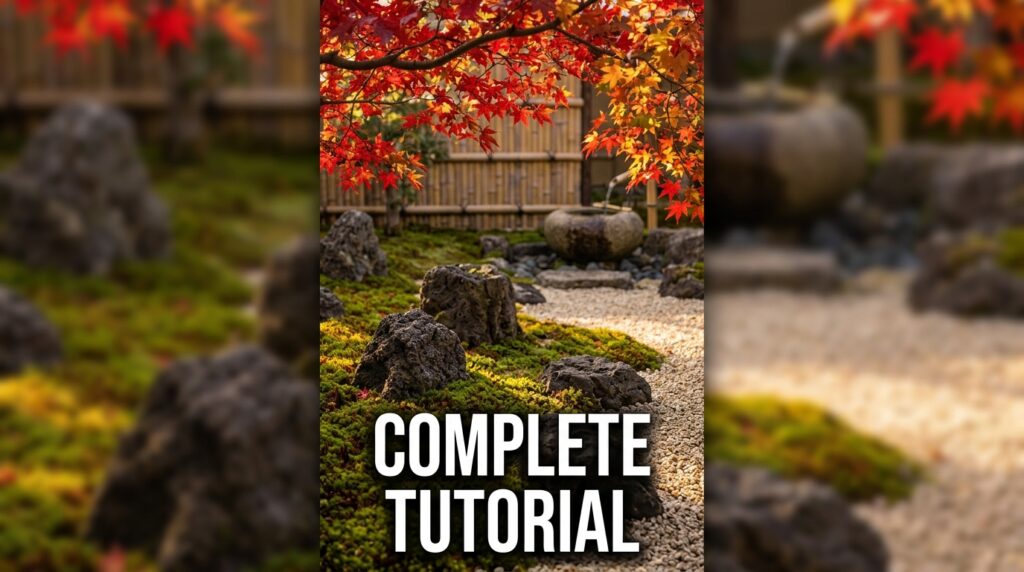
Several principles help define the style.
Simplicity
Use a limited number of materials and features.
Asymmetry
Natural-looking arrangements are often preferred over perfect symmetry.
Balance
Rocks, plants, pathways, and open spaces should feel visually balanced.
Negative Space
Open gravel areas are an important part of the composition.
Natural Materials
Stone, gravel, wood, moss, and plants provide the foundation of the landscape.
Benefits of a Japanese Rock Garden
A Japanese rock garden can:
- Create a peaceful atmosphere
- Require relatively little plant maintenance
- Work in small spaces
- Complement modern architecture
- Provide year-round visual structure
- Reduce reliance on colorful seasonal flowers
- Create a strong focal point
The actual maintenance level depends on the size, climate, plant selection, and amount of raking required.
1. Traditional Japanese Rock Garden
A traditional-inspired design can focus on a restrained composition of rocks, gravel, and carefully selected vegetation.
Use a few major stones rather than filling the entire space with rocks.
Leave generous areas of open gravel around the main groupings.
2. Small Japanese Rock Garden
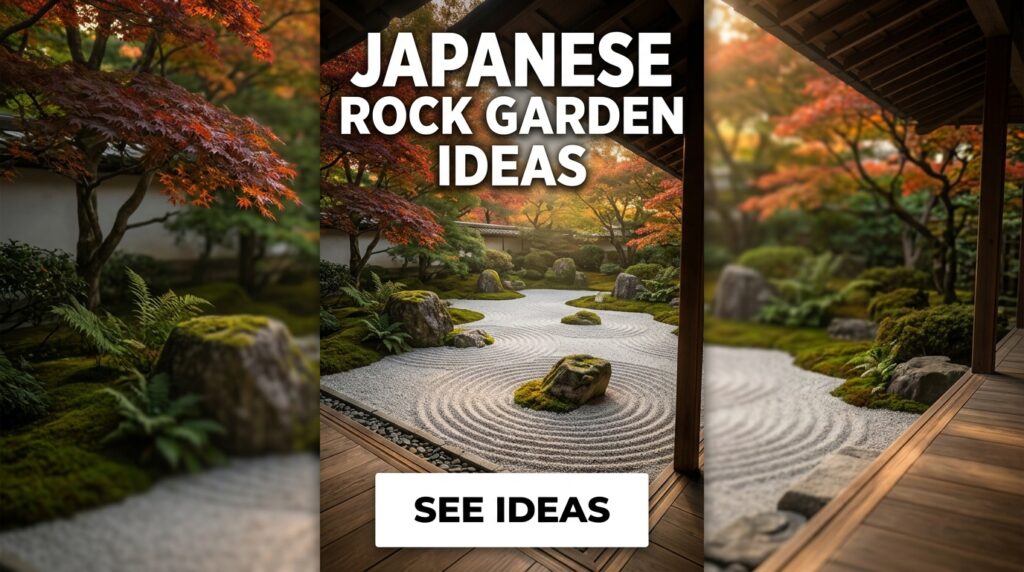
A tiny rock garden can fit into:
- Courtyards
- Side yards
- Patios
- Entry gardens
- Balcony containers
Use miniature compositions with a few carefully selected rocks and a small amount of suitable planting.
3. Japanese Rock Garden With Gravel
Gravel creates the foundation of many dry landscape gardens.
Choose a suitable aggregate and keep it evenly distributed.
You can rake the surface into simple patterns that suggest waves, flowing water, or movement.
4. Japanese Rock Garden With Sand
Sand can provide a lighter, softer visual surface.
Use a durable material suitable for outdoor conditions and maintain it regularly if you want crisp raked patterns.
Avoid excessive decoration that distracts from the simplicity of the landscape.
5. Japanese Rock Garden With Large Stones
Large stones can serve as the main structural elements.
Choose stones with interesting:
- Shape
- Texture
- Color
- Weathering
- Natural character
Place them securely and avoid positioning them in a way that appears artificially symmetrical.
6. Japanese Rock Garden With Moss
Moss can soften hard stone surfaces and add a lush green accent.
It generally performs best in appropriate moisture and shade conditions.
In hot or dry climates, use suitable alternatives rather than forcing moss to grow where conditions are unsuitable.
7. Japanese Rock Garden With a Stone Path
A stepping-stone path can guide visitors through the garden.
Use irregular spacing and natural-looking stone shapes.
Make sure stones are stable, level enough for safe walking, and suitable for the local weather.
8. Japanese Rock Garden With Stone Lantern
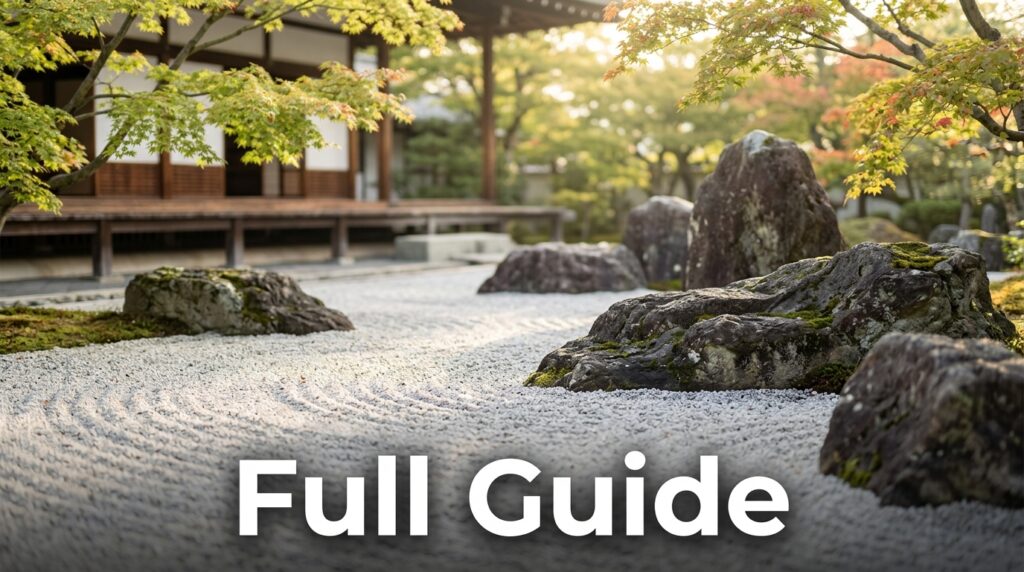
A stone lantern can become an architectural focal point.
Use one carefully placed lantern rather than multiple decorative features competing for attention.
Scale the lantern to the size of the garden.
9. Japanese Rock Garden With Bridge
A small bridge can create a visual transition between different garden areas.
It works particularly well where a water feature or symbolic dry stream is part of the design.
Use a structurally sound bridge with safe walking surfaces.
10. Japanese Rock Garden With Water
Not every Japanese rock garden needs actual water.
You can create symbolic water using:
- Raked gravel
- Sand
- Dry stream beds
- Stone arrangements
If you include real water, keep its design simple and natural-looking.
11. Japanese Rock Garden With Dry River
A dry river can represent flowing water through stone and gravel.
Use larger rocks along the edges and smaller aggregate toward the center.
A gentle curve often feels more natural than a perfectly straight channel.
12. Japanese Rock Garden With Bamboo
Bamboo can add vertical structure and movement.
However, some bamboo species spread aggressively.
Choose a suitable clumping or contained variety where appropriate and plan for mature growth.
13. Japanese Rock Garden With Japanese Maple
A Japanese maple can provide a beautiful seasonal focal point in suitable climates.
Place it where its mature size fits the garden.
Its foliage can create contrast against gravel, stone, and evergreen planting.
14. Japanese Rock Garden With Evergreen Plants
Evergreen shrubs can provide year-round structure.
Use carefully shaped plants to create:
- Height
- Texture
- Softness
- Visual balance
Avoid filling every open space with vegetation.
15. Japanese Rock Garden With Ferns
Ferns can soften stone-heavy landscapes in shady, humid conditions.
Use species adapted to your local environment and place them where moisture and light requirements are appropriate.
16. Modern Japanese Rock Garden
A modern interpretation can combine traditional concepts with contemporary architecture.
Try:
- Large geometric stones
- Dark gravel
- Concrete
- Minimal planting
- Clean boundaries
- Architectural lighting
Keep the composition restrained.
17. Japanese Rock Garden for a Courtyard
Courtyards are excellent locations for rock gardens because they naturally create a contained setting.
Use:
- Gravel
- Large stones
- Moss
- Small trees
- Timber screens
- Simple lighting
Create a view from inside the home so the garden can be enjoyed year-round.
18. Japanese Rock Garden for a Small Backyard
Use a compact section of the backyard rather than trying to transform the entire space.
A simple combination of gravel, three or five carefully positioned stones, and limited planting can create a strong focal point.
19. Japanese Rock Garden for a Side Yard
Side yards often benefit from low-maintenance landscaping.
Use gravel, stepping stones, shade-tolerant plants, and stone features to create a calm transition between the front and back garden.
Maintain enough clearance for access and maintenance.
20. Japanese Rock Garden for an Entrance
A small rock garden near the entrance can establish a peaceful first impression.
Use:
- A few stones
- Gravel
- One architectural plant
- A simple pathway
- Subtle lighting
Avoid overcrowding the entry area.
21. Japanese Rock Garden With a Wall
A simple wall can provide a strong backdrop.
Use natural materials such as:
- Stone
- Timber
- Bamboo
- Plaster-like finishes
Keep the wall visually quiet so the rock composition remains the focus.
22. Japanese Rock Garden With Bamboo Fence
A bamboo-inspired fence can provide privacy and texture.
Choose durable materials suitable for the climate and maintain them regularly.
The fence should support the composition without becoming the dominant feature.
23. Japanese Rock Garden With Bench
A simple bench can create a place for contemplation.
Position it toward the main garden composition rather than directly in the middle of the design.
Choose weather-resistant materials and keep the surrounding area uncluttered.
24. Japanese Rock Garden With Gravel Patterns
Raking gravel creates one of the most recognizable visual features of a dry landscape garden.
Patterns can suggest:
- Waves
- Ripples
- Flowing water
- Movement around rocks
Keep patterns simple and refresh them as necessary.
25. Japanese Rock Garden With Minimal Plants
A dry garden doesn’t need many plants.
Use a restrained selection of:
- Moss
- Small trees
- Evergreen shrubs
- Ferns
- Carefully selected groundcovers
The open space between plants is just as important as the plants themselves.
26. Japanese Rock Garden With Natural Stones
Natural stones should feel like they belong to the landscape.
Choose rocks with varied but harmonious shapes and textures.
Avoid using too many colors or stone types.
27. Japanese Rock Garden With Stepping Stones
Stepping stones can provide both function and visual rhythm.
Arrange them so they lead naturally through the garden.
Check stability regularly, especially after heavy rain or frost.
28. Japanese Rock Garden With Gravel and Moss
The contrast between pale gravel and green moss can create a particularly calming composition.
Use this combination only where the growing conditions support healthy moss.
In dry environments, select appropriate alternatives.
29. Japanese Rock Garden With Sculptural Rocks
A single striking rock can act as a focal point.
Choose one with a naturally interesting shape rather than relying on excessive decorative objects.
Surround it with open gravel and restrained planting.
30. Japanese Rock Garden With Lighting
Subtle lighting can make the garden enjoyable after sunset.
Highlight:
- Important stones
- Trees
- Paths
- Walls
- Architectural features
Avoid bright, excessive illumination that destroys the quiet atmosphere.
Japanese Rock Garden Layout Ideas
A successful layout begins with the relationship between stones and empty space.
Three-Stone Composition
Use a small group of stones with different heights and forms to create visual balance.
Central Focal Stone
Place one major stone within a broad gravel field and use smaller features to support it.
Dry Stream
Create a winding gravel channel bordered by stones.
Path-Focused Layout
Use stepping stones to guide visitors through a compact composition.
Courtyard Composition
Frame a small rock garden with walls, screens, or architectural planting.
How to Arrange Rocks in a Japanese Rock Garden
Rock placement should look natural rather than random.
Consider:
- Height
- Shape
- Direction
- Texture
- Visual weight
- Relationship to surrounding stones
Avoid placing every stone upright or spacing them at identical intervals.
Partially embedding stones can help them appear more naturally integrated into the landscape.
Best Plants for a Japanese Rock Garden
Plant selection should depend on climate, soil, sunlight, and moisture.
Common categories include:
- Moss
- Japanese maple
- Evergreen shrubs
- Ferns
- Bamboo
- Ornamental grasses
- Small conifers
- Groundcovers
Use locally appropriate alternatives where traditional Japanese plants cannot thrive.
How to Make a Japanese Rock Garden
Step 1: Choose the Location
Select a space with suitable sunlight, drainage, and visibility.
Step 2: Define the Boundary
Use edging, walls, timber, or natural boundaries.
Step 3: Prepare the Ground
Remove unwanted vegetation and establish an appropriate base.
Step 4: Add Landscape Fabric if Appropriate
A suitable weed barrier may help reduce maintenance beneath gravel, depending on the design and local conditions.
Step 5: Position Major Stones
Place the main rocks first and secure them properly.
Step 6: Add Gravel
Spread gravel evenly around the stone composition.
Step 7: Add Plants
Use a small number of carefully selected plants.
Step 8: Add Pathways
Install stable stepping stones where needed.
Step 9: Create Raked Patterns
Rake the gravel into simple, flowing patterns.
Step 10: Review the Composition
Step back and evaluate the balance between rocks, plants, paths, and empty space.
Japanese Rock Garden Maintenance
Although these gardens can be relatively low maintenance, they are not maintenance-free.
Regular tasks include:
- Removing weeds
- Raking gravel
- Trimming plants
- Removing fallen leaves
- Checking stone stability
- Cleaning pathways
- Managing moss
- Refreshing gravel when necessary
The required maintenance depends on the garden’s size and climate.
Common Japanese Rock Garden Mistakes
Using Too Many Rocks
A crowded arrangement can eliminate the sense of open space.
Making Everything Symmetrical
Perfect symmetry can make a natural-inspired garden feel artificial.
Adding Too Many Decorations
The style depends on restraint.
Choosing Plants Without Considering Climate
A plant that thrives in Japan may struggle elsewhere.
Ignoring Drainage
Poor drainage can cause erosion, standing water, and plant problems.
Using Unstable Stepping Stones
Paths should be safe and firmly installed.
Treating Gravel as Completely Maintenance-Free
Leaves, weeds, erosion, and weather can still require regular attention.
Frequently Asked Questions
What is the main purpose of a Japanese rock garden?
A Japanese rock garden is designed to create a calm landscape through carefully arranged rocks, open space, gravel, and restrained planting.
How many rocks should a Japanese rock garden have?
There is no universal number. The goal is a balanced composition rather than filling the space with stones.
Does a Japanese rock garden need plants?
No. A dry landscape can focus primarily on rocks and gravel, although carefully selected plants can add texture and seasonal interest.
What gravel is best for a Japanese rock garden?
Choose a durable, weather-appropriate gravel with a color and texture that complements the stones and architecture.
Can I make a Japanese rock garden in a small space?
Yes. A courtyard, side yard, patio corner, or even a carefully designed container can accommodate a miniature interpretation.
Conclusion
A Japanese rock garden creates beauty through simplicity, balance, texture, and carefully considered empty space. Rocks, gravel, moss, trees, shrubs, pathways, and architectural features can be combined into a landscape that feels calm without requiring a large collection of plants.
Whether you want a traditional-inspired dry landscape, a modern Zen courtyard, a small rock garden, or a peaceful backyard retreat, focus on natural materials, thoughtful placement, restrained planting, and a strong relationship between solid elements and open space.