 By John
A well-planned home vegetable garden design can turn even a small outdoor space into a productive source of fresh vegetables, herbs, and fruits. Whether you have a spacious backyard, a compact courtyard, or a sunny balcony, thoughtful planning helps you grow more food while keeping your garden attractive and easy to maintain.
The best vegetable garden designs combine practical planting areas with convenient pathways, good sunlight, healthy soil, and efficient watering. From raised beds and container gardens to traditional rows and vertical growing systems, there are countless ways to create a garden that fits your home and lifestyle.
Why Plan a Home Vegetable Garden?
A thoughtful layout can help you:
- Maximize growing space
- Improve access to plants
- Organize crops efficiently
- Make watering easier
- Reduce weeds
- Improve sunlight exposure
- Simplify harvesting
Planning also allows you to choose plants according to their mature size and growing requirements.
Choose the Best Location
Most vegetables grow best in a location with plenty of direct sunlight.
Look for an area that:
- Receives adequate sunlight
- Has good drainage
- Is close to a water source
- Is easy to access
- Has suitable soil
A location near your home can make it easier to check plants and harvest fresh produce regularly.
Popular Home Vegetable Garden Layouts
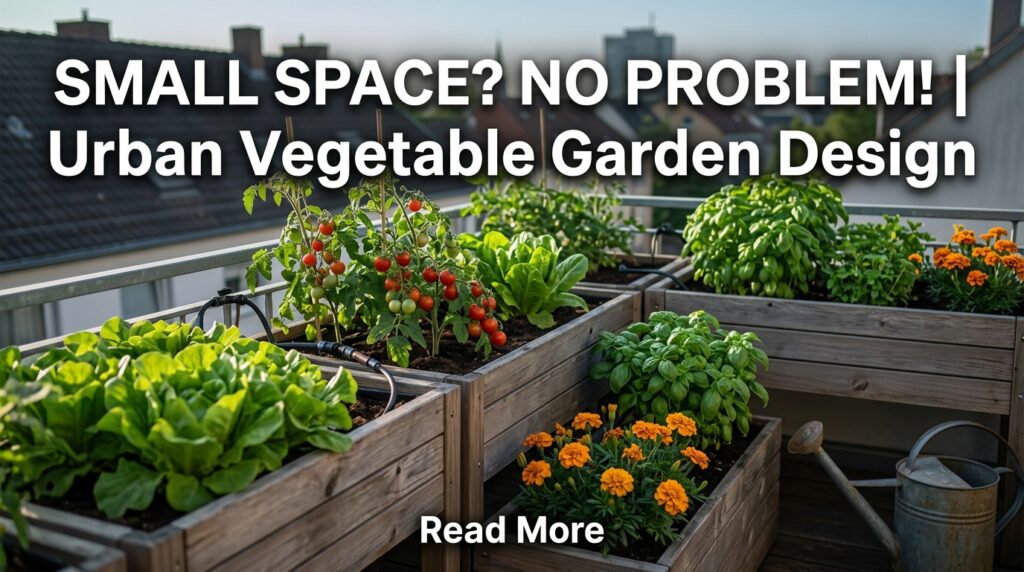
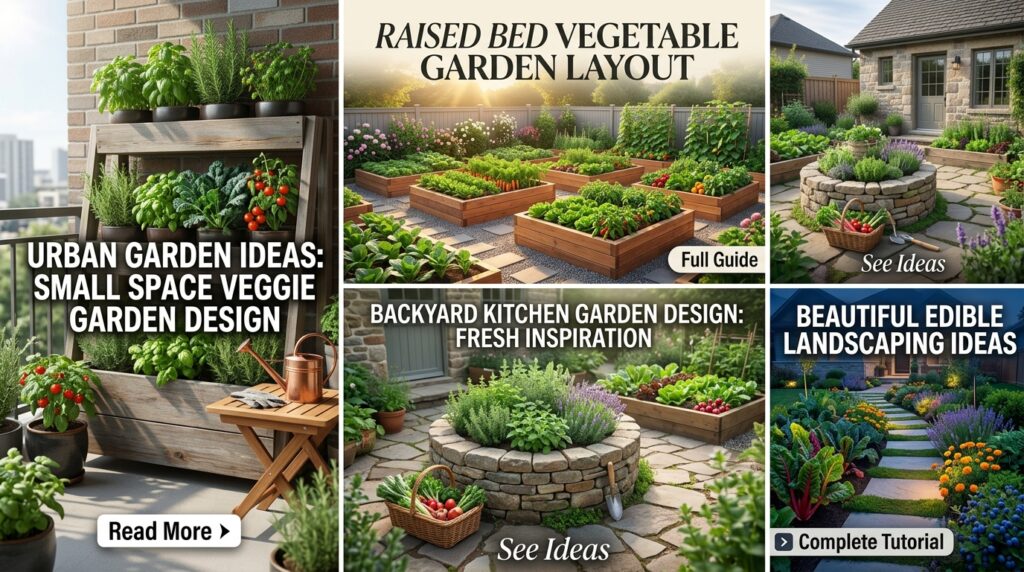
Raised Bed Layout
Raised beds are one of the most popular options for home gardens.
They provide:
- Defined growing areas
- Better soil control
- Easier maintenance
- Improved organization
Arrange rectangular beds with narrow paths between them.
Square Foot Garden
Divide a raised bed into small sections and grow different crops in each area.
This method works particularly well for small gardens.
Traditional Row Garden
Plant vegetables in straight rows with walking paths between them.
This layout works well for larger yards and crops that need more space.
L-Shaped Garden
An L-shaped layout is ideal for corners.
Use one side for vegetables and the other for herbs, flowers, or climbing plants.
U-Shaped Garden
A U-shaped design creates multiple growing areas around a central walking space.
It provides convenient access to plants from several sides.
Small Home Vegetable Garden Ideas
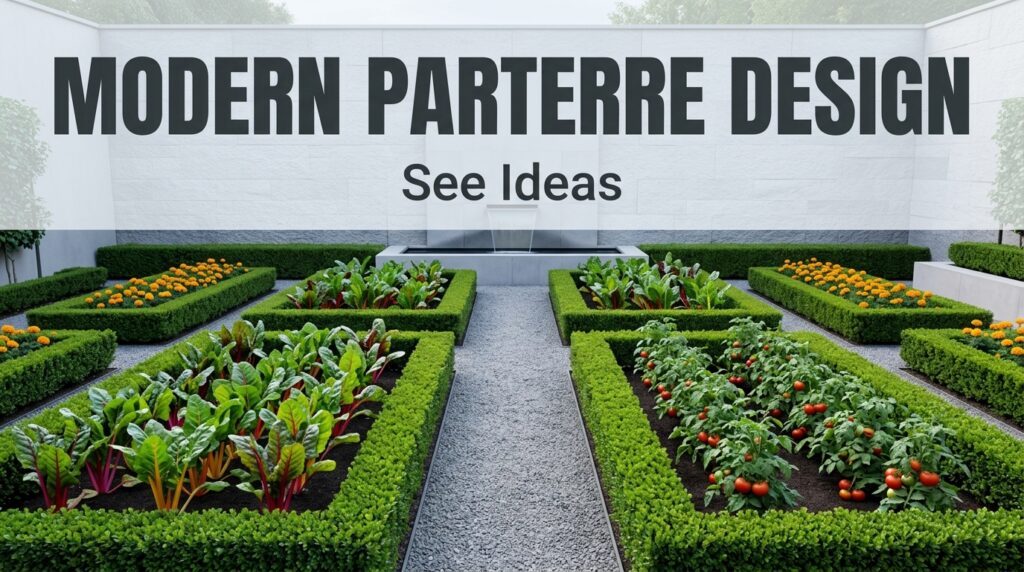
You don’t need a large yard to grow fresh food.
Try:
- Vertical planters
- Hanging containers
- Narrow raised beds
- Trellises
- Grow bags
- Window boxes
Use vertical space for crops such as cucumbers, beans, peas, and some varieties of tomatoes.
Vegetable Garden Design for a Backyard
A backyard vegetable garden can include multiple zones.
Create separate areas for:
- Root vegetables
- Leafy greens
- Fruiting vegetables
- Herbs
- Perennial crops
- Composting
Use pathways to connect each section and keep maintenance convenient.
Best Vegetables for a Home Garden
Popular choices include:
Leafy Greens
- Lettuce
- Spinach
- Kale
- Swiss chard
Root Vegetables
- Carrots
- Radishes
- Beets
- Turnips
Fruiting Vegetables
- Tomatoes
- Peppers
- Eggplants
- Cucumbers
Legumes
- Green beans
- Peas
Choose crops according to your local climate and growing season.
Add Herbs to Your Vegetable Garden
Herbs are perfect for home gardens because they can grow in small spaces.
Consider:
- Basil
- Parsley
- Cilantro
- Thyme
- Rosemary
- Chives
- Mint
Plant frequently used herbs close to the kitchen for easy harvesting.
Companion Planting Layout
Combining compatible plants can help you make better use of space.
For example, you can grow:
- Tomatoes with basil
- Carrots with onions
- Lettuce with radishes
- Beans with leafy greens
Research the specific needs and compatibility of plants before combining them.
Add Flowers to a Vegetable Garden
Flowers can make an edible garden more attractive while supporting pollinators.
Consider planting:
- Marigolds
- Nasturtiums
- Zinnias
- Calendula
- Sunflowers
Place flowers around bed edges or between suitable crops.
Vertical Vegetable Garden Design
Vertical gardening is ideal when horizontal space is limited.
Use:
- Trellises
- Arbors
- Garden arches
- Wall planters
Train climbing plants upward to save valuable ground space.
Container Vegetable Garden
Containers work well for:
- Patios
- Balconies
- Small yards
Grow:
- Tomatoes
- Peppers
- Lettuce
- Radishes
- Herbs
Use containers with adequate drainage and choose sizes appropriate for the plants.
Budget-Friendly Garden Design
You don’t need expensive landscaping materials.
Save money by:
- Building simple raised beds
- Reusing suitable containers
- Making compost
- Growing plants from seeds
- Using inexpensive trellises
- Collecting rainwater where appropriate
Spend more of your budget on healthy soil and quality seeds.
Make Your Vegetable Garden Attractive
A productive garden can also be beautiful.
Add:
- Decorative pathways
- Wooden plant markers
- Flower borders
- Trellises
- Rustic fencing
- Garden arches
Keep materials and colors consistent for a cohesive appearance.
Vegetable Garden Watering Design
Efficient watering is essential.
Consider:
- Drip irrigation
- Soaker hoses
- Rain barrels
- Watering cans
Place water sources close to planting beds to make regular maintenance easier.
Planning for Different Seasons
A successful home vegetable garden can produce crops throughout the year.
Plan your planting schedule around:
- Spring vegetables
- Summer crops
- Fall vegetables
- Winter-hardy plants
Succession planting can help you harvest from the same space multiple times during a growing season.
Common Vegetable Garden Design Mistakes
Planting Without Measuring
Always determine how much space crops need.
Ignoring Sunlight
Tall plants can shade shorter vegetables.
Making Beds Too Wide
Keep beds narrow enough to reach the center comfortably.
Forgetting Pathways
Leave enough room for harvesting, watering, and maintenance.
Growing Too Many Crops
Start with vegetables your household actually enjoys eating.
Frequently Asked Questions
What is the best layout for a home vegetable garden?
Raised beds, square-foot gardens, and simple rectangular layouts are excellent options for most homeowners.
How much space do I need for a vegetable garden?
You can grow vegetables in anything from a few containers to a large backyard. Start with the space you have available.
What vegetables are easiest for beginners?
Lettuce, radishes, beans, herbs, and many leafy greens are relatively beginner-friendly.
Should a vegetable garden be in full sun?
Many vegetables perform best with several hours of direct sunlight, although some leafy crops can tolerate partial shade.
How can I make a small vegetable garden more productive?
Use vertical supports, succession planting, compact varieties, raised beds, and efficient spacing.
Conclusion
A successful home vegetable garden design combines productivity, accessibility, and beauty. By selecting a sunny location, organizing plants into practical zones, and using raised beds, containers, vertical supports, or compact layouts, you can grow an impressive amount of fresh food even in a limited space.
Start small and choose vegetables and herbs your household enjoys. As you learn more about your soil, climate, and growing conditions, you can expand your garden and develop a personalized layout that provides fresh harvests throughout the growing season.