 By John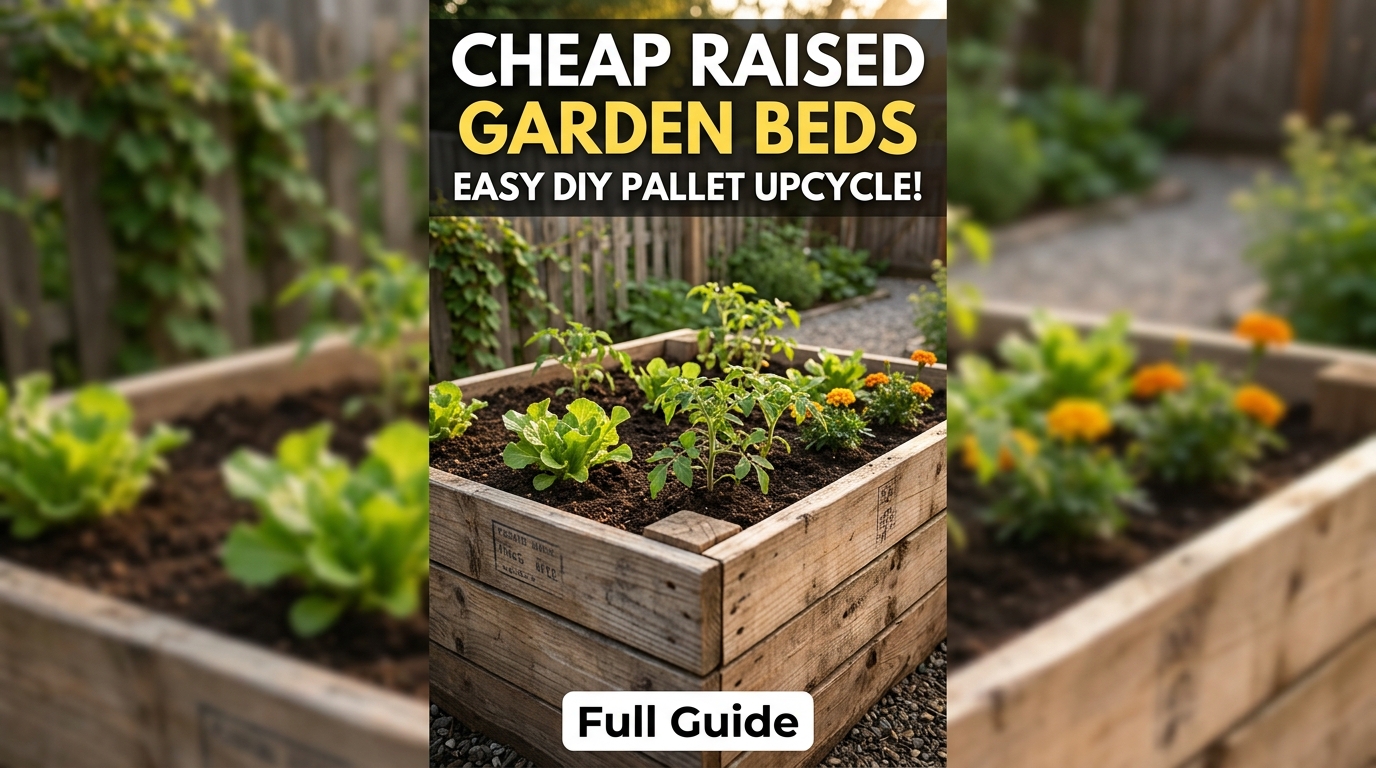
Cheap raised garden beds are an excellent way to grow vegetables, herbs, flowers, and fruits without spending a fortune. Raised beds make gardening easier by improving soil control, drainage, and accessibility while allowing you to create an organized and attractive growing space.
You don’t need expensive kits or professional landscaping services to build productive raised beds. With reclaimed wood, bricks, concrete blocks, stones, pallets, or other affordable materials, you can create simple garden beds that fit your yard and budget.
Whether you have a large backyard, a small patio, or a limited gardening area, inexpensive raised garden beds can help you make the most of your available space.
Why Choose Cheap Raised Garden Beds?
Raised beds offer several advantages over traditional in-ground gardening.
They can help you:
- Control soil quality
- Improve drainage
- Reduce soil compaction
- Organize plants efficiently
- Make gardening more accessible
- Create attractive garden borders
- Reduce weed competition
The biggest advantage is that you can build them using inexpensive or recycled materials.
Best Cheap Materials for Raised Garden Beds
Reclaimed Wood
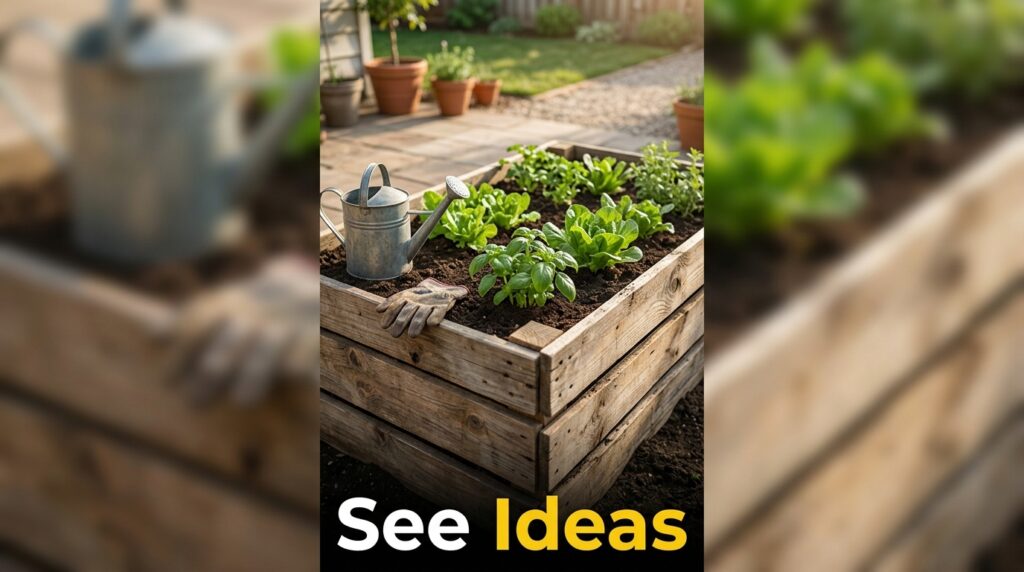
Old untreated timber can be an affordable option for building basic garden bed frames.
Look for suitable leftover wood from construction projects or reuse materials that are safe for gardening.
Avoid wood that has been treated with substances unsuitable for food-growing areas.
Concrete Blocks
Concrete blocks are easy to stack and don’t require complicated construction.
They can create:
- Straight raised beds
- Corner beds
- Tiered gardens
- Small herb gardens
The holes in some blocks can also be used as planting pockets.
Bricks
Reclaimed bricks provide a charming, traditional appearance.
They are particularly useful for creating permanent raised beds around:
- Vegetable gardens
- Herb gardens
- Flower borders
Natural Stones
If stones are readily available on your property, they can create rustic raised garden beds at little or no material cost.
Pallets
Wooden pallets can sometimes be adapted into garden structures, but make sure they are suitable and safe before using them around edible plants.
Simple DIY Raised Garden Bed
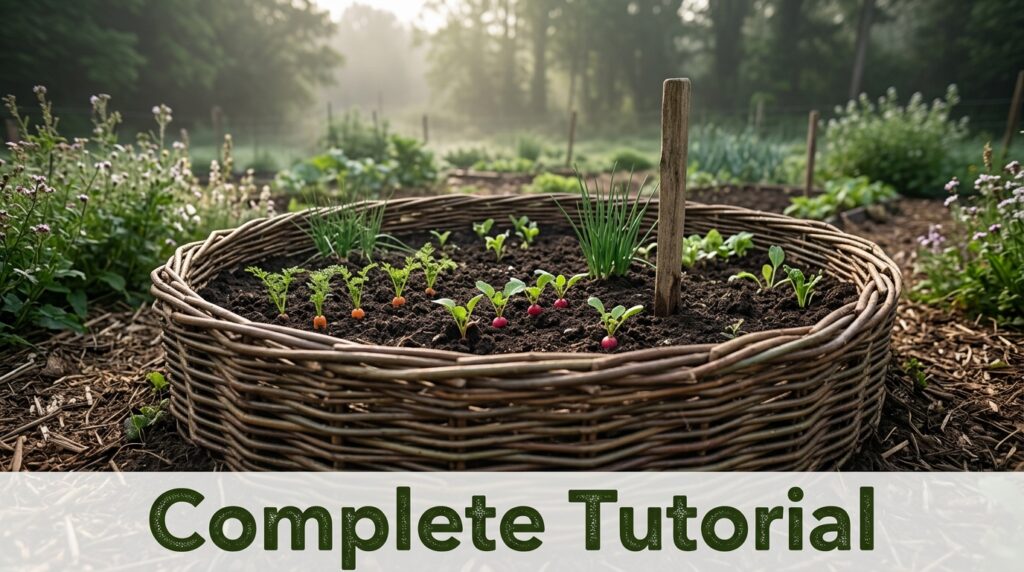
One of the easiest designs is a basic rectangular bed.
You’ll need:
- Four suitable boards
- Screws
- A drill
- Garden soil
- Compost
Arrange the boards into a rectangle, secure the corners, and position the bed on a level surface.
Fill it with a mixture of quality soil and compost, then plant your vegetables or flowers.
Cheap Raised Garden Beds Without Wood
If timber is expensive or unavailable, consider alternatives.
Brick Beds
Stack bricks in a simple rectangular or square shape.
Block Beds
Arrange concrete blocks into your desired dimensions and fill the interior with soil.
Stone Beds
Use flat stones to create natural-looking borders.
These options can be especially useful if you want durable beds that don’t require much maintenance.
Small Cheap Raised Garden Beds
Small beds are ideal for:
- Balconies
- Patios
- Courtyards
- Tiny backyards
Try creating beds measuring approximately 2 × 2 feet or 2 × 4 feet.
These dimensions are easy to reach from both sides and can support herbs, leafy greens, flowers, and compact vegetables.
Cheap Raised Garden Bed Ideas for Beginners
Square Vegetable Bed
Create a simple square bed divided into smaller sections.
Grow:
- Lettuce
- Radishes
- Carrots
- Spinach
- Herbs
Three-Bed Vegetable Garden
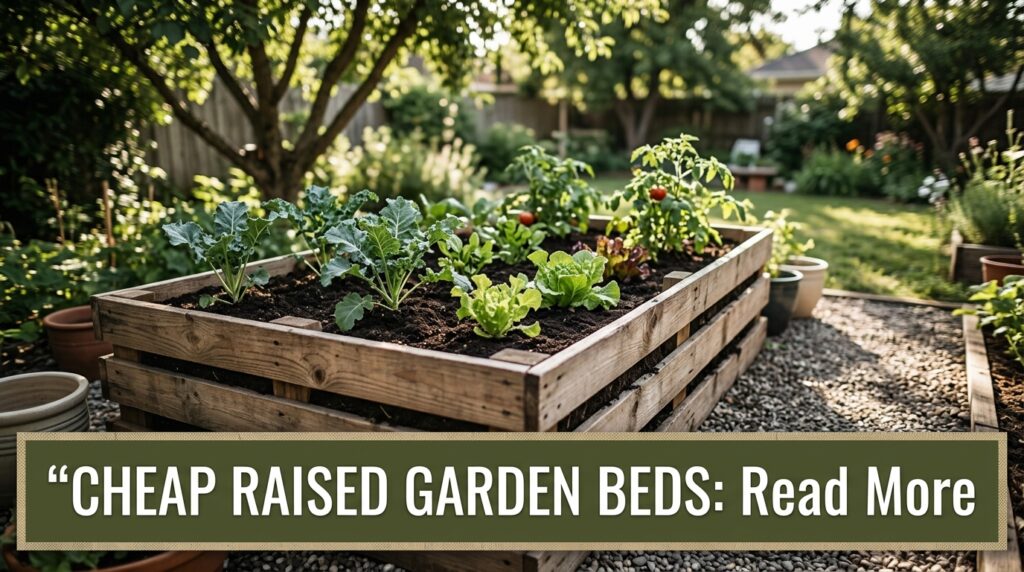
Build three inexpensive beds and dedicate each to a different group of plants.
Herb Garden
Use a small raised bed near your kitchen for:
- Basil
- Parsley
- Mint
- Thyme
- Cilantro
Flower Bed
Use inexpensive bricks or stones to create a colorful raised flower border.
How to Save Money on Soil
Soil can sometimes cost more than the bed frame itself.
Save money by:
- Buying compost in bulk
- Making your own compost
- Using existing garden soil where appropriate
- Mixing compost with suitable topsoil
- Filling very deep beds strategically rather than unnecessarily
Don’t compromise on soil quality for food crops, but look for economical bulk options.
DIY Hugelkultur-Style Filling
For deeper beds, some gardeners use organic woody material in the lower layers, topped with soil and compost.
This can reduce the amount of purchased soil needed while adding organic matter over time.
However, use well-rotted and appropriate organic material and make sure the final planting layer has enough quality soil for your crops.
Cheap Raised Garden Beds Using Recycled Materials
Reusing materials can dramatically reduce your gardening budget.
Possible materials include:
- Reclaimed bricks
- Untreated scrap timber
- Suitable stone
- Old containers
- Reusable garden materials
Always check that recycled materials are clean and safe for growing plants.
Best Vegetables for Raised Beds
Raised beds are ideal for many crops.
Try:
- Tomatoes
- Peppers
- Lettuce
- Spinach
- Carrots
- Radishes
- Beans
- Cucumbers
- Beets
- Onions
Choose crops based on your local climate and available sunlight.
Cheap Raised Garden Bed Layout Ideas
Straight Rows
Place rectangular beds in parallel lines with walking paths between them.
This works well in larger backyards.
U-Shaped Garden
A U-shaped arrangement provides easy access to multiple growing areas.
L-Shaped Bed
Ideal for corners and small spaces.
Square-Foot Layout
Divide the bed into small planting sections to maximize productivity.
Raised Beds for Small Backyards
If space is limited, avoid building too many large beds.
Instead:
- Use narrow beds.
- Create vertical supports.
- Grow climbing vegetables.
- Combine vegetables and herbs.
- Leave only necessary walking space.
A carefully planned small raised bed can produce an impressive harvest.
Cheap Raised Garden Beds for Flowers
Raised beds aren’t only for vegetables.
Create colorful flower beds using:
- Marigolds
- Zinnias
- Cosmos
- Salvia
- Lavender
- Coneflowers
Mix different heights and flowering seasons for a longer-lasting display.
How to Build a Raised Garden Bed on a Budget
Start by choosing a level location with adequate sunlight.
Step 1: Measure the Space
Decide how much room you have available.
Step 2: Choose Affordable Materials
Select reclaimed wood, bricks, blocks, or stones.
Step 3: Build the Frame
Create a stable border around the planting area.
Step 4: Prepare the Soil
Add compost and suitable garden soil.
Step 5: Plan Your Plants
Place taller crops where they won’t shade smaller plants excessively.
Step 6: Add Mulch
Mulch can help conserve moisture and reduce weeds.
Common Mistakes to Avoid
Making Beds Too Wide
A bed should be narrow enough that you can comfortably reach the center without stepping into it.
Using Unsafe Materials
Avoid questionable reclaimed materials, especially for edible crops.
Forgetting Drainage
Raised beds need appropriate drainage to prevent waterlogging.
Ignoring Sunlight
Most vegetables need several hours of direct sunlight.
Filling the Bed With Poor Soil
Healthy soil is essential for productive plants.
Overcrowding Plants
Follow recommended spacing to reduce competition and disease problems.
How to Make Raised Beds Last Longer
Extend the life of your beds by:
- Keeping wood away from constantly wet ground when possible
- Maintaining good drainage
- Avoiding unnecessary moisture buildup
- Repairing damaged frames promptly
- Choosing durable materials
Stone and masonry beds can provide particularly long-lasting structures.
Cheap Raised Garden Beds for Renters
Renters can use portable solutions such as:
- Large containers
- Fabric grow bags
- Wooden planter boxes
- Movable raised planters
These can be relocated when necessary without permanently changing the property.
Frequently Asked Questions
What is the cheapest material for raised garden beds?
Reclaimed bricks, suitable scrap wood, stones, and concrete blocks can be inexpensive options depending on what is locally available.
Can I build a raised garden bed for free?
Potentially. Reusing suitable materials already available on your property can reduce the construction cost significantly.
How deep should a raised garden bed be?
Many vegetables can grow successfully in beds around 6–12 inches deep, while deeper-rooted crops may need more growing depth.
Are concrete blocks good for raised garden beds?
Yes. Concrete blocks can create durable, inexpensive beds and can work well for both vegetables and flowers.
What should I put in the bottom of a raised garden bed?
In many situations, you can place the bed directly on suitable soil and fill it with quality growing soil and compost. Good drainage is more important than adding unnecessary layers.
Conclusion
Cheap raised garden beds make gardening accessible without requiring a large budget. By choosing affordable materials, building simple designs, and focusing your spending on quality soil and healthy plants, you can create productive growing spaces for vegetables, herbs, and flowers.
Whether you choose reclaimed bricks, concrete blocks, suitable timber, or natural stones, a budget-friendly raised bed can become an attractive and productive feature in your garden. Start with one small bed, learn what works in your space, and gradually expand your garden as your experience and budget grow.