
 By John
A garden wall is an important structure in landscaping that defines boundaries, adds privacy, supports soil in sloped areas, and enhances the overall beauty of a garden. It is both functional and decorative, making it a key element in modern and traditional garden design.
A well-designed garden wall can transform an ordinary outdoor space into a structured, elegant, and visually balanced environment.
What Is a Garden Wall?
A garden wall is a built structure made from materials such as stone, brick, wood, or concrete, used in outdoor spaces for support, separation, or decoration. It can be low (used as edging) or tall (used for privacy or security).
Garden walls are commonly used to:
- Define garden boundaries
- Support soil in sloped areas (retaining walls)
- Provide privacy from neighbors or streets
- Create visual structure in landscaping
Importance of Garden Walls
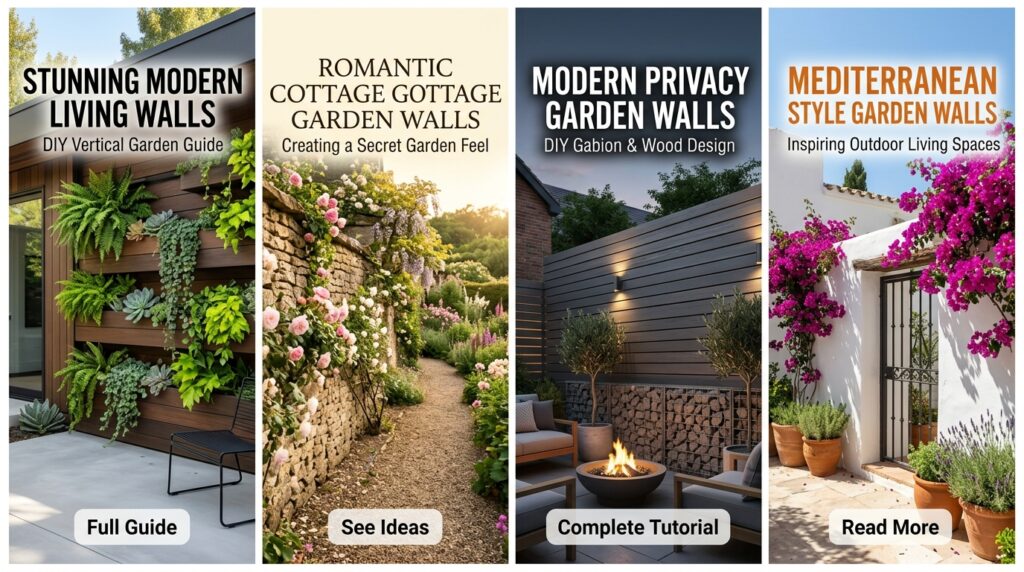
Garden walls are more than just barriers. They play a key role in garden design.
Improves structure
They divide spaces into organized zones.
Adds privacy
Tall walls block unwanted views and create a private space.
Enhances beauty
Decorative walls improve the visual appeal of gardens.
Controls soil erosion
Retaining walls help manage sloped land.
Increases property value
Well-designed walls improve overall landscape quality.
Types of Garden Walls
1. Brick Garden Walls
Brick walls are one of the most traditional and durable options.
Features:
- Strong and long-lasting
- Classic red or modern painted look
- Works in formal gardens
Best for:
Traditional and suburban homes
Brick walls offer a clean and timeless appearance.
2. Stone Garden Walls
Stone walls provide a natural and rustic look.
Features:
- Made from natural stones
- Can be dry-stacked or cemented
- Blends with nature
Best for:
Cottage and countryside gardens
They create a natural and organic feel.
3. Concrete Garden Walls
Concrete walls are modern and highly versatile.
Features:
- Strong and durable
- Can be smooth or textured
- Suitable for modern designs
Best for:
Minimalist and contemporary gardens
They are often used for retaining soil.
4. Wooden Garden Walls
Wooden walls are warm and natural in appearance.
Features:
- Lightweight and flexible
- Can be painted or stained
- Easy to install
Best for:
Small gardens and decorative boundaries
Wood gives a soft and cozy look.
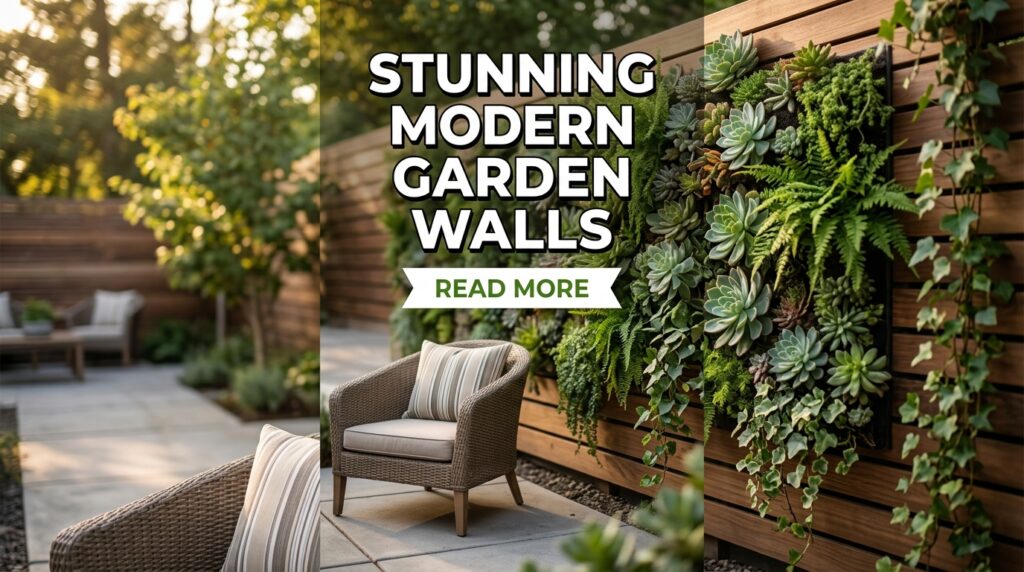
5. Living Garden Walls
Living walls are covered with plants and greenery.
Features:
- Vertical plant growth
- Eco-friendly design
- Improves air quality
Best for:
Modern and eco-friendly gardens
They create a green, natural atmosphere.
Garden Wall Design Ideas
Modern Garden Wall Design
A modern wall focuses on simplicity and clean lines.
Features:
- Smooth concrete or stone
- Minimal decoration
- Neutral colors like grey and white
- Straight edges
Rustic Garden Wall Design
Rustic walls feel natural and traditional.
Features:
- Rough stone texture
- Uneven shapes
- Natural earthy tones
Decorative Garden Wall Design
These walls are designed for visual appeal.
Features:
- Patterned bricks or stones
- Built-in lighting
- Hanging plants or pots
- Artistic finishes
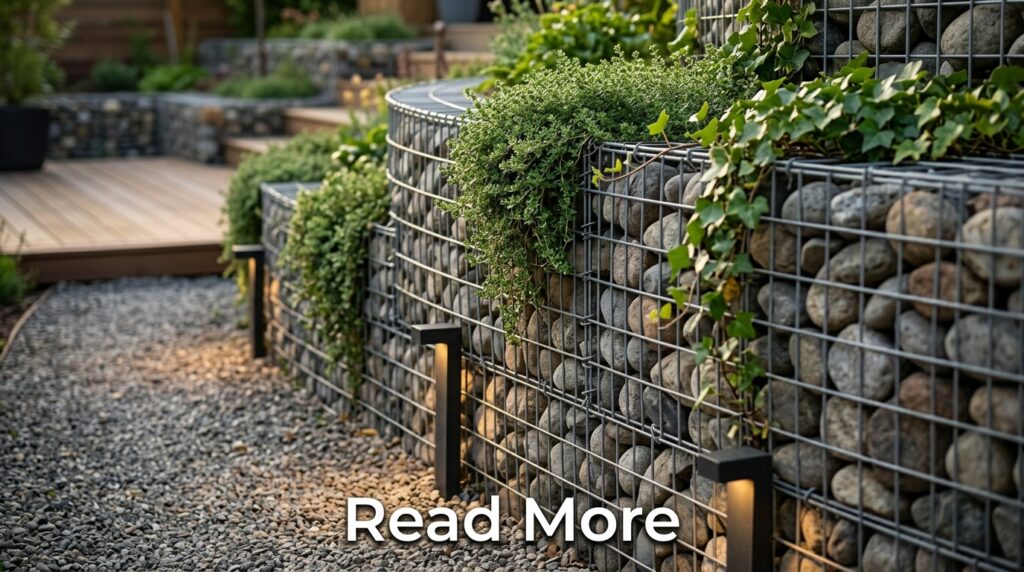
Retaining Garden Walls
Retaining walls are used on sloped land.
Features:
- Support soil pressure
- Prevent erosion
- Often made from stone or concrete
Small Garden Wall Ideas
Even small gardens can benefit from walls.
Ideas:
- Low boundary walls with flower beds
- Decorative half-walls with seating
- Vertical plant walls for space saving
Garden Wall with Plants
Adding plants to walls enhances beauty.
Options:
- Climbing plants like ivy or jasmine
- Hanging pots attached to walls
- Built-in plant pockets
Garden Wall Lighting Ideas
Lighting improves both safety and aesthetics.
Types:
- Wall-mounted lights
- Solar lights
- LED strip lighting
- Spotlights for texture highlighting
Materials Used for Garden Walls
Common materials include:
- Brick for durability
- Stone for natural look
- Concrete for modern design
- Wood for warmth
- Metal for decorative accents
Maintenance Tips for Garden Walls
- Clean walls regularly
- Check for cracks or damage
- Repaint wooden walls when needed
- Ensure proper drainage in retaining walls
- Remove plant overgrowth if necessary
Common Mistakes to Avoid
- Building without drainage planning
- Choosing wrong material for climate
- Ignoring structural strength
- Over-decorating small walls
- Poor alignment with garden design
Benefits of a Well-Designed Garden Wall
A good garden wall provides:
- Privacy and security
- Structural support
- Visual beauty
- Better garden organization
- Increased property value
Conclusion
A garden wall is a powerful element in landscaping that combines function and beauty. Whether made of brick, stone, wood, concrete, or living plants, it helps define space, improve privacy, and enhance the overall garden design.
With proper planning and material choice, a garden wall can transform your outdoor area into a structured, elegant, and visually appealing space that complements your home perfectly.