
 By John
A French garden is a formal style of landscaping that focuses on symmetry, order, and geometric design. It is one of the most elegant and structured garden styles in the world, designed to show control over nature through perfectly arranged paths, plants, and decorative elements.
This garden style became famous in France during the 17th century and is still widely used in palaces, estates, and modern luxury landscapes today.
What Is a French Garden?
A French garden is a highly organized outdoor space where every element is carefully planned in straight lines and symmetrical patterns. Unlike natural or wild gardens, a French garden is controlled, structured, and mathematically designed.
It usually includes:
- Symmetrical pathways
- Trimmed hedges
- Decorative flower beds
- Fountains and water features
- Statues and ornaments
The goal is to create harmony, balance, and visual perfection.
History of French Gardens
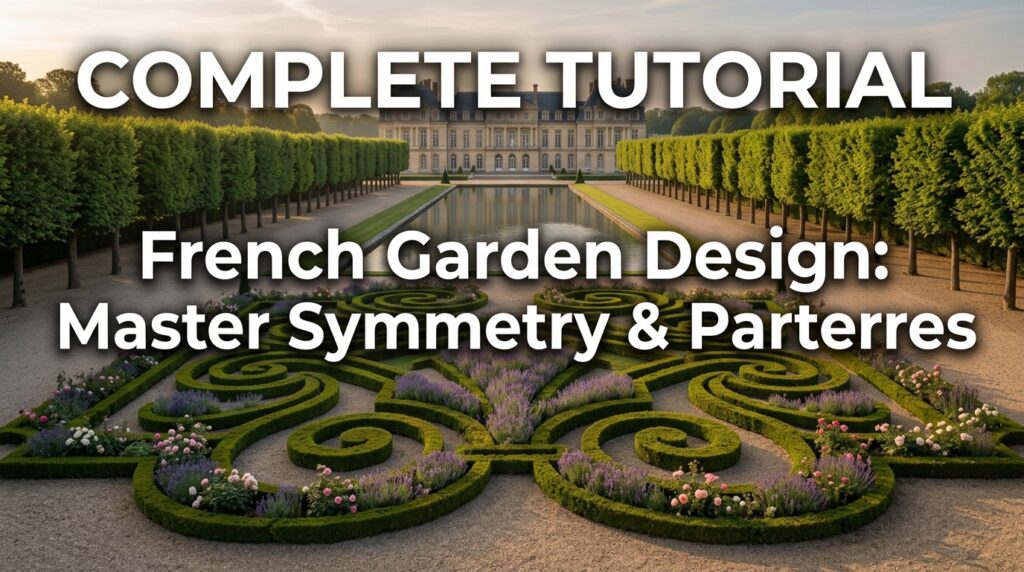
French gardens became popular during the reign of the royal court in France, especially under King Louis XIV. The most famous example is the gardens of the Palace of Versailles.
These gardens were designed to reflect power, wealth, and control over nature. They were created by landscape designers who used strict geometry and artistic planning to shape large outdoor spaces.
Key Features of a French Garden
1. Symmetry and Geometry
A French garden is built on perfect symmetry.
Features:
- Mirror-image layouts
- Straight lines and aligned paths
- Balanced plant placement
Everything is organized around a central axis.
2. Parterres (Decorative Plant Beds)
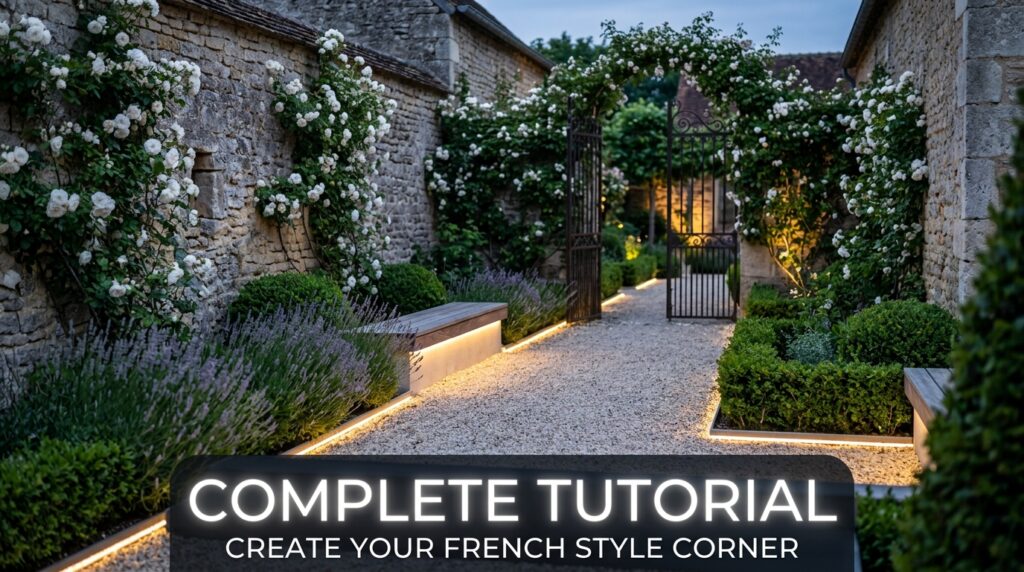
Parterres are one of the most important elements.
Features:
- Low hedges arranged in patterns
- Flower beds shaped like designs or symbols
- Carefully trimmed edges
They often look like garden “carpets” made of plants.
3. Straight Pathways and Axes
Paths in French gardens are long and straight.
Features:
- Strong central walkway
- Side paths aligned perfectly
- Open views that extend into the distance
This creates a sense of depth and order.
4. Water Features
Water plays a major role in French garden design.
Features:
- Fountains
- Reflecting pools
- Canals
- Symmetrical water layouts
Water is often placed at focal points.
5. Sculptures and Decorations
Decorative elements enhance the artistic look.
Features:
- Stone statues
- Classical urns
- Topiary (shaped plants)
- Ornamental features
These add elegance and luxury.
French Garden Design Principles
A French garden follows strict design rules:
Balance
Both sides of the garden must look equal.
Order
Everything is carefully arranged and controlled.
Perspective
Long pathways create a visual depth effect.
Harmony
All elements work together in a unified design.
Famous French Gardens
Palace of Versailles Gardens
One of the most famous gardens in the world.
It features:
- Massive symmetrical layouts
- Large fountains
- Grand canals
- Ornate parterres
Other Examples
- Vaux-le-Vicomte gardens
- Tuileries Garden in Paris
These gardens represent classical French design principles.
Plants Used in French Gardens
French gardens use carefully selected plants.
Common plants:
- Boxwood hedges
- Roses
- Lavender
- Seasonal flowers
- Ornamental shrubs
Plants are always trimmed and maintained for shape.
French Garden Layout Ideas
Central Axis Layout
A main path runs through the center with balanced sides.
Parterre Layout
Decorative plant beds form patterns near the house.
Terrace Garden Layout
Different levels connected by stairs and paths.
Formal Courtyard Layout
Small, enclosed spaces with structured symmetry.
Materials Used in French Gardens
- Stone for pathways
- Gravel for texture
- Marble for statues
- Brick for borders
- Trimmed hedges for structure
Maintenance of French Gardens
French gardens require regular care.
Tasks include:
- Constant trimming of hedges
- Cleaning pathways
- Water feature maintenance
- Replanting seasonal flowers
- Keeping symmetry intact
Advantages of French Gardens
- Extremely elegant appearance
- Highly organized design
- Increases property value
- Creates luxurious atmosphere
- Ideal for large spaces
Disadvantages
- Requires high maintenance
- Needs large space
- Can be expensive to design
- Less natural-looking
Conclusion
A French garden is a timeless and elegant landscaping style that represents order, beauty, and sophistication. With its symmetrical design, structured pathways, decorative parterres, and water features, it creates a visually stunning outdoor space.
Although it requires careful maintenance, a French garden offers unmatched elegance and transforms any landscape into a refined and luxurious environment.