 By John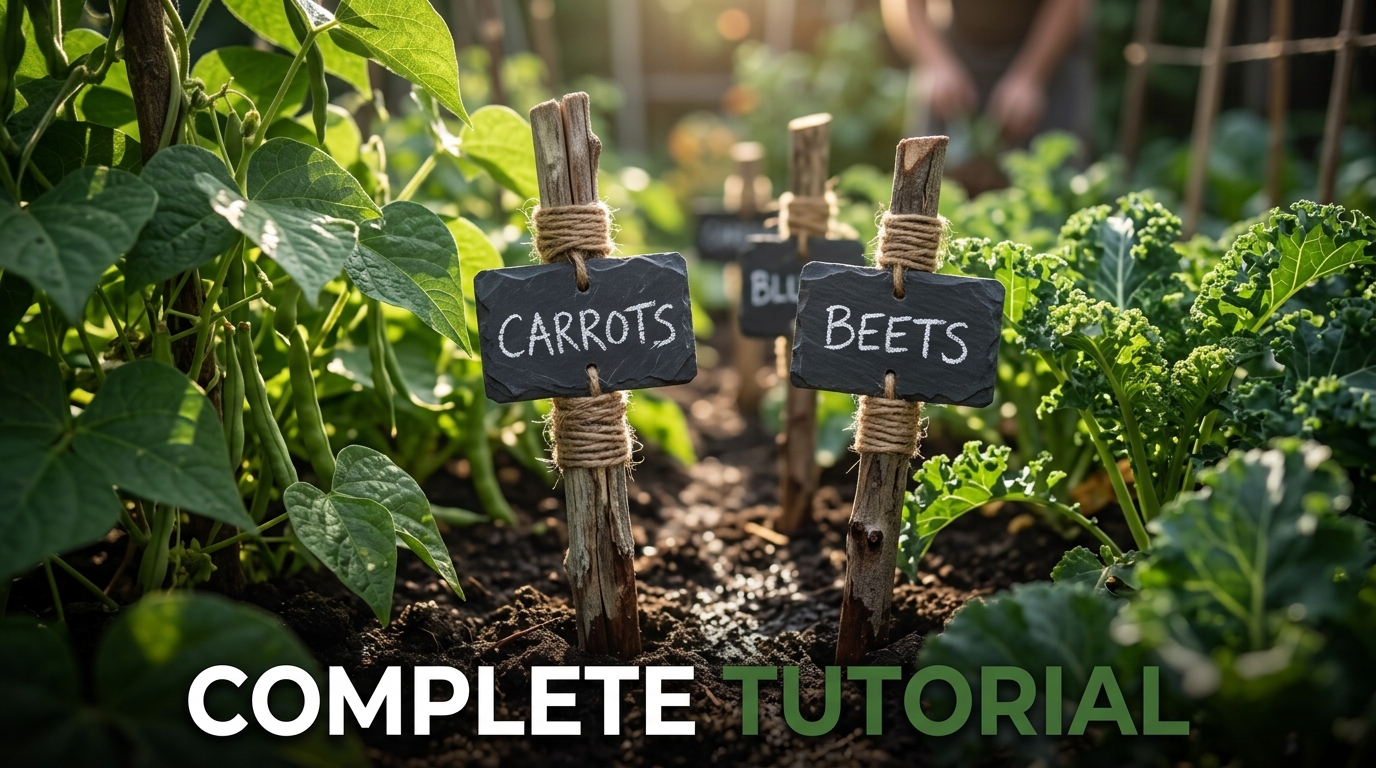
Garden Stakes: Everything You Need to Know About Plant Support, Garden Organization, and Landscaping
Garden stakes are essential tools for every gardener, providing support, stability, and organization for vegetables, flowers, shrubs, and climbing plants. Whether you’re growing tomatoes, peppers, roses, sunflowers, or climbing beans, the right garden stakes help plants grow upright, improve air circulation, reduce disease, and increase harvests. Beyond plant support, decorative garden stakes also enhance landscaping by adding style, labels, lighting, and artistic elements to outdoor spaces.
Available in a wide variety of materials, sizes, and designs, garden stakes can be used in vegetable gardens, flower beds, raised garden beds, container gardens, and even indoor plant collections. Choosing the right stake for your plants ensures healthier growth while making your garden easier to maintain.
This complete guide explains everything you need to know about garden stakes, including types, materials, uses, installation methods, maintenance, and creative landscaping ideas.
What Are Garden Stakes?
Garden stakes are vertical supports placed into the soil to help plants grow upright and remain stable throughout the growing season. They can also serve as markers, decorative accents, or supports for garden structures.
Common uses include:
- Supporting vegetables
- Holding flowering plants upright
- Training climbing vines
- Marking plant varieties
- Protecting young trees
- Creating decorative garden displays
- Supporting irrigation systems
- Securing landscape fabric
Garden stakes come in many lengths and styles to suit different gardening needs.
Benefits of Garden Stakes
Using garden stakes provides numerous advantages.
Healthier Plant Growth
Supporting stems prevents bending, breaking, and damage from wind or heavy fruit.
Better Air Circulation
Upright plants receive improved airflow, helping reduce fungal diseases.
Easier Harvesting
Raised fruit and vegetables are easier to see, reach, and pick.
Cleaner Produce
Keeping plants off the ground helps reduce dirt, rot, and pest damage.
Improved Garden Appearance
Neatly supported plants create a tidy and organized landscape.
Types of Garden Stakes
Different plants require different types of support.
Wooden Stakes
Wooden stakes are affordable, natural-looking, and ideal for many vegetable and flower gardens.
Best for:
- Tomatoes
- Peppers
- Dahlias
- Young shrubs
- Small trees
Bamboo Stakes
Bamboo is lightweight, durable, and environmentally friendly.
Suitable for:
- Beans
- Orchids
- Houseplants
- Tomatoes
- Peas
Bamboo blends naturally into garden landscapes.
Metal Stakes
Steel and aluminum stakes provide long-lasting strength.
Ideal for:
- Large tomato plants
- Sunflowers
- Young trees
- Heavy climbing vines
Metal stakes resist weather and last for many growing seasons.
Fiberglass Stakes
Fiberglass stakes are lightweight, strong, and resistant to moisture.
Benefits include:
- Rust resistance
- Rot resistance
- Long lifespan
- Easy cleaning
They work well in vegetable gardens and commercial growing systems.
Plastic Stakes
Plastic stakes are inexpensive and suitable for lightweight plants.
Common uses include:
- Plant markers
- Small flowers
- Seedlings
- Container plants
Choose UV-resistant plastic for longer durability.
Decorative Garden Stakes
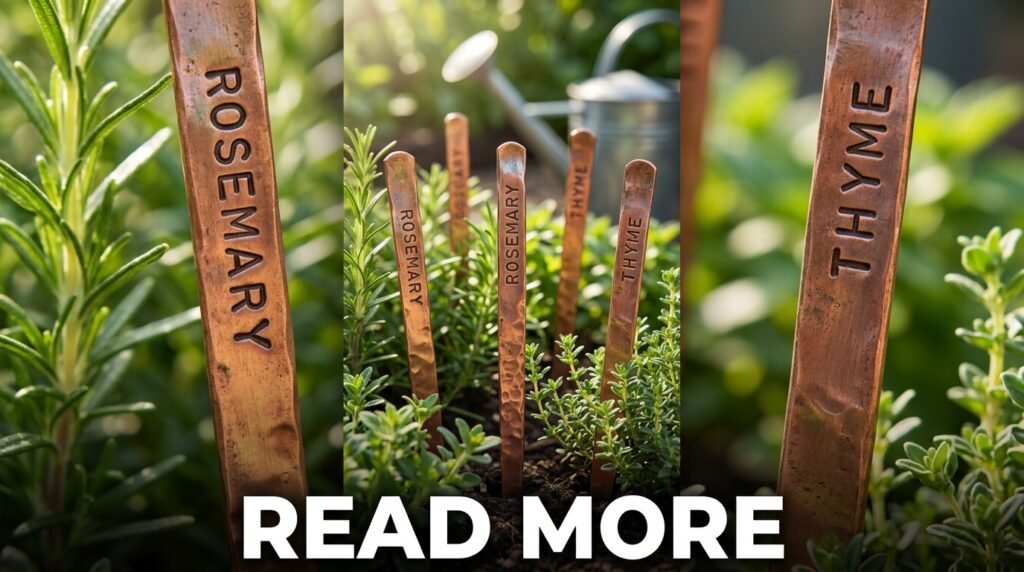
Garden stakes can also add personality and charm to outdoor spaces.
Popular decorative options include:
- Solar light stakes
- Butterfly decorations
- Bird ornaments
- Wind spinners
- Glass art stakes
- Seasonal decorations
- Metal sculptures
Decorative stakes enhance both daytime and evening garden appeal.
Best Plants That Need Garden Stakes
Many plants benefit from additional support.
Vegetables:
- Tomatoes
- Peppers
- Eggplants
- Cucumbers
- Pole beans
- Peas
Flowers:
- Dahlias
- Delphiniums
- Gladiolus
- Hollyhocks
- Sunflowers
- Lilies
Small trees and shrubs may also require temporary staking during establishment.
Garden Stakes for Tomatoes
Tomatoes are among the most common plants that require support.
Benefits include:
- Straighter growth
- Cleaner fruit
- Better sunlight exposure
- Improved airflow
- Easier harvesting
Use sturdy stakes at least 6 to 8 feet tall for indeterminate tomato varieties.
Garden Stakes for Flowers
Tall flowers often bend under the weight of blooms.
Popular flowers to stake include:
- Dahlias
- Gladiolus
- Delphiniums
- Cosmos
- Foxgloves
- Peonies
Soft plant ties help prevent stem damage.
Supporting Climbing Plants
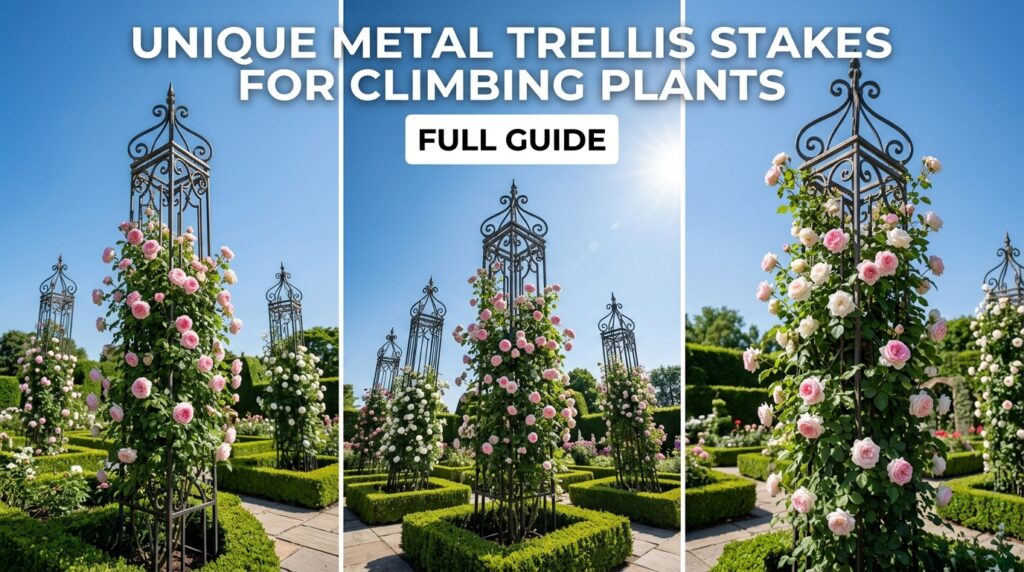
Garden stakes can be combined with trellises or netting to support climbing plants.
Excellent choices include:
- Sweet peas
- Clematis
- Morning glories
- Cucumbers
- Pole beans
- Climbing roses
Training vines early encourages healthy growth.
Plant Ties
Proper ties are just as important as sturdy stakes.
Recommended materials include:
- Soft garden tape
- Velcro plant ties
- Cotton twine
- Stretchable rubber ties
- Fabric strips
Avoid tight knots that restrict stem growth.
Garden Layout Ideas Using Stakes
Garden stakes help organize planting areas.
Ideas include:
- Straight vegetable rows
- Raised bed supports
- Container plant displays
- Decorative flower borders
- Vertical herb gardens
- Climbing vegetable tunnels
Strategic placement creates a neat and efficient garden.
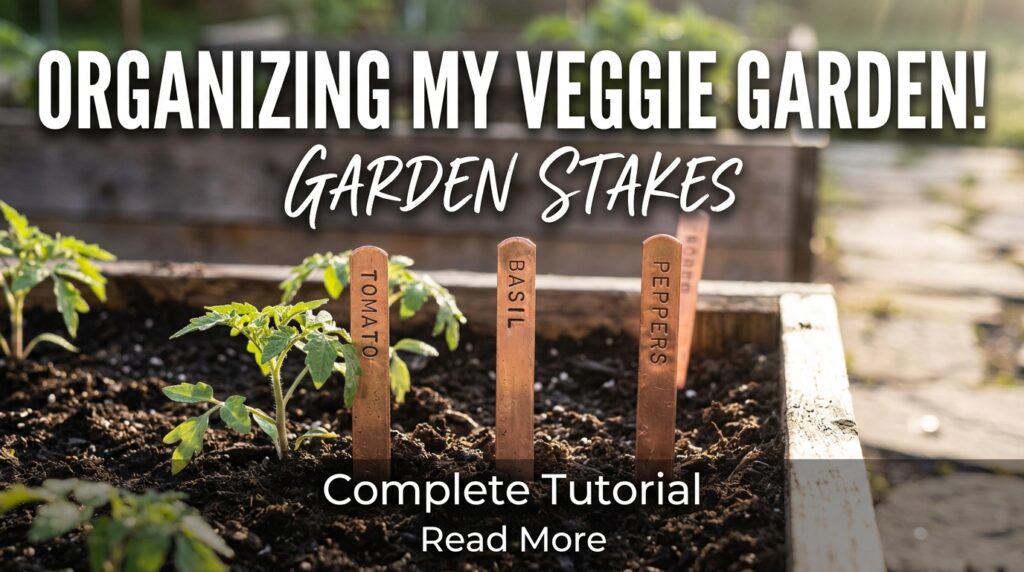
Garden Marker Stakes
Labeling plants helps with organization.
Use marker stakes for:
- Vegetables
- Herbs
- Flowers
- Seedlings
- Fruit varieties
Weatherproof labels remain readable throughout the season.
DIY Garden Stakes
Making your own garden stakes is simple and affordable.
Popular materials include:
- Bamboo poles
- Wooden dowels
- Tree branches
- PVC pipe
- Recycled metal rods
Paint or seal wooden stakes to extend their lifespan.
Installing Garden Stakes
Correct installation prevents plant damage.
Steps include:
- Insert the stake before the plant becomes large.
- Place the stake a few inches away from the root ball.
- Push it firmly into the soil.
- Tie stems loosely using soft ties.
- Adjust ties as plants grow.
Installing stakes early avoids disturbing mature roots.
Raised Garden Beds and Stakes
Raised beds benefit greatly from plant supports.
Use stakes for:
- Tomatoes
- Peppers
- Beans
- Cucumbers
- Decorative flowers
Vertical supports maximize growing space.
Vertical Gardening with Stakes
Garden stakes create simple vertical growing systems.
Combine stakes with:
- Garden netting
- Wire panels
- Trellises
- Bamboo frames
- Garden arches
Vertical gardening improves airflow while increasing productivity.
Weather Protection
Strong stakes help plants withstand:
- Heavy rain
- Wind
- Large fruit loads
- Storm damage
Securely anchored supports reduce the risk of broken stems.
Sustainable Garden Stakes
Environmentally friendly options include:
- Bamboo
- Untreated wood
- Recycled metal
- Reusable fiberglass
- Natural jute ties
Reusable materials reduce waste and support sustainable gardening.
Maintaining Garden Stakes
Proper maintenance extends their lifespan.
Tasks include:
- Cleaning after each season
- Removing rust
- Disinfecting between crops
- Repainting wooden stakes
- Replacing damaged ties
Clean supports help reduce the spread of plant diseases.
Common Mistakes to Avoid
Avoid these common staking mistakes:
- Installing stakes too late
- Tying stems too tightly
- Using weak supports
- Placing stakes too close to roots
- Ignoring plant growth
- Failing to inspect ties regularly
Proper staking encourages healthier, stronger plants.
Creative Decorative Uses
Garden stakes can serve decorative purposes beyond plant support.
Ideas include:
- Solar pathway lights
- Welcome signs
- Garden art
- Hanging lanterns
- Seasonal decorations
- Bird feeders
- Wind chimes
Mix functional and decorative stakes for a beautiful landscape.
Frequently Asked Questions
Why are garden stakes important?
Garden stakes support plants, improve airflow, prevent stem damage, keep produce clean, and make harvesting easier.
Which plants need garden stakes?
Tomatoes, peppers, cucumbers, beans, peas, dahlias, gladiolus, lilies, sunflowers, and climbing flowers commonly benefit from staking.
What material is best for garden stakes?
Bamboo, cedar, galvanized steel, fiberglass, and treated hardwood are among the most durable and reliable materials.
When should I install garden stakes?
Install stakes at planting time or shortly afterward to avoid damaging established roots.
How long do garden stakes last?
Bamboo stakes may last several seasons, while metal and fiberglass stakes can remain usable for many years with proper maintenance.
Conclusion
Garden stakes are one of the most valuable tools for maintaining healthy, productive, and attractive gardens. Whether supporting vegetables, flowering plants, climbing vines, or young trees, the right stake improves plant health, simplifies maintenance, and increases harvests. Decorative garden stakes also enhance outdoor spaces by adding style, lighting, and organization.
By selecting the appropriate materials, installing stakes correctly, using soft plant ties, and maintaining your supports throughout the season, you can create a garden that is both functional and visually appealing. From raised vegetable beds to ornamental flower borders, garden stakes are a simple investment that delivers lasting benefits for gardeners of every experience level.