 By John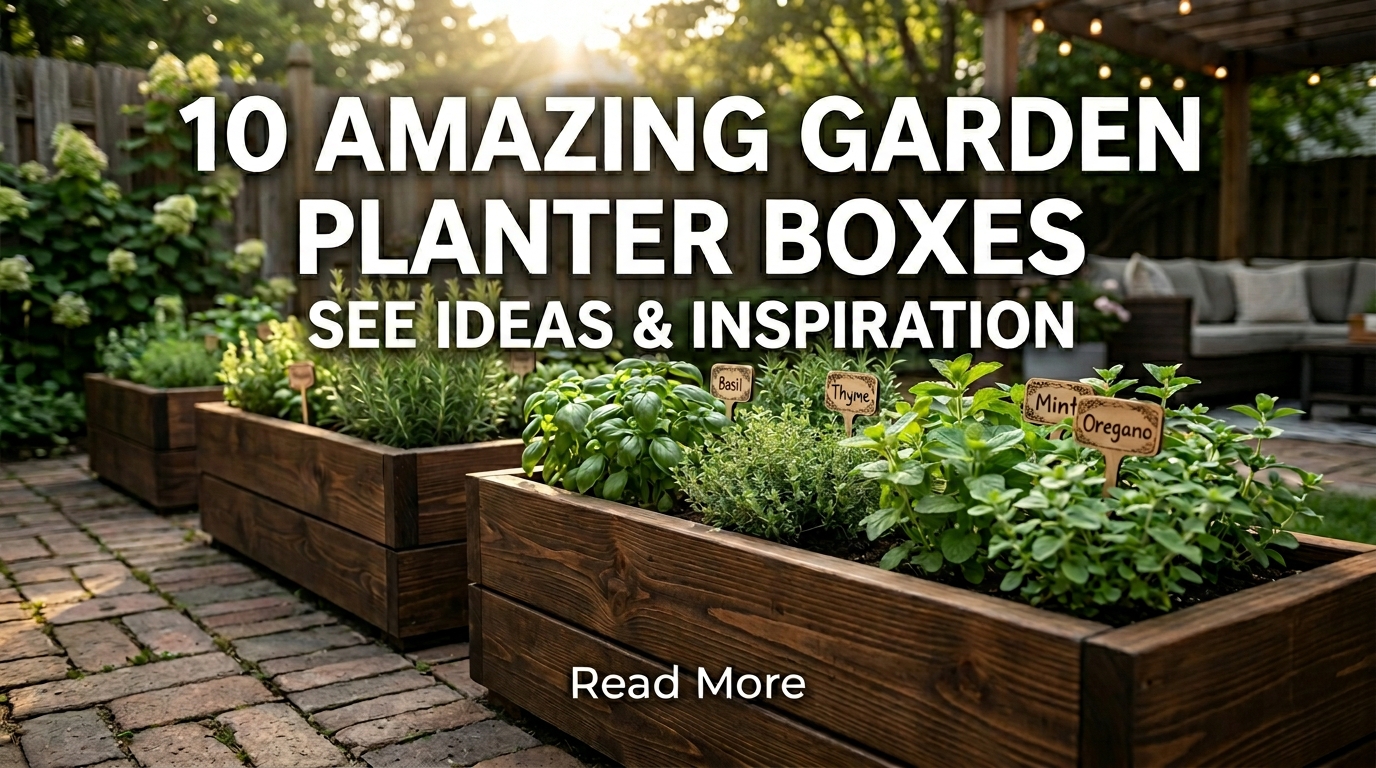
Garden planter boxes are one of the most versatile and practical ways to grow plants in any outdoor or indoor space. Whether you have a large backyard, a small balcony, a patio, or even a rooftop, planter boxes allow you to create a beautiful and organized garden without needing traditional ground soil. They are perfect for growing flowers, vegetables, herbs, and decorative plants while adding structure and style to your outdoor design.
In modern gardening, planter boxes have become extremely popular because they combine functionality with aesthetics. They are easy to manage, space-saving, and ideal for beginners as well as experienced gardeners.
This complete guide will cover everything you need to know about garden planter boxes, including design ideas, materials, plant selection, benefits, layout tips, and maintenance.
What Are Garden Planter Boxes?
Garden planter boxes are containers or raised structures used for growing plants above ground level. They are usually rectangular, square, or custom-shaped and filled with nutrient-rich soil.
Unlike traditional garden beds, planter boxes can be placed anywhere—on the ground, elevated on legs, or mounted on walls and railings. This flexibility makes them ideal for small spaces and modern gardening setups.
Benefits of Garden Planter Boxes
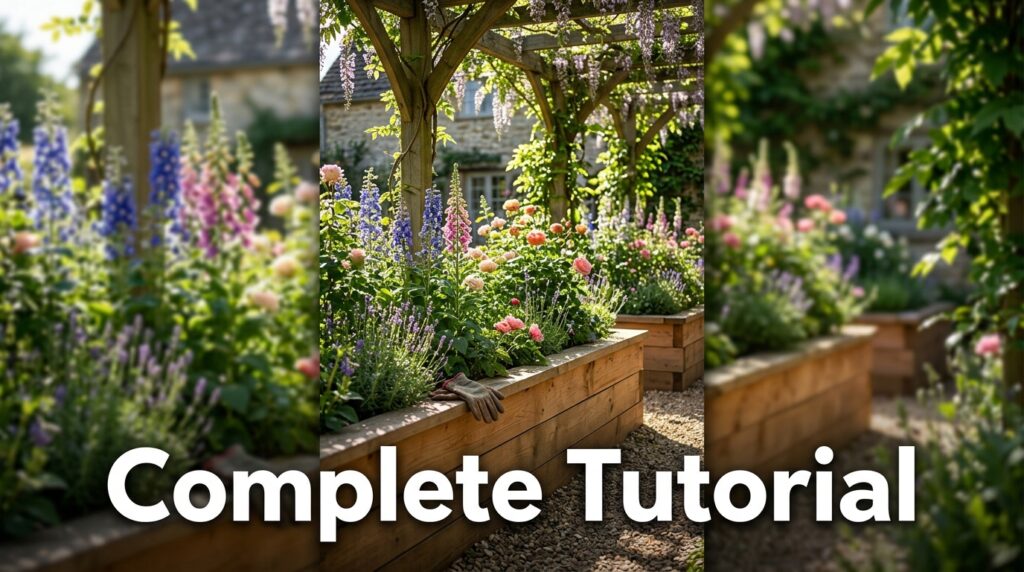
Planter boxes offer many advantages that make gardening easier and more enjoyable.
One of the biggest benefits is space efficiency. Even if you don’t have a yard, you can still grow plants on balconies, patios, or rooftops.
They also improve soil control. You can customize the soil mix based on the needs of your plants, leading to healthier growth.
Drainage is another advantage. Properly designed planter boxes prevent waterlogging and root rot.
They also reduce weeds significantly because the soil is contained.
In addition, planter boxes improve garden organization and add a clean, structured look to outdoor spaces.
Wooden Garden Planter Boxes
Wood is the most popular material for planter boxes because it looks natural and blends well with plants.
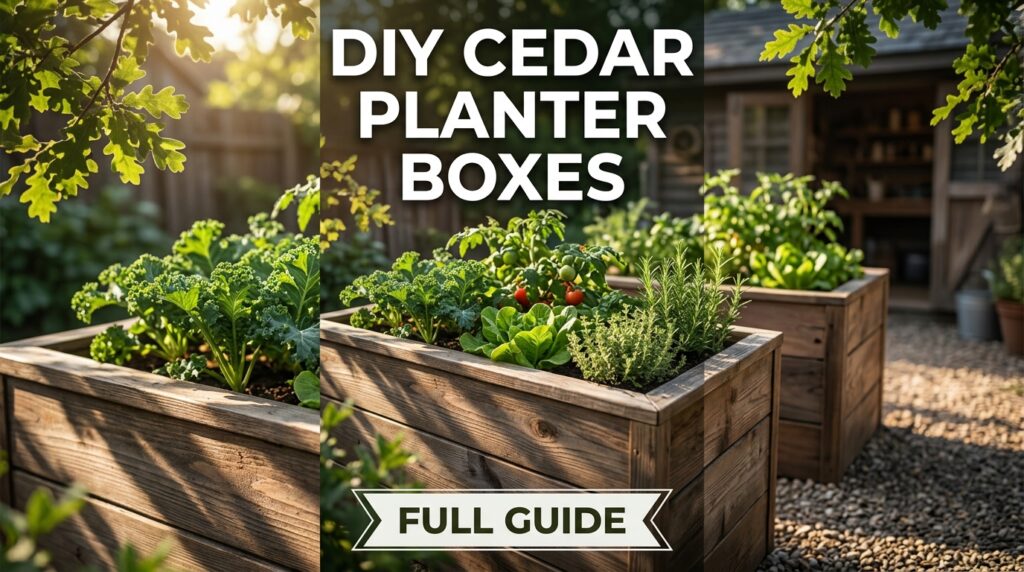
Cedar and redwood are excellent choices due to their resistance to rot and insects. Wooden planter boxes can be painted, stained, or left natural for a rustic look.
They are perfect for cottage gardens, vegetable patches, and decorative flower displays.
Metal Garden Planter Boxes
Metal planter boxes offer a modern and durable option for gardening.
Galvanized steel is commonly used because it resists rust and lasts for many years.
Metal boxes are ideal for contemporary landscapes and urban gardens.
They also retain heat, which can help plants grow faster in cooler climates.
Plastic Garden Planter Boxes
Plastic planter boxes are lightweight, affordable, and easy to move.
They come in many colors and shapes, making them suitable for decorative gardening.
High-quality UV-resistant plastic ensures long-term durability.
These are great for beginners and indoor-outdoor use.
Concrete and Stone Planter Boxes
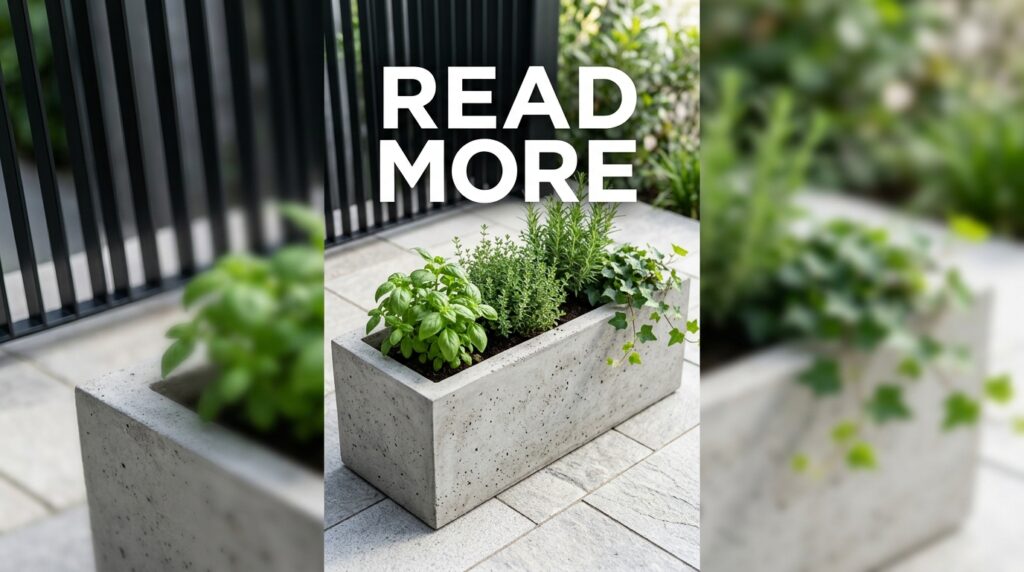
Concrete and stone planter boxes provide a strong, permanent, and elegant look.
They are often used in large gardens, patios, and commercial landscapes.
These materials offer excellent durability and weather resistance.
Their heavy structure makes them stable even in windy conditions.
Vertical Planter Box Ideas
Vertical planter boxes are perfect for small spaces where horizontal space is limited.
They can be stacked on shelves, mounted on walls, or arranged in tiered structures.
This design is ideal for herbs, strawberries, succulents, and small flowers.
Vertical planter boxes also create a living green wall effect.
Raised Garden Planter Boxes
Raised planter boxes are elevated above ground level, making gardening easier and more comfortable.
They reduce bending and are ideal for people with back or knee issues.
Raised boxes also improve drainage and soil quality.
They are commonly used for vegetables like tomatoes, lettuce, peppers, and carrots.
Balcony Planter Box Ideas
Balcony planter boxes are designed specifically for small outdoor spaces.
They can be attached to railings or placed along walls to maximize space.
Hanging planter boxes are also popular for creating layered greenery.
Herbs, flowers, and compact vegetables grow well in balcony setups.
Vegetable Garden Planter Boxes
Planter boxes are excellent for growing vegetables in a controlled environment.
You can grow crops such as:
- Tomatoes
- Spinach
- Lettuce
- Carrots
- Radishes
- Peppers
- Cucumbers
Using rich soil and proper spacing ensures healthy yields and easy harvesting.
Herb Garden Planter Boxes
Herb planter boxes are perfect for kitchen gardens.
Common herbs include basil, mint, thyme, rosemary, parsley, and coriander.
Keeping herbs in planter boxes allows easy access for cooking and daily use.
These boxes can be placed near kitchens, patios, or windows for convenience.
Flower Garden Planter Boxes
Flower planter boxes add color and beauty to any outdoor space.
Popular flowers include petunias, marigolds, geraniums, lavender, and begonias.
Mixing different flower colors creates a vibrant and attractive display.
They are often used to decorate patios, entrances, and balconies.
Tiered Planter Box Ideas
Tiered planter boxes use multiple levels to create depth and visual interest.
Each level can hold different types of plants based on height and sunlight needs.
This design is perfect for small gardens and decorative landscaping.
It also improves plant visibility and access.
Self-Watering Planter Boxes
Self-watering planter boxes are designed with a built-in water reservoir.
They supply consistent moisture to plants, reducing the need for frequent watering.
This system is ideal for busy gardeners or hot climates.
It helps prevent overwatering and underwatering issues.
DIY Garden Planter Box Ideas
DIY planter boxes are simple and budget-friendly to build.
You can use old wooden pallets, crates, or recycled materials.
Basic tools like nails, screws, and a drill are enough for construction.
DIY boxes allow full customization in size, shape, and design.
Best Soil for Planter Boxes
Soil quality is crucial for plant health.
A good mix includes:
- 40% topsoil
- 40% compost
- 20% perlite or sand
This combination ensures good drainage, aeration, and nutrient supply.
Drainage Tips for Planter Boxes
Proper drainage prevents root rot and plant damage.
Always include drainage holes at the bottom of planter boxes.
Adding a layer of gravel or small stones helps improve water flow.
Avoid overwatering plants, especially in closed containers.
Maintenance Tips for Garden Planter Boxes
Regular maintenance keeps planter boxes healthy and long-lasting.
Check for cracks, rot, or rust depending on material type.
Refresh soil annually to maintain fertility.
Remove weeds and dead plants regularly.
Clean the boxes to prevent pests and mold buildup.
Common Mistakes to Avoid
Avoid using untreated wood that may rot quickly.
Do not overcrowd plants, as it limits growth.
Avoid poor drainage design, which can damage roots.
Do not ignore sunlight requirements for different plants.
Benefits of Garden Planter Boxes
Garden planter boxes offer many long-term advantages.
They make gardening accessible in small spaces.
They improve plant health through controlled soil and drainage.
They enhance the visual appeal of outdoor and indoor spaces.
They allow flexible design and easy rearrangement.
Final Thoughts
Garden planter boxes are one of the simplest and most effective ways to create a beautiful, productive, and organized garden. They work in any space, from large backyards to small balconies, and support a wide range of plants including vegetables, herbs, and flowers.
With the right materials, soil, and design, planter boxes can transform even the smallest area into a thriving green space. Whether you choose wooden, metal, vertical, or DIY designs, the result is a flexible and attractive gardening solution.
A well-planned planter box garden not only improves your outdoor space but also makes gardening more enjoyable, accessible, and rewarding throughout the year.