
 By John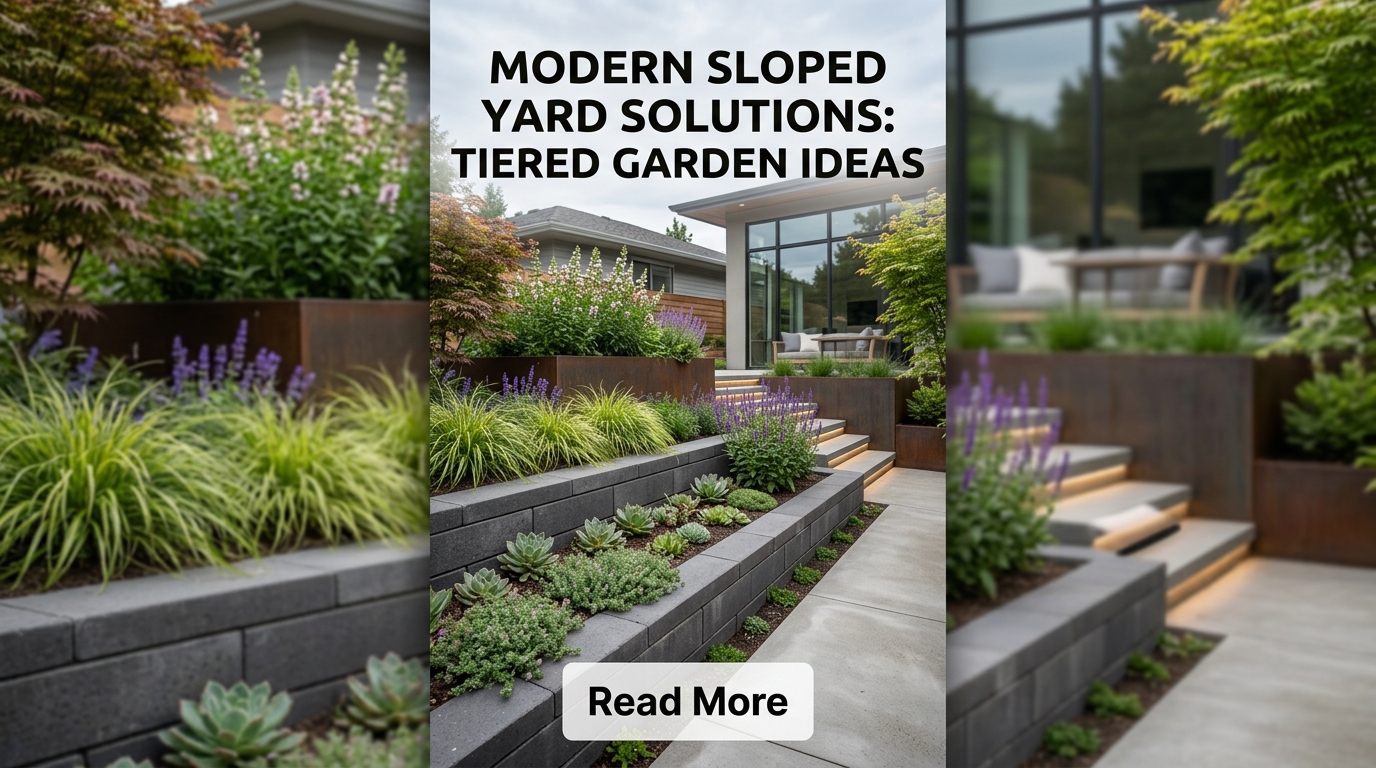
A tiered garden is one of the most effective ways to maximize space, add visual interest, and create a stunning landscape. Whether you have a sloped backyard, a small garden, or a large outdoor area, tiered garden ideas can help transform an ordinary space into a beautiful and organized retreat. By arranging plants, flowers, vegetables, and decorative features on multiple levels, a tiered garden creates depth and dimension that flat gardens often lack.
Homeowners and gardeners love tiered gardens because they combine practicality with aesthetics. They improve drainage, make maintenance easier, and allow you to grow a greater variety of plants within a limited space. From modern raised beds to rustic hillside terraces, there are countless ways to design a tiered garden that suits your style and needs.
This comprehensive guide explores the best tiered garden ideas, design styles, construction methods, plant selections, and maintenance tips to help you create a beautiful multi-level garden.
What Is a Tiered Garden?
A tiered garden is a garden design that uses multiple levels or layers to create separate planting areas. These levels can be built using retaining walls, raised beds, wooden structures, stone terraces, or other materials.
Tiered gardens are especially useful on sloped land because they help prevent soil erosion while creating usable planting space. However, they can also be incorporated into flat landscapes for decorative purposes.
The result is a structured garden that looks more dynamic and visually appealing than a traditional flat layout.
Benefits of Tiered Gardens
Tiered gardens offer many advantages beyond their attractive appearance.
One major benefit is improved use of space. By growing vertically instead of spreading plants across a single level, gardeners can maximize planting areas without requiring a larger footprint.
Tiered gardens also improve drainage. Excess water naturally flows from upper levels to lower sections, reducing the risk of waterlogging.
Maintenance becomes easier because raised levels reduce bending and kneeling. Many gardeners find tiered beds more comfortable to work with.
Additionally, tiered gardens create focal points and add architectural interest to the landscape, increasing the overall value and beauty of the property.
Tiered Raised Bed Garden
One of the most popular tiered garden ideas is the tiered raised bed design.
This layout uses multiple raised beds stacked at different heights. Each level can be dedicated to specific plants, creating a highly organized garden.
The upper levels are ideal for sun-loving vegetables and flowers, while lower levels can support shade-tolerant plants.
Tiered raised beds are perfect for growing herbs, vegetables, strawberries, and ornamental flowers.
Tiered Vegetable Garden
A tiered vegetable garden is a practical solution for maximizing harvests in small spaces.
The highest tier can be used for tall crops such as tomatoes, corn, or climbing beans. Medium-height vegetables like peppers and lettuce can occupy the middle level, while root crops and herbs thrive on lower tiers.
This arrangement ensures that all plants receive adequate sunlight without being shaded by taller crops.
A tiered vegetable garden also creates a neat and productive growing environment.
Hillside Terrace Garden
If your property has a slope, a hillside terrace garden is an excellent option.
Terraces are created using retaining walls that transform steep terrain into flat planting levels. These terraces help prevent erosion while making gardening easier and safer.
Stone, concrete blocks, timber, and brick are common materials used for terrace construction.
Terraced gardens can accommodate flowers, shrubs, vegetables, and even small trees.
Tiered Flower Garden
A tiered flower garden adds color and elegance to any landscape.
By arranging flowers according to height, you can create layers of blooms that remain visible from every angle.
Tall flowers such as sunflowers and hollyhocks work well on upper levels. Mid-height flowers like coneflowers and zinnias fit perfectly in the middle. Ground-cover flowers and trailing plants look beautiful on lower tiers.
This design creates a cascading effect that enhances visual impact throughout the growing season.
Tiered Herb Garden
Herbs are particularly well-suited to tiered garden designs.
A tiered herb garden allows easy access to cooking ingredients while creating an attractive display.
Popular herbs include:
- Basil
- Mint
- Rosemary
- Thyme
- Oregano
- Parsley
- Chives
Each herb can occupy its own section, making harvesting and maintenance simple.
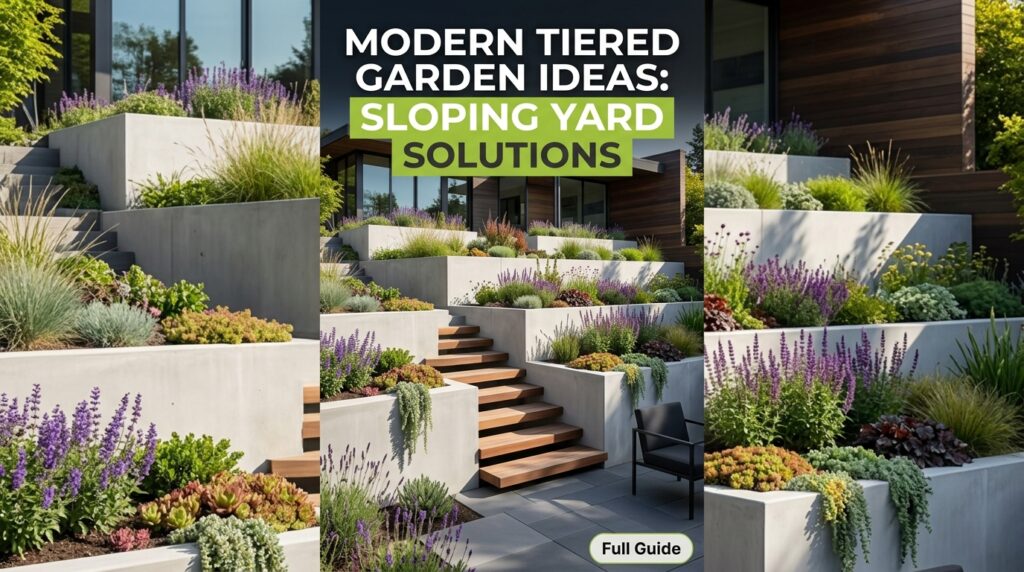
Modern Tiered Garden Design
Modern tiered gardens focus on clean lines, symmetry, and minimalist aesthetics.
Materials such as steel, concrete, and composite wood are commonly used to create sleek, geometric structures.
Plants are often arranged in organized patterns with carefully selected color palettes.
Modern tiered gardens work particularly well in contemporary landscapes and urban outdoor spaces.
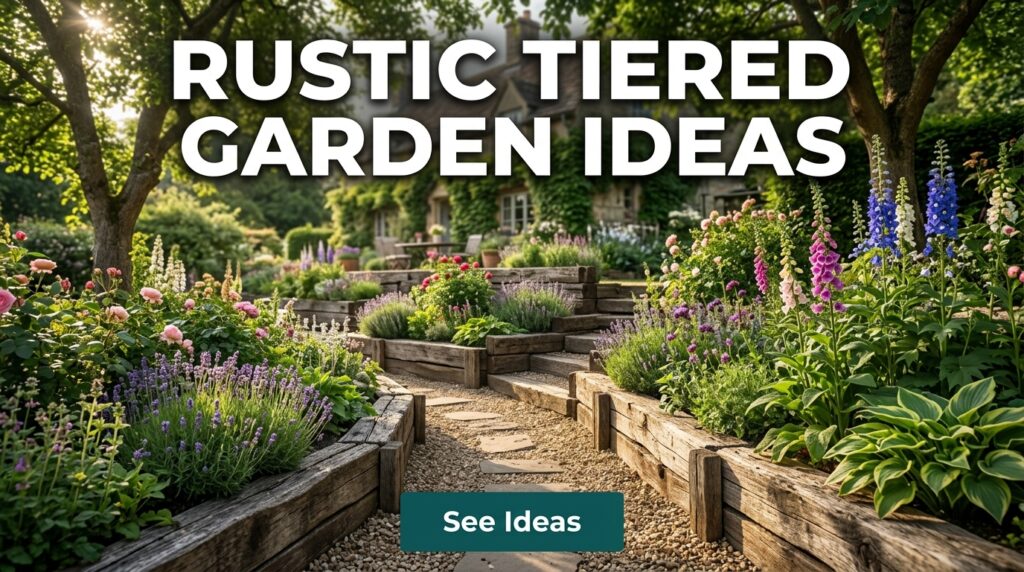
Rustic Tiered Garden Ideas
For a more natural appearance, rustic tiered gardens use materials such as reclaimed wood, natural stone, and weathered timber.
These gardens blend seamlessly with cottage-style landscapes and rural settings.
Rustic designs often incorporate wildflowers, herbs, and native plants to create a relaxed and charming atmosphere.
The weathered textures add character and authenticity to the garden.
Tiered Rock Garden
Rock gardens naturally lend themselves to tiered designs.
Large stones and boulders create distinct planting levels while providing excellent drainage.
Alpine plants, succulents, ornamental grasses, and drought-tolerant flowers thrive in rock gardens.
A tiered rock garden requires relatively little maintenance and provides year-round visual interest.
Tiered Garden Around a Patio
A tiered garden surrounding a patio creates a beautiful transition between living spaces and the landscape.
Raised levels frame seating areas and add privacy while enhancing the overall design.
Flowering plants, ornamental grasses, and small shrubs can soften hard surfaces and create a welcoming environment.
This layout is ideal for entertaining and outdoor relaxation.
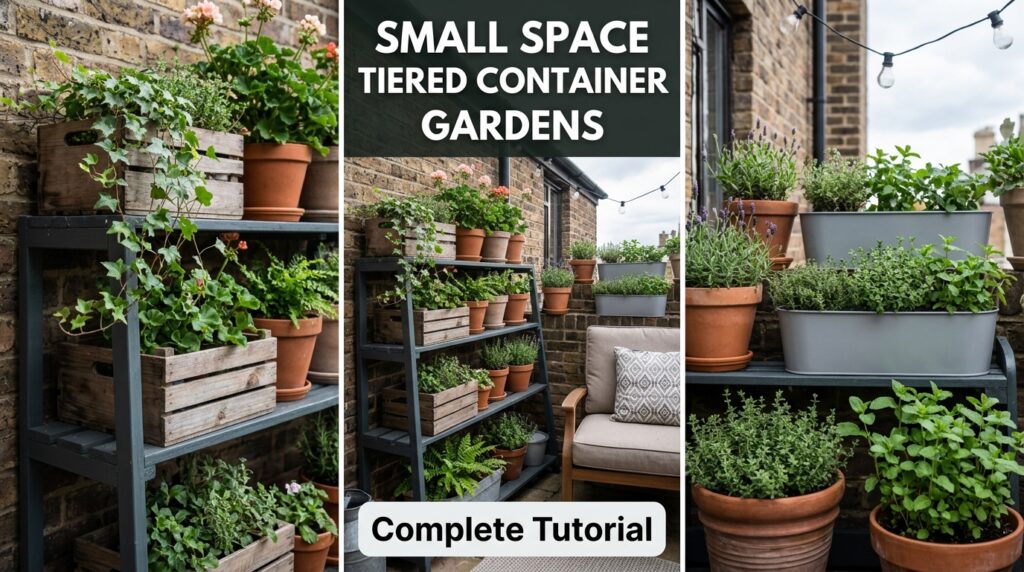
Tiered Container Garden
If permanent construction is not possible, a tiered container garden offers a flexible alternative.
Containers of different sizes can be arranged on shelves, stands, or stair-like structures to create multiple levels.
This approach is perfect for balconies, patios, and rental properties.
Containers can be easily rearranged as plant needs change throughout the seasons.
Best Plants for Tiered Gardens
Choosing the right plants is essential for success.
Upper Tiers
Upper levels typically receive the most sunlight and drainage.
Good choices include:
- Lavender
- Rosemary
- Tomatoes
- Sunflowers
- Succulents
Middle Tiers
Middle levels provide balanced growing conditions.
Ideal plants include:
- Peppers
- Lettuce
- Marigolds
- Coneflowers
- Basil
Lower Tiers
Lower levels often retain more moisture.
Suitable plants include:
- Ferns
- Hostas
- Mint
- Strawberries
- Ground covers
Materials for Building Tiered Gardens
Several materials can be used to create sturdy and attractive tiers.
Natural Stone
Natural stone offers timeless beauty and exceptional durability.
Timber
Wood is affordable, easy to work with, and suitable for both modern and rustic designs.
Concrete Blocks
Concrete blocks provide strength and longevity, especially for larger terraces.
Brick
Brick creates a classic and elegant appearance while offering excellent structural support.
Metal
Steel and metal edging provide a sleek, contemporary look for modern gardens.
Watering and Drainage Tips
Proper drainage is one of the greatest advantages of a tiered garden, but planning is still important.
Install irrigation systems that distribute water evenly across all levels.
Mulch helps retain moisture and reduces evaporation.
Ensure that lower tiers do not become waterlogged by providing adequate drainage channels.
Grouping plants with similar water requirements makes maintenance easier.
Maintenance Tips for Tiered Gardens
Tiered gardens are generally easy to maintain when designed properly.
Regularly inspect retaining walls and support structures for stability.
Prune plants to maintain shape and prevent overcrowding.
Remove weeds before they become established.
Refresh mulch annually to improve soil health and appearance.
Add compost regularly to replenish nutrients and support healthy growth.
Common Mistakes to Avoid
Many gardeners make mistakes when building tiered gardens.
Using weak retaining structures can lead to collapse over time.
Ignoring drainage may result in erosion or waterlogging.
Planting tall species on lower tiers can block sunlight from upper levels.
Overcrowding plants reduces airflow and increases disease risk.
Proper planning helps prevent these issues and ensures long-term success.
Final Thoughts
Tiered garden ideas offer endless possibilities for creating a beautiful, productive, and organized outdoor space. Whether you are working with a steep slope, a small backyard, or a large landscape, multiple levels can transform the way your garden looks and functions.
From tiered vegetable gardens and flower displays to modern raised beds and rustic hillside terraces, there is a design to suit every style and budget. By combining thoughtful planning, quality materials, and suitable plants, you can create a tiered garden that adds beauty, value, and enjoyment for years to come.
A well-designed tiered garden is more than just a landscaping feature—it is a creative way to make the most of your outdoor space while showcasing the natural beauty of plants at every level.