
 By John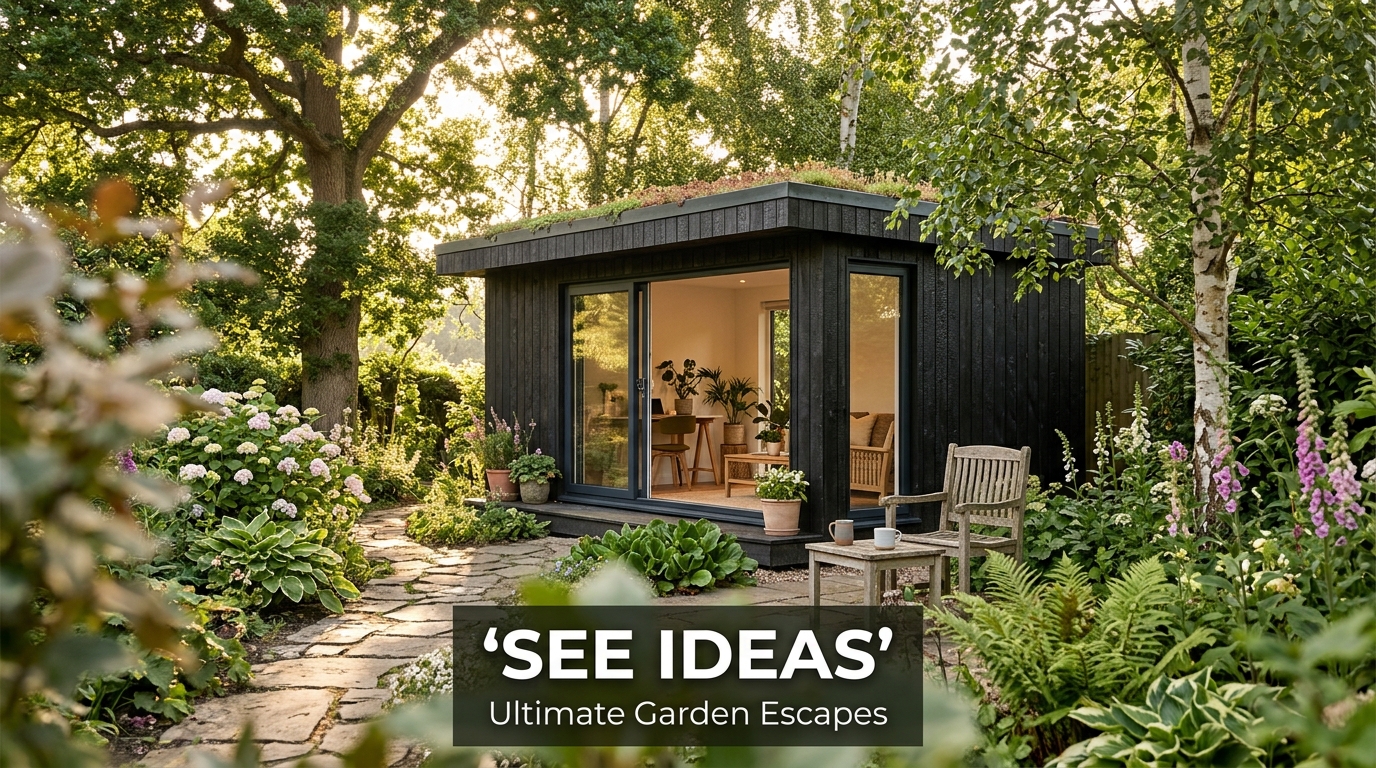
Garden buildings are versatile outdoor structures that enhance the beauty, functionality, and value of a property. Whether used as a home office, guest room, gym, workshop, studio, storage space, or relaxation retreat, garden buildings provide additional living space without the need for major home extensions. Modern garden buildings have evolved far beyond simple sheds, offering stylish designs, insulation, electricity, and year-round comfort.
As more homeowners seek flexible ways to expand their living areas, garden buildings have become one of the most popular landscaping and property improvement trends. Available in various sizes, styles, and purposes, these structures can transform unused outdoor areas into highly practical and attractive spaces.
This complete guide explores garden building types, design ideas, materials, benefits, planning considerations, and maintenance tips to help you choose the perfect outdoor structure.
What Are Garden Buildings?
Garden buildings are standalone structures located within a garden, backyard, or outdoor space. Unlike traditional storage sheds, modern garden buildings are designed for multiple purposes and often include features such as insulation, lighting, heating, windows, and finished interiors.
They can function as workspaces, entertainment rooms, guest accommodations, hobby areas, or simply peaceful retreats away from the main house.
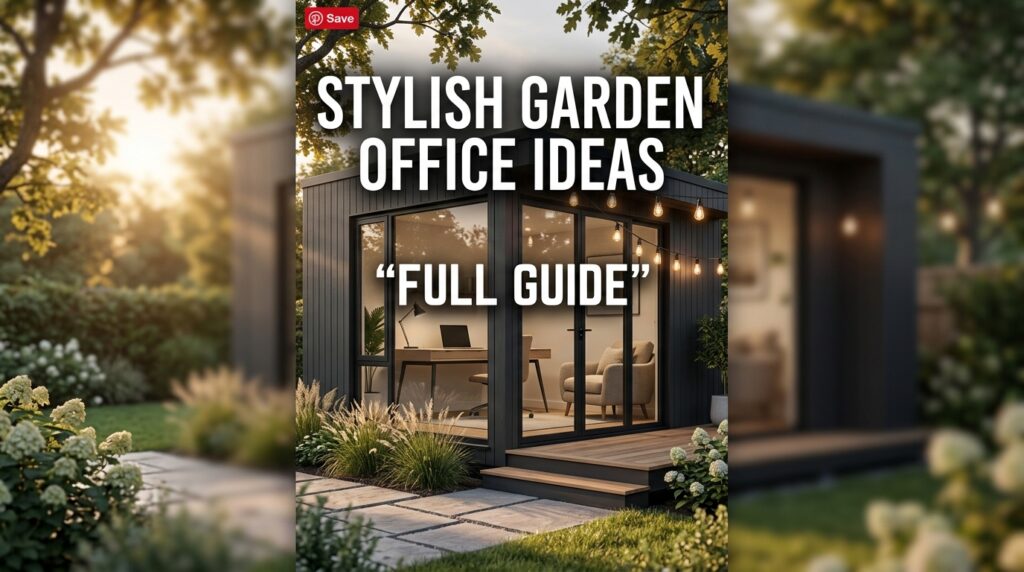
Garden buildings are available in many styles, from contemporary glass structures to rustic wooden cabins.
Why Garden Buildings Are So Popularn
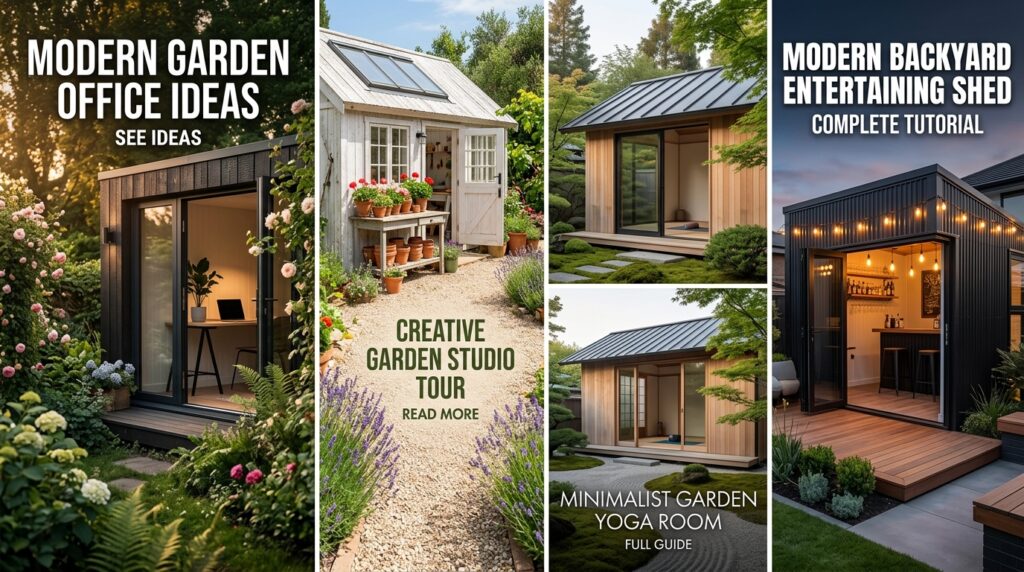
Garden buildings offer a practical solution for homeowners who need additional space without undertaking expensive construction projects.
They provide flexibility and can adapt to changing lifestyle needs.
Remote workers appreciate having a dedicated home office separate from household distractions.
Families benefit from extra recreational or guest space.
Garden buildings can also increase property value by adding usable square footage and enhancing outdoor appeal.
Benefits of Garden Buildings
There are many advantages to adding a garden building to your property.
Additional Living Space
Garden buildings provide extra room without extending the main house.
Increased Property Value
Well-designed outdoor structures often improve resale value.
Versatility
They can serve as offices, gyms, studios, guest rooms, or storage areas.
Connection to Nature
Large windows and garden views create a calming environment.
Cost-Effective Expansion
In many cases, garden buildings are more affordable than traditional home additions.
Types of Garden Buildings
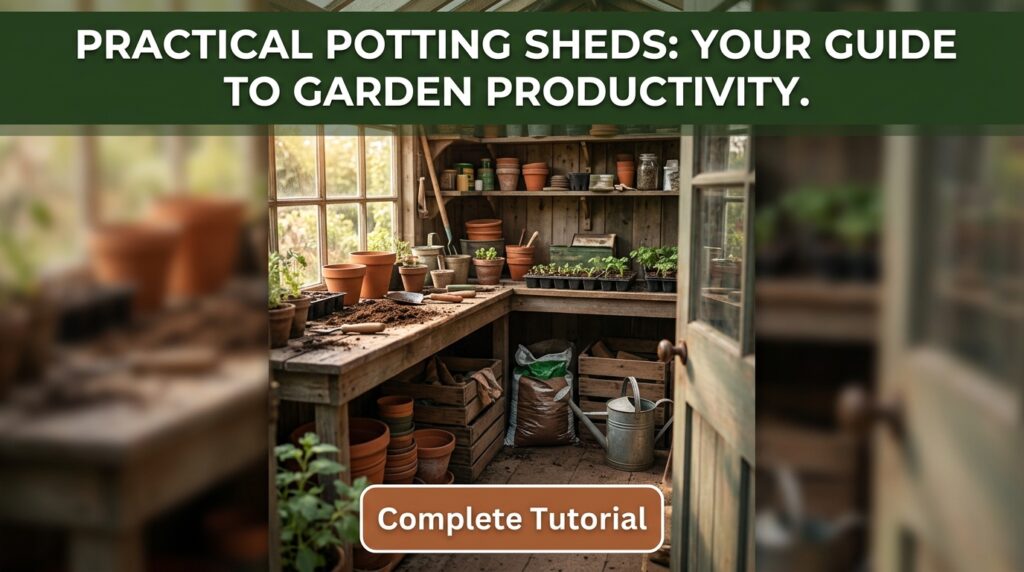
There are numerous garden building options to suit different needs and budgets.
Garden Offices
Garden offices have become increasingly popular due to remote and hybrid work arrangements.
They offer a quiet workspace separate from household activities.
Modern garden offices often include insulation, internet access, heating, and electrical outlets.
Garden Rooms
Garden rooms are versatile spaces designed for relaxation, hobbies, or entertainment.
They can be used as lounges, reading rooms, or family gathering areas.
Large windows help create a seamless connection between indoor and outdoor spaces.
Garden Studios
Artists, musicians, and creative professionals often choose garden studios.
These spaces provide privacy, inspiration, and dedicated work areas.
Natural light is particularly important in studio designs.
Garden Gyms
Home fitness enthusiasts can transform a garden building into a personal gym.
Equipment can be stored permanently, eliminating the need for gym memberships or commuting.
Proper ventilation and durable flooring are essential features.
Guest Houses
Larger garden buildings can function as guest accommodations.
These structures may include bedrooms, bathrooms, and small kitchen areas.
Guest houses provide privacy and comfort for visitors.
Workshops
DIY enthusiasts and craftsmen often use garden buildings as workshops.
Separate workspaces keep tools and projects organized while reducing noise inside the main home.
Modern Garden Building Designs
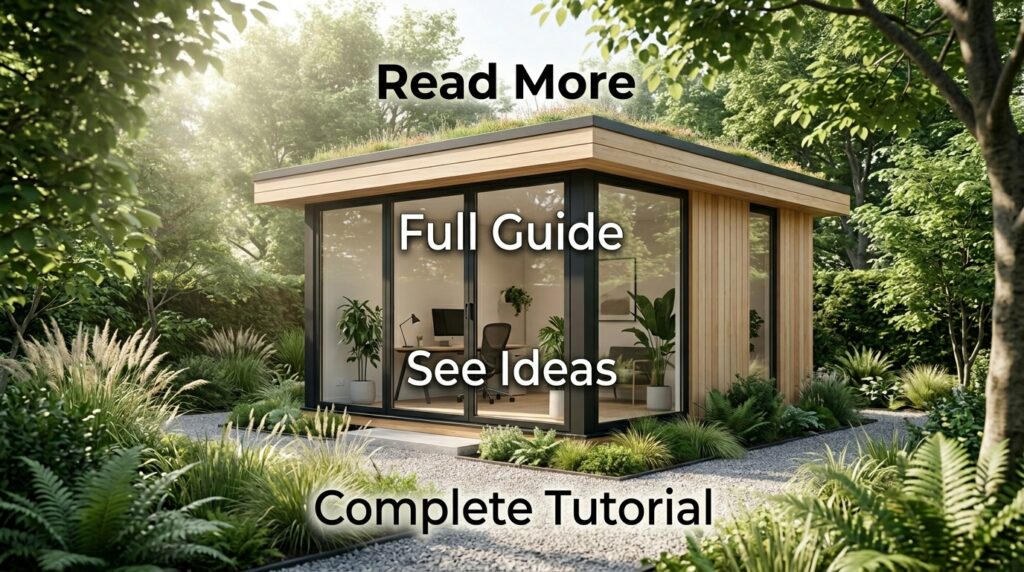
Modern garden buildings emphasize clean lines, minimalism, and functionality.
Large glass doors and floor-to-ceiling windows maximize natural light.
Flat roofs create a contemporary appearance.
Neutral color palettes and sleek materials complement modern architecture.
Smart technology integration is becoming increasingly common.
Traditional Garden Building Styles
Traditional garden buildings often feature classic wooden construction and pitched roofs.
These designs blend naturally into garden landscapes.
Decorative trim, shutters, and rustic finishes add charm and character.
Traditional styles are particularly popular in countryside and cottage gardens.
Best Materials for Garden Buildings
The choice of materials affects durability, appearance, and maintenance requirements.
Timber
Wood is one of the most popular materials due to its natural beauty and versatility.
It blends seamlessly into garden environments.
Metal
Metal structures offer durability and low maintenance.
They are commonly used for modern designs and storage buildings.
Composite Materials
Composite materials combine strength, insulation, and weather resistance.
They require minimal upkeep and provide excellent longevity.
Glass
Large glass panels maximize natural light and create strong connections with outdoor spaces.
Glass is often combined with timber or metal frames.
Interior Design Ideas for Garden Buildings
The interior should reflect the building’s intended purpose.
Comfortable furniture, effective lighting, and practical storage solutions improve functionality.
Natural materials such as wood and stone create warmth and character.
Indoor plants help strengthen the connection to the surrounding garden.
Neutral color schemes provide flexibility and timeless appeal.
Garden Building Lighting Ideas
Lighting is essential for usability and ambiance.
Natural light should be maximized through windows and skylights.
LED lighting offers energy efficiency and long lifespan.
Task lighting is important for offices and workshops.
Ambient lighting creates a welcoming atmosphere in relaxation spaces.
Heating and Insulation Considerations
Proper insulation allows year-round use.
Insulated walls, roofs, and floors help regulate temperature.
Double-glazed windows improve energy efficiency.
Heating options include electric radiators, underfloor heating, and infrared panels.
Well-insulated garden buildings remain comfortable in all seasons.
Garden Building Landscaping Ideas
The surrounding landscape significantly affects the overall appearance.
Pathways create easy access and define the building’s location.
Flower beds soften the structure and integrate it into the garden.
Climbing plants add natural beauty and visual interest.
Outdoor seating areas extend functionality beyond the building itself.
Small Garden Building Ideas
Even compact gardens can accommodate useful structures.
Small offices, reading rooms, or hobby spaces maximize available space.
Multi-functional furniture helps increase usability.
Vertical storage solutions reduce clutter.
Compact garden buildings can have a surprisingly large impact on lifestyle and property value.
Budget-Friendly Garden Building Ideas
Not all garden buildings require a significant investment.
Prefabricated kits often cost less than custom-built structures.
Simple designs reduce construction expenses.
DIY finishing projects can save money while adding personal touches.
Starting with a basic structure allows future upgrades as budget permits.
Planning and Permission Considerations
Regulations vary depending on location.
Many small garden buildings can be constructed without full planning permission, but local requirements should always be checked.
Building size, height, location, and intended use may affect regulations.
Compliance with local building codes ensures safety and legality.
Common Mistakes to Avoid
Avoid choosing a building that is too small for future needs.
Do not overlook insulation if year-round use is planned.
Avoid poor placement that blocks sunlight or garden views.
Do not neglect electrical and internet requirements.
Ensure the design complements the style of your home and landscape.
Maintenance Tips for Garden Buildings
Regular maintenance extends the lifespan of the structure.
Inspect roofs, walls, and foundations for signs of wear.
Clean windows and gutters periodically.
Repaint or reseal timber surfaces as needed.
Check insulation, heating systems, and electrical components regularly.
Routine care helps preserve both appearance and functionality.
Environmental Benefits of Garden Buildings
Garden buildings can support sustainable living.
They reduce commuting when used as home offices.
Energy-efficient designs minimize environmental impact.
Natural lighting reduces electricity consumption.
Eco-friendly materials and green roofing systems further enhance sustainability.
Future Trends in Garden Buildings
Garden buildings continue to evolve with changing lifestyles.
Smart technology integration is becoming more common.
Multi-purpose spaces are increasingly popular.
Sustainable construction materials are gaining attention.
Flexible designs allow structures to adapt to different uses over time.
These trends ensure garden buildings remain practical and relevant for modern homeowners.
Final Thoughts
Garden buildings are one of the most effective ways to expand living space while enhancing the beauty and functionality of outdoor areas. Whether you need a home office, creative studio, gym, guest room, or peaceful retreat, a well-designed garden building provides endless possibilities.
With careful planning, quality materials, and thoughtful landscaping, a garden building can become a valuable extension of your home that improves both lifestyle and property value. From compact backyard offices to luxurious garden rooms, these versatile structures offer practical solutions for modern living while maintaining a strong connection to nature.
A thoughtfully designed garden building is more than just an outdoor structure—it is an investment in comfort, flexibility, and the long-term enjoyment of your home and garden.