
 By John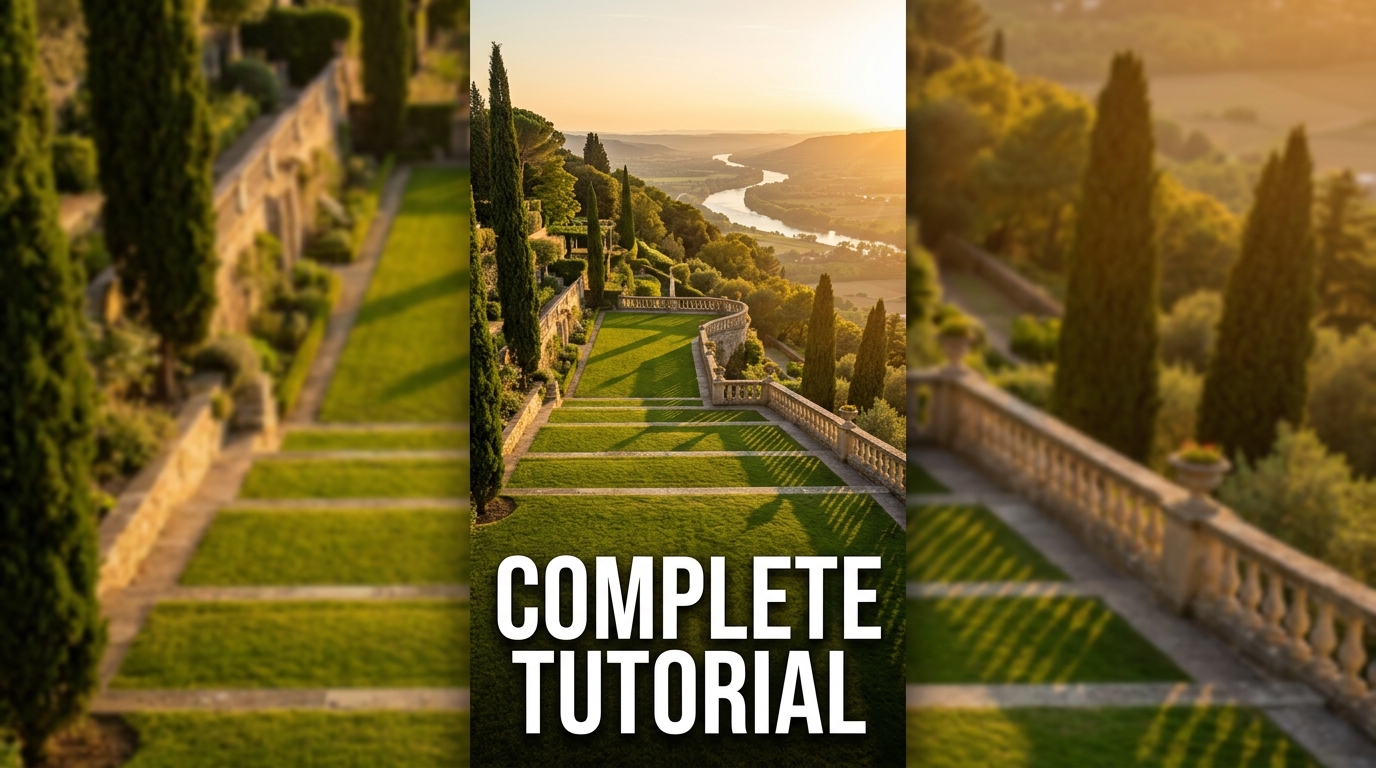
A formal garden is a carefully structured landscape characterized by symmetry, geometric shapes, organized planting, clipped hedges, defined pathways, and architectural features. Unlike informal gardens that embrace natural-looking arrangements, formal gardens use deliberate lines, repetition, balance, and carefully maintained details to create an elegant outdoor environment.
Formal garden design can range from grand estate landscapes inspired by historic European gardens to simple modern layouts suitable for a small backyard. With the right combination of hedges, flowers, paving, trees, containers, and focal points, you can create a sophisticated garden at almost any scale.
What Is a Formal Garden?
A formal garden is a landscape designed around order, proportion, symmetry, and clearly defined geometry.
Common elements include:
- Symmetrical planting beds
- Geometric lawns
- Clipped hedges
- Straight pathways
- Formal borders
- Ornamental trees
- Fountains
- Statues
- Stone walls
- Decorative gates
- Structured flower beds
The overall appearance is intentional and balanced.
Characteristics of a Formal Garden
Symmetry
One of the most recognizable features is balanced design. Planting beds, paths, trees, and architectural features may be mirrored around a central axis.
Geometric Shapes
Squares, rectangles, circles, and carefully defined curves provide structure.
Repetition
Repeating the same plants, materials, or shapes creates visual consistency.
Strong Focal Points
A fountain, statue, tree, pavilion, or other architectural feature can anchor the design.
Defined Boundaries
Hedges, walls, edging, and pathways clearly separate different garden areas.
Benefits of a Formal Garden

A formal garden can:
- Create an elegant appearance
- Improve visual organization
- Complement traditional architecture
- Define outdoor rooms
- Create strong focal points
- Add a sense of grandeur
- Work in both large and small landscapes
The tradeoff is that formal gardens often require more regular maintenance than informal landscapes.
1. Traditional Formal Garden
A traditional formal garden uses strong symmetry and classic landscaping materials.
Combine:
- Clipped hedges
- Geometric flower beds
- Stone paths
- Ornamental trees
- A central fountain
Keep the planting scheme controlled and repeat important elements throughout the garden.
2. Small Formal Garden
You don’t need a large estate to create a formal garden.
A small courtyard or backyard can use:
- Symmetrical planters
- Low hedges
- A central container
- Straight pathways
- Repeated flowers
Keep the number of features limited so the space doesn’t feel crowded.
3. Formal Front Garden

A formal front garden can create a polished entrance.
Use matching planting beds on both sides of:
- A front path
- Steps
- A doorway
- A driveway
Repeat shrubs and flowers to establish symmetry.
4. Formal Backyard Garden
A backyard can be divided into geometric outdoor rooms.
Create separate zones for:
- Dining
- Seating
- Lawn
- Planting
- Entertaining
Use hedges, paths, or low walls to define each section.
5. Formal Courtyard Garden
Courtyards naturally lend themselves to formal design.
Use:
- Symmetrical containers
- Stone paving
- A central fountain
- Clipped shrubs
- Architectural plants
Keep the design proportional to the courtyard.
6. Formal Garden With Hedges
Hedges are essential structural elements in many formal gardens.
They can:
- Define borders
- Frame pathways
- Create rooms
- Provide privacy
- Highlight focal points
Choose plants according to climate, mature size, and pruning requirements.
7. Formal Garden With Boxwood
Boxwood is traditionally associated with formal garden edging and topiary.
Use it to create:
- Low borders
- Parterres
- Geometric shapes
- Topiary forms
In areas where boxwood pests or diseases are problematic, consider suitable alternatives.
8. Formal Garden With Topiary
Topiary adds sculptural interest.
Plants can be clipped into:
- Balls
- Cones
- Spirals
- Columns
- Other geometric forms
Topiary requires regular trimming to maintain its shape.
9. Formal Garden With Fountain
A fountain can serve as the central focal point.
Place it at the intersection of major pathways or in the center of a symmetrical layout.
Select a fountain whose scale matches the garden.
10. Formal Garden With Statue
A statue can provide a strong visual anchor.
Position it carefully so it aligns with pathways, views, or important architectural features.
Use one or a small number of statues rather than excessive ornamentation.
11. Formal Garden With Pathways
Formal pathways are typically straight, clearly defined, and carefully aligned.
Popular materials include:
- Stone
- Brick
- Gravel
- Pavers
- Concrete
Repeat the same material where possible for consistency.
12. Formal Garden With Central Axis
A central axis can organize the entire landscape.
Create a strong line from:
- The house
- Through the garden
- Toward a focal point
The focal point might be a fountain, statue, tree, gate, or distant view.
13. Formal Parterre Garden
A parterre is a highly structured ornamental planting design with geometric patterns.
Use low hedges to outline:
- Scrolls
- Diamonds
- Squares
- Curves
- Repeating motifs
Fill sections with flowers, gravel, or low foliage.
14. French Formal Garden
French-inspired formal gardens often emphasize strong geometry, symmetry, long views, clipped hedges, and expansive structured planting.
Use:
- Parterres
- Long avenues
- Formal lawns
- Hedges
- Fountains
- Statues
This style works particularly well around architecture with strong symmetrical lines.
15. Italian Formal Garden
Italian-inspired gardens often combine geometry with stone architecture.
Include:
- Terraces
- Cypress-like vertical forms
- Stone walls
- Fountains
- Statues
- Gravel paths
- Structured hedges
Adapt plant choices to your local climate.
16. English Formal Garden
An English formal garden can combine geometric structure with lush planting.
Use:
- Symmetrical borders
- Clipped hedges
- Roses
- Lawns
- Stone paths
- Ornamental trees
The result can be structured without feeling overly rigid.
17. Formal Rose Garden
Roses can be organized into symmetrical beds.
Create repeated planting groups and use low hedges or edging to define each section.
Consider fragrance, flower color, mature size, and maintenance requirements.
18. Formal White Garden
A monochromatic white garden can feel elegant and sophisticated.
Combine white flowers with:
- Green hedges
- Silver foliage
- Pale stone
- Dark green shrubs
Use foliage texture to maintain interest between flowering periods.
19. Formal Blue and White Garden
Blue and white planting can provide a classic appearance.
Use blue flowers repeatedly through geometric beds and combine them with white blooms and clipped greenery.
20. Formal Rose and Boxwood Garden
Roses and low evergreen edging create a timeless combination.
Use boxwood or suitable alternatives to outline rose beds.
Maintain enough space for airflow and access around the roses.
21. Formal Garden With Lawn
A perfectly maintained lawn can act as an important visual element.
Use the lawn as:
- A central rectangle
- A framed axis
- A pathway
- A contrast against flower beds
Keep edges crisp for a polished appearance.
22. Formal Garden With Gravel
Gravel provides a low-maintenance alternative to some lawn and paving areas.
Use it for:
- Paths
- Courtyards
- Seating areas
- Decorative beds
Choose an appropriate aggregate and install suitable edging to maintain clean boundaries.
23. Formal Garden With Stone Walls
Stone walls can define garden rooms and create strong architectural structure.
Use them to:
- Frame entrances
- Support terraces
- Separate planting zones
- Create seating
- Define boundaries
Ensure retaining walls are properly designed for soil and drainage loads.
24. Formal Garden With Pergola
A pergola can mark a transition between garden spaces.
Use it to frame:
- A pathway
- A seating area
- A garden entrance
- A view
Climbing plants can soften the structure while maintaining the underlying geometry.
25. Formal Garden With Trees
Trees can reinforce symmetry and provide vertical structure.
Plant matching trees on either side of:
- A path
- Entrance
- Lawn
- Central axis
Select species based on mature size and local conditions.
26. Formal Garden With Topiary Trees
Topiary trees can become sculptural focal points.
Use matching shapes to reinforce symmetry or one carefully chosen specimen as an accent.
Keep pruning requirements in mind before choosing the plant.
27. Formal Garden With Containers
Containers can provide symmetry in areas where permanent planting isn’t possible.
Use matching pots on either side of:
- Doorways
- Steps
- Gates
- Pathways
Choose containers proportional to the architecture.
28. Modern Formal Garden
A contemporary formal garden can combine geometry with minimalist materials.
Try:
- Concrete
- Steel
- Gravel
- Repeated grasses
- Linear hedges
- Geometric paving
Keep the palette simple and the lines crisp.
29. Formal Garden With Water Feature
Water can provide movement and sound while reinforcing symmetry.
Options include:
- Fountains
- Reflecting pools
- Rectangular ponds
- Rills
- Small formal basins
Use appropriate waterproofing, drainage, and electrical safety measures.
30. Formal Garden With Seating
Place benches or chairs along major axes or at focal points.
Symmetrical seating arrangements can reinforce the overall design.
Leave sufficient space for comfortable circulation.
31. Formal Garden With Outdoor Dining
A formal dining area can be positioned on a terrace or central lawn.
Use matching furniture and define the dining zone with:
- Paving
- Hedges
- Containers
- Pergolas
Choose outdoor furniture appropriate for the climate.
32. Formal Garden With Lighting
Lighting can emphasize the garden’s geometry after sunset.
Highlight:
- Hedges
- Pathways
- Trees
- Fountains
- Statues
- Architectural features
Use outdoor-rated fixtures and professional installation for hardwired electrical systems.
33. Formal Garden for a Large Yard
Large gardens provide opportunities for long symmetrical views.
Create:
- Central avenues
- Large parterres
- Formal lawns
- Tree-lined paths
- Multiple garden rooms
Use repeated elements to connect distant areas.
34. Formal Garden for a Small Yard
Small gardens require restraint.
Focus on one main axis and one strong focal point.
A small fountain, central tree, or symmetrical planting arrangement can provide enough structure without overcrowding the garden.
35. Formal Garden on a Slope
Terracing can create a formal appearance on sloped land.
Use:
- Retaining walls
- Steps
- Terraces
- Repeated planting
- Geometric beds
Professional structural design may be necessary for significant retaining walls.
36. Formal Garden With Raised Beds
Raised beds can create precise geometric forms.
Use rectangular or square beds separated by paths.
Keep the layout symmetrical and allow enough room for maintenance.
37. Formal Garden With Vegetable Beds
Even edible gardens can be formal.
Arrange vegetables and herbs in geometric beds with clear pathways.
Use repeated crops and neat edging to maintain the structured appearance.
38. Formal Garden With Herbs
Herbs can be planted in symmetrical patterns.
Try:
- Rosemary
- Thyme
- Sage
- Lavender
- Oregano
Choose plants suitable for the local climate and maintain clear borders.
Formal Garden Layout Ideas
Central Axis Layout
Create one strong line from the home to a focal point.
Four-Quadrant Layout
Divide the garden into four symmetrical beds.
Parterre Layout
Use low hedges to create decorative geometric patterns.
Courtyard Layout
Center a fountain, tree, or container arrangement within a paved space.
Long-Avenue Layout
Use repeated trees or hedges to frame a central pathway.
Best Plants for a Formal Garden
Formal gardens often benefit from plants that respond well to pruning and maintain a predictable shape.
Useful categories include:
- Evergreen hedges
- Boxwood or suitable alternatives
- Yew
- Privet
- Clipped shrubs
- Roses
- Lavender
- Ornamental grasses
- Topiary plants
- Small ornamental trees
Plant suitability depends on climate, soil, disease pressure, mature size, and maintenance requirements.
How to Design a Formal Garden
Step 1: Establish the Main Axis
Identify the central visual line of the garden.
Step 2: Create Symmetry
Place major features in balanced positions.
Step 3: Define Garden Rooms
Use hedges, paths, walls, or edging.
Step 4: Add the Main Focal Point
Choose a fountain, statue, tree, pavilion, or other feature.
Step 5: Build the Planting Framework
Plant hedges, shrubs, and trees first.
Step 6: Add Flower Beds
Use repeated colors and plant varieties.
Step 7: Install Paths
Choose materials that complement the architecture.
Step 8: Add Decorative Features
Introduce containers, sculptures, benches, or lighting carefully.
Step 9: Maintain the Geometry
Regular pruning, edging, and cleaning will preserve the formal appearance.
Formal Garden Maintenance
Formal gardens generally require consistent maintenance.
Tasks include:
- Hedge trimming
- Topiary pruning
- Lawn edging
- Weed control
- Path cleaning
- Deadheading
- Seasonal planting
- Fountain maintenance
- Removing fallen leaves
Regular maintenance is essential because untidy edges and overgrown plants can quickly weaken the garden’s structured appearance.
Common Formal Garden Mistakes
Ignoring Scale
A tiny garden cannot comfortably accommodate an oversized fountain or large parterre.
Using Too Many Features
Too many focal points can weaken the visual hierarchy.
Poor Symmetry
Uneven spacing or mismatched plants can make the design appear accidental.
Choosing High-Maintenance Plants Without Planning
Formal hedges and topiary can require frequent pruning.
Blocking Pathways
Keep paths open and clearly defined.
Ignoring Drainage
Geometric beds and paved areas still need appropriate drainage.
Frequently Asked Questions
What makes a garden formal?
Symmetry, geometric layouts, repeated planting, clipped hedges, structured pathways, and architectural focal points are common characteristics.
What plants are best for formal gardens?
Evergreen hedges, clipped shrubs, roses, lavender, topiary plants, and suitable ornamental trees are popular choices.
Is a formal garden high maintenance?
It can be. Hedges, topiary, lawns, and geometric beds often require regular trimming and upkeep.
Can a small garden be formal?
Yes. Use a simple symmetrical layout, a limited plant palette, and one strong focal point.
What is the difference between a formal and informal garden?
Formal gardens emphasize order, symmetry, geometry, and structure, while informal gardens generally use more relaxed planting arrangements and natural-looking shapes.
Conclusion
A formal garden combines symmetry, geometry, repetition, and carefully maintained planting to create an elegant outdoor space. From French-inspired parterres and Italian-style courtyards to modern geometric gardens and small symmetrical front yards, the style can be adapted to many properties.
Start by establishing a clear axis and simple layout. Add structured hedges, repeated plants, defined pathways, and one or two focal points. With thoughtful planning and consistent maintenance, a formal garden can provide timeless beauty and a strong connection between architecture and landscape.