 By John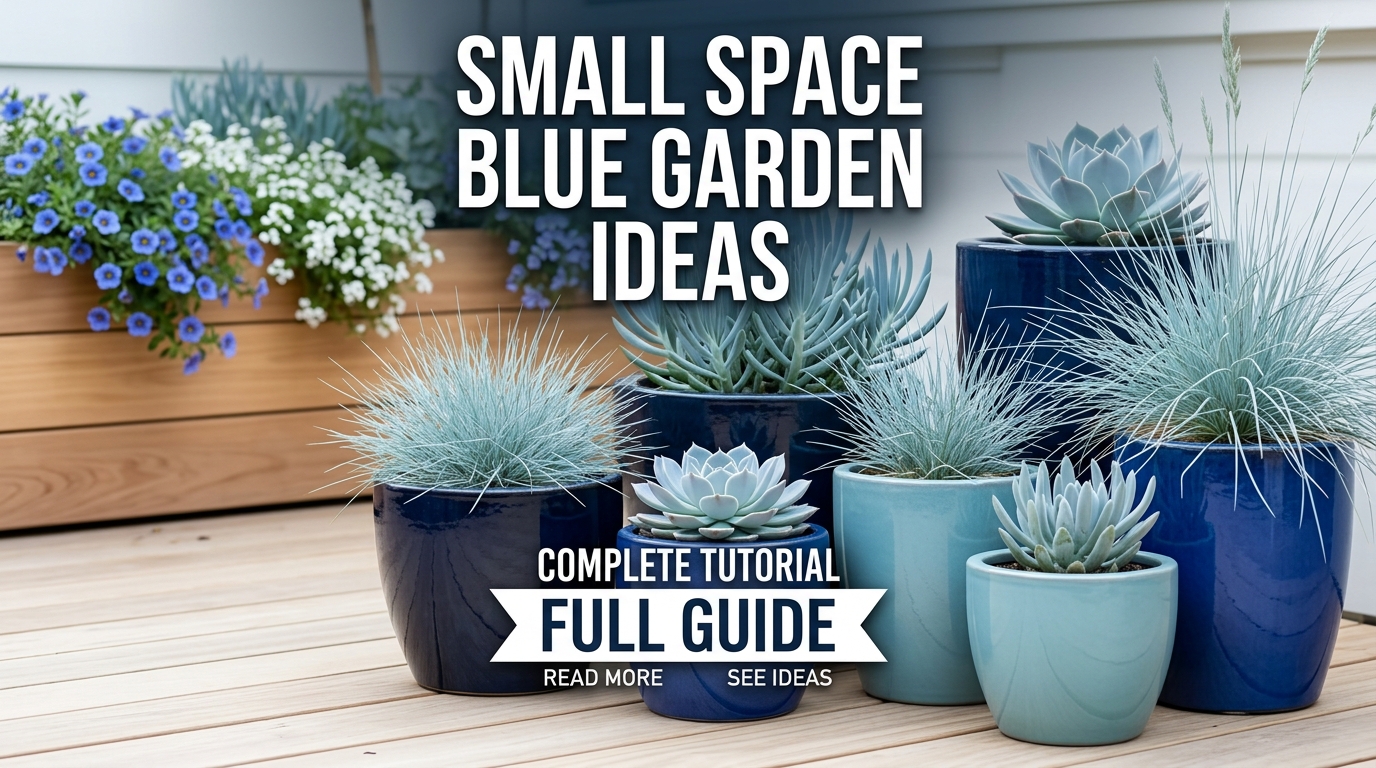
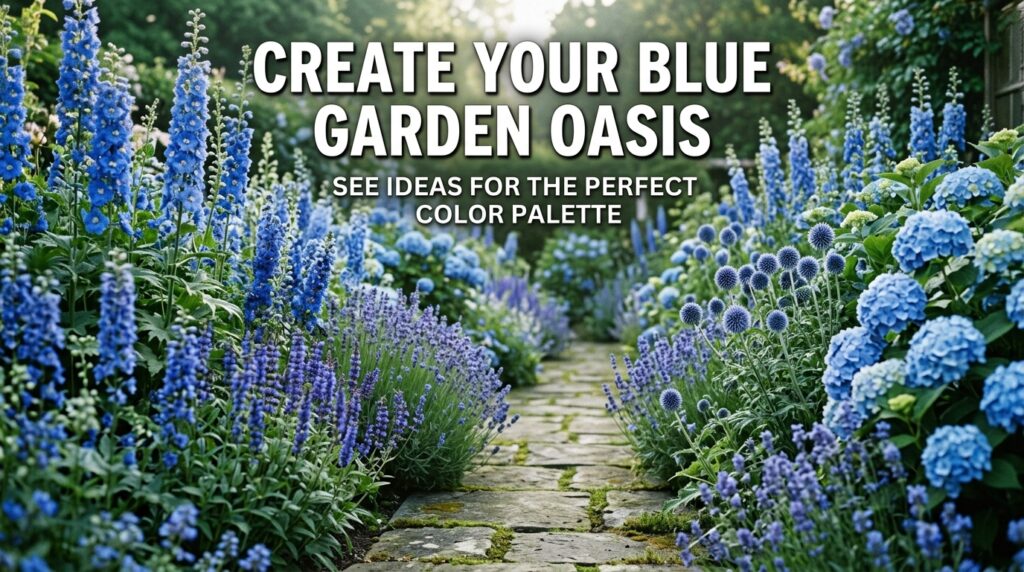
A blue garden is a peaceful and elegant outdoor space built around blue flowers, blue-green foliage, silver plants, and complementary colors. Blue is naturally calming and can make a garden feel fresh, sophisticated, and visually spacious.
From deep navy-blue blooms to soft powder-blue flowers, a blue garden can take many forms. You can create a full monochromatic landscape or simply add blue flowers to existing beds, containers, borders, and pathways.
Whether you have a small courtyard, front yard, backyard, cottage garden, or modern landscape, blue planting can create a distinctive outdoor retreat.
What Is a Blue Garden?
A blue garden is a landscape design that emphasizes blue-colored flowers and foliage as a major part of the planting palette.
Common features include:
- Blue flowering plants
- Blue-green foliage
- Silver-leaved plants
- White flowers
- Purple accents
- Natural stone
- Blue containers
- Gravel pathways
The goal is to create harmony through repeated colors, textures, and plant forms.
Benefits of a Blue Garden
A blue garden can:
- Create a calming atmosphere
- Add an elegant color scheme
- Make compact spaces feel more open
- Complement silver and green foliage
- Work with modern or traditional landscapes
- Provide seasonal flower color
- Create attractive container displays
Blue can be especially effective when paired with white, silver, soft green, or carefully selected purple flowers.
1. Blue Flower Garden
A traditional blue flower garden can combine several shades of blue.
Use flowers with different:
- Heights
- Bloom periods
- Shapes
- Textures
Repeat a few key plants rather than using too many unrelated varieties.
2. Small Blue Garden
A compact garden can make a strong impact with a limited number of plants.
Use:
- Blue containers
- Small flowering plants
- Silver foliage
- Pale gravel
- White accents
Keep the color palette controlled to avoid making the small space feel cluttered.
3. Blue Cottage Garden
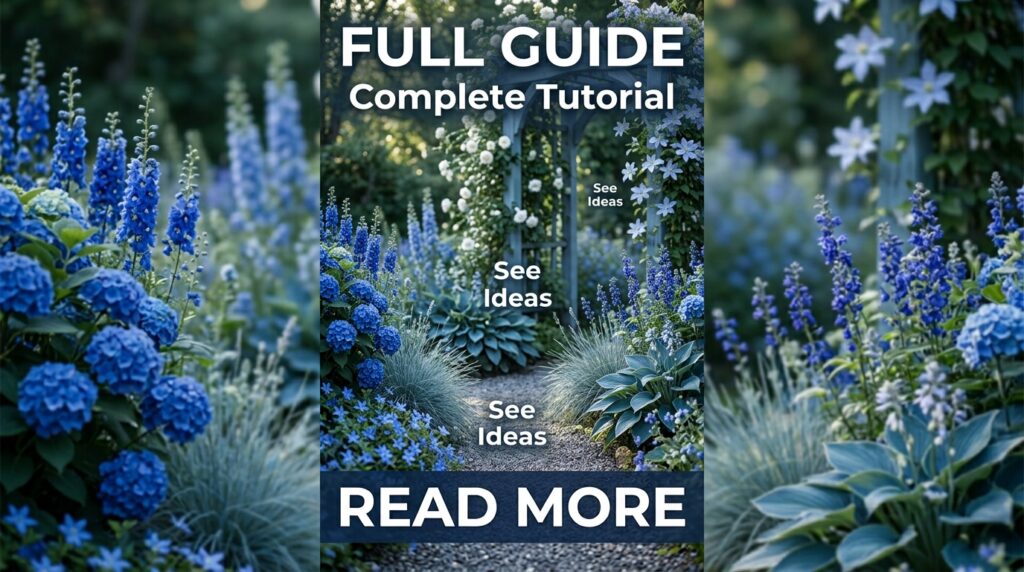
A cottage garden can incorporate blue flowers into a relaxed, informal planting scheme.
Combine blue blooms with:
- Roses
- White flowers
- Lavender
- Green foliage
- Natural stone
Allow plants to overlap naturally while keeping paths accessible.
4. Blue and White Garden
Blue and white are a classic garden combination.
Use white flowers to brighten deeper blue blooms.
Possible combinations include:
- Blue flowers with white daisies
- Blue salvia with white alyssum
- Blue hydrangeas with white flowering shrubs
- Blue containers with white blooms
Repeat both colors throughout the garden for consistency.
5. Blue and Purple Garden
Blue and purple flowers can create a rich, romantic palette.
Use lighter blue flowers as transitions between deep purple and green foliage.
This combination works well in cottage-inspired and informal gardens.
6. Blue and Green Garden
Pair blue flowers with different shades of green foliage.
Use:
- Dark green shrubs
- Blue-green grasses
- Soft green perennials
- Blue flowering plants
Vary leaf shapes to create interest even when flowers aren’t blooming.
7. Blue and Silver Garden
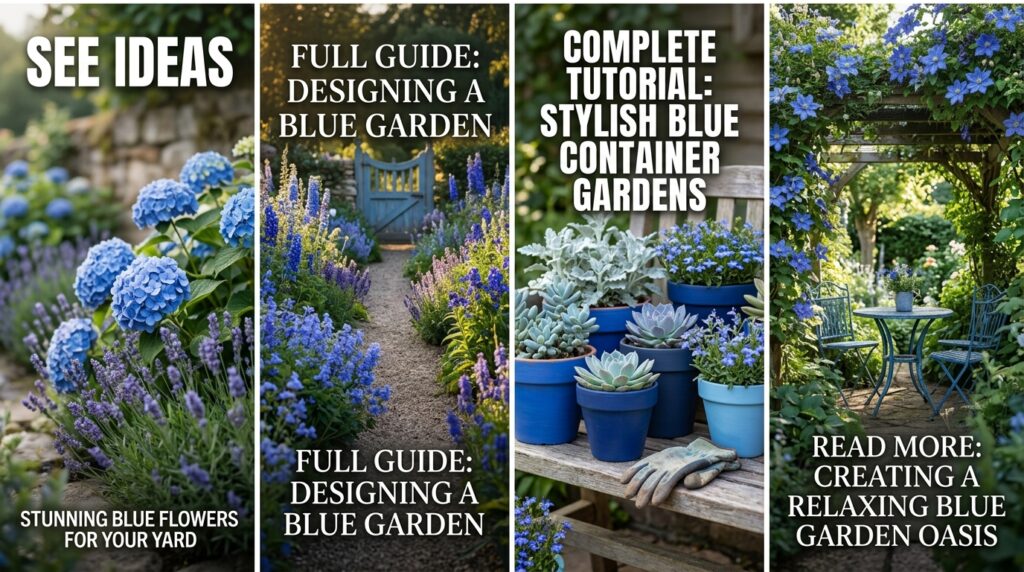
Silver foliage can enhance blue flowers beautifully.
Consider plants with:
- Silvery leaves
- Gray-green foliage
- Fine textures
- Soft forms
Silver and blue together create a cool, sophisticated landscape.
8. Modern Blue Garden
A modern blue garden benefits from repetition and clean structure.
Use:
- Geometric beds
- Gravel
- Architectural plants
- Repeated blue flowers
- Minimal garden furniture
Keep the planting palette relatively restrained.
9. Blue Front Yard Garden
A blue flower border can create a welcoming entrance.
Plant blue flowers around:
- Walkways
- Steps
- Porch areas
- Driveways
- Entry gates
Keep plants low enough to maintain visibility and access.
10. Blue Backyard Garden
A backyard blue garden can become a relaxing retreat.
Add:
- Blue flower beds
- Comfortable seating
- Gravel paths
- Containers
- Soft garden lighting
Use taller plants around the edges and lower flowers near seating areas.
11. Blue Garden Border
A narrow blue flower border can brighten a walkway or fence line.
Layer plants by mature height and repeat the same blue shades throughout the bed.
Leave sufficient space between the plants and hardscape.
12. Blue Garden With Hydrangeas
Blue hydrangeas can create a dramatic focal point in suitable growing conditions.
Their flower color can be influenced by soil chemistry in certain hydrangea types, so results may vary.
Give hydrangeas enough space for their mature size and provide appropriate moisture and light.
13. Blue Garden With Delphiniums
Delphiniums can provide tall vertical spikes of blue flowers.
They can work beautifully toward the back of a flower border.
Support tall varieties where needed and choose cultivars appropriate for your climate.
14. Blue Garden With Bluebells
Bluebells can create a naturalistic woodland-inspired display where suitable.
Plant choices should be based on the species available in your region, as some bluebell types can spread aggressively.
15. Blue Garden With Lavender
Lavender adds soft blue-purple flowers and aromatic foliage.
It works well with:
- Gravel
- Stone
- White flowers
- Silver foliage
- Mediterranean-style planting
Provide the excellent drainage and sunlight that lavender typically requires.
16. Blue Garden With Salvia
Blue salvia varieties can add long-lasting color and vertical interest.
Use them in:
- Flower borders
- Pollinator gardens
- Cottage gardens
- Containers
Select varieties based on your climate and available space.
17. Blue Garden With Cornflowers
Cornflowers can add bright blue flowers to informal or wildflower-inspired gardens.
They can work particularly well alongside white and soft pink flowers.
Choose suitable varieties and growing conditions for your region.
18. Blue Garden With Forget-Me-Nots
Forget-me-nots can provide delicate blue flowers.
They are especially attractive in cottage and woodland-inspired settings.
Check local growing behavior because some varieties can self-seed readily.
19. Blue Garden With Morning Glory
Morning glory can create a dramatic vertical display.
Provide a strong support structure and check whether the chosen species is appropriate for your local climate and growing conditions.
Some varieties can spread aggressively.
20. Blue Garden With Agapanthus
Agapanthus can provide rounded clusters of blue or blue-purple flowers.
It can be especially effective in sunny landscapes with suitable drainage.
Use compact cultivars for smaller gardens.
21. Blue Garden With Iris
Blue iris varieties provide architectural foliage and elegant flowers.
Plant them where their sunlight and moisture requirements can be met.
Use repeated clumps to create a cohesive display.
22. Blue Garden With Potted Flowers
Containers make it easy to introduce blue flowers into patios, balconies, and small gardens.
Combine:
- Blue flowers
- Silver foliage
- White blooms
- Blue ceramic pots
Use containers with adequate drainage.
23. Blue Container Garden
A monochromatic container arrangement can create a strong visual statement.
Mix different plant heights and textures while keeping the color scheme consistent.
Group containers in odd-numbered clusters for a relaxed composition.
24. Blue Balcony Garden
A balcony can use blue flowers to create a peaceful miniature garden.
Consider:
- Window boxes
- Hanging baskets
- Compact containers
- Vertical planters
Check weight limits and secure containers against wind.
25. Blue Vertical Garden
Vertical planting is useful for small outdoor spaces.
Use suitable wall-mounted containers or trellises for blue flowering plants.
Ensure irrigation and drainage are managed properly.
26. Blue Rock Garden
Combine blue flowers with rocks, gravel, and drought-tolerant plants where conditions are suitable.
Silver foliage can bridge the visual gap between flowers and stone.
Choose plants adapted to well-drained conditions.
27. Blue Mediterranean Garden
Blue flowers can complement Mediterranean-inspired landscapes.
Combine them with:
- Lavender
- Rosemary
- Silver foliage
- Gravel
- Natural stone
- Terracotta containers
Choose plants appropriate for your local climate.
28. Blue Pollinator Garden
Many blue and blue-purple flowers can provide valuable nectar for pollinators.
Create a diverse planting scheme with blooms across different seasons.
Avoid unnecessary pesticide use and prioritize locally suitable plants.
29. Blue Butterfly Garden
A blue-themed butterfly garden can combine attractive flowers with plants that support local butterfly species.
Include suitable nectar plants and host plants.
Provide sunny areas, shelter, and shallow water sources where appropriate.
30. Blue Garden With White Furniture
White furniture can create a crisp contrast against blue flowers.
Add:
- White benches
- White chairs
- Pale stone
- White planters
Keep the furniture weather-appropriate and maintain it regularly.
31. Blue Garden With a Pergola
Use blue flowering climbers around a pergola to create a dramatic vertical feature.
Choose climbers according to their mature size and support requirements.
Make sure the pergola is properly constructed and anchored.
32. Blue Garden With a Fountain
A fountain can reinforce the cool, tranquil feeling of a blue garden.
Place the water feature where it can be enjoyed from a seating area or home window.
Keep water clean and maintain pumps and electrical equipment safely.
33. Blue Garden With a Path
A gravel, stone, or brick pathway can guide visitors through blue flower beds.
Use repeated edging materials to make the layout feel cohesive.
Keep the path wide enough for comfortable use.
34. Blue Garden With Garden Art
Decorative elements can reinforce the color palette.
Try:
- Blue ceramic pots
- Blue mosaic tiles
- Garden sculptures
- Painted furniture
- Decorative panels
Use one or two focal features rather than filling the garden with decorations.
35. Dark Blue Garden
Deep blue flowers can create a dramatic appearance.
Balance darker blooms with:
- White flowers
- Silver foliage
- Pale gravel
- Light-colored containers
This prevents the planting from becoming visually heavy.
36. Soft Blue Garden
Soft blue flowers can create a gentle, romantic garden atmosphere.
Pair pale blue with:
- White
- Cream
- Soft pink
- Silver
- Light green
This palette works particularly well in cottage and courtyard gardens.
Best Blue Flowers for a Garden
The best plants depend on your climate and growing conditions, but possible blue or blue-toned choices include:
- Hydrangeas
- Delphiniums
- Salvia
- Iris
- Cornflowers
- Forget-me-nots
- Agapanthus
- Bluebells
- Lobelia
- Lavender
Always check the mature size, sunlight, moisture, soil, and hardiness requirements before planting.
How to Design a Blue Garden
Step 1: Choose Your Blue Palette
Decide whether you prefer:
- Pale blue
- Sky blue
- Medium blue
- Blue-purple
- Deep blue
Step 2: Select a Location
Check sunlight, drainage, soil, and available planting space.
Step 3: Choose Structural Plants
Use shrubs, grasses, trees, or evergreen plants to establish the framework.
Step 4: Add Blue Flowers
Choose plants with different heights and bloom periods.
Step 5: Introduce Complementary Colors
Use white, silver, green, or small amounts of purple to enhance the blue.
Step 6: Add Texture
Combine different leaf shapes and plant forms.
Step 7: Add Hardscape
Use stone, gravel, containers, or paths to define the garden.
Step 8: Repeat Key Plants
Repeating blue flowers throughout the garden creates visual unity.
Blue Garden Maintenance Tips
Keep your blue garden attractive by:
- Watering according to plant requirements
- Removing weeds
- Deadheading where appropriate
- Pruning at the correct time
- Dividing overcrowded perennials
- Monitoring pests
- Refreshing mulch
- Removing damaged foliage
Group plants with similar requirements together to make maintenance easier.
Common Blue Garden Mistakes
Using Too Many Shades
Too many unrelated colors can weaken the monochromatic effect.
Planting Without Checking Sunlight
Blue flowers still have specific growing requirements.
Ignoring Mature Plant Size
A small plant can become much larger than expected.
Using Only Flowers
Foliage provides structure and visual interest between flowering periods.
Overcrowding the Garden
Leave enough room for plants to grow naturally.
Forgetting Seasonal Interest
Choose a combination of plants that provides interest across multiple seasons.
Frequently Asked Questions
What flowers make a blue garden?
Popular blue or blue-toned choices include hydrangeas, delphiniums, salvia, iris, cornflowers, lobelia, agapanthus, and forget-me-nots.
How do I make a blue garden look more interesting?
Use different shades of blue, varied flower shapes, silver foliage, white accents, contrasting textures, and repeated planting.
What colors go well with a blue garden?
White, silver, green, lavender, and selected shades of pink or purple can complement blue beautifully.
Can I create a blue garden in a small space?
Yes. Containers, window boxes, vertical planters, and compact flower beds make blue gardens suitable for small yards, patios, and balconies.
Are blue flowers good for pollinators?
Many blue and blue-purple flowers can provide nectar for pollinators. Choose locally suitable plants and avoid unnecessary pesticide use.
Conclusion
A blue garden offers a peaceful and elegant alternative to traditional multicolored landscapes. From soft blue cottage borders and dramatic hydrangea displays to modern gravel gardens and compact container arrangements, blue flowers can transform almost any outdoor space.
The key is to combine blue blooms with complementary foliage, thoughtful repetition, suitable hardscape, and plants that match the site’s growing conditions. Whether you want a calming courtyard or a colorful backyard retreat, a carefully planned blue garden can create a beautiful and memorable landscape.