
 By John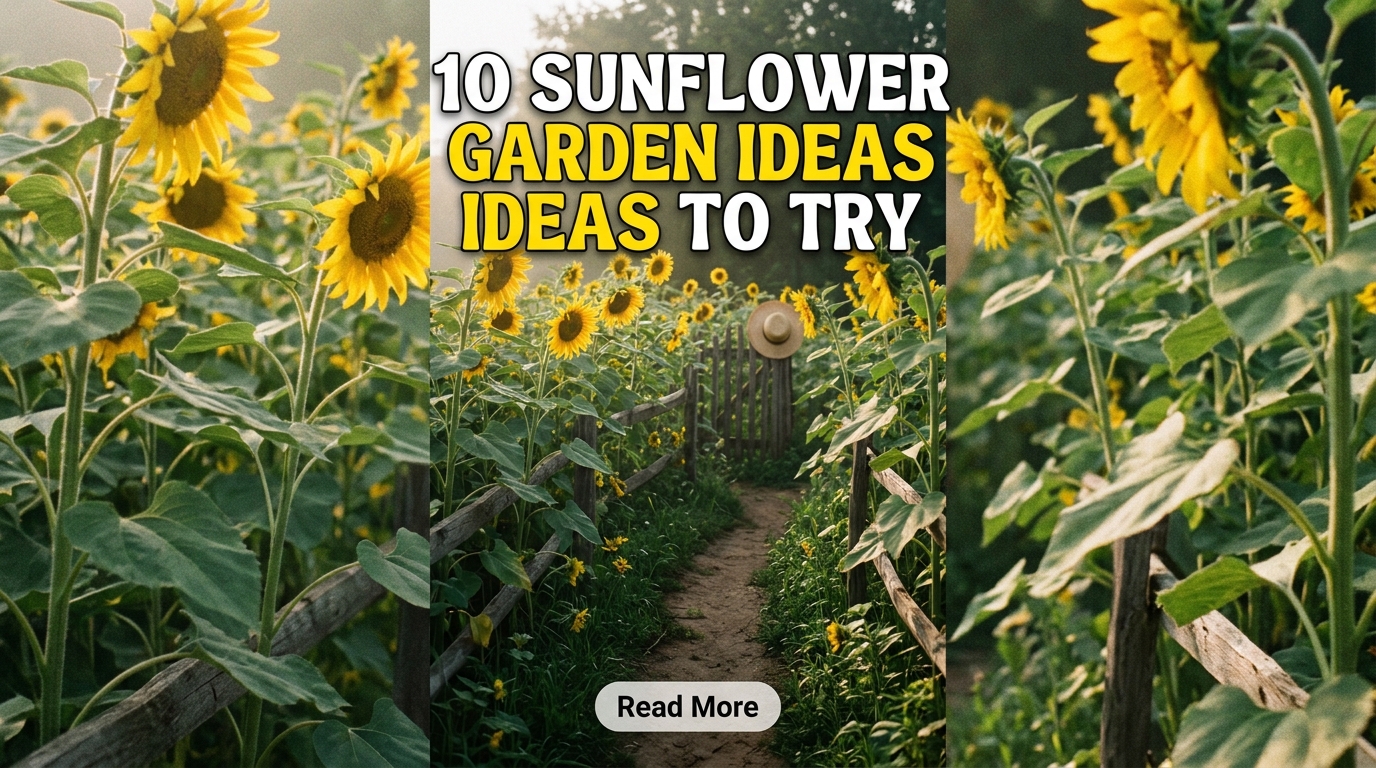
Sunflowers are one of the easiest flowers to recognize and one of the most cheerful additions you can make to an outdoor space. Their tall stems, large golden blooms, and sunny appearance can instantly transform a plain yard into a colorful retreat. Whether you have a spacious backyard, a small flower bed, a cottage garden, or a few containers on a patio, there are countless sunflower garden ideas to explore.
A sunflower garden does not have to consist of rows of identical plants. You can combine sunflowers with wildflowers, ornamental grasses, vegetables, herbs, shrubs, and other flowering plants to create a layered and attractive landscape. From rustic sunflower borders to modern flower beds, these ideas can help you design a garden that feels bright, natural, and inviting.
Why Grow Sunflowers in Your Garden?
Sunflowers are popular because they provide both beauty and seasonal interest. Many varieties grow quickly and produce impressive blooms during the warmer months. Their flowers can also attract bees, butterflies, and other beneficial pollinators.
Different varieties offer different heights, flower colors, and growth habits. Some giant types can become dramatic focal points, while dwarf varieties are better suited to containers and smaller gardens.
Sunflowers can also work well in informal landscapes because their bold appearance pairs naturally with cottage-style and wildflower planting.
1. Classic Sunflower Flower Bed
One of the simplest sunflower garden ideas is to create a dedicated flower bed filled with sunflowers.
Plant taller varieties toward the back and shorter varieties toward the front. This creates a layered appearance while allowing each plant to receive plenty of sunlight.
Use mulch around the plants to help conserve soil moisture and give the flower bed a finished appearance.
2. Sunflower Border Along a Fence

A fence provides a perfect backdrop for tall sunflowers.
Plant sunflowers in a long border along the fence and combine them with shorter flowers in front. The fence can provide structure while the bright blooms soften its appearance.
This idea works particularly well for rustic, farmhouse, and cottage-style gardens.
3. Cottage Sunflower Garden
Sunflowers naturally fit into cottage gardens.
Combine them with flowers such as zinnias, cosmos, daisies, lavender, and other suitable seasonal plants. Avoid planting everything in perfectly straight rows if you want a relaxed cottage appearance.
The goal is to create an abundant, informal display with different colors, heights, and textures.
4. Sunflower and Wildflower Garden
For a natural-looking landscape, combine sunflowers with a selection of locally appropriate wildflowers.
The mixture can create a meadow-inspired appearance while providing resources for pollinators.
Choose plants that have similar growing requirements and avoid introducing invasive species.
5. Sunflower Garden Along a Path
Use sunflowers to frame a garden pathway.
Tall plants can create a dramatic corridor, while smaller flowers and grasses can fill the spaces closer to the path.
Leave enough room for comfortable walking and maintenance.
6. Sunflower Backyard Garden
A backyard sunflower garden can become a colorful focal point during summer.
Use sunflowers around patios, lawns, fences, or outdoor seating areas. Combine them with shrubs and smaller flowers to prevent the landscape from looking too uniform.
7. Small Sunflower Garden
You do not need a large yard to grow sunflowers.
Choose compact or dwarf varieties for small gardens. Plant them in a narrow flower bed, along a wall, or in a few containers.
A small group of healthy sunflower plants can create just as much visual impact as a large planting.
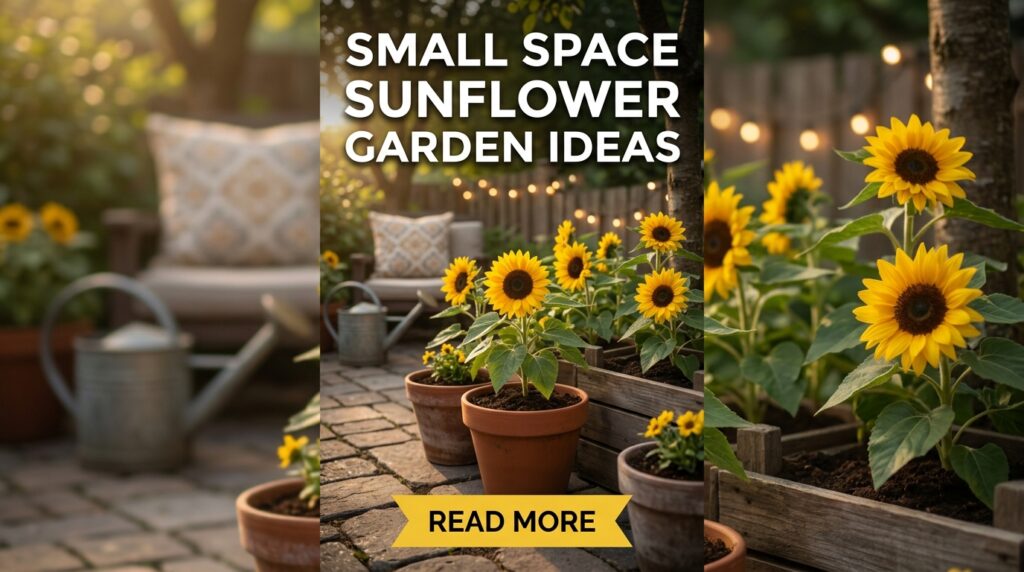
8. Sunflower Container Garden
Dwarf sunflowers can be grown in suitable containers.
Choose a container large enough for the selected variety and make sure it has adequate drainage.
Place containers on patios, balconies, decks, or near garden entrances where they can receive sufficient sunlight.
9. Sunflower and Vegetable Garden
Sunflowers can add beauty to productive vegetable gardens.
Plant them near the edge of the garden rather than allowing them to shade sun-loving vegetables. Their tall stems can also provide vertical interest among lower-growing crops.
Always consider the mature size of both the sunflowers and neighboring plants.
10. Sunflower and Herb Garden
Create a cheerful combination of sunflowers and culinary herbs.
Plants such as thyme, rosemary, sage, and other suitable herbs can provide contrasting foliage and textures.
Place taller sunflowers where they will not block sunlight from herbs that need full sun.
11. Sunflower Garden With Zinnias
Zinnias and sunflowers make an excellent colorful combination.
The tall sunflower blooms provide a strong vertical element, while zinnias can fill the lower planting layer with additional colors.
Choose complementary shades for a coordinated display.
12. Sunflower and Cosmos Garden
Cosmos have a light, airy appearance that contrasts beautifully with large sunflower blooms.
Plant them together for a relaxed, meadow-inspired flower bed.
This combination works especially well in informal gardens.
13. Sunflower and Lavender Garden
The golden color of sunflowers can contrast beautifully with the purple flowers and silvery foliage of lavender.
Plant lavender in front of taller sunflowers where both plants receive the conditions they require.
The combination creates a striking color contrast.
14. Rustic Sunflower Garden
For a rustic garden, combine sunflowers with weathered wood, stone, gravel, galvanized containers, and informal flowers.
A simple wooden fence can provide an attractive background.
Keep the materials natural and slightly understated so the flowers remain the main attraction.
15. Farmhouse Sunflower Garden
Sunflowers are a natural match for farmhouse landscaping.
Create a border near a porch, driveway, garden fence, or vegetable garden. Add simple wooden signs, planters, or rustic structures for extra character.
16. Sunflower Garden Entrance
Use sunflowers to highlight the entrance to your garden.
Plant them on both sides of a gate or pathway for a welcoming effect.
If the plants become very tall, provide appropriate support to prevent them from leaning into the walkway.
17. Sunflower Garden With Garden Arch
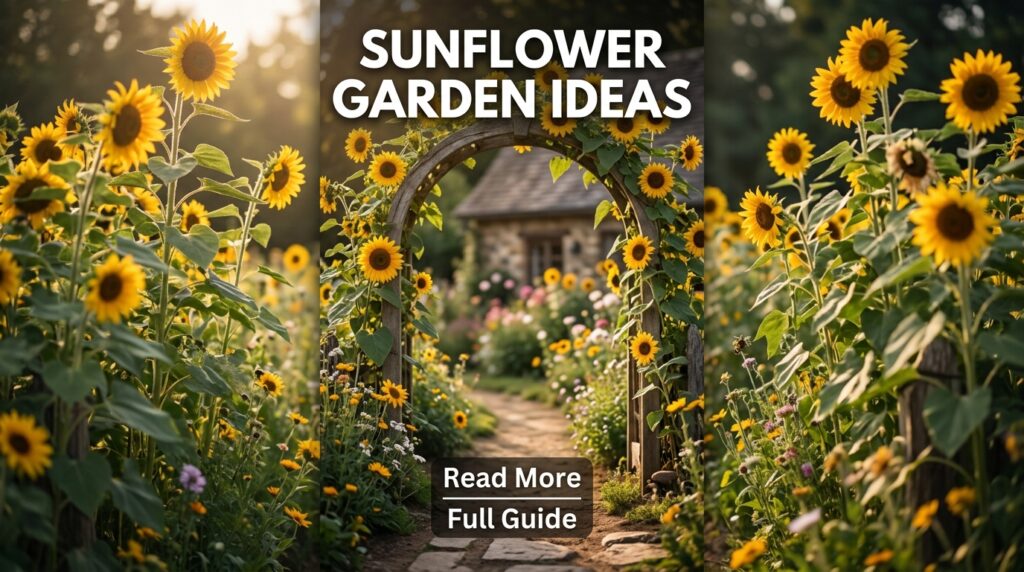
A garden arch can create a dramatic entrance surrounded by sunflowers.
Use shorter plants near the base of the arch and allow the sunflowers to form a colorful background.
Climbing plants can be added to the arch itself if desired.
18. Sunflower Garden Around a Patio
Plant sunflowers around the outer edge of a patio to create a colorful seasonal border.
Avoid placing tall plants where they will block views, pathways, or outdoor seating.
This is an easy way to connect a hardscape area with the surrounding garden.
19. Sunflower Garden Around a Deck
Use containers or nearby flower beds to bring sunflowers closer to a deck.
Dwarf varieties can work particularly well in containers because they provide color without becoming excessively tall.
20. Sunflower Garden With Ornamental Grasses
Combine the bold flowers with ornamental grasses for a softer landscape.
The movement of grasses can balance the rigid vertical stems of sunflowers.
Choose grass varieties appropriate for your climate and garden conditions.
21. Sunflower and Rose Garden
Sunflowers can provide a dramatic background for roses.
Use them carefully so their height does not overwhelm the rose bushes or create unwanted shade.
A combination of golden sunflowers and colorful roses can create a vibrant summer display.
22. Sunflower Garden With Dahlias
Dahlias offer a wide range of flower shapes and colors.
Plant them in front of taller sunflowers to create a layered flower bed.
Use a limited color palette if you want the garden to look coordinated rather than overly busy.
23. Sunflower Pollinator Garden
Create a pollinator-friendly garden by combining sunflowers with other suitable nectar and pollen plants.
Choose a variety of flowers with different blooming periods so the garden can provide resources throughout the growing season.
Avoid unnecessary pesticide use and select plants appropriate for local pollinators.
24. Sunflower Cutting Garden
Sunflowers are excellent choices for a cutting garden.
Create a dedicated planting area where you can grow flowers specifically for indoor arrangements.
Plant several varieties with different bloom times if you want a longer supply of flowers.
25. Sunflower Garden for a Wedding
Sunflowers can create a cheerful backdrop for an outdoor wedding or garden celebration.
Use them in flower arches, aisle arrangements, reception centerpieces, and welcome displays.
Combine golden sunflowers with white, cream, green, or soft pastel flowers for an elegant appearance.
26. Sunflower Garden Photo Spot
Create a dedicated photography area surrounded by sunflowers.
A simple bench, garden chair, wooden fence, or pathway can become part of the composition.
Keep the area comfortable and accessible while allowing the flowers to provide the main visual backdrop.
27. Sunflower Garden With Bird-Friendly Features
Mature sunflower heads can provide seeds that attract birds.
If you want to support garden wildlife, consider leaving some seed heads after flowering rather than removing every spent bloom.
Position feeders and other wildlife features thoughtfully to reduce conflicts with other garden activities.
28. Sunflower Garden With Stones
Use natural stones to define the edge of a sunflower bed.
The hard texture of stone contrasts with the soft foliage and bright flowers.
Avoid placing large stones where they could interfere with planting or maintenance.
29. Sunflower Garden With Gravel
Gravel can create an attractive low-maintenance border around a sunflower planting area.
Use suitable edging to keep gravel from spreading into lawns or planting beds.
This style works particularly well in rustic and contemporary gardens.
30. Modern Sunflower Garden
Sunflowers can also work in contemporary landscapes.
Plant them in clean, geometric beds surrounded by simple paving, gravel, concrete, or modern fencing.
Keep the rest of the planting restrained so the bold flowers become the focal point.
31. Sunflower Garden Along a Driveway
A sunflower border can add color along a driveway or entrance.
Keep plants far enough away from vehicles and maintain clear sightlines for drivers and pedestrians.
Use appropriate supports if tall varieties are exposed to strong winds.
32. Sunflower Garden Around a Shed
Turn a plain garden shed into a cheerful feature by planting sunflowers nearby.
Add low flowers, herbs, or ornamental grasses around the base.
A small path leading to the shed can complete the design.
33. Sunflower Garden With Seating
Create a comfortable seating area surrounded by sunflowers.
A bench or outdoor chair can provide a place to enjoy the garden during flowering season.
Avoid planting tall varieties immediately around seating if they block air circulation or views.
34. Sunflower Garden With a Small Pond
Sunflowers can provide a bright backdrop near a garden pond.
Keep tall plants at a suitable distance from the water and choose companion plants based on the moisture conditions.
Use stones and lower-growing plants around the pond edge for a natural transition.
35. Layered Sunflower Garden
Create depth by planting several sunflower varieties with different mature heights.
Place the tallest varieties toward the rear, medium-sized plants in the center, and shorter flowers toward the front.
This technique creates a fuller garden while making the most of vertical space.
How to Design a Sunflower Garden
Creating a sunflower garden is relatively simple, but thoughtful planning can make the final result much more attractive.
Step 1: Choose the Location
Select a location that receives plenty of direct sunlight.
Sunflowers generally perform best in sunny conditions, so observe how sunlight moves across your garden before choosing the planting area.
Step 2: Select the Right Variety
Sunflowers come in many sizes.
Giant varieties can create dramatic backgrounds, while medium and dwarf types may be more appropriate for smaller gardens and containers.
Check the expected mature height and spread before planting.
Step 3: Prepare the Soil
Provide fertile, well-drained soil appropriate for the selected variety.
Improve poor soil with suitable organic matter if necessary, but avoid creating drainage problems.
Step 4: Plan the Height
Think about how tall each sunflower will become.
Place taller plants toward the back of borders or where they will not shade shorter sun-loving plants.
Step 5: Add Companion Plants
Choose flowers, herbs, grasses, or shrubs that have compatible light and water requirements.
Contrasting flower shapes and foliage can make the planting more interesting.
Step 6: Leave Enough Space
Avoid overcrowding.
Adequate spacing allows plants to develop properly and improves airflow around foliage.
Step 7: Add Garden Edging
Stone, brick, timber, or other suitable edging can clearly define the sunflower bed.
Choose a material that complements the surrounding landscape.
Step 8: Provide Support When Necessary
Some tall varieties may require staking or other support, especially in windy locations.
Install supports carefully so they do not damage roots.
Step 9: Water Consistently
Young sunflowers need regular moisture while establishing.
Once established, watering needs depend on the variety, soil, temperature, rainfall, and local conditions.
Water deeply when necessary rather than relying only on frequent shallow watering.
Step 10: Maintain the Garden
Remove weeds, monitor for pests and diseases, and provide appropriate support as plants grow.
Deadheading can be used for some varieties when you want to encourage additional blooms, while leaving selected seed heads can provide food for birds.
Best Sunflower Garden Color Combinations
Although classic yellow sunflowers are the most familiar, you can create different moods by combining them with other colors.
Yellow and Purple
Purple flowers provide a strong complementary contrast against golden sunflower blooms.
Yellow and White
White flowers create a clean and elegant garden palette.
Yellow and Pink
Pink flowers create a cheerful and romantic summer display.
Yellow and Blue
Blue flowers can provide a cool contrast to warm sunflower tones.
Yellow and Green
Green foliage creates a natural, fresh, and timeless combination.
Yellow and Burgundy
Deep burgundy foliage or flowers can create a dramatic and sophisticated appearance.
Best Companion Plants for Sunflowers
Companion planting should be based on the needs of the individual plants rather than appearance alone.
Consider suitable combinations with:
- Zinnias
- Cosmos
- Marigolds
- Daisies
- Lavender
- Salvia
- Herbs
- Ornamental grasses
- Seasonal wildflowers
- Suitable native plants
Always check mature size, sunlight requirements, water needs, and local growing conditions before combining plants.
Sunflower Garden Maintenance Tips
Keep the Soil Moist During Establishment
Newly planted sunflowers benefit from consistent moisture.
Remove Competing Weeds
Weeds compete with young plants for water, nutrients, and sunlight.
Monitor Tall Plants
Check large varieties after storms or strong winds and add support when necessary.
Watch for Pests
Inspect leaves and stems regularly for signs of insect damage.
Encourage Pollinators
Avoid unnecessary pesticide use and provide a diverse selection of flowering plants.
Leave Some Seed Heads
Allowing selected flower heads to mature can provide seeds for birds.
Common Sunflower Garden Mistakes
Planting in Too Much Shade
Sunflowers generally need plenty of direct sunlight to grow well.
Choosing a Variety That Is Too Large
A giant sunflower may overwhelm a small flower bed.
Always check the mature size before planting.
Overcrowding Plants
Planting too closely can reduce airflow and create competition for water and nutrients.
Ignoring Wind
Tall varieties can become unstable in exposed locations.
Choose appropriate support and consider sheltered planting positions.
Blocking Other Plants
Tall sunflowers can cast significant shade.
Position them carefully so they do not prevent shorter sun-loving plants from receiving adequate light.
Overwatering
Constantly saturated soil can damage roots.
Use well-drained soil and water according to local conditions.
Forgetting the Mature Size
A small seedling can become a very tall plant within one growing season.
Plan the garden based on mature dimensions rather than the size of young plants.
Frequently Asked Questions
What is the best place to plant sunflowers?
Choose a location with plenty of direct sunlight and suitable, well-drained soil. The exact requirements vary by variety.
Can sunflowers grow in small gardens?
Yes. Dwarf and compact varieties are excellent choices for small gardens, containers, balconies, and patios.
What flowers look good with sunflowers?
Zinnias, cosmos, daisies, marigolds, lavender, salvia, and other compatible flowers can create attractive combinations.
How do I make a sunflower garden look fuller?
Use different sunflower heights and combine them with lower-growing flowers, grasses, and foliage plants.
Do sunflowers need support?
Some tall varieties may benefit from staking or other support, particularly in windy areas.
Can sunflowers attract bees and butterflies?
Sunflowers can provide food resources for pollinators, particularly when grown alongside a diverse selection of flowering plants.
How long do sunflowers bloom?
Blooming time varies significantly by variety, planting date, climate, and growing conditions. Many garden varieties provide flowers during the warmer part of the growing season.
Final Thoughts
Sunflower garden ideas offer an easy way to bring warmth, height, and vibrant color into an outdoor space. From simple flower beds and rustic borders to cottage gardens, pollinator landscapes, cutting gardens, and modern patios, sunflowers can adapt to many different garden styles.
The key is to choose varieties that fit your available space and growing conditions. Combine tall sunflowers with shorter flowers and contrasting foliage, leave enough room for mature growth, and position plants where they will receive sufficient sunlight.
Whether you plant a single row along a fence or create an entire summer garden filled with golden blooms, sunflowers can turn an ordinary landscape into a cheerful and memorable outdoor retreat.