
 By John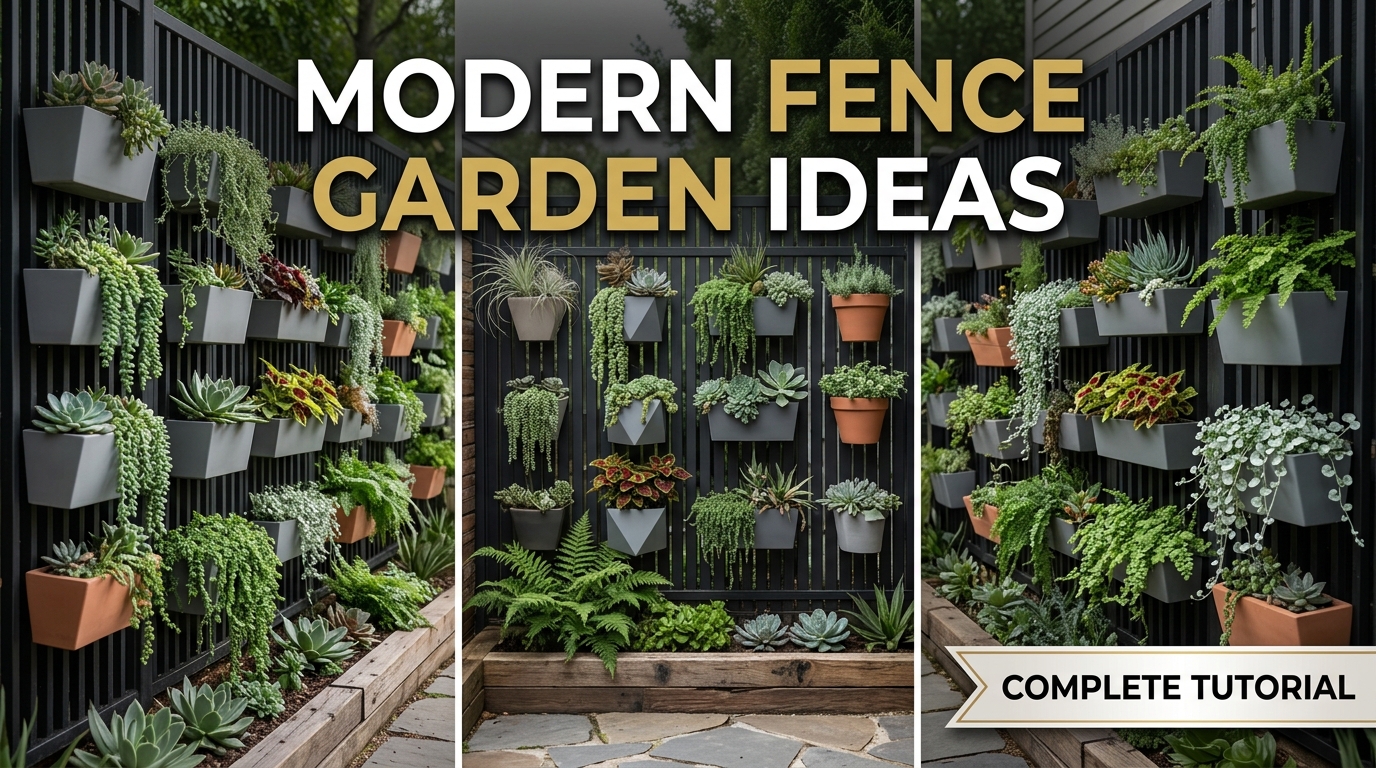
A fence garden is a creative way to transform an ordinary fence into an attractive and functional part of your landscape. Instead of leaving a fence as a plain boundary, you can surround it with flowers, shrubs, climbing plants, raised beds, containers, or vertical gardens to add color, texture, privacy, and character.
Whether you have a small backyard, large garden, narrow side yard, courtyard, or modern outdoor space, fence landscaping can make the entire garden feel more complete.
What Is a Fence Garden?
A fence garden is a landscaped area designed around, along, or directly against a garden fence.
It can include:
- Flower borders
- Climbing plants
- Shrubs
- Trees
- Raised garden beds
- Container plants
- Vertical planters
- Trellises
- Decorative garden features
The design can be purely decorative or combine planting with privacy, screening, and practical functions.
Benefits of a Fence Garden
Landscaping around a fence can:
- Improve privacy
- Soften hard boundaries
- Add color
- Create vertical interest
- Increase curb appeal
- Make small gardens feel more layered
- Hide unattractive fencing
- Provide habitat for wildlife
- Define different garden areas
A well-planned fence garden can also make an outdoor space feel more established.
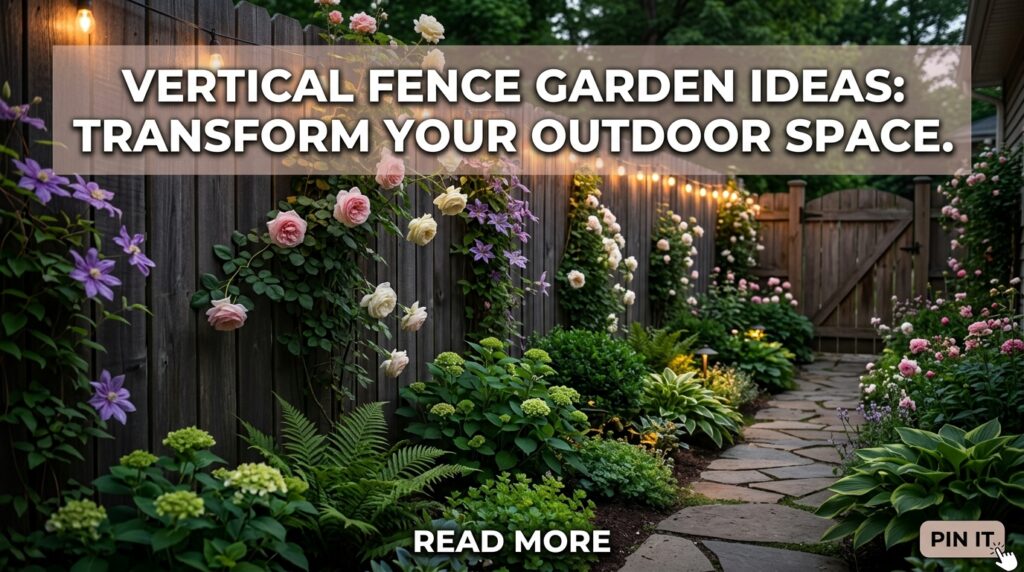
1. Flower Garden Along a Fence
A flower border is one of the easiest ways to soften a fence.
Combine different heights by placing taller plants near the fence and shorter flowers toward the front.
Try combinations of:
- Perennials
- Annuals
- Flowering shrubs
- Groundcovers
Choose plants according to the fence’s sunlight and the available soil space.
2. Fence Garden With Climbing Plants
Climbers are ideal when you want to cover a vertical surface without using a large amount of ground space.
Suitable plants vary by climate but may include:
- Roses
- Clematis
- Jasmine
- Honeysuckle
- Wisteria
- Climbing hydrangea
Use sturdy supports appropriate for the mature size and weight of the plant.
3. Fence Garden With Raised Beds
A raised bed along the fence can create a clearly defined planting zone.
Use it for:
- Flowers
- Herbs
- Vegetables
- Ornamental grasses
- Shrubs
Leave enough clearance for maintenance and allow plants to grow without becoming trapped against the fence.
4. Vegetable Garden Along a Fence
A sunny fence can become a useful location for vegetables.
Depending on your climate, consider:
- Tomatoes
- Beans
- Peppers
- Cucumbers
- Leafy greens
- Herbs
Use trellises for suitable climbing crops and avoid planting vegetables where the fence creates excessive shade.
5. Fence Garden With Trellis
A trellis adds structure and provides support for climbing plants.
Use a trellis to create:
- A flower wall
- Privacy screening
- A vertical herb garden
- A decorative entrance
- A climbing rose feature
Ensure the trellis is securely attached and can support mature plants.
6. Privacy Fence Garden
Combine fencing with layered planting to create a private outdoor retreat.
Use:
- Evergreen shrubs
- Small trees
- Tall ornamental grasses
- Climbing plants
- Dense flowering shrubs
Consider mature height and width before planting.
7. Fence Garden for a Small Backyard
A small backyard can benefit from narrow planting beds along the perimeter.
Use vertical elements to save ground space:
- Wall planters
- Trellises
- Climbing flowers
- Hanging baskets
- Narrow raised beds
Avoid using plants that spread aggressively into walking areas.
8. Narrow Fence Garden
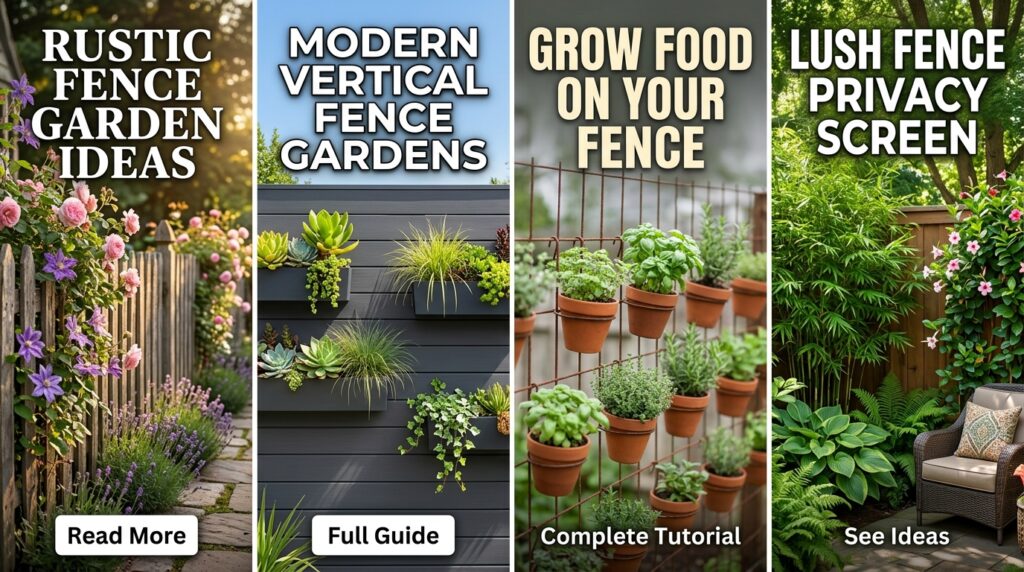
A narrow strip beside a fence doesn’t need to remain empty.
Choose compact plants such as:
- Groundcovers
- Small grasses
- Compact shrubs
- Herbs
- Seasonal flowers
Check mature width carefully because narrow spaces can quickly become overcrowded.
9. Fence Garden With Pots
Containers provide flexibility when the ground is unsuitable for planting.
Arrange pots along the fence with different:
- Heights
- Shapes
- Textures
- Plant varieties
Use fewer, larger containers rather than filling the entire fence line with small pots.
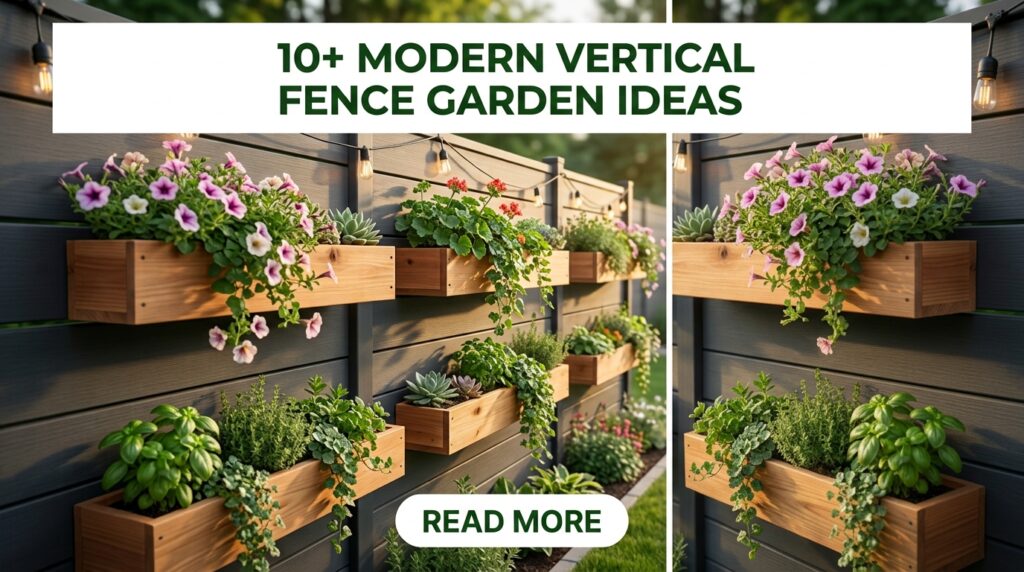
10. Vertical Fence Garden
A fence can become a vertical growing wall.
Install suitable planters or pockets for:
- Herbs
- Compact flowers
- Succulents
- Ferns
- Trailing plants
Make sure the fence can safely support the added weight of containers and wet soil.
11. Fence Garden With Hanging Planters
Hanging planters can add layers without using ground space.
Use them for:
- Trailing flowers
- Herbs
- Ferns
- Compact foliage plants
Install mounting hardware securely and consider wind exposure.
12. Fence Garden With Flowering Shrubs
Flowering shrubs can provide long-term structure.
Choose varieties that fit the space at maturity.
Plant them far enough from the fence to allow:
- Air circulation
- Maintenance access
- Root growth
- Branch development
13. Fence Garden With Ornamental Grasses
Ornamental grasses create movement and texture.
They can soften hard fencing while adding height.
Choose species suited to your climate and available space, and be careful with varieties that spread aggressively.
14. Fence Garden With Roses
Roses can create a romantic garden border.
Use climbing roses with appropriate supports or compact rose varieties in front of the fence.
Provide adequate sunlight, airflow, and room for mature growth.
15. Cottage Fence Garden
A cottage-style fence garden can combine flowers in a relaxed, informal arrangement.
Try:
- Roses
- Lavender
- Daisies
- Salvia
- Foxgloves
- Flowering herbs
Add a rustic fence, informal pathway, or vintage-inspired container for additional character.
16. Modern Fence Garden
Modern fence landscaping benefits from clean lines and repetition.
Use:
- Geometric beds
- Gravel
- Architectural plants
- Repeated shrubs
- Minimal containers
Choose a restrained palette to create a contemporary appearance.
17. Rustic Fence Garden
A rustic garden works naturally with wooden fencing.
Combine the fence with:
- Wildflowers
- Natural stone
- Wooden planters
- Grasses
- Reclaimed garden features
Keep the materials cohesive rather than mixing too many styles.
18. Farmhouse Fence Garden
A farmhouse-inspired fence garden can combine practical and ornamental planting.
Use:
- Wooden fencing
- Vegetable beds
- Herbs
- Flowering plants
- Simple containers
A mixture of edible and decorative plants can make the space feel both useful and welcoming.
19. Fence Garden With Fruit Trees
A fence can provide support or a backdrop for suitable fruit trees.
Depending on your climate and available space, consider compact or espalier-trained varieties.
Research mature size, pruning requirements, sunlight, and root behavior before planting.
20. Fence Garden With Espalier Trees
Espalier training can make productive use of a narrow area.
Trees are trained against a support structure in decorative patterns.
This approach requires regular pruning and appropriate support.
21. Fence Garden With Bamboo
Bamboo can provide a lush, vertical screen.
However, some varieties spread aggressively.
Choose a suitable non-invasive or clumping variety where appropriate and use root barriers or containers when necessary.
22. Fence Garden With Evergreen Plants
Evergreens can provide year-round structure and privacy.
Consider:
- Compact conifers
- Evergreen shrubs
- Suitable hedging plants
Choose species based on mature height, width, climate, and sunlight.
23. Fence Garden With a Path
A narrow path beside the fence can make the garden easier to access.
Use:
- Gravel
- Stepping stones
- Brick
- Pavers
- Natural stone
Leave adequate space for comfortable movement and maintenance.
24. Fence Garden With Garden Lights
Lighting can highlight fence planting after dark.
Use:
- Uplights
- Path lights
- Wall lights
- String lights
- Low-level landscape lighting
Choose outdoor-rated equipment and install electrical systems safely.
25. Fence Garden With Garden Art
A fence can act as a backdrop for decorative features.
Consider:
- Metal garden art
- Mirrors
- Sculptures
- Decorative panels
- Birdhouses
- Wall planters
Use a limited number of focal pieces so the area doesn’t become visually crowded.
26. Fence Garden With Bird-Friendly Plants
Planting around a fence can create habitat for birds and beneficial insects.
Use suitable local plants that provide:
- Food
- Shelter
- Nesting opportunities
- Seasonal flowers
Avoid unnecessary pesticide use.
27. Butterfly Fence Garden
A sunny fence border can become a pollinator-friendly planting area.
Include locally suitable nectar-producing plants and host plants.
Choose a variety of plants that bloom at different times when possible.
28. Fence Garden for Bees
Bee-friendly flowers can add color while supporting pollinators.
Choose plants appropriate for your local climate and avoid unnecessary pesticide use.
Provide several flower shapes and bloom periods to increase garden diversity.
29. Fence Garden With Herbs
A sunny fence can make an excellent herb-growing area.
Try:
- Basil
- Thyme
- Rosemary
- Sage
- Mint
- Oregano
Some herbs spread aggressively, so grow them in containers when appropriate.
30. Fence Garden With Succulents
Succulents can work well in sunny, well-drained areas.
Use:
- Rock gardens
- Containers
- Vertical planters
- Gravel beds
Choose species suited to local temperatures and rainfall.
31. Fence Garden With Shade Plants
If the fence blocks sunlight, select plants suited to shade rather than trying to force sun-loving flowers to grow.
Depending on climate, options may include:
- Ferns
- Hostas
- Heucheras
- Certain groundcovers
- Shade-tolerant shrubs
Always check local growing conditions before planting.
32. Fence Garden Under Trees
If the fence is also shaded by trees, competition for moisture and roots can make planting difficult.
Choose plants that tolerate the conditions and avoid damaging major tree roots.
Container planting can be an alternative.
33. Fence Garden for a Side Yard
Side yards often benefit from vertical landscaping.
Use:
- Climbing plants
- Narrow beds
- Trellises
- Tall containers
- Slim evergreen shrubs
Keep enough clearance for gates, utilities, drainage, and maintenance access.
34. Fence Garden for a Courtyard
A courtyard fence can become a green backdrop.
Combine:
- Potted trees
- Climbers
- Flowering containers
- Wall art
- Gravel
- Small seating
Use vertical planting to make the courtyard feel lush without consuming too much floor space.
35. Fence Garden With a Bench
Place a small bench in front of a planted fence to create a garden destination.
Use the fence as a backdrop and surround the bench with low flowers or groundcovers.
Keep plants away from the seating area enough to allow comfortable use.
36. Fence Garden With Water Feature
A small fountain or water feature can add sound and movement.
Place it securely and provide appropriate drainage and electrical protection.
Keep water features maintained to prevent stagnant water and other problems.
37. Fence Garden for Rental Homes
If permanent changes aren’t possible, use portable features.
Try:
- Large containers
- Freestanding trellises
- Raised planters
- Movable screens
- Potted shrubs
These can create a garden effect without permanently modifying the property.
38. DIY Fence Garden
A DIY fence garden can be created gradually.
Start with:
- Measuring the fence line
- Checking sunlight
- Choosing a planting style
- Preparing the soil
- Adding plants
- Installing supports
- Adding mulch or gravel
- Adding simple decorations
Build in stages so you can adjust the design as plants mature.
Best Plants for a Fence Garden
The best plants depend on your climate, soil, sunlight, and desired garden style.
Useful plant categories include:
- Climbing flowers
- Evergreen shrubs
- Flowering shrubs
- Ornamental grasses
- Groundcovers
- Herbs
- Perennials
- Annual flowers
- Small trees
Always check the mature size and growth behavior of each plant before placing it close to a fence.
How to Design a Fence Garden
Step 1: Measure the Space
Measure the length and depth available along the fence.
Step 2: Check Sunlight
Observe the area throughout the day.
Step 3: Choose a Purpose
Decide whether the garden is primarily for:
- Privacy
- Flowers
- Food production
- Wildlife
- Decoration
- Screening
Step 4: Select the Main Plants
Choose a few structural plants that establish the overall design.
Step 5: Add Layers
Combine tall, medium, and low-growing plants.
Step 6: Add Vertical Features
Use trellises, climbers, or wall planters to maximize space.
Step 7: Add Ground Cover
Use mulch, gravel, or suitable groundcovers to finish the planting bed.
Step 8: Leave Maintenance Access
Don’t plant so tightly against the fence that you cannot inspect or maintain it.
Fence Garden Maintenance Tips
Maintain the area by:
- Pruning plants appropriately
- Removing weeds
- Watering according to plant needs
- Checking fence condition
- Inspecting climbing supports
- Removing dead growth
- Refreshing mulch
- Monitoring pests
Leave adequate space between plants and fencing to improve airflow and simplify maintenance.
Common Fence Garden Mistakes
Planting Too Close to the Fence
Plants need room to mature and should not be forced against the structure.
Choosing Plants That Become Too Large
Always consider mature dimensions.
Ignoring Fence Maintenance
Plant growth can make painting, staining, repairs, and inspections difficult.
Blocking Drainage
Don’t create planting beds that interfere with water flow.
Using Aggressive Climbers
Some vines can become difficult to control or damage structures.
Overcrowding
Too many plants can make a narrow border look messy and create maintenance problems.
Frequently Asked Questions
What is the best plant to grow along a fence?
There isn’t one universal best plant. Choose species according to sunlight, climate, soil, mature size, and whether you want flowers, privacy, food, or evergreen structure.
How do I make my fence look more attractive?
Add layered planting, climbing plants, containers, a trellis, lighting, or carefully selected garden art.
Can I plant directly against a fence?
It’s usually better to leave some clearance so plants have room for airflow, maintenance, and mature growth.
How do I create privacy with a fence garden?
Combine the fence with evergreen shrubs, suitable small trees, tall grasses, or climbing plants to create additional visual screening.
What can I grow in a narrow space along a fence?
Compact shrubs, herbs, groundcovers, climbers, and narrow-growing plants can work well. Always check mature width before planting.
Conclusion
A fence garden can turn an ordinary boundary into one of the most attractive parts of your outdoor space. From colorful flower borders and cottage-style planting to modern gravel beds, vertical gardens, vegetable plots, and privacy screens, there are countless ways to landscape around a fence.
The best design starts with the conditions of the site. Measure the available space, observe sunlight, consider mature plant sizes, and choose plants that fit the climate. With thoughtful layering and regular maintenance, a fence garden can add beauty, privacy, structure, and personality to almost any outdoor space.