
 By John
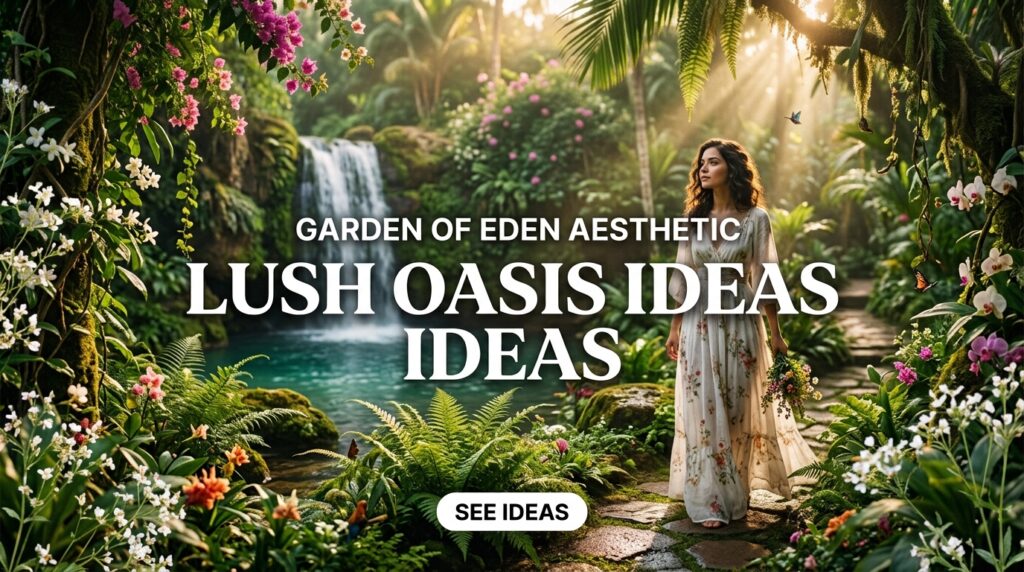
The Garden of Eden aesthetic is inspired by the timeless image of a lush paradise overflowing with vibrant greenery, fragrant flowers, crystal-clear water, and abundant life. This enchanting garden style evokes feelings of peace, wonder, and harmony with nature, blending tropical plants, flowering vines, majestic trees, and natural materials into a landscape that feels untouched and magical. Whether you have a spacious backyard, a small courtyard, or a cozy patio, you can recreate the essence of this paradise-inspired design with thoughtful planning and carefully chosen plants.
Unlike formal landscapes with strict symmetry, a Garden of Eden aesthetic embraces natural beauty, layered planting, and organic shapes. Winding pathways, hidden seating areas, flowing water features, climbing vines, and colorful blooms create an immersive experience that encourages relaxation and exploration. Every corner of the garden feels alive with texture, fragrance, and movement, making it a peaceful escape from everyday life.
This complete guide explores everything you need to know about designing, planting, and maintaining a beautiful Garden of Eden-inspired landscape.
What Is the Garden of Eden Aesthetic?
The Garden of Eden aesthetic is a landscaping style that captures the feeling of an abundant natural paradise. Rather than focusing on rigid structure, it emphasizes lush vegetation, flowing water, rich biodiversity, and harmonious design.
Common characteristics include:
- Dense greenery
- Layered planting
- Flowering vines
- Large shade trees
- Tropical and woodland plants
- Natural stone pathways
- Water features
- Hidden seating areas
- Wildlife-friendly planting
- Soft, organic shapes
The goal is to create a garden that feels timeless, peaceful, and full of life.
Benefits of a Garden of Eden-Inspired Landscape
Creating this style of garden offers many advantages.
Benefits include:
- A calming atmosphere
- Year-round natural beauty
- Increased biodiversity
- Habitat for birds and pollinators
- Cooling shade
- Greater privacy
- Enhanced property value
- A relaxing outdoor retreat
The layered planting also helps create a more resilient and visually dynamic landscape.
Plan Your Garden Layout
Begin by sketching a simple design.
Include spaces for:
- Winding pathways
- Flower beds
- Water features
- Seating areas
- Shade trees
- Climbing structures
- Lawn clearings
- Hidden garden corners
Avoid overly straight lines to maintain a natural appearance.
Create Layered Planting
One of the defining features of this aesthetic is abundant vegetation arranged in layers.
Include:
Upper Layer
- Large trees
- Flowering trees
- Evergreen trees
Middle Layer
- Shrubs
- Flowering bushes
- Small ornamental trees
Lower Layer
- Perennials
- Ferns
- Ground covers
- Wildflowers
Layering creates depth while mimicking natural forests.
Choose Beautiful Trees
Trees provide shade and structure.
Excellent choices include:
- Magnolia
- Japanese maple
- Dogwood
- Olive tree
- Birch
- Oak
- Willow
- Fruit trees
Mix evergreen and deciduous species for year-round interest.
Plant Lush Shrubs
Shrubs create fullness throughout the landscape.
Popular options include:
- Hydrangeas
- Camellias
- Gardenias
- Azaleas
- Viburnum
- Rhododendrons
Plant shrubs in groups for a natural appearance.
Fill the Garden with Flowers
Colorful flowers bring the landscape to life.
Beautiful choices include:
- Roses
- Peonies
- Lavender
- Foxgloves
- Delphiniums
- Coneflowers
- Lilies
- Cosmos
- Zinnias
- Salvia
Mix bloom times to provide flowers from spring through autumn.
Add Tropical Foliage
For a lush paradise feel, incorporate bold foliage plants where the climate allows.
Ideas include:
- Elephant ears
- Bird of paradise
- Banana plants
- Cannas
- Hostas
- Ferns
- Caladiums
Large leaves create dramatic texture and visual impact.
Grow Climbing Vines
Vertical planting enhances the sense of abundance.
Train vines over:
- Pergolas
- Arbors
- Garden walls
- Trellises
- Fences
Popular climbers include:
- Jasmine
- Wisteria
- Clematis
- Honeysuckle
- Climbing roses
Fragrant vines add both beauty and atmosphere.
Design Winding Garden Paths
Curved pathways encourage exploration.
Suitable materials include:
- Natural stone
- Gravel
- Brick
- Stepping stones
Allow plants to gently soften the edges for a more natural appearance.
Install a Water Feature
Water is central to the Garden of Eden aesthetic.
Ideas include:
- Reflecting pool
- Small pond
- Waterfall
- Bubbling fountain
- Stream
- Bird bath
Moving water creates soothing sounds while attracting wildlife.
Create Hidden Seating Areas
A peaceful retreat enhances the garden experience.
Include:
- Wooden bench
- Wicker chair
- Hammock
- Swing seat
- Stone bench
Surround seating with flowers, vines, and shrubs for privacy.
Encourage Wildlife
A paradise-inspired garden welcomes birds and beneficial insects.
Add:
- Bird feeders
- Bird baths
- Native flowers
- Berry-producing shrubs
- Butterfly-friendly plants
- Bee hotels
Wildlife brings movement and life to the landscape.
Choose a Natural Color Palette
The Garden of Eden aesthetic emphasizes harmonious colors.
Popular shades include:
- Deep green
- Emerald
- Soft white
- Cream
- Blush pink
- Lavender
- Sky blue
- Golden yellow
Natural colors create a peaceful and timeless atmosphere.
Incorporate Natural Materials
Choose materials that blend with the landscape.
Ideas include:
- Weathered wood
- Natural stone
- Brick
- Wicker
- Terracotta
- Clay pots
These materials reinforce the organic character of the garden.
Add Decorative Garden Features
Keep decorations subtle and nature-inspired.
Ideas include:
- Stone urns
- Garden statues
- Sundials
- Moss-covered pots
- Rustic lanterns
- Wooden arches
Avoid excessive ornamentation to preserve the natural feel.
Light the Garden
Soft lighting extends the beauty into the evening.
Popular options include:
- Solar lanterns
- String lights
- Path lights
- Tree uplighting
- Hanging lanterns
Warm lighting creates a magical nighttime atmosphere.
Include Fragrant Plants
A paradise garden should delight the senses.
Highly fragrant plants include:
- Lavender
- Jasmine
- Gardenia
- Roses
- Sweet peas
- Lilacs
- Honeysuckle
Plant fragrant flowers near seating areas and pathways.
Practice Sustainable Gardening
Healthy ecosystems support lush growth.
Use:
- Compost
- Organic mulch
- Rainwater collection
- Native plants
- Pollinator-friendly flowers
Sustainable practices improve long-term garden health.
Seasonal Maintenance
Spring
- Plant new flowers
- Divide perennials
- Feed shrubs
- Refresh mulch
Summer
- Water deeply
- Deadhead flowers
- Prune lightly
- Harvest herbs
Autumn
- Plant bulbs
- Add compost
- Clean pathways
- Collect seeds
Winter
- Protect tender plants
- Prune dormant trees
- Plan seasonal improvements
- Maintain garden structures
Consistent maintenance helps preserve the lush appearance year-round.
Budget-Friendly Garden of Eden Ideas
You can achieve this aesthetic without overspending.
Affordable ideas include:
- Grow plants from seed
- Divide mature perennials
- Build gravel pathways
- Make homemade compost
- Repurpose terracotta pots
- Install solar lighting
- Collect rainwater
Building the garden gradually allows it to mature naturally.
Common Mistakes to Avoid
Avoid these common design mistakes:
- Overcrowding young plants
- Ignoring mature plant size
- Using too many unrelated materials
- Neglecting maintenance
- Choosing plants unsuited to your climate
- Forgetting year-round structure
Thoughtful planning leads to a balanced and thriving landscape.
Final Thoughts
A Garden of Eden aesthetic transforms an ordinary outdoor space into a lush sanctuary inspired by nature’s beauty and abundance. Through layered planting, winding pathways, flowering vines, mature trees, tranquil water features, and carefully chosen natural materials, you can create a landscape that feels peaceful, timeless, and inviting.
Whether your vision includes a tropical retreat, a woodland-inspired escape, or a flower-filled paradise, the key is to embrace organic forms, biodiversity, and seasonal beauty. Comfortable seating, fragrant plants, soft lighting, and wildlife-friendly features complete the experience, making the garden a place where you can relax, reconnect with nature, and enjoy every season.
With patience, creativity, and consistent care, a Garden of Eden-inspired landscape will continue to grow richer and more beautiful over time, becoming a personal haven filled with color, fragrance, and life for years to come.