
 By John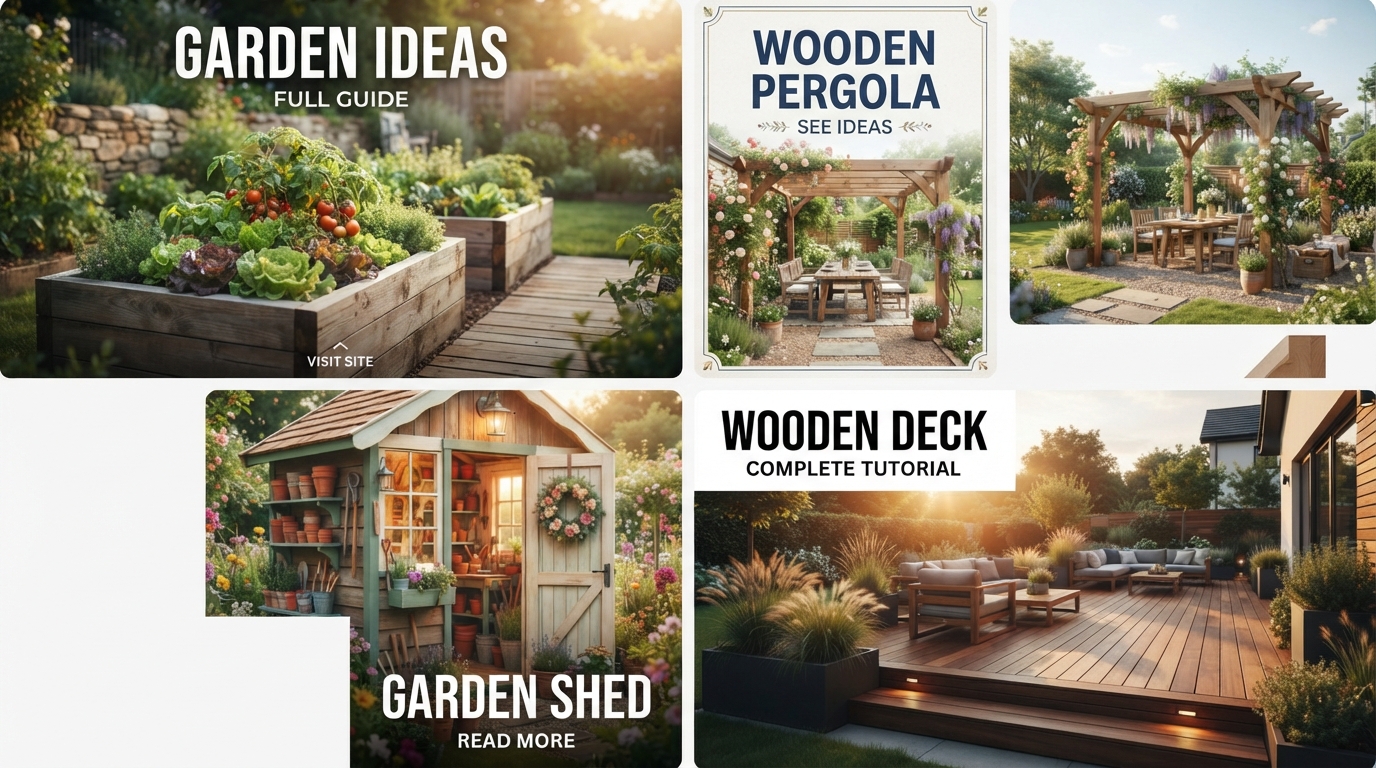
A wooden garden brings warmth, texture, and natural character to an outdoor space. From timber fences and raised garden beds to wooden pathways, pergolas, planters, benches, and decorative features, wood can be used in countless ways to create a welcoming landscape.
Wood works beautifully with flowers, greenery, stone, gravel, and water features. It can complement rustic, cottage, farmhouse, modern, Japanese, woodland, and contemporary garden styles.
Whether you have a large backyard or a tiny patio, incorporating wood into your garden can make the space feel more natural, comfortable, and connected to its surroundings.
What Is a Wooden Garden?
A wooden garden is a landscape design that uses timber as an important structural or decorative element.
Common features include:
- Wooden fences
- Raised garden beds
- Timber planters
- Garden benches
- Pergolas
- Decking
- Wooden pathways
- Trellises
- Arbors
- Garden sheds
- Decorative wood features
Wood can be used as the main design material or combined with stone, metal, plants, and other natural textures.
Benefits of a Wooden Garden
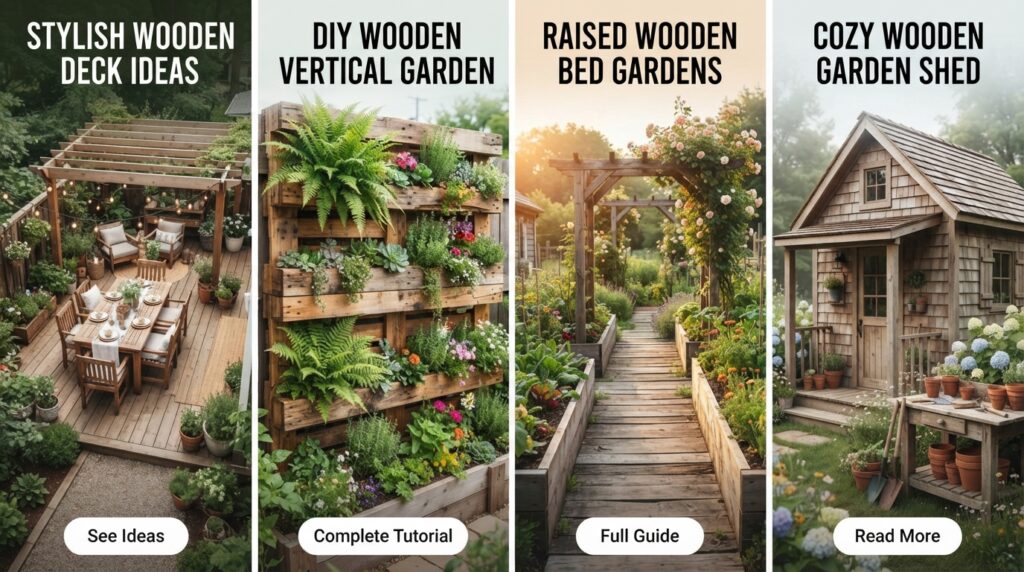
Wooden garden features can:
- Add warmth and natural texture
- Create attractive focal points
- Define garden spaces
- Provide seating
- Support climbing plants
- Create privacy
- Work with many garden styles
- Add functional storage
The right wood species and finish can also provide long-lasting outdoor performance when properly selected and maintained.
Wooden Garden Fence
A wooden fence can define the boundaries of your garden while creating a warm backdrop for plants.
Popular styles include:
- Horizontal slat fences
- Vertical picket fences
- Rustic timber fences
- Privacy fences
- Lattice panels
- Decorative garden fencing
Choose a design that complements your home’s architecture and the garden’s overall style.
Wooden Raised Garden Beds
Raised beds are one of the most practical uses of timber.
Use them for:
- Vegetables
- Herbs
- Flowers
- Pollinator plants
- Small fruit crops
Choose untreated or appropriately rated materials suitable for garden use, particularly when growing edible crops.
Wooden Garden Planters
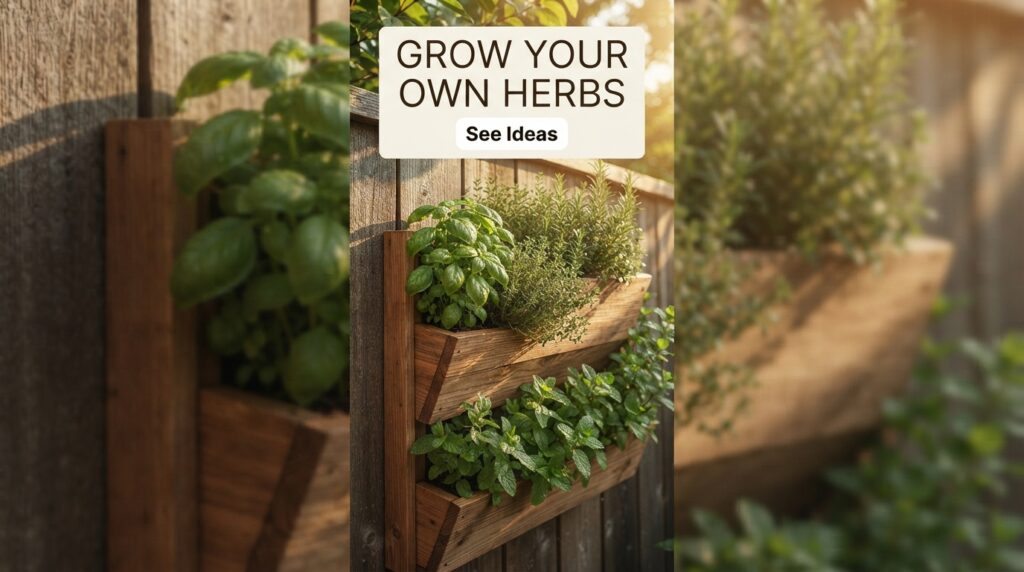
Wooden planters can soften patios, decks, entrances, and pathways.
Use them for:
- Flowers
- Herbs
- Shrubs
- Small trees
- Ornamental grasses
Add drainage holes and use suitable liners or construction methods where needed to prevent excessive moisture buildup.
Wooden Garden Bench
A wooden bench provides a simple place to relax and enjoy the garden.
Place one:
- Beneath a tree
- Beside a flower bed
- Near a pond
- Along a pathway
- Inside a garden room
Choose outdoor-rated timber and a suitable protective finish for your climate.
Wooden Pergola Garden
A wooden pergola can create an outdoor room while adding height and structure.
Use it for:
- Outdoor dining
- Seating
- Shade
- Climbing plants
- Garden entrances
Suitable climbing plants can soften the structure and make it feel integrated with the landscape.
Wooden Garden Arch
A timber arch can frame an entrance or pathway.
Decorate it with:
- Roses
- Clematis
- Jasmine
- Honeysuckle
- Climbing vines
Select climbing plants based on your local climate and the amount of sunlight available.
Wooden Garden Trellis
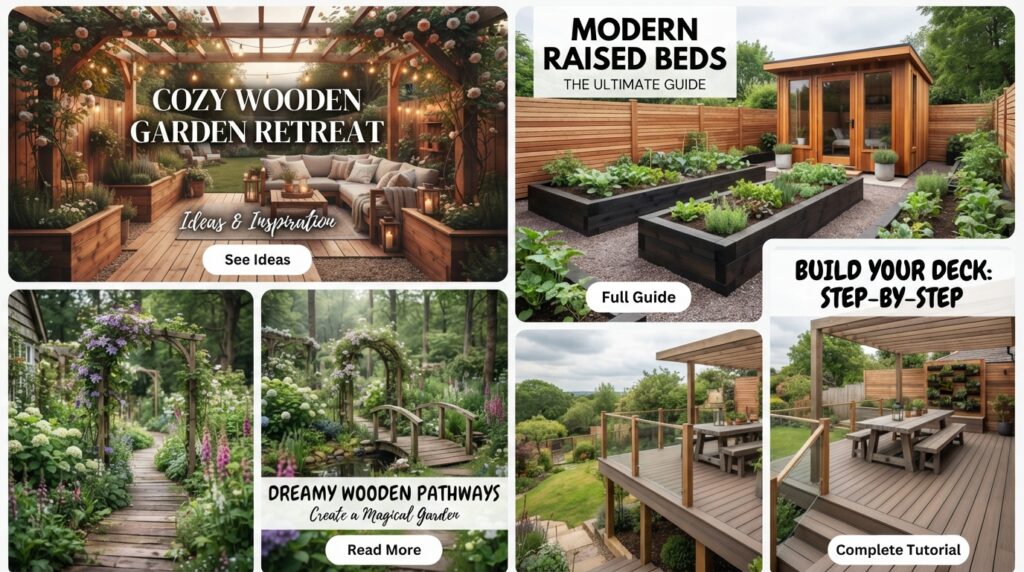
A trellis provides vertical structure while supporting climbing plants.
Use one against:
- Garden walls
- Fences
- Patios
- Raised beds
- Outdoor seating areas
Trellises are especially useful for maximizing vertical space in small gardens.
Wooden Garden Pathway
Wood can create a warm and organic alternative to stone paving.
Possible materials include:
- Timber stepping blocks
- Decking boards
- Wooden sleepers
- Exterior-rated wood tiles
Use slip-resistant, durable materials and provide appropriate drainage.
Wooden Garden Deck
A wooden deck can create a comfortable transition between the house and garden.
Use it for:
- Dining
- Lounging
- Outdoor cooking
- Container gardening
- Entertaining
Design the deck around existing trees, planting beds, and garden pathways rather than treating it as an isolated feature.
Rustic Wooden Garden
Rustic gardens benefit from weathered and natural-looking timber.
Combine wood with:
- Wildflowers
- Gravel
- Natural stone
- Vintage containers
- Wooden benches
- Reclaimed-looking features
Keep the planting informal for a relaxed countryside feel.
Modern Wooden Garden
Wood can also work beautifully in contemporary landscapes.
Use:
- Horizontal timber screens
- Clean-lined planters
- Simple decking
- Geometric raised beds
- Minimalist benches
Combine warm wood with concrete, stone, metal, or neutral paving for contrast.
Wooden Cottage Garden
A cottage garden can use timber to create a romantic and informal atmosphere.
Add:
- Wooden picket fencing
- Arbors
- Raised beds
- Trellises
- Rustic benches
- Climbing roses
Surround wooden features with abundant flowers and soft foliage.
Wooden Japanese-Inspired Garden
Wood is naturally suited to Japanese-inspired landscaping.
Use:
- Simple timber bridges
- Wooden gates
- Privacy screens
- Benches
- Pergolas
Pair timber with stone, gravel, carefully shaped shrubs, bamboo where appropriate, and water features.
Wooden Garden With Stone
Wood and stone make a balanced natural combination.
Use wood for:
- Seating
- Fences
- Decking
- Raised beds
Use stone for:
- Pathways
- Walls
- Edging
- Decorative features
The contrast between warm timber and cool stone can add depth to the landscape.
Wooden Garden With Gravel
Gravel is an affordable and versatile partner for timber.
Create:
- Gravel seating areas
- Paths
- Dry garden zones
- Raised-bed borders
- Decorative ground surfaces
Add timber edging to define transitions between gravel and planting.
Wooden Garden With Flowers
Flowers can soften timber structures.
Plant flowers around:
- Fences
- Raised beds
- Pergolas
- Arbors
- Garden benches
- Trellises
Choose a color palette that complements the wood’s natural tone or exterior finish.
Wooden Garden With Vegetable Beds
A productive garden can still look attractive.
Use timber beds for:
- Tomatoes
- Lettuce
- Carrots
- Beans
- Peppers
- Herbs
- Seasonal vegetables
Arrange beds in clear rows or geometric patterns to make maintenance easier.
Wooden Garden Storage
Wooden storage structures can keep garden equipment organized.
Consider:
- Small sheds
- Tool cabinets
- Storage benches
- Potting stations
- Log stores
Place storage where it is convenient but doesn’t dominate your main garden view.
Wooden Garden Furniture
Create a coordinated outdoor seating area with:
- Wooden chairs
- Benches
- Dining tables
- Lounge furniture
- Side tables
Use weather-resistant materials and maintain them according to the manufacturer’s recommendations.
DIY Wooden Garden Ideas
If you enjoy DIY projects, wood offers many possibilities.
Try making:
- Simple planters
- Raised beds
- Trellises
- Garden signs
- Small benches
- Compost storage
- Tool organizers
- Plant supports
Use safe construction practices and outdoor-rated hardware.
Wooden Garden Ideas on a Budget
You don’t need to replace your entire landscape.
Start with small projects such as:
- A simple timber planter
- DIY raised beds
- A small trellis
- Refinished garden furniture
- Timber edging
- A basic garden bench
Prioritize structural integrity and suitable outdoor materials.
Reclaimed Wood Garden
Reclaimed wood can create a distinctive rustic appearance.
Use suitable reclaimed timber for:
- Garden signs
- Planters
- Decorative walls
- Raised beds
- Small furniture projects
Inspect reclaimed materials carefully and avoid wood that may contain hazardous treatments or contaminants, especially for edible gardening.
Wooden Garden Privacy Screen
A timber privacy screen can create a secluded outdoor retreat.
Popular designs include:
- Vertical slats
- Horizontal boards
- Lattice panels
- Decorative screens
- Mixed timber patterns
Add climbing plants to soften the structure.
Wooden Garden Room
A garden room can extend your living space outdoors.
Use timber to create:
- A covered seating area
- Outdoor office
- Garden studio
- Dining pavilion
- Relaxation space
Include appropriate weather protection, ventilation, drainage, and electrical installation where required.
How to Design a Wooden Garden
Step 1: Choose Your Garden Style
Decide whether you prefer rustic, modern, cottage, Japanese-inspired, farmhouse, or contemporary design.
Step 2: Select the Main Timber Features
Choose one or two major elements such as fencing, decking, raised beds, or a pergola.
Step 3: Plan the Layout
Consider paths, planting areas, seating, storage, and circulation.
Step 4: Add Plants
Use greenery and flowers to soften hard wooden structures.
Step 5: Combine Materials
Add stone, gravel, metal, or concrete to create contrast.
Step 6: Add Lighting
Use subtle outdoor lighting around pathways, seating, and structures.
Step 7: Maintain the Wood
Clean, inspect, seal, stain, or repaint timber according to its material and exposure.
Common Wooden Garden Mistakes
Choosing Unsuitable Wood
Not every timber is appropriate for outdoor use.
Poor Drainage
Wood that remains constantly wet can deteriorate more quickly.
Ignoring Maintenance
Outdoor wood requires appropriate inspection and care.
Overusing Timber
Too much of the same material can make a landscape feel visually heavy.
Crowding Wooden Features
Leave enough space around structures so plants and people can move comfortably.
Frequently Asked Questions
What wood is best for a garden?
The best option depends on climate, budget, intended use, and maintenance preferences. Choose timber rated or naturally suitable for outdoor exposure.
How do I protect wood in the garden?
Use appropriate outdoor finishes, provide drainage and airflow, keep wood away from prolonged ground contact where appropriate, and inspect it regularly.
Can wood be used for raised vegetable beds?
Yes. Choose appropriate untreated or garden-safe materials and avoid timber with potentially harmful treatments for edible gardening.
Is a wooden garden suitable for a small space?
Yes. Vertical trellises, compact planters, benches, privacy screens, and raised beds can make excellent use of limited space.
How can I make a wooden garden look modern?
Choose clean-lined timber structures, simple geometric planting, neutral paving, and a limited color palette.
Conclusion
A wooden garden combines natural warmth with practical landscaping. From raised beds and planters to pergolas, benches, fences, pathways, trellises, and garden rooms, timber can transform an outdoor space while complementing plants and other natural materials.
Begin with one major wooden feature and build the landscape around it. Select suitable outdoor materials, provide good drainage, and plan for ongoing maintenance. Whether your style is rustic, modern, cottage, Japanese-inspired, or contemporary, wooden garden features can create a welcoming outdoor space with lasting character.