
 By John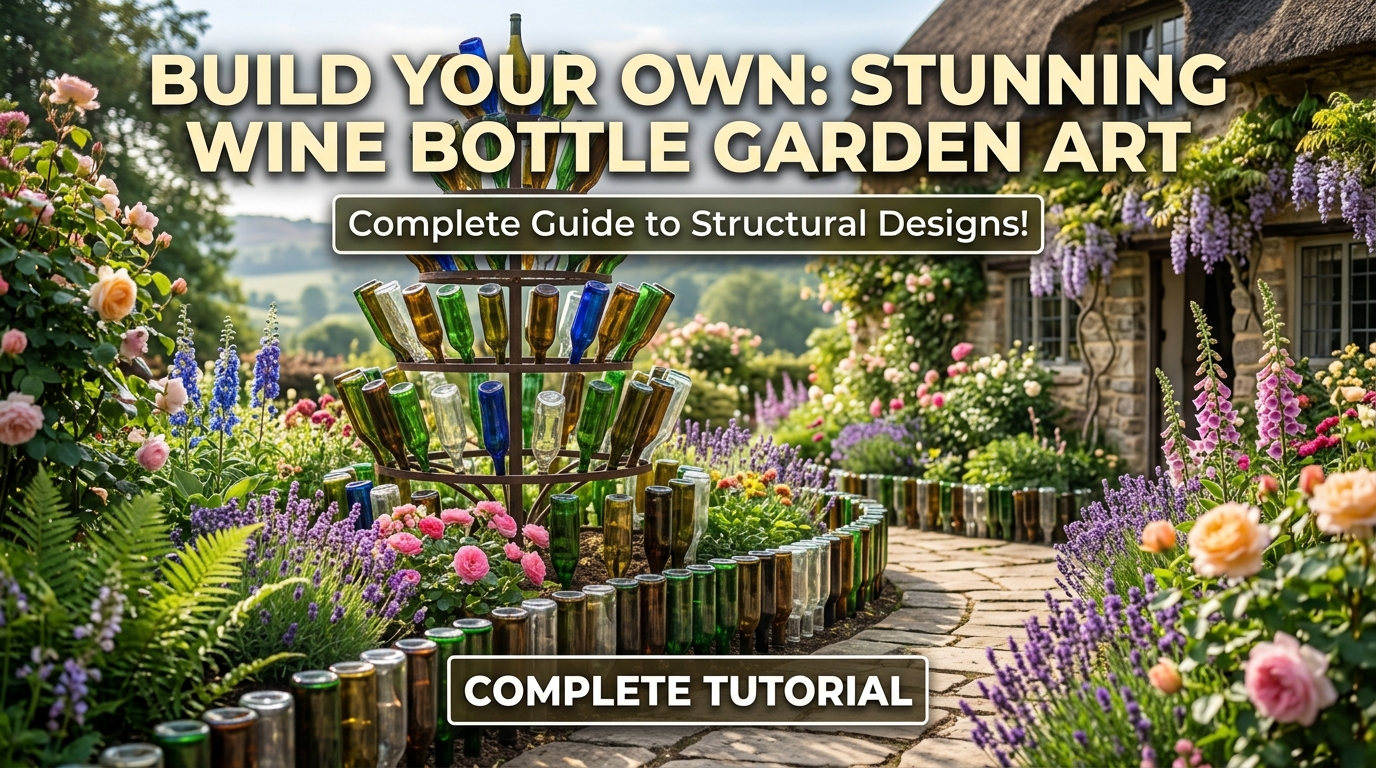
Wine Bottle Garden Ideas: DIY Projects, Recycled Garden Decorations, and Eco-Friendly Outdoor Inspiration
A wine bottle garden is a creative and eco-friendly way to add personality, color, and charm to your outdoor space using recycled glass bottles. Instead of throwing away empty wine bottles, gardeners are transforming them into beautiful borders, planters, garden edging, pathways, sculptures, bird feeders, wind chimes, and decorative art pieces. These unique DIY projects not only reduce waste but also create one-of-a-kind garden features that become conversation starters.
Whether you have a large backyard, a small patio, or a compact balcony garden, wine bottles can be repurposed into stylish decorations that complement almost any landscaping style. From rustic cottage gardens to modern outdoor spaces, recycled glass adds texture, color, and artistic appeal while supporting sustainable gardening practices.
This complete guide explores the best wine bottle garden ideas, DIY projects, decorating inspiration, landscaping tips, maintenance advice, and creative ways to transform ordinary bottles into extraordinary outdoor décor.
Why Create a Wine Bottle Garden?
Recycling wine bottles offers many practical and decorative benefits.
Advantages include:
- Eco-friendly gardening
- Low-cost decorations
- Unique garden art
- Sustainable landscaping
- Creative DIY projects
- Reduced household waste
- Personalized outdoor spaces
- Colorful garden accents
Every bottle can become a functional or decorative garden feature.
Planning Your Wine Bottle Garden
Before starting your project, evaluate your outdoor space.
Consider:
- Garden size
- Available bottles
- Color combinations
- Safety
- Sunlight
- Landscaping style
- Budget
- Maintenance needs
A thoughtful plan creates a cohesive design.
Wine Bottle Garden Borders
One of the simplest projects is creating decorative edging.
To make a border:
- Clean the bottles thoroughly.
- Remove all labels.
- Turn the bottles upside down.
- Push the necks into the soil.
- Space them evenly for a neat appearance.
Green, amber, blue, and clear bottles create striking visual patterns.
Raised Garden Bed Edging
Wine bottles make attractive borders for raised beds.
Benefits include:
- Clearly defined planting areas
- Decorative finish
- Weed control assistance
- Long-lasting material
Combine bottles with timber or stone for extra stability.
Garden Pathway Borders
Line garden paths with colorful bottles.
Suitable materials include:
- Wine bottles
- Gravel
- Mulch
- Stepping stones
Bottle borders guide visitors while adding artistic flair.
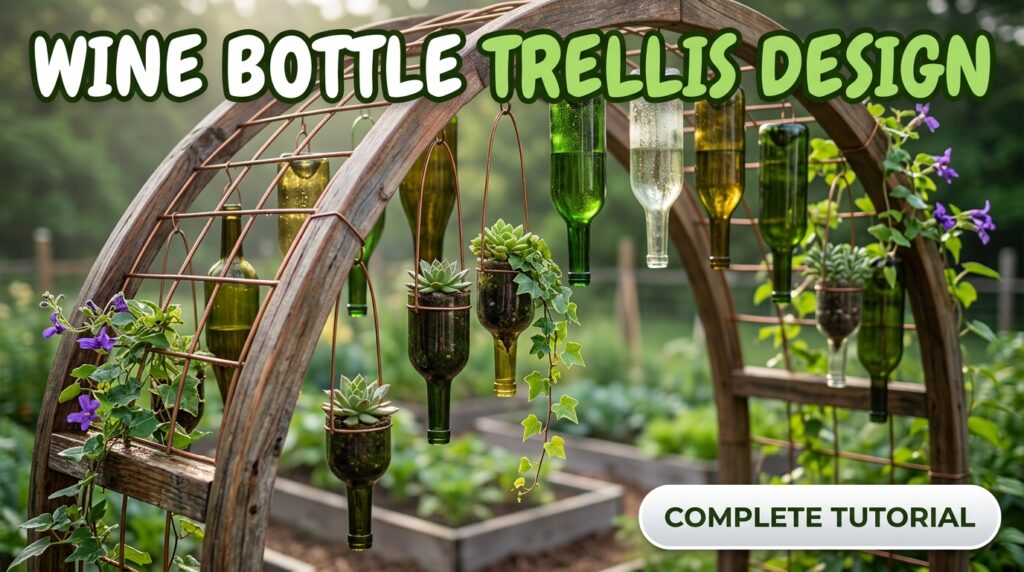
Wine Bottle Planters
Repurpose bottles into hanging or tabletop planters.
Popular plants include:
- Succulents
- Herbs
- Pothos
- Ivy
- Small flowers
Cut bottles carefully using proper glass-cutting tools and safety equipment.
Vertical Wine Bottle Garden
Maximize small spaces with a vertical garden.
Attach bottles to:
- Wooden pallets
- Fence panels
- Metal frames
- Garden walls
Grow herbs, strawberries, or trailing flowers for a living wall.
Wine Bottle Bird Feeders
Turn bottles into charming bird feeders.
Benefits include:
- Attract birds
- Support local wildlife
- Add decorative interest
- Encourage biodiversity
Place feeders in quiet garden areas away from predators.
Wine Bottle Bird Baths
Combine bottles with shallow bowls to create artistic bird baths.
Surround them with:
- Native flowers
- Ornamental grasses
- Pollinator-friendly plants
Bird-friendly gardens become more vibrant throughout the year.
Wine Bottle Wind Chimes
Colorful bottles make beautiful outdoor wind chimes.
Decorate with:
- Beads
- Twine
- Copper wire
- Driftwood
Hang them where gentle breezes create soothing sounds.
Wine Bottle Garden Lights
Transform bottles into glowing decorations.
Ideas include:
- Solar lights
- LED string lights
- Bottle lanterns
- Path lights
Soft lighting creates a magical evening atmosphere.
Wine Bottle Garden Sculptures
Build eye-catching artwork using recycled bottles.
Creative ideas include:
- Bottle flowers
- Bottle trees
- Decorative towers
- Glass mosaics
- Artistic totems
These sculptures become unique focal points.
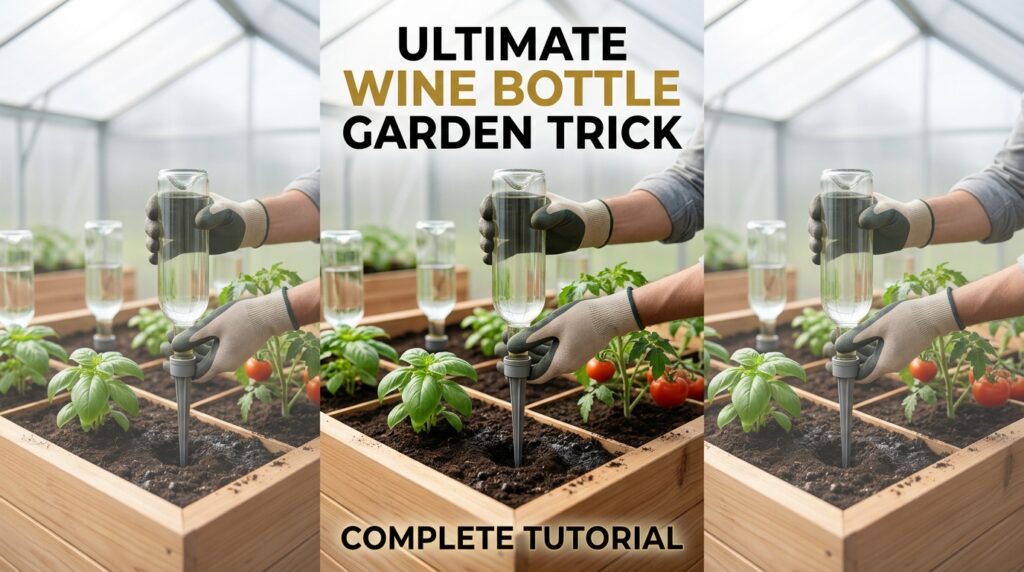
Wine Bottle Watering System
Wine bottles can slowly water plants.
Simply:
- Fill the bottle with water.
- Insert a watering spike or suitable cap.
- Place it upside down near plant roots.
This helps maintain consistent soil moisture.
Decorative Bottle Trees
Bottle trees are popular in many gardens.
Benefits include:
- Bright color
- Artistic appearance
- Easy construction
- Year-round interest
Use bottles of different colors for maximum impact.
Garden Fence Decorations
Attach bottles creatively to fences.
Arrange them by:
- Color
- Height
- Pattern
- Shape
Decorated fences become attractive garden backdrops.
Flower Bed Decorations
Use bottles among flowers to add color and texture.
Pair them with:
- Lavender
- Roses
- Coneflowers
- Marigolds
- Petunias
- Zinnias
Glass accents complement vibrant blooms.
Fairy Garden Features
Mini wine bottles work well in whimsical fairy gardens.
Include:
- Tiny pathways
- Mini houses
- Decorative pebbles
- Moss
- Small figurines
Fairy gardens delight both children and adults.
Sustainable Gardening
Wine bottle projects support environmentally friendly gardening.
Combine them with:
- Composting
- Rainwater harvesting
- Native plants
- Organic mulch
- Pollinator gardens
Recycling reduces waste while creating beautiful landscapes.
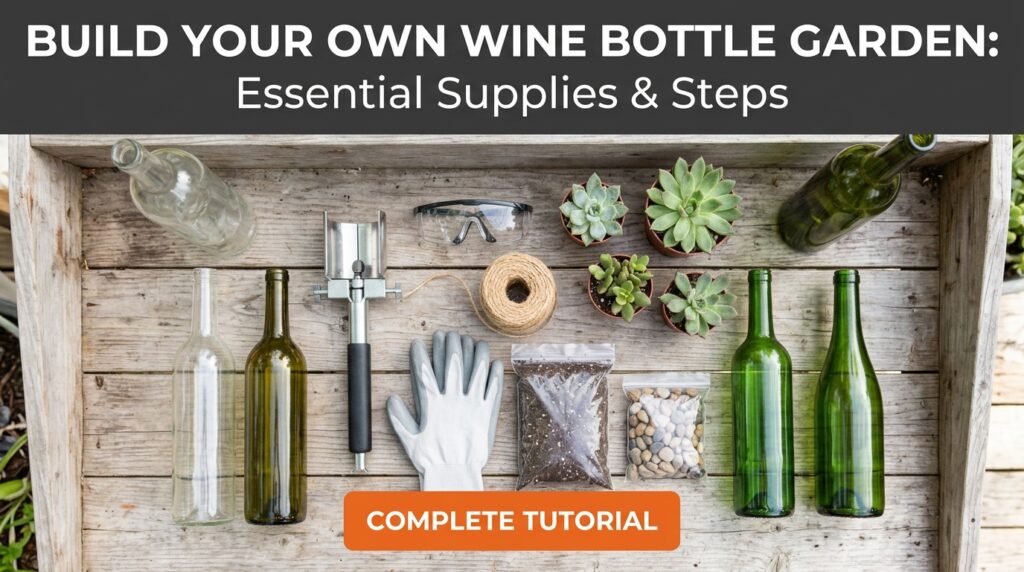
Safety Tips
Always handle glass carefully.
Important precautions include:
- Wear gloves
- Use eye protection
- Smooth sharp edges
- Keep broken glass away from children and pets
- Secure bottles firmly in the ground
Safety should always come first during DIY projects.
Seasonal Decorating Ideas
Refresh your bottle garden throughout the year.
Spring
Add:
- Tulips
- Daffodils
- Pastel decorations
Summer
Decorate with:
- Bright flowers
- Solar lights
- Hanging baskets
Autumn
Display:
- Pumpkins
- Colorful foliage
- Rustic accents
Winter
Use:
- Evergreen branches
- Outdoor lights
- Seasonal ornaments
Seasonal updates keep your garden looking fresh.
Common Mistakes to Avoid
Avoid these common DIY errors:
- Using dirty bottles
- Leaving sharp edges exposed
- Poor bottle spacing
- Weak supports
- Overcrowding decorations
- Ignoring safety precautions
Careful planning creates professional-looking results.
Maintenance Tips
Keep your wine bottle garden looking its best by:
- Cleaning bottles regularly
- Checking for loose pieces
- Removing algae if needed
- Washing decorative lights
- Refreshing surrounding plants
- Replacing damaged bottles
Routine care preserves both beauty and safety.
Frequently Asked Questions
What can I make with wine bottles in the garden?
Wine bottles can be turned into borders, planters, bird feeders, wind chimes, garden lights, bottle trees, sculptures, watering systems, and decorative edging.
Are wine bottles safe to use outdoors?
Yes. When bottles are securely installed and any sharp edges are properly smoothed or avoided, they can be used safely in outdoor gardens.
Which bottle colors look best?
Green, amber, cobalt blue, and clear bottles all create attractive effects. Mixing colors often produces the most eye-catching displays.
How do I clean wine bottles before using them?
Soak bottles in warm, soapy water to remove labels, then rinse thoroughly and allow them to dry before starting your project.
Can wine bottle gardens be environmentally friendly?
Absolutely. Reusing glass bottles reduces waste, encourages recycling, and supports sustainable gardening practices while creating unique outdoor décor.
Conclusion
A wine bottle garden is a creative, affordable, and eco-friendly way to personalize your outdoor space while giving discarded glass bottles a second life. From decorative borders and raised bed edging to bird feeders, planters, bottle trees, lighting, and artistic sculptures, the possibilities are nearly endless.
By combining recycled wine bottles with flowers, greenery, pathways, and sustainable landscaping techniques, you can create a unique garden filled with color, creativity, and character. With careful planning, safe construction, and regular maintenance, your wine bottle garden will remain a beautiful conversation piece that reflects both your imagination and your commitment to environmentally friendly gardening.