
 By John
Gray Garden Ideas, Silver Foliage Plants, Monochromatic Garden Design, and Low-Maintenance Landscaping Inspiration
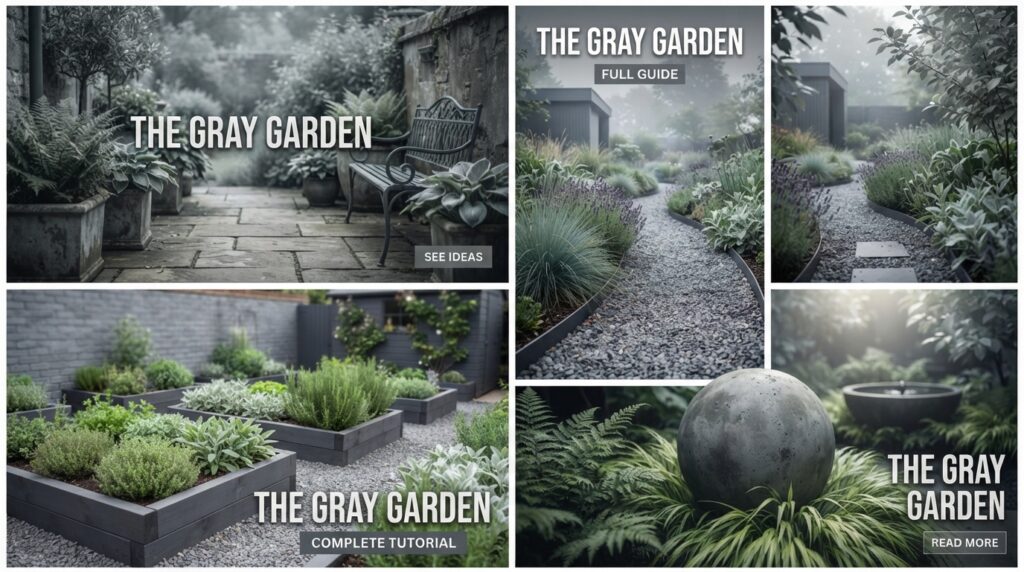
The gray garden is one of the most sophisticated and timeless landscaping styles you can create. While many traditional gardens rely on bright flowers and vibrant color combinations, a gray garden focuses on subtle beauty through silver foliage, soft gray tones, blue-gray leaves, textured plants, and elegant hardscaping materials. The result is a peaceful outdoor retreat that feels refined, modern, and effortlessly stylish.
Gray gardens have become increasingly popular among homeowners, landscape designers, and gardening enthusiasts because they offer year-round visual interest while requiring relatively low maintenance. Silver and gray foliage plants often thrive in sunny conditions, tolerate drought, and complement a wide variety of architectural styles. Whether you have a small courtyard, a modern backyard, a cottage garden, or a Mediterranean-inspired landscape, a gray garden can transform your outdoor space into a calming sanctuary.
This comprehensive guide explores everything you need to know about designing, planting, and maintaining a beautiful gray garden.
What Is a Gray Garden?
A gray garden is a landscape design that emphasizes silver, gray, blue-gray, and muted green foliage as the primary visual elements. Rather than depending on colorful flowers for impact, gray gardens use texture, structure, form, and subtle color variations to create interest.
These gardens often include:
- Silver-leaved plants
- Gray ornamental grasses
- Natural stone pathways
- Decorative gravel
- Architectural shrubs
- Minimalist planting schemes
- Soft white flowers
- Weathered wood features
The overall effect is calm, elegant, and harmonious.
Unlike highly colorful gardens that change dramatically throughout the seasons, gray gardens maintain a consistent appearance throughout the year, making them particularly appealing for homeowners seeking long-lasting beauty.
Why Choose a Gray Garden?
There are many reasons why gray gardens have become a favorite among modern gardeners.
Timeless Elegance
Gray is a neutral color that never goes out of style. A gray garden feels sophisticated and mature, creating an atmosphere of quiet luxury.
Year-Round Beauty
Many silver and gray plants maintain their foliage throughout the year. This means your garden remains attractive even when flowering plants are not in bloom.
Low Maintenance
Many gray-leaved plants originate from dry climates and require less water, fertilizer, and pruning than traditional flowering plants.
Water Efficiency
Silver foliage often reflects sunlight and helps plants conserve moisture. This makes gray gardens ideal for drought-prone regions.
Versatility
Gray gardens complement modern, Mediterranean, coastal, cottage, and contemporary landscapes.
Enhanced Texture
Without relying heavily on flowers, gray gardens encourage a greater appreciation of texture, shape, and form.
Understanding Gray Foliage Plants
Gray and silver foliage plants have evolved unique adaptations that help them survive challenging conditions.
Many silver leaves are covered in tiny hairs or waxy coatings that:
- Reflect sunlight
- Reduce water loss
- Protect against intense heat
- Improve drought tolerance
These adaptations not only benefit the plants but also create the beautiful silver appearance that makes gray gardens so appealing.
Essential Design Principles for a Gray Garden

A successful gray garden requires thoughtful planning.
Focus on Texture
Texture is the heart of gray garden design.
Combine:
- Soft foliage
- Fine grasses
- Large leaves
- Spiky plants
- Rounded shrubs
The contrast between textures creates visual interest even when colors are limited.
Layer Plant Heights
Use multiple plant layers to add depth.
Include:
- Ground covers
- Perennials
- Shrubs
- Small trees
Layering creates a more natural and visually balanced landscape.
Repeat Key Plants
Repetition creates unity and rhythm throughout the garden.
Plant the same varieties in multiple locations to establish consistency.
Incorporate Structural Elements
Hardscape features help define the space.
Consider:
- Stone pathways
- Gravel beds
- Retaining walls
- Garden benches
- Water features
These elements enhance the garden’s elegance.
Create Focal Points
Every garden benefits from a focal point.
Examples include:
- A specimen olive tree
- A sculpture
- A fountain
- A seating area
- A large decorative planter
Focal points guide the eye through the landscape.
Best Plants for a Gray Garden

Choosing the right plants is essential for creating a successful gray garden.
Lavender
Lavender is one of the most iconic silver-foliage plants.
Benefits include:
- Fragrant flowers
- Drought tolerance
- Pollinator attraction
- Year-round foliage interest
Lavender works beautifully in borders and pathways.
Lamb’s Ear
Known for its velvety silver leaves.
Advantages include:
- Soft texture
- Ground-cover potential
- Low maintenance
Its unique foliage adds tactile appeal.
Dusty Miller
Dusty miller offers striking silver foliage that contrasts beautifully with darker plants.
Benefits include:
- Bright appearance
- Easy care
- Long-lasting color
Artemisia
Artemisia provides feathery silver foliage.
Popular varieties include:
- Silver Mound
- Powis Castle
These plants create softness and movement.
Olive Trees
Olive trees are a staple of Mediterranean gray gardens.
Advantages include:
- Architectural beauty
- Drought resistance
- Year-round interest
Their silvery leaves create a sophisticated focal point.
Russian Sage
Russian sage combines silver foliage with purple flowers.
Benefits include:
- Long blooming period
- Pollinator attraction
- Drought tolerance
Blue Fescue
A compact ornamental grass with blue-gray foliage.
Ideal for:
- Borders
- Gravel gardens
- Modern landscapes
Eucalyptus
Many eucalyptus varieties feature beautiful silver foliage.
Their dramatic form adds height and structure.
White Flowers for a Gray Garden
While foliage is the primary focus, flowers can add subtle highlights.
White flowers work especially well because they complement the monochromatic palette.
Popular choices include:
White Roses
Classic and elegant.
Hydrangeas
Large blooms create visual impact.
Gaura
Provides delicate movement.
Shasta Daisies
Bright and cheerful without overwhelming the design.
White Salvia
Adds vertical interest and pollinator appeal.
Ornamental Grasses for Gray Gardens
Grasses introduce movement and texture.
Excellent choices include:
- Blue fescue
- Feather reed grass
- Mexican feather grass
- Blue oat grass
Their graceful forms soften hardscape features.
Hardscaping Ideas for Gray Gardens
Hardscape materials play a major role in the overall design.
Gravel Pathways
Gravel enhances the monochromatic theme while improving drainage.
Popular colors include:
- Light gray
- Silver
- White
- Charcoal
Natural Stone
Stone adds permanence and elegance.
Suitable materials include:
- Limestone
- Slate
- Granite
Weathered Wood
Aged wood complements gray foliage beautifully.
Metal Features
Steel planters and garden sculptures create modern contrast.
Gray Garden Styles
Modern Gray Garden
Features:
- Minimalist layouts
- Clean lines
- Architectural plants
- Decorative gravel
Mediterranean Gray Garden
Includes:
- Olive trees
- Lavender
- Stone walls
- Terracotta containers
Coastal Gray Garden
Combines:
- Ornamental grasses
- Silver shrubs
- Driftwood elements
Cottage Gray Garden
Softens gray foliage with white flowers and informal planting.
Small Gray Garden Ideas
Even compact spaces can benefit from gray garden design.
Ideas include:
- Container gardens
- Courtyard landscapes
- Balcony gardens
- Small gravel beds
Use vertical planting to maximize limited space.
Container Gardening in Gray Themes
Containers allow flexibility and creativity.
Popular combinations include:
- Lavender and dusty miller
- Olive trees and ornamental grasses
- Artemisia and white flowers
Choose neutral-colored pots for a cohesive appearance.
Gray Garden Lighting Ideas
Lighting enhances the garden after sunset.
Popular options include:
- Path lights
- Spotlights
- Lanterns
- Uplighting
Silver foliage often glows beautifully under evening lighting.
Water Features in Gray Gardens
Water introduces movement and tranquility.
Ideas include:
- Reflecting pools
- Stone fountains
- Water bowls
- Modern water walls
The reflective quality of water complements silver foliage perfectly.
Wildlife-Friendly Gray Gardens
Gray gardens can support local wildlife.
Plant pollinator-friendly species such as:
- Lavender
- Russian sage
- Salvia
- Gaura
Add bird baths and sheltering plants to encourage biodiversity.
Seasonal Interest in a Gray Garden
Spring
Fresh foliage emerges alongside white blooms.
Summer
Lavender and Russian sage provide fragrance and color.
Autumn
Grasses develop beautiful seed heads.
Winter
Evergreen silver plants maintain structure and interest.
The garden remains attractive throughout the year.
Common Gray Garden Design Mistakes
Avoid these pitfalls:
Lack of Texture
Without texture variation, gray gardens can feel flat.
Too Many Plant Varieties
Limit selections for a more cohesive appearance.
Ignoring Structure
Strong architectural elements are essential.
Overusing Bright Colors
Too much color disrupts the calming atmosphere.
Poor Drainage
Many silver plants prefer well-drained soil.
Maintenance Tips
Gray gardens are relatively easy to maintain.
Water Wisely
Most silver plants prefer deep, infrequent watering.
Prune Regularly
Remove dead growth to maintain shape.
Mulch Annually
Mulch conserves moisture and suppresses weeds.
Divide Perennials
Periodic division promotes healthy growth.
Monitor Plant Health
Inspect regularly for pests and diseases.
Frequently Asked Questions
What is a gray garden?
A gray garden is a landscape design that emphasizes silver, gray, and blue-gray foliage along with subtle textures and muted colors.
Are gray gardens low maintenance?
Yes. Many gray-leaved plants are drought tolerant and require minimal care.
What plants work best in a gray garden?
Lavender, lamb’s ear, dusty miller, artemisia, olive trees, Russian sage, blue fescue, and eucalyptus are excellent choices.
Can gray gardens include flowers?
Absolutely. White flowers and soft pastel blooms complement gray foliage beautifully.
Are gray gardens suitable for small spaces?
Yes. Gray garden principles work well in courtyards, patios, balconies, and compact urban gardens.
Conclusion
The gray garden is a perfect example of how subtlety can create extraordinary beauty. By focusing on silver foliage, elegant textures, architectural forms, and carefully selected plants, you can design a landscape that feels peaceful, sophisticated, and timeless.
Whether you choose a modern minimalist garden, a Mediterranean-inspired retreat, or a soft cottage-style landscape, gray garden design offers endless opportunities for creativity. With thoughtful planning, quality plants, and simple maintenance, your gray garden can provide year-round elegance while remaining practical and environmentally friendly.
A well-designed gray garden is more than just a collection of plants—it is a calming outdoor sanctuary where texture, light, and natural beauty come together to create a truly unforgettable landscape.