
 By John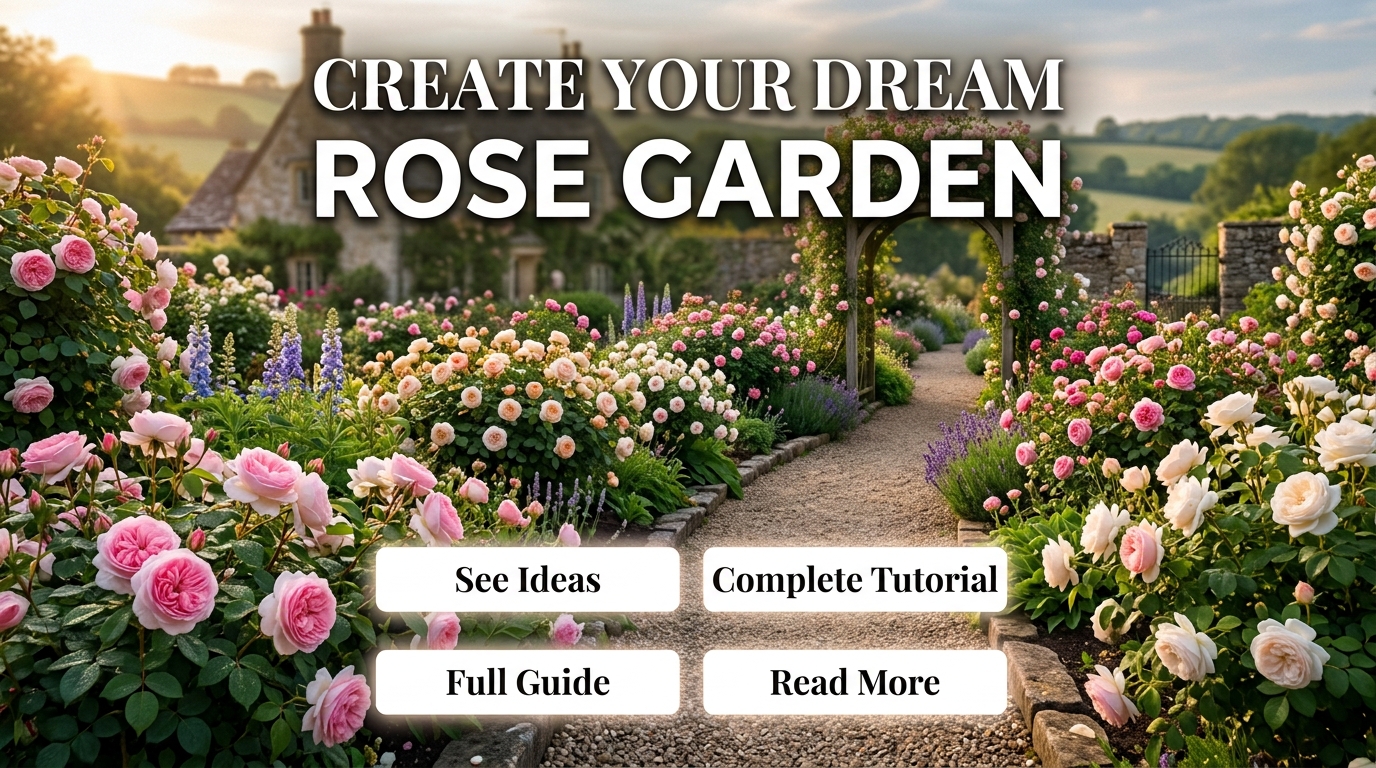
A rose garden landscape is one of the most elegant and timeless additions to any outdoor space. Known for their breathtaking blooms, enchanting fragrance, and classic beauty, roses have been cherished in gardens for centuries. Whether you’re creating a formal English rose garden, a charming cottage landscape, a modern backyard retreat, or a grand estate garden, roses can become the stunning centerpiece of your landscape design.
A well-planned rose garden is more than simply planting roses. It combines thoughtful layouts, companion plants, pathways, seating areas, and decorative features to create a harmonious outdoor environment that offers beauty from spring through autumn. With the right care and plant selection, your rose garden can become a relaxing sanctuary filled with vibrant color, delightful scents, and year-round interest.
This complete guide explores everything you need to know about designing, planting, and maintaining a beautiful rose garden landscape.
Why Choose a Rose Garden Landscape?
A rose garden offers beauty, elegance, and long-lasting appeal.
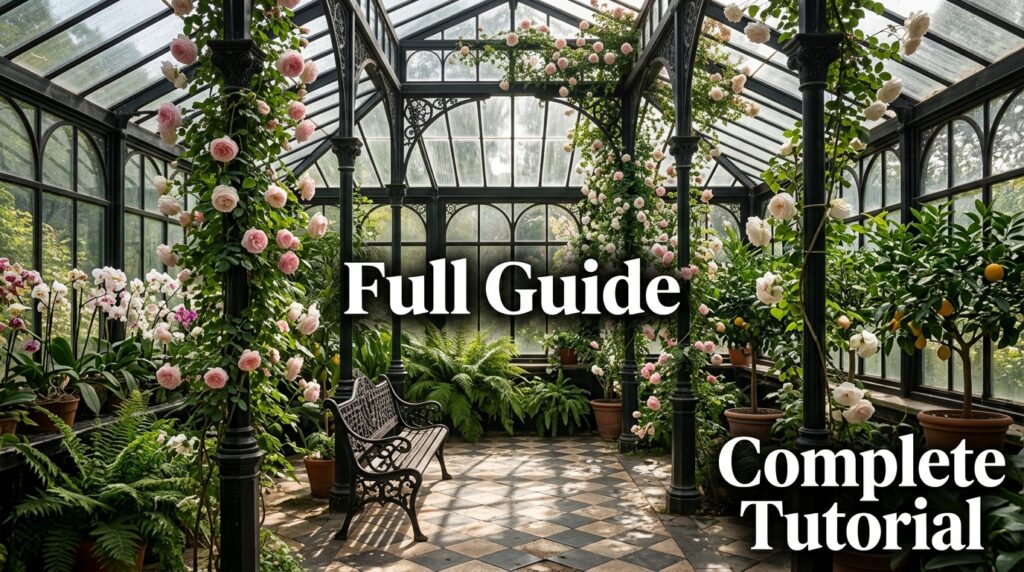
Benefits include:
- Stunning seasonal flowers
- Pleasant fragrance
- Timeless landscape design
- Excellent cut flowers
- Increased curb appeal
- Attraction for bees and butterflies
- Wide variety of colors and bloom styles
- Suitable for gardens of all sizes
Whether planted in borders, beds, containers, or climbing over structures, roses create a memorable focal point in any landscape.
Choose the Best Location
Roses perform best when planted in the right conditions.
Look for an area with:
- At least six hours of direct sunlight daily
- Good air circulation
- Well-drained soil
- Protection from strong winds
- Easy access to water
Morning sunlight is especially beneficial because it helps dry dew from the leaves, reducing the risk of fungal diseases.
Avoid low areas where water tends to collect.
Plan Your Garden Layout
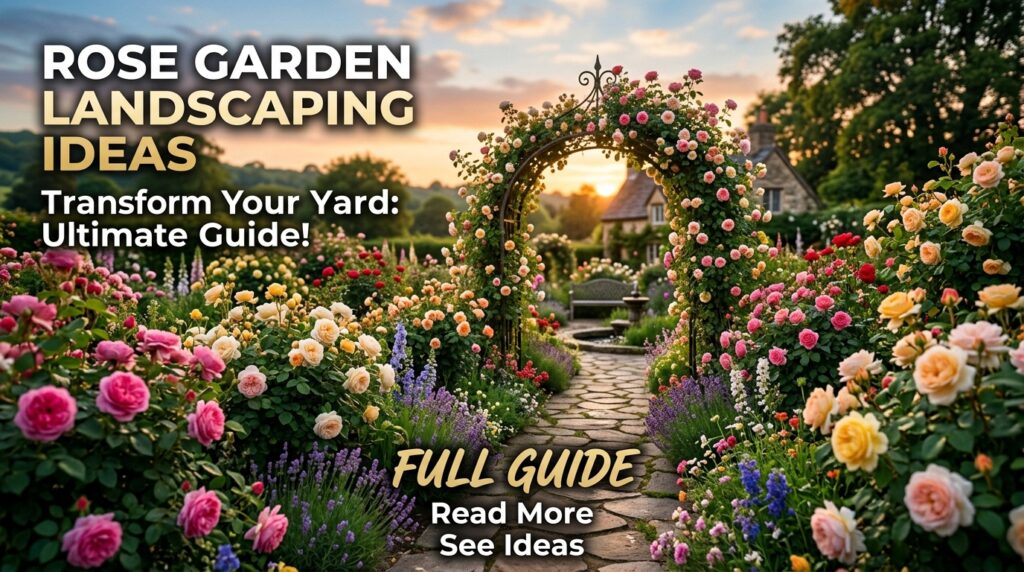
Before planting, sketch a layout that balances beauty and functionality.
Consider including:
- Rose beds
- Garden pathways
- Seating areas
- Decorative borders
- Lawn sections
- Pergolas or arbors
- Water features
A thoughtful layout creates a garden that is easy to maintain while providing attractive views from every angle.
Select the Right Types of Roses
Different rose varieties serve different purposes in the landscape.
Hybrid Tea Roses
Perfect for formal gardens and cutting flowers.
Features:
- Large blooms
- Long stems
- Elegant appearance
Floribunda Roses
Ideal for continuous color.
Benefits include:
- Clusters of flowers
- Long blooming season
- Compact growth
Grandiflora Roses
A combination of Hybrid Tea and Floribunda characteristics.
Excellent for dramatic displays.
Climbing Roses
Perfect for:
- Arbors
- Trellises
- Pergolas
- Garden walls
Their long canes create spectacular vertical displays.
Shrub Roses
Excellent for low-maintenance landscapes.
They provide:
- Continuous blooms
- Disease resistance
- Dense growth
Miniature Roses
Ideal for:
- Containers
- Borders
- Small gardens
Their compact size makes them highly versatile.
Design with Color
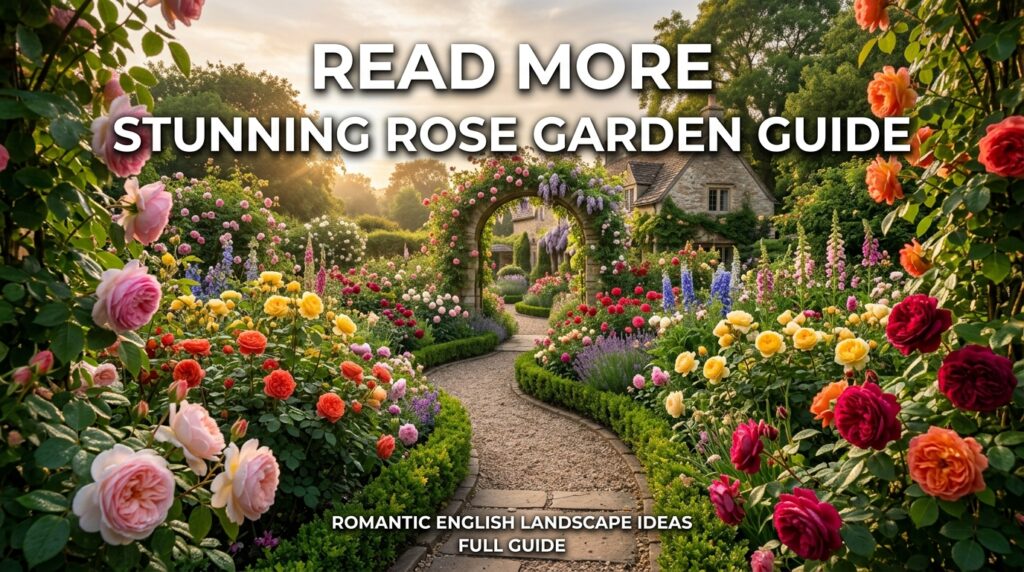
Color planning creates visual harmony.
Popular color combinations include:
Romantic Garden
- Pink
- White
- Lavender
Bold Garden
- Red
- Orange
- Yellow
Elegant Landscape
- White
- Cream
- Soft blush
Cottage Garden
Mix various shades of:
- Pink
- Peach
- Yellow
- Purple
Repeating colors throughout the garden creates a cohesive design.
Create Beautiful Rose Borders
Border planting highlights pathways and lawns.
Mix roses with companion plants to soften the appearance.
Popular border plants include:
- Lavender
- Catmint
- Salvia
- Boxwood
- Dianthus
These plants complement roses while helping fill empty spaces.
Add Companion Plants
Companion planting improves both beauty and biodiversity.
Excellent companions include:
- Lavender
- Foxgloves
- Delphiniums
- Alliums
- Geraniums
- Sage
- Nepeta
- Yarrow
These plants provide contrasting textures and extended seasonal interest.
Many also attract pollinators.
Build Elegant Garden Pathways
Walkways encourage visitors to explore the garden.
Popular materials include:
- Brick
- Natural stone
- Gravel
- Flagstone
Curved pathways create a romantic atmosphere, while straight paths suit formal gardens.
Wide paths allow easy maintenance and comfortable walking.
Include a Central Focal Point
Every landscape benefits from a visual centerpiece.
Ideas include:
- Stone fountain
- Garden statue
- Sundial
- Decorative urn
- Bird bath
A focal point anchors the design and creates a memorable feature.
Install Garden Arbors and Pergolas
Vertical structures add height and elegance.
Allow climbing roses to cover:
- Wooden pergolas
- Metal arches
- Trellises
- Garden gates
Flower-covered structures create breathtaking entrances and shaded seating areas.
Create a Cozy Seating Area
Enjoy the beauty of your roses with a comfortable seating space.
Include:
- Garden bench
- Bistro table
- Adirondack chairs
- Pergola seating
Position seating where you can enjoy both the fragrance and the view.
Surround the area with blooming roses for a peaceful retreat.
Add Water Features
Water features enhance relaxation.
Popular choices include:
- Tiered fountains
- Reflecting pools
- Small ponds
- Wall fountains
The sound of moving water creates a tranquil atmosphere while attracting birds.
Use Decorative Edging
Garden edging creates neat, defined planting beds.
Suitable materials include:
- Brick
- Natural stone
- Steel edging
- Concrete edging
Defined borders improve the overall appearance while reducing lawn maintenance.
Mulch Around Roses
Mulching provides numerous benefits.
It helps:
- Retain moisture
- Suppress weeds
- Protect roots
- Improve soil
Organic mulch options include:
- Bark chips
- Compost
- Pine bark
- Shredded leaves
Apply two to three inches while keeping mulch away from the base of each plant.
Water Properly
Roses perform best with deep, consistent watering.
Best practices include:
- Water early in the morning
- Water at the base
- Avoid wetting foliage
- Water deeply rather than frequently
Proper watering encourages strong root development.
Feed Your Roses
Healthy roses require regular nutrition.
Apply:
- Compost
- Organic rose fertilizer
- Slow-release fertilizer
Feed during:
- Early spring
- After the first bloom
- Mid-summer
Avoid fertilizing late in autumn.
Prune Regularly
Pruning encourages healthy growth and abundant blooms.
Benefits include:
- Better airflow
- More flowers
- Disease prevention
- Improved shape
Remove:
- Dead branches
- Weak stems
- Crossed growth
- Spent flowers
Annual pruning keeps roses vigorous.
Seasonal Rose Garden Care
Spring
- Fertilize
- Prune
- Mulch
- Plant new roses
Summer
- Deadhead blooms
- Water deeply
- Monitor pests
Autumn
- Remove diseased leaves
- Reduce watering
- Prepare for winter
Winter
- Protect roots with mulch
- Prune lightly if needed
- Plan next season’s additions
Consistent seasonal care keeps the garden healthy year after year.
Lighting Your Rose Garden
Outdoor lighting extends the enjoyment of your landscape.
Popular choices include:
- Path lights
- Spotlights
- String lights
- Lanterns
Warm lighting highlights flowers while creating a magical evening atmosphere.
Budget-Friendly Rose Garden Ideas
Beautiful rose gardens can be created on almost any budget.
Affordable ideas include:
- Buy bare-root roses
- Propagate from cuttings where appropriate
- Build DIY raised beds
- Use gravel pathways
- Make homemade compost
- Repurpose containers
Gradual improvements often create the most satisfying gardens.
Common Mistakes to Avoid
Avoid these common problems:
- Planting roses too close together
- Choosing too much shade
- Overwatering
- Ignoring soil quality
- Skipping regular pruning
- Forgetting disease prevention
Good planning and consistent care lead to healthier, more productive roses.
Popular Rose Garden Styles
English Rose Garden
Filled with fragrant roses, clipped hedges, and winding paths.
Cottage Garden
Loose planting with roses mixed among perennials.
Formal Garden
Symmetrical beds, geometric layouts, and elegant focal points.
Modern Rose Garden
Minimalist planting with clean lines and contemporary materials.
Mediterranean Garden
Roses combined with lavender, olive trees, and gravel pathways.
Choose a style that complements your home’s architecture and your personal taste.
Final Thoughts
A rose garden landscape is a timeless investment that brings elegance, fragrance, and lasting beauty to any outdoor space. Whether you dream of a formal rose garden with symmetrical beds, a charming cottage garden overflowing with colorful blooms, or a modern landscape featuring sleek borders and climbing roses, thoughtful planning is the key to success.
By choosing the right rose varieties, preparing healthy soil, incorporating companion plants, and maintaining a consistent care routine, you can create a garden that flourishes year after year. Features such as stone pathways, pergolas, fountains, and cozy seating areas enhance both the beauty and functionality of the landscape, turning your garden into a peaceful retreat.
With patience, creativity, and regular care, a rose garden landscape becomes more than just a collection of flowers—it becomes a living work of art that changes with the seasons, attracts wildlife, and provides a relaxing sanctuary where you can enjoy the timeless charm of one of the world’s most beloved flowers.