
 By John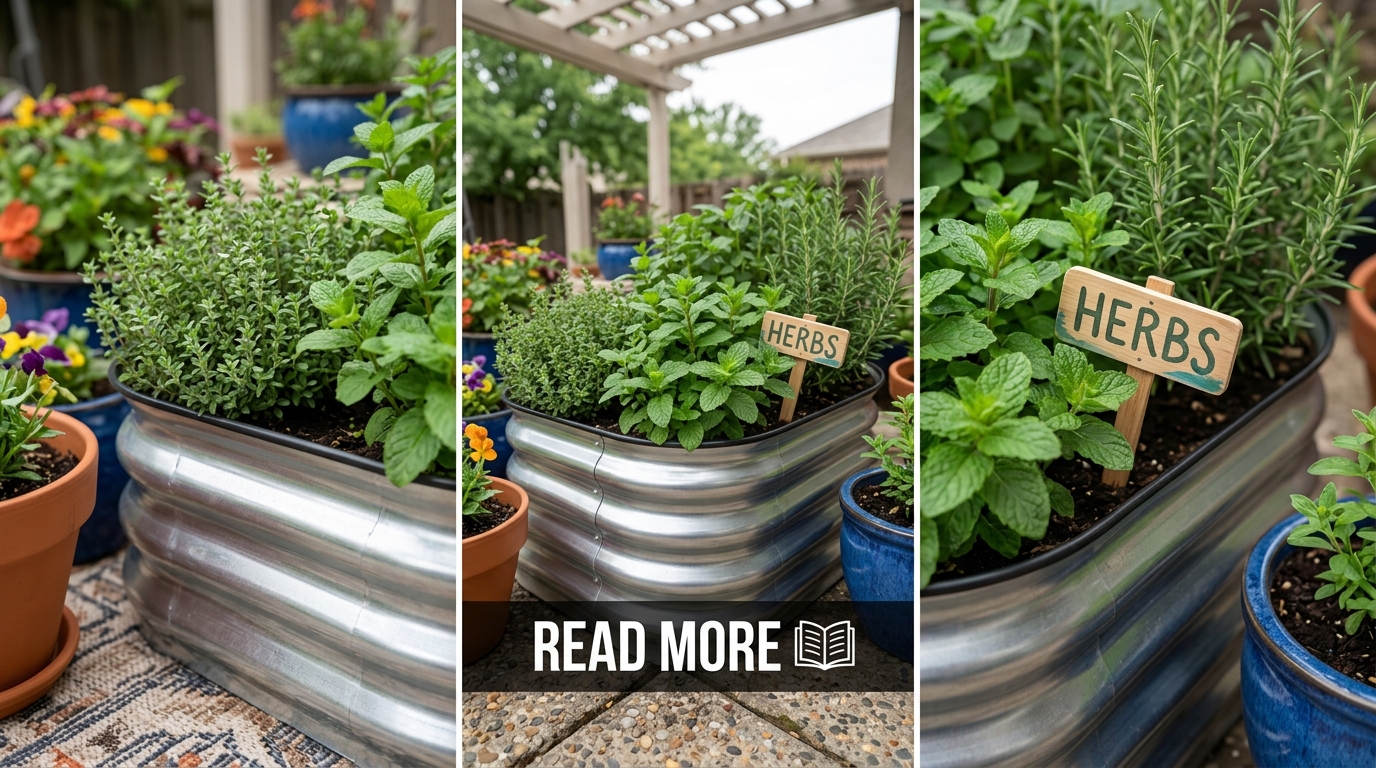
Metal raised garden beds have become one of the most popular choices for home gardeners thanks to their durability, modern appearance, and long-lasting performance. Whether you’re growing vegetables, herbs, flowers, or small fruits, metal raised beds provide an organized and attractive growing space while offering excellent drainage, healthier soil, and easier maintenance than traditional in-ground gardens.
Unlike wooden beds that may rot over time, quality galvanized steel or coated metal garden beds can last for decades with minimal maintenance. Their sleek design complements both modern and traditional landscapes, making them suitable for backyards, patios, courtyards, community gardens, and urban spaces. With proper planning and care, metal raised garden beds can produce abundant harvests while enhancing the beauty of your outdoor area.
This complete guide covers everything you need to know about choosing, installing, planting, and maintaining metal raised garden beds.
What Are Metal Raised Garden Beds?
Metal raised garden beds are elevated planting containers made from durable metal panels, typically galvanized steel, aluminum, or powder-coated steel. They hold nutrient-rich soil above ground level, creating ideal growing conditions for vegetables, herbs, flowers, and ornamental plants.
Unlike traditional gardens, raised beds allow gardeners to control soil quality while improving drainage and reducing weeds.
Metal beds are available in a variety of:
- Shapes
- Sizes
- Heights
- Colors
- Modular designs
Many models can also be expanded or reconfigured as your garden grows.
Benefits of Metal Raised Garden Beds
Metal raised beds offer numerous advantages over other materials.
Benefits include:
- Exceptional durability
- Rot-resistant construction
- Excellent drainage
- Long lifespan
- Minimal maintenance
- Improved soil quality
- Cleaner garden appearance
- Better weed control
- Faster soil warming in spring
- Modern landscape design
High-quality galvanized steel beds can last 20 years or more with proper care.
Choose the Best Location
Select a site that provides ideal growing conditions.
Look for:
- Six to eight hours of direct sunlight
- Good air circulation
- Easy access to water
- Level ground
- Convenient harvesting access
Avoid placing beds beneath large trees where roots compete for water and nutrients.
Select the Right Size
Choose bed dimensions that are comfortable to maintain.
Common sizes include:
- 4 × 4 feet
- 4 × 6 feet
- 4 × 8 feet
- Round beds
- Oval beds
A width of about 4 feet allows you to reach the center without stepping into the bed.
Heights between 12 and 24 inches are suitable for most vegetables.
Choose the Best Material
Several metal options are available.
Galvanized Steel
The most popular choice because it is durable, rust-resistant, and affordable.
Powder-Coated Steel
Offers additional weather protection and is available in various colors.
Aluminum
Lightweight, corrosion-resistant, and ideal for coastal climates.
Select high-quality materials designed specifically for outdoor gardening.
Prepare the Site
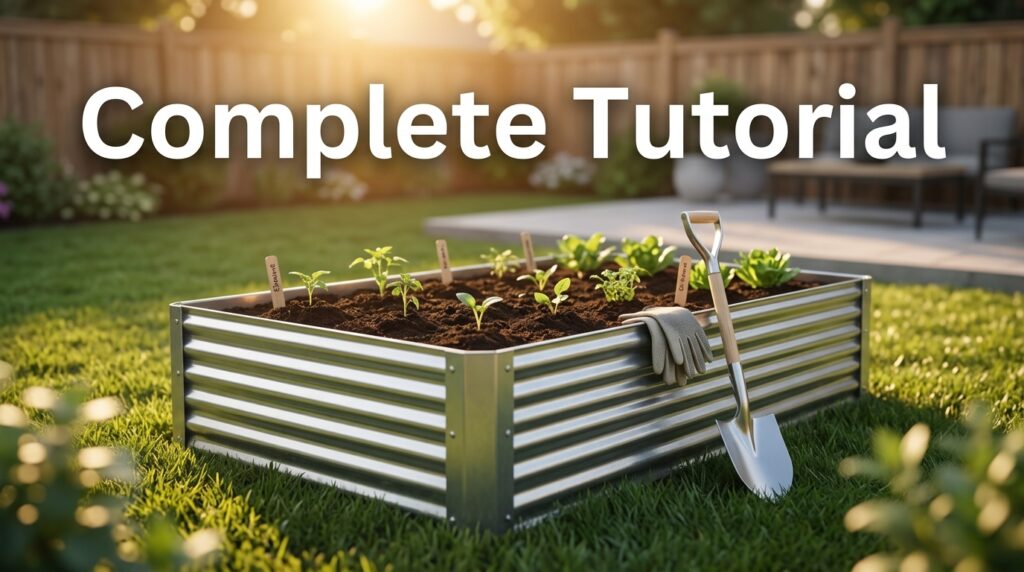
Before installation:
- Remove weeds
- Level the ground
- Mark the bed location
- Install pathways
- Check drainage
Laying cardboard beneath the bed helps suppress weeds while allowing earthworms to move into the soil.
Assemble the Raised Bed
Most metal garden beds are designed for straightforward assembly.
Follow the manufacturer’s instructions and:
- Tighten all fasteners securely
- Ensure the bed is level
- Wear gloves when handling metal panels
- Double-check corners for stability
A level bed helps distribute soil evenly and improves drainage.
Fill with Quality Soil
Healthy soil is essential for productive gardening.
A recommended mix includes:
- High-quality topsoil
- Compost
- Aged manure
- Coconut coir or peat moss
- Perlite or coarse sand if needed
Rich, well-draining soil promotes healthy root growth and vigorous plants.
Best Vegetables for Metal Raised Beds
Most vegetables thrive in raised beds.
Popular choices include:
- Tomatoes
- Lettuce
- Spinach
- Carrots
- Radishes
- Peppers
- Cucumbers
- Green beans
- Onions
- Garlic
- Kale
- Broccoli
- Beets
- Swiss chard
Select crops that match your climate and growing season.
Grow Herbs
Herbs perform exceptionally well in metal raised beds.
Excellent options include:
- Basil
- Parsley
- Chives
- Thyme
- Oregano
- Rosemary
- Sage
- Cilantro
Plant herbs near the edges for convenient harvesting.
Add Companion Plants
Companion planting improves plant health and helps reduce pests.
Good combinations include:
- Tomatoes with basil
- Carrots with onions
- Cucumbers with dill
- Beans with corn
- Lettuce with radishes
Companion planting also makes efficient use of available space.
Install Vertical Supports
Maximize growing space by using vertical gardening techniques.
Install:
- Tomato cages
- Trellises
- Bamboo stakes
- Garden arches
- Wire supports
Vertical growing improves airflow and simplifies harvesting.
Water Properly
Metal beds often drain efficiently, so consistent watering is important.
Best practices include:
- Water deeply
- Water early in the morning
- Use drip irrigation
- Check soil moisture regularly
Avoid frequent shallow watering, which encourages weak root systems.
Mulch the Soil
Mulch helps maintain healthy growing conditions.
Benefits include:
- Moisture retention
- Weed suppression
- Cooler soil temperatures
- Improved soil quality
Good mulch materials include:
- Straw
- Bark chips
- Compost
- Shredded leaves
Apply a two- to three-inch layer around plants.
Fertilize Regularly
Vegetables are heavy feeders.
Use:
- Compost
- Organic vegetable fertilizer
- Fish emulsion
- Worm castings
Refresh nutrients throughout the growing season for continuous production.
Rotate Crops
Changing planting locations each year helps prevent pests and diseases.
Rotate plant families such as:
- Tomatoes
- Peppers
- Beans
- Brassicas
- Root vegetables
Crop rotation improves long-term soil health.
Plant Flowers
Flowers make raised beds more attractive while supporting pollinators.
Excellent choices include:
- Marigolds
- Nasturtiums
- Calendula
- Zinnias
- Cosmos
- Sunflowers
Flowers attract bees, butterflies, and other beneficial insects.
Seasonal Maintenance
Spring
- Add compost
- Prepare soil
- Plant cool-season crops
- Install supports
Summer
- Water regularly
- Harvest vegetables
- Fertilize
- Remove weeds
Autumn
- Harvest remaining crops
- Add compost
- Plant cover crops if desired
- Clean the beds
Winter
- Protect empty beds with mulch
- Tighten hardware
- Inspect for damage
- Plan next season’s crops
Routine maintenance helps maximize the lifespan of your beds.
Design Ideas
Metal raised beds work well in many landscape styles.
Popular designs include:
Modern Garden
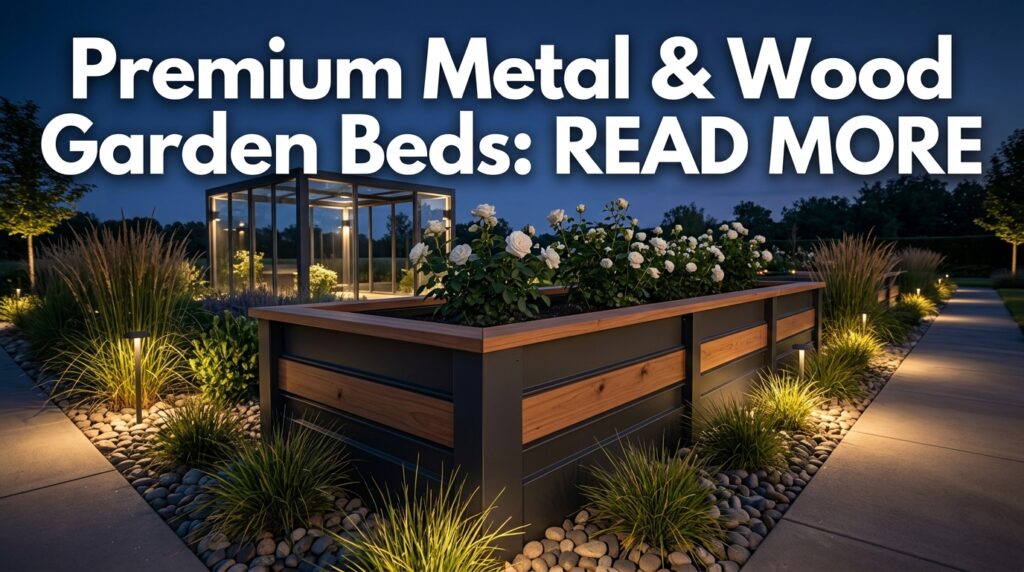
Black metal beds with gravel pathways and minimalist planting.
Cottage Garden
Metal beds surrounded by colorful flowers and climbing roses.
Kitchen Garden
Organized raised beds with vegetables, herbs, and fruit.
Urban Garden
Compact beds combined with vertical gardening and containers.
Farmhouse Garden
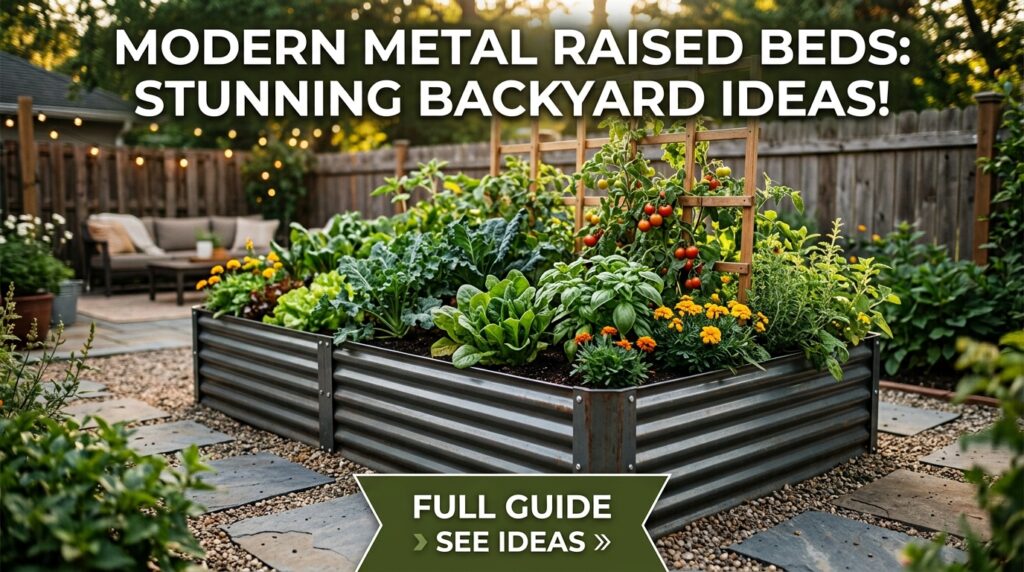
Galvanized steel beds with wooden trellises and rustic décor.
Choose a style that complements your home and outdoor space.
Budget-Friendly Tips
Build an attractive raised-bed garden without overspending.
Affordable ideas include:
- Start with one or two beds
- Buy modular kits
- Make your own compost
- Grow vegetables from seed
- Use rain barrels for irrigation
- Add homemade mulch
Expanding your garden gradually keeps costs manageable.
Common Mistakes to Avoid
Avoid these common gardening mistakes:
- Placing beds in too much shade
- Filling beds with poor-quality soil
- Overcrowding plants
- Ignoring watering needs
- Forgetting crop rotation
- Skipping mulch
Proper planning leads to healthier plants and larger harvests.
Final Thoughts
Metal raised garden beds are a durable, attractive, and highly practical solution for growing vegetables, herbs, flowers, and other plants. Their long lifespan, excellent drainage, low maintenance, and modern appearance make them an outstanding investment for gardeners of all skill levels.
By selecting a sunny location, filling beds with nutrient-rich soil, choosing suitable crops, practicing companion planting, and maintaining a consistent watering and fertilizing routine, you can enjoy abundant harvests year after year. Decorative flowers, vertical supports, and thoughtful garden layouts further enhance both the productivity and visual appeal of your raised-bed garden.
Whether you’re creating a compact urban vegetable patch or a large backyard kitchen garden, metal raised garden beds provide a reliable and stylish foundation for successful gardening, helping you grow healthy plants while creating an organized and beautiful outdoor space that will serve you well for many seasons to come.