
 By John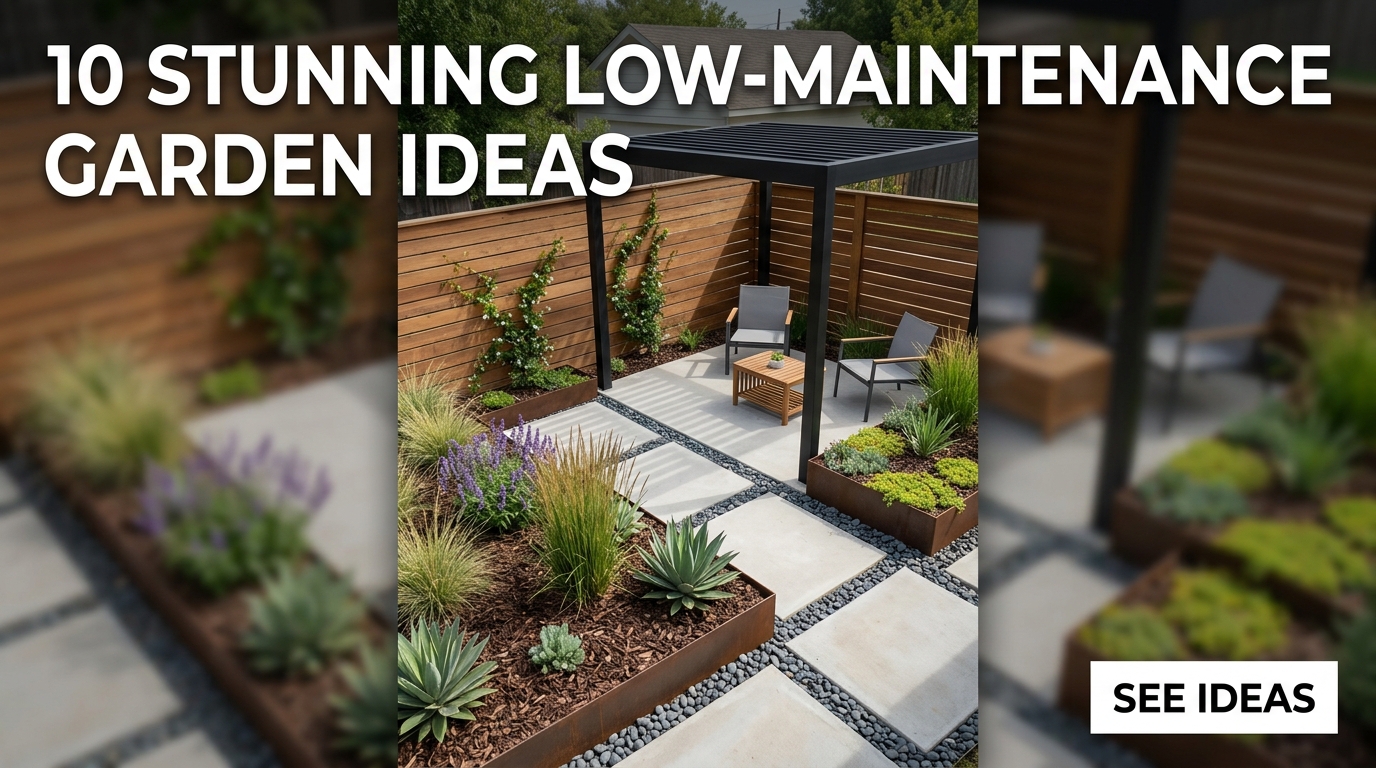
Low Maintenance Garden Ideas, Easy Landscaping, Drought-Tolerant Plants, and Simple Garden Design
A low maintenance garden is the perfect solution for homeowners who want a beautiful outdoor space without spending hours watering, pruning, weeding, and maintaining plants. Whether you have a small backyard, a large landscape, a front yard, or a terrace garden, a low maintenance design can help you enjoy nature while saving time, money, and effort.
Modern gardeners are increasingly choosing easy-care landscapes that combine attractive plants, smart layouts, durable materials, and sustainable gardening practices. By selecting the right plants and reducing high-maintenance features, you can create a garden that looks stunning throughout the year with minimal upkeep.
This complete guide covers everything you need to know about designing, planting, and maintaining a low maintenance garden that remains beautiful in every season.
What Is a Low Maintenance Garden?
A low maintenance garden is designed to require less watering, pruning, fertilizing, mowing, and general upkeep than traditional gardens. The goal is to maximize beauty while minimizing work.
These gardens often include:
- Drought-tolerant plants
- Native species
- Perennials
- Gravel landscaping
- Mulched beds
- Evergreen shrubs
- Raised planters
- Automated irrigation systems
A low maintenance garden doesn’t mean sacrificing beauty—it simply means working smarter.
Benefits of a Low Maintenance Garden
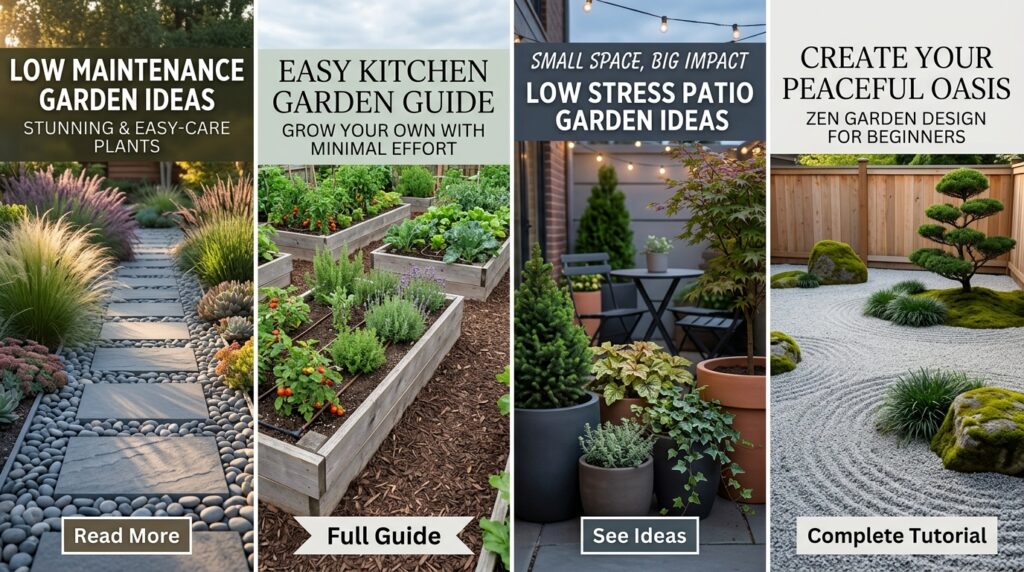
There are many reasons why homeowners choose low maintenance landscaping.
Saves Time
Less watering, pruning, and weeding means more time to enjoy your outdoor space.
Reduces Water Usage
Many low maintenance plants require significantly less water than traditional lawns and flower beds.
Lower Costs
Reduced water bills, fewer fertilizers, and lower maintenance expenses save money over time.
Environmentally Friendly
Native plants support local wildlife and require fewer resources.
Year-Round Beauty
Carefully selected plants provide structure, color, and interest throughout the seasons.
Planning Your Low Maintenance Garden
Successful gardens begin with thoughtful planning.
Before planting, consider:
Climate
Choose plants suited to your local weather conditions.
Sunlight
Observe which areas receive full sun, partial shade, or full shade.
Soil Type
Test soil quality and improve drainage if needed.
Budget
Determine how much you want to spend on plants, materials, and landscaping.
Garden Purpose
Decide whether you want a relaxing retreat, an entertainment area, a vegetable garden, or a decorative landscape.
Choose Native Plants
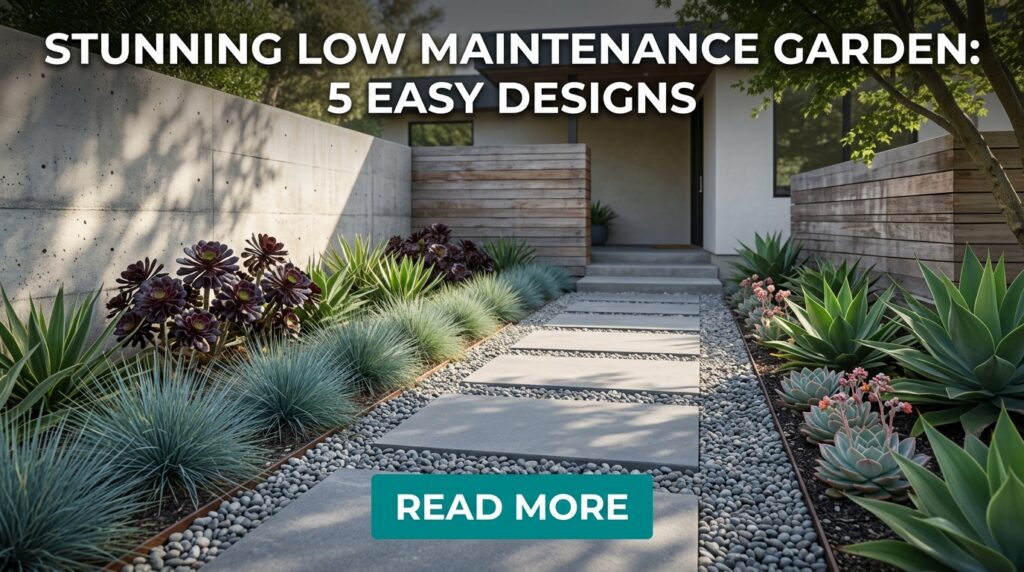
Native plants are one of the best choices for low maintenance gardens.
Benefits include:
- Adapted to local climate
- Require less watering
- Resist local pests
- Need less fertilizer
- Support pollinators
Native species often thrive with minimal intervention.
Use Perennial Plants
Perennials return every year, eliminating the need for annual replanting.
Popular low maintenance perennials include:
- Lavender
- Coneflowers
- Daylilies
- Black-Eyed Susans
- Salvia
- Russian Sage
- Yarrow
Perennials provide reliable color and structure.
Plant Evergreen Shrubs
Evergreens keep gardens attractive year-round.
Excellent options include:
- Boxwood
- Juniper
- Holly
- Arborvitae
- Dwarf Pine
- Yew
They provide structure even during winter months.
Replace Lawns with Alternatives
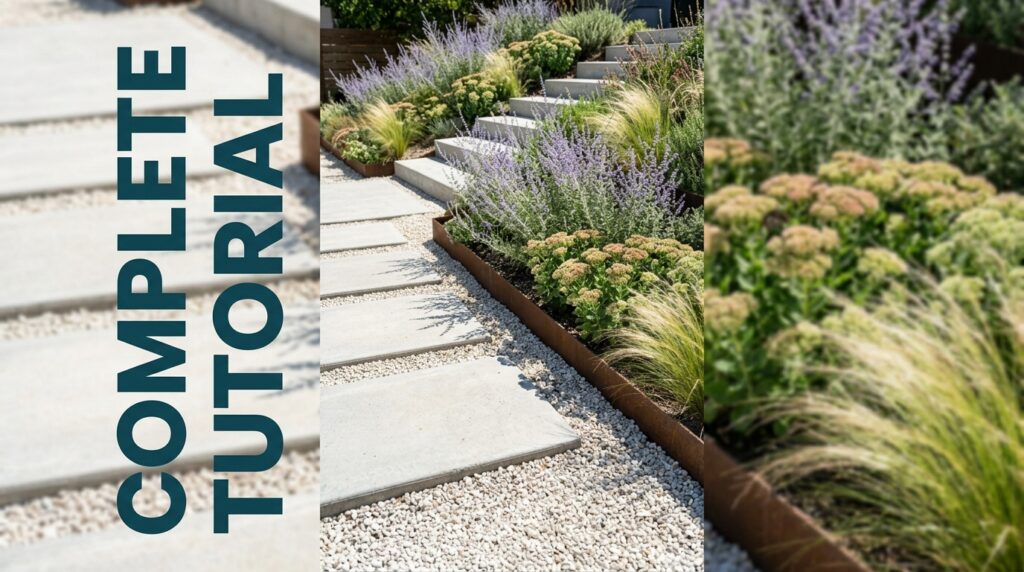
Traditional lawns require frequent mowing and watering.
Consider alternatives such as:
- Gravel gardens
- Ground covers
- Native meadows
- Artificial turf
- Mulched beds
Reducing lawn size significantly decreases maintenance.
Use Mulch Generously
Mulch is one of the most effective gardening tools.
Benefits include:
- Retains moisture
- Suppresses weeds
- Regulates soil temperature
- Improves appearance
- Reduces watering needs
Organic mulch also enriches the soil as it decomposes.
Create Gravel Gardens
Gravel gardens are attractive and easy to maintain.
Popular features include:
- Decorative stones
- Drought-tolerant plants
- Succulents
- Ornamental grasses
They work especially well in sunny climates.
Install Raised Garden Beds
Raised beds help organize planting areas and simplify maintenance.
Advantages include:
- Better drainage
- Easier weed control
- Improved soil quality
- Reduced bending
Raised beds are ideal for flowers, vegetables, and herbs.
Choose Drought-Tolerant Plants
Water-efficient plants thrive with minimal irrigation.
Popular choices include:
Lavender
Beautiful, fragrant, and highly drought resistant.
Succulents
Store water naturally and require very little care.
Ornamental Grasses
Add movement and texture while needing minimal maintenance.
Agave
Perfect for modern and desert-style landscapes.
Sedum
Tough, colorful, and easy to grow.
Incorporate Hardscaping
Hardscaping reduces the amount of planted space that requires maintenance.
Ideas include:
- Stone pathways
- Patios
- Decks
- Retaining walls
- Decorative gravel
These features add structure and visual interest.
Design Simple Garden Layouts
Complicated designs often require more upkeep.
Focus on:
- Clean lines
- Defined borders
- Repeated plant groups
- Open spaces
Simple layouts are easier to maintain and often look more professional.
Install Drip Irrigation
Efficient irrigation saves both time and water.
Benefits include:
- Direct watering
- Reduced evaporation
- Healthier plants
- Lower water bills
Automated systems further reduce maintenance.
Create Low Maintenance Flower Beds
Select long-blooming plants that require little attention.
Great options include:
- Coreopsis
- Echinacea
- Salvia
- Blanket Flower
- Catmint
These plants provide color for months.
Use Ground Covers
Ground covers help suppress weeds and reduce bare soil.
Popular options include:
- Creeping Thyme
- Ajuga
- Sedum
- Vinca
- Creeping Jenny
Ground covers create attractive living carpets.
Add Outdoor Living Spaces
Low maintenance gardens should be enjoyable.
Include:
- Garden benches
- Pergolas
- Patios
- Outdoor dining areas
- Fire pits
Functional spaces encourage outdoor relaxation.
Best Low Maintenance Garden Styles
Modern Garden
Clean lines, gravel, and architectural plants.
Mediterranean Garden
Lavender, olive trees, and drought-tolerant planting.
Rock Garden
Decorative stones combined with hardy plants.
Cottage Garden
Relaxed planting with resilient perennials.
Desert Garden
Succulents and drought-resistant landscaping.
Seasonal Care Tips
Even low maintenance gardens need some attention.
Spring
- Add mulch
- Fertilize lightly
- Divide perennials
Summer
- Monitor watering
- Remove spent blooms
Autumn
- Trim dead growth
- Refresh mulch
Winter
- Protect sensitive plants
- Prune dormant shrubs
Seasonal maintenance keeps the garden healthy.
Common Mistakes to Avoid
Planting Too Many Species
Too much variety can increase maintenance.
Ignoring Mature Plant Size
Crowded gardens require frequent pruning.
Choosing High-Maintenance Plants
Research plant needs before purchasing.
Skipping Mulch
Mulch significantly reduces weeds and watering.
Poor Drainage
Waterlogged plants require more attention and often fail.
Budget-Friendly Low Maintenance Garden Ideas
Save money by:
- Growing plants from seed
- Dividing existing perennials
- Using recycled containers
- Installing gravel pathways
- Purchasing native plants
Low maintenance gardens can be affordable and beautiful.
Wildlife-Friendly Low Maintenance Gardens
Support beneficial wildlife by planting:
- Native flowers
- Pollinator plants
- Flowering shrubs
- Ornamental grasses
These gardens attract:
- Bees
- Butterflies
- Birds
- Beneficial insects
Nature helps maintain a healthy ecosystem.
Frequently Asked Questions
What is the easiest garden to maintain?
Gardens featuring native plants, gravel landscaping, mulch, and drought-tolerant species are among the easiest to maintain.
What plants require the least maintenance?
Lavender, sedum, ornamental grasses, salvia, juniper, and many native plants require minimal care.
How can I reduce garden maintenance?
Use mulch, install drip irrigation, choose perennials, reduce lawn areas, and plant drought-tolerant species.
Are low maintenance gardens expensive?
Not necessarily. Many low maintenance gardens save money over time through reduced water use and fewer maintenance costs.
Can a low maintenance garden still look beautiful?
Absolutely. Many modern landscape designs focus on simplicity, texture, and structure while requiring very little upkeep.
Conclusion
A low maintenance garden allows you to enjoy a beautiful outdoor environment without spending endless hours on upkeep. By choosing native plants, drought-tolerant species, perennials, gravel landscaping, and smart garden layouts, you can create a stunning landscape that remains attractive throughout the year.
Whether you prefer a modern garden, a Mediterranean retreat, a rock garden, or a simple backyard oasis, thoughtful planning and plant selection will help you build an outdoor space that is both practical and visually appealing. With less work and more enjoyment, a low maintenance garden is one of the smartest landscaping investments you can make.