
 By John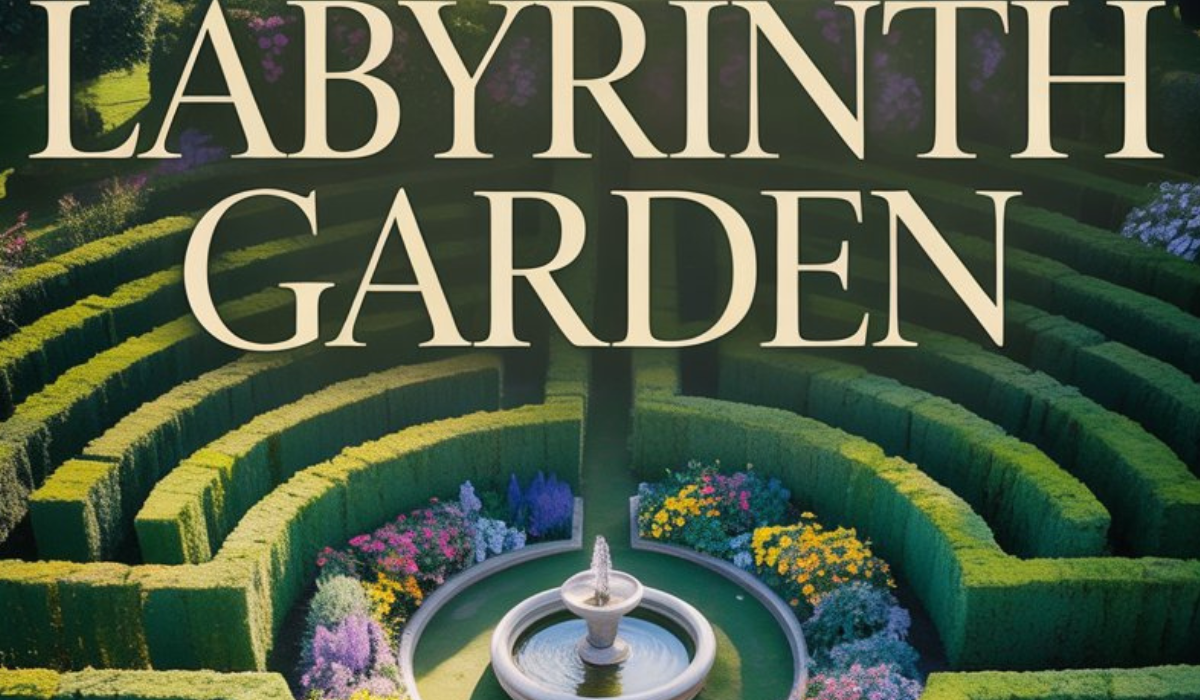
A labyrinth garden is more than just a beautiful outdoor feature. It is a calming retreat, a place for meditation, and a stunning landscape design element that transforms any backyard into a peaceful sanctuary. Whether you want a spiritual walking path, a decorative garden centerpiece, or a relaxing outdoor experience, labyrinth gardens have become increasingly popular among homeowners and landscape designers.
In this guide, you will learn everything about labyrinth gardens, including their history, benefits, design ideas, materials, maintenance tips, and how to create your own labyrinth garden at home.
What Is a Labyrinth Garden?
A labyrinth garden is a specially designed outdoor space that features a winding path leading toward a central point. Unlike a maze, which contains dead ends and confusing turns, a labyrinth has a single continuous path. The journey through the labyrinth is meant to encourage relaxation, mindfulness, reflection, and meditation.
Labyrinth gardens can be simple or elaborate. Some use gravel pathways surrounded by flowers, while others include stone borders, herbs, shrubs, fountains, or artistic landscaping features.

The calming design of a labyrinth garden makes it ideal for:
- Meditation
- Stress relief
- Spiritual practices
- Relaxation
- Mindful walking
- Decorative landscaping
The History of Labyrinth Gardens
Labyrinths date back thousands of years and appear in many cultures around the world. Ancient labyrinth patterns were found in Greece, Europe, and parts of Asia. Historically, labyrinths symbolized spiritual journeys, personal growth, and inner peace.
During medieval times, labyrinths became popular in churches and monasteries. People would slowly walk the path as a form of prayer or meditation. Today, modern labyrinth gardens combine traditional symbolism with contemporary landscape design.
Many public parks, retreat centers, and private homes now feature labyrinth gardens as peaceful outdoor spaces for wellness and reflection.
Benefits of a Labyrinth Garden
Creating a labyrinth garden offers both physical and emotional benefits. Here are some of the top advantages of adding one to your outdoor space.
1. Reduces Stress
Walking through a labyrinth garden encourages slow movement and focused breathing. This calming activity helps reduce anxiety and mental stress.
2. Encourages Mindfulness
The winding path promotes mindfulness by helping you stay present in the moment. Many people use labyrinth walking as part of their meditation practice.
3. Enhances Landscape Beauty
A labyrinth garden creates a unique visual focal point in any yard. It blends natural beauty with artistic design.
4. Supports Outdoor Wellness
Spending time outdoors improves mood, mental clarity, and emotional well-being. A labyrinth garden provides a peaceful environment for self-care.
5. Adds Property Value
Beautiful landscape features like labyrinth gardens can increase curb appeal and enhance the overall value of your property.
Popular Types of Labyrinth Gardens
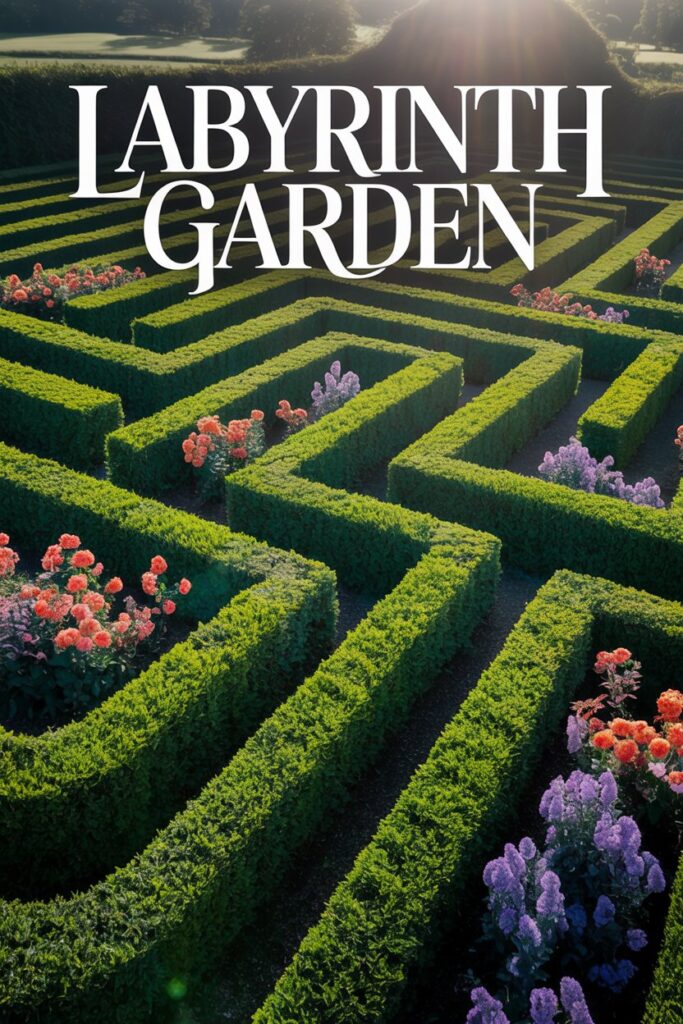
There are many styles of labyrinth gardens to suit different spaces and preferences.
Classical Labyrinth Garden
This traditional design uses a simple circular pattern with a single winding path leading to the center.
Medieval Labyrinth Garden
Inspired by ancient cathedral designs, medieval labyrinths feature intricate geometric patterns and detailed pathways.
Contemporary Labyrinth Garden
Modern labyrinth gardens often combine minimalist landscaping, clean lines, decorative stones, and contemporary materials.
Herb Labyrinth Garden
An herb labyrinth garden uses fragrant herbs like lavender, rosemary, thyme, and mint along the pathways for a sensory experience.
Zen Labyrinth Garden
This style combines Japanese-inspired landscaping elements such as gravel, bamboo, water features, and natural stones.
Best Plants for a Labyrinth Garden
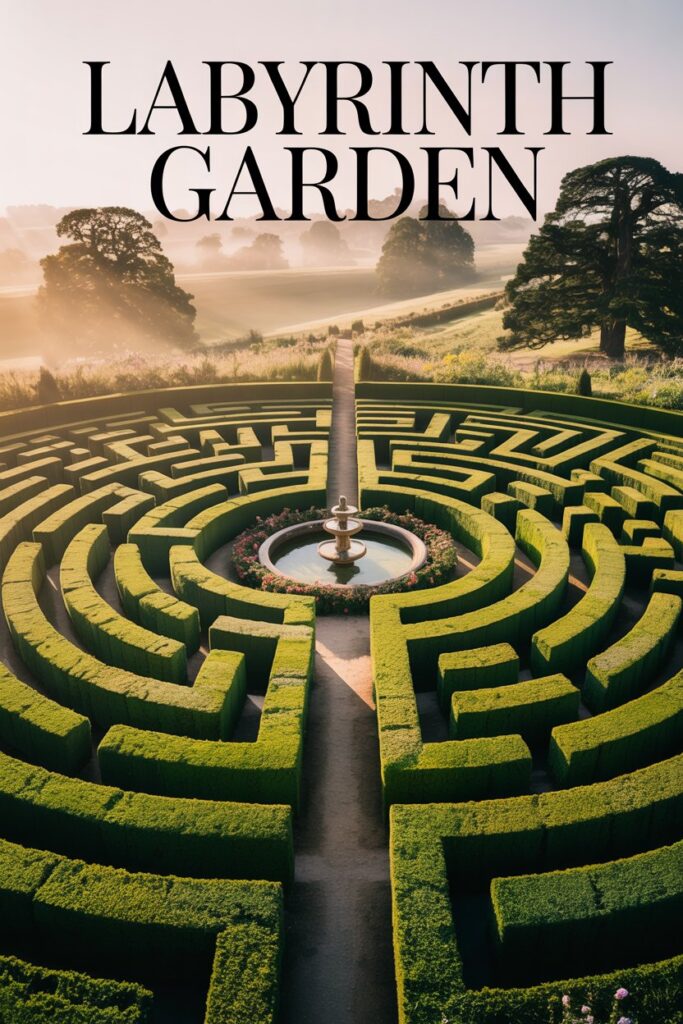
Choosing the right plants can make your labyrinth garden more inviting and visually appealing. Consider using plants that add texture, fragrance, and seasonal color.
Lavender
Lavender provides calming fragrance and beautiful purple flowers.
Boxwood
Boxwood shrubs create neat borders and defined pathways.
Rosemary
Rosemary is both decorative and aromatic, making it perfect for herb labyrinths.
Ornamental Grasses
Grasses add movement and texture to the landscape.
Moss
Moss creates a soft, natural appearance in shaded labyrinth gardens.
Roses
Roses add elegance and vibrant color to the space.
Ground Cover Plants
Low-growing plants like creeping thyme or sedum soften pathways and reduce maintenance.
How to Design a Labyrinth Garden
Designing a labyrinth garden requires thoughtful planning. Here are the key steps to create a beautiful and functional outdoor labyrinth.
Step 1: Choose the Location
Select a quiet area with enough space for walking paths. Flat ground works best for most labyrinth designs.
Step 2: Decide on the Shape
Circular labyrinths are the most common, but you can also create square or custom-shaped designs.
Step 3: Measure the Space
Use stakes and string to outline the labyrinth layout before installation.
Step 4: Select Materials
Popular materials include:
- Gravel
- Brick
- Stone
- Pavers
- Grass
- Mulch
Step 5: Add Landscaping Features
Enhance your labyrinth garden with:
- Benches
- Water fountains
- Garden lighting
- Flower beds
- Sculptures
- Decorative rocks
Step 6: Create a Centerpiece
The center of the labyrinth often serves as a meditation or reflection area. You can add:
- A small fountain
- A tree
- A sculpture
- A seating area
- A flower arrangement
Small Backyard Labyrinth Garden Ideas
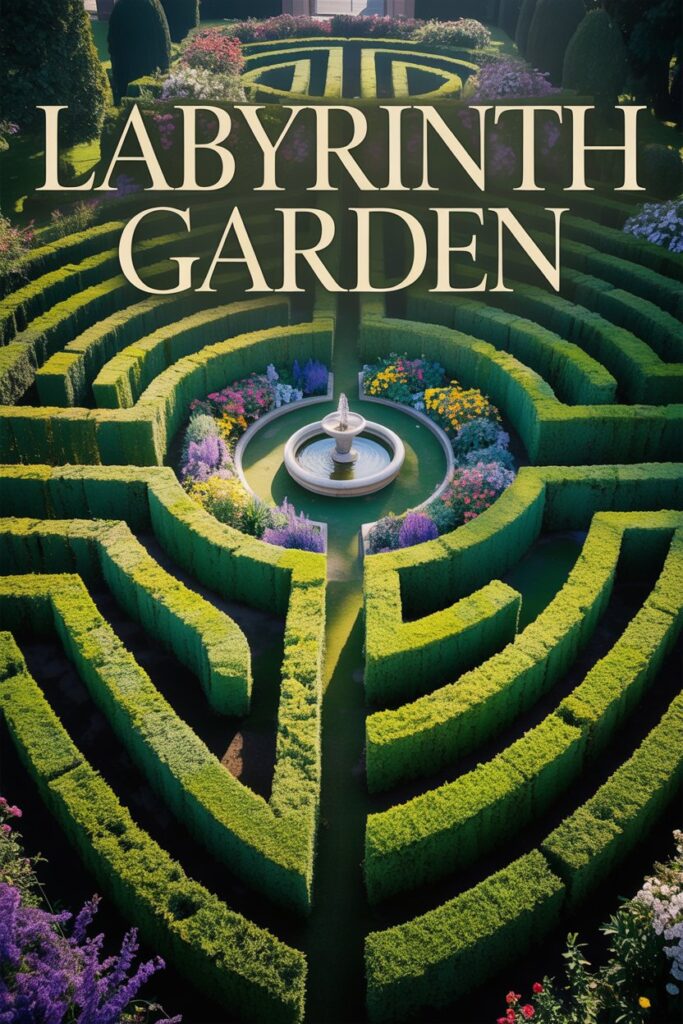
Even small outdoor spaces can accommodate a labyrinth garden. Here are some creative ideas for compact yards.
Mini Stone Labyrinth
Use pebbles and stepping stones to create a small meditation path.
Herb Spiral Labyrinth
Combine herbs and curved pathways for a compact sensory garden.
Grass Pattern Labyrinth
Mow pathways into a lawn to create a natural labyrinth effect.
Patio Labyrinth Design
Install pavers or tiles in a labyrinth pattern on a patio surface.
Container Labyrinth Garden
Use planters and decorative edging to create a portable labyrinth space.
Labyrinth Garden Materials
Choosing durable materials ensures your labyrinth garden remains beautiful for years.
Gravel
Affordable and easy to install, gravel creates a natural look.
Brick
Brick pathways offer timeless charm and durability.
Natural Stone
Stone adds elegance and blends beautifully with landscaping.
Wood Chips
Wood mulch creates a rustic appearance and soft walking surface.
Concrete Pavers
Pavers are long-lasting and available in various styles and colors.
Maintenance Tips for a Labyrinth Garden
A well-maintained labyrinth garden stays attractive and functional throughout the year.
Keep Pathways Clear
Remove weeds, leaves, and debris regularly.
Trim Plants
Prune shrubs and plants to maintain clean pathway edges.
Refresh Mulch or Gravel
Replace worn materials when necessary.
Water Plants Properly
Ensure plants receive adequate watering during dry seasons.
Add Seasonal Flowers
Update flower beds with seasonal blooms for year-round beauty.
Labyrinth Garden for Meditation
Many people create labyrinth gardens specifically for meditation and mindfulness. Walking meditation involves slowly following the path while focusing on breathing and awareness.
Benefits of labyrinth meditation include:
- Reduced stress
- Improved focus
- Emotional balance
- Enhanced creativity
- Greater relaxation
A meditation labyrinth garden often includes quiet seating areas, soft landscaping, and calming water features.
Labyrinth Garden Landscaping Ideas
Enhance your labyrinth garden with creative landscaping elements.
Water Features
Fountains and ponds create soothing sounds and peaceful energy.
Outdoor Lighting
Solar lights improve visibility and create a magical nighttime atmosphere.
Flower Borders
Bright flowers add color and attract butterflies and pollinators.
Decorative Stones
Large stones create natural focal points and visual texture.
Pergolas and Arbors
Structures provide shade and architectural interest.
DIY Labyrinth Garden Project
Building your own labyrinth garden can be a rewarding DIY project.
Basic Tools Needed
- Measuring tape
- String and stakes
- Shovel
- Rake
- Landscape fabric
- Gravel or pavers
Simple DIY Steps
- Mark the center point.
- Draw the labyrinth pattern using rope or chalk.
- Dig shallow pathways.
- Install edging materials.
- Add gravel, mulch, or pavers.
- Plant flowers and shrubs around the edges.
- Add decorative elements.
DIY labyrinth gardens can be customized for any budget or yard size.
Indoor Labyrinth Garden Inspiration
You can even create a labyrinth-inspired garden indoors.
Ideas include:
- Tabletop stone labyrinths
- Mini Zen labyrinth trays
- Indoor moss gardens
- Potted herb labyrinth arrangements
Indoor labyrinth designs work well for apartments, offices, and meditation rooms.
Why Labyrinth Gardens Are Trending
Labyrinth gardens have become increasingly popular due to growing interest in wellness, mindfulness, and outdoor living spaces. Many homeowners now seek peaceful backyard retreats that support mental health and relaxation.
Social media platforms also showcase stunning labyrinth garden designs, inspiring people to create their own calming landscapes.
Popular trends include:
- Sustainable landscaping
- Zen-inspired gardens
- Natural stone pathways
- Eco-friendly gardening
- Wellness-focused outdoor spaces
Tips for Creating the Perfect Labyrinth Garden
To achieve the best results, keep these tips in mind:
- Start with a simple design
- Use durable materials
- Include fragrant plants
- Add comfortable seating
- Incorporate lighting
- Keep pathways wide enough for easy walking
- Choose low-maintenance landscaping
A thoughtfully designed labyrinth garden becomes a timeless outdoor sanctuary.
Conclusion
A labyrinth garden is a beautiful combination of art, nature, and mindfulness. Whether you create a small backyard meditation path or a large decorative landscape feature, labyrinth gardens provide peace, beauty, and relaxation.
With endless design possibilities, you can customize your labyrinth garden to match your style, available space, and personal wellness goals. By incorporating plants, stones, lighting, and calming features, you can transform any outdoor area into a serene retreat.